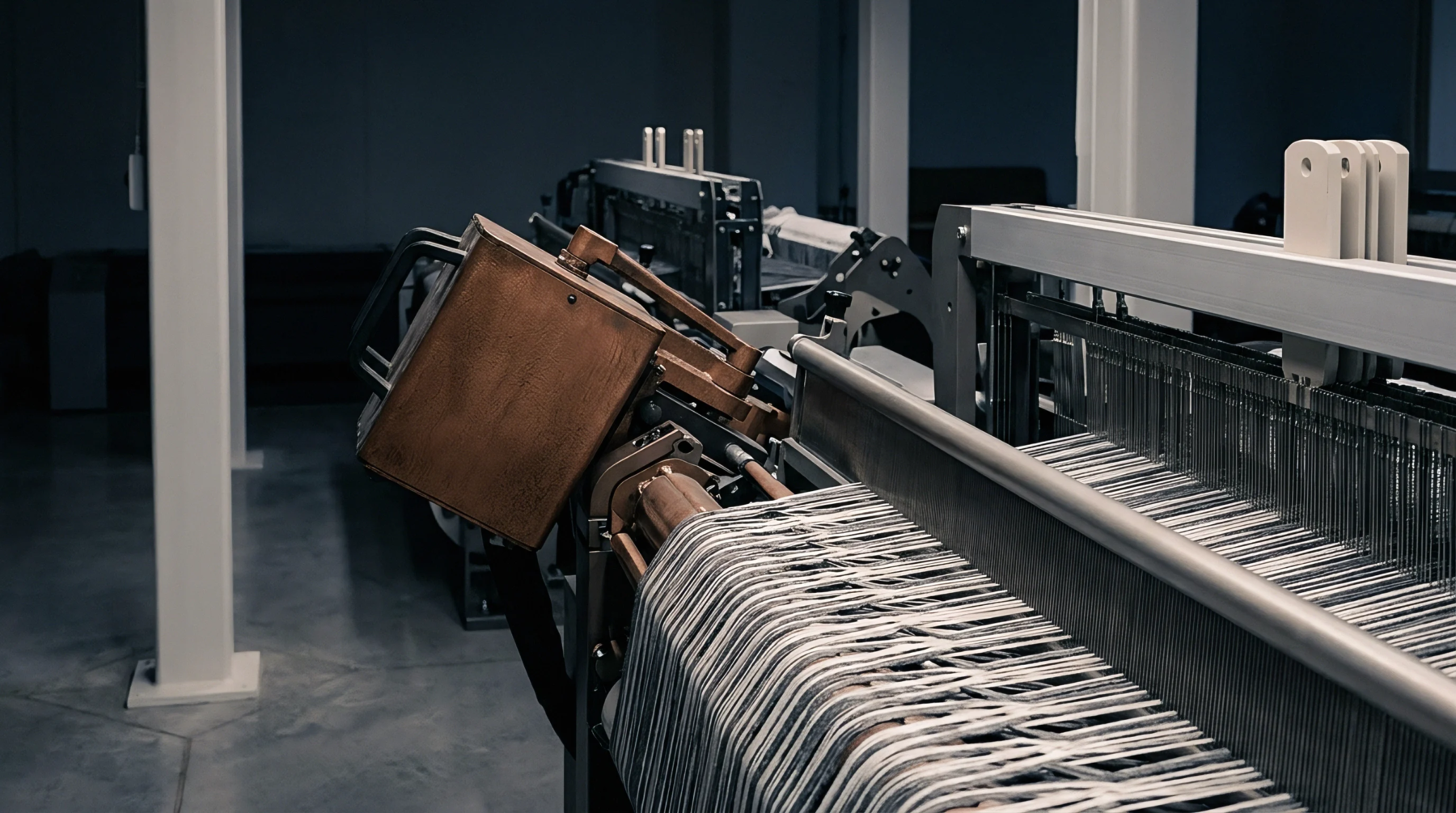
Selecting Loom Reed Wire Thickness and Air Space Ratios for Downproof Taffetas
Downproof taffeta requires reed air space ratios between 48% and 52% with wire thickness above 0.14 mm to prevent beat-up deflection and reed marks.
Downproof taffeta requires reed air space ratios between 48% and 52% with wire thickness above 0.14 mm to prevent beat-up deflection and reed marks.
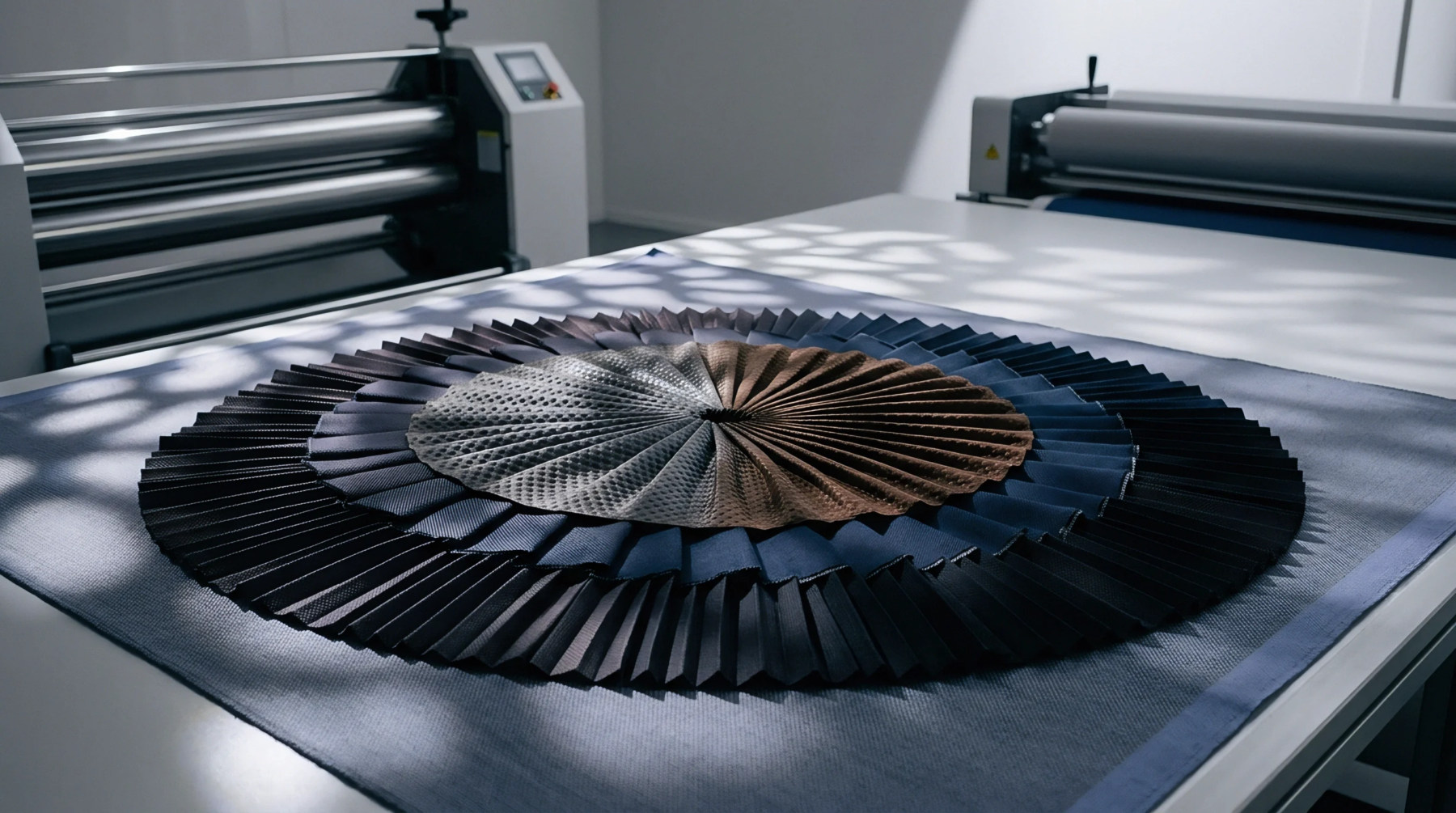
Controlled stenter thermal ramps and optical pyrometry prevent microfibrillar fusion, preserving synthetic web porosity and contractual air permeance.

Greige fabric moisture regain dictates invoice billing weight, desizing efficiency, and mold risk, requiring storage at 55 to 65 percent relative humidity.
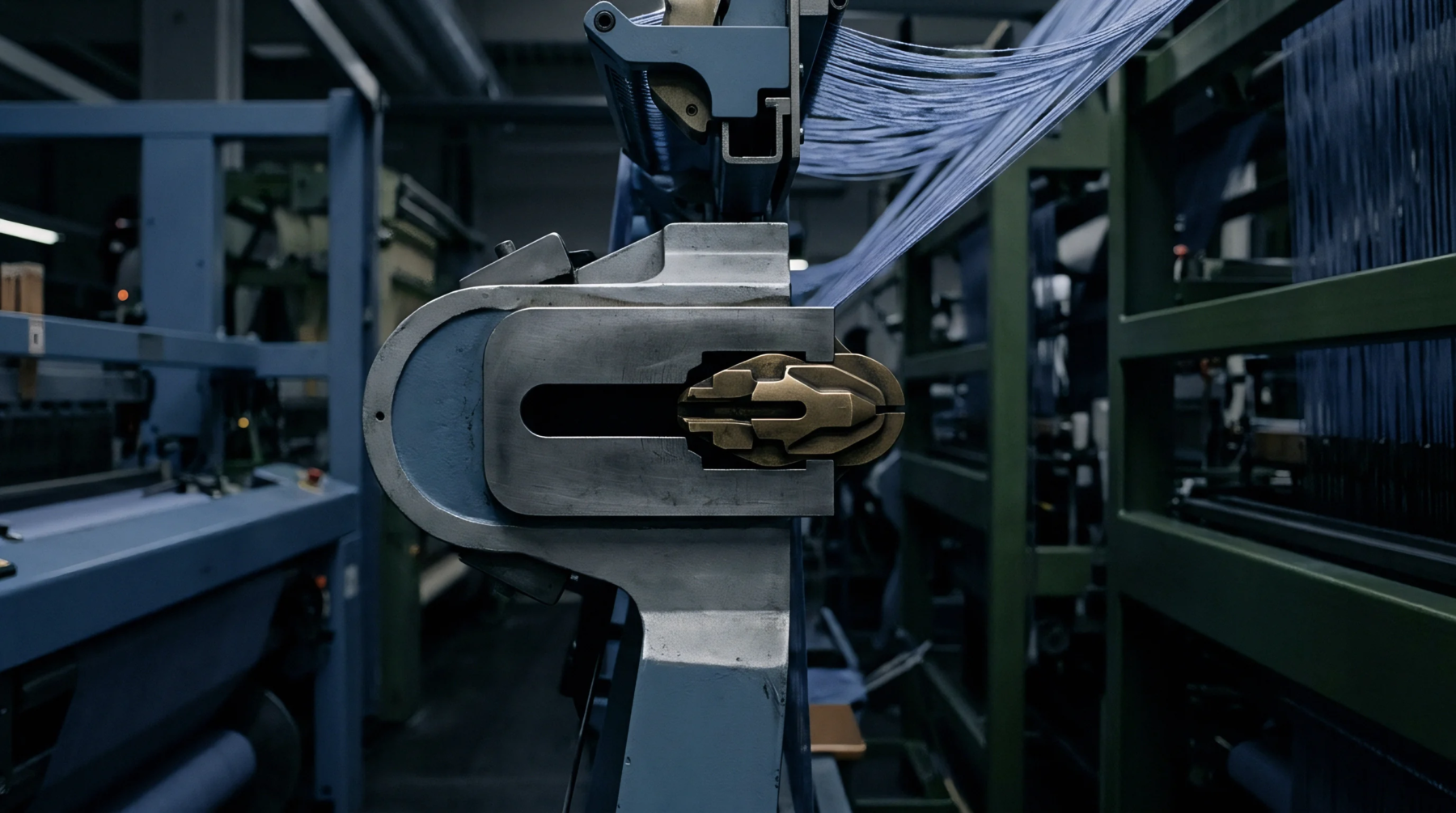
Warp tension straightens load-bearing ends, deepens weft crimp, and flattens yarn cross-sections, compressing pore apertures and slashing air permeability.

Warp cover factor calculations require correcting direct yarn counts for polymer density and cross-sectional flattening to predict barrier performance accurately.
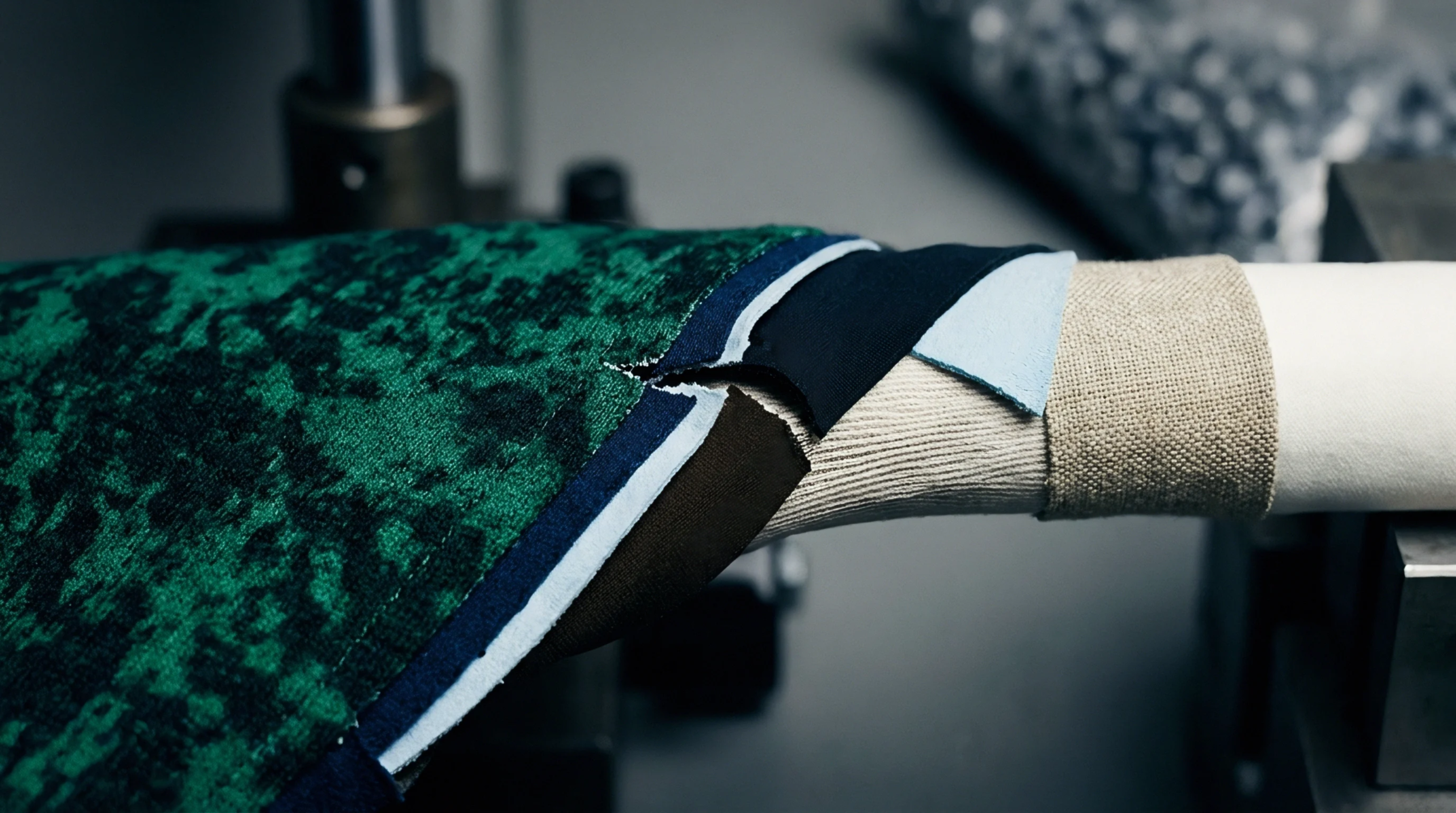
Dynamic yarn cross-sectional flattening expands major axis boundaries, defining absolute physical weaving limits and preventing bulk loom jamming failures.

Primary void geometry sets the hydraulic entry threshold for dense wovens, requiring high-differential pressure equipment to prevent surface ring dyeing defects.
Cover factor analysis requires direct conversion to Tex linear density and adjustment for fiber packing density before computing fractional surface area.
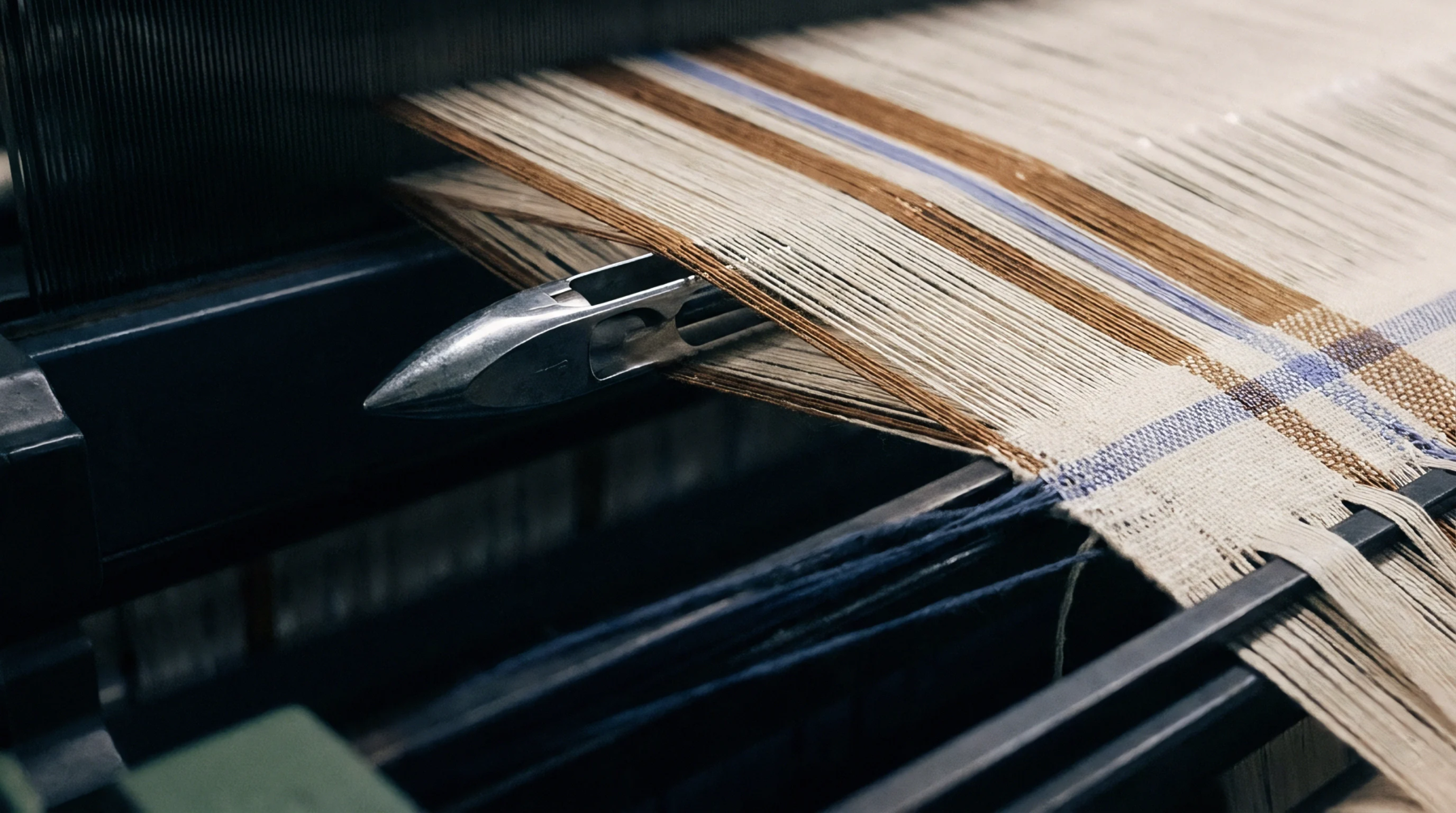
Warp cover factor quantifies yarn area coverage using thread density and yarn diameter equations to control fabric porosity, mechanical strength, and production speed.

Warp and weft crimp exchange in high-density weaving shifts structural waviness across processing, dictating finished sett, shrinkage, and air permeability.
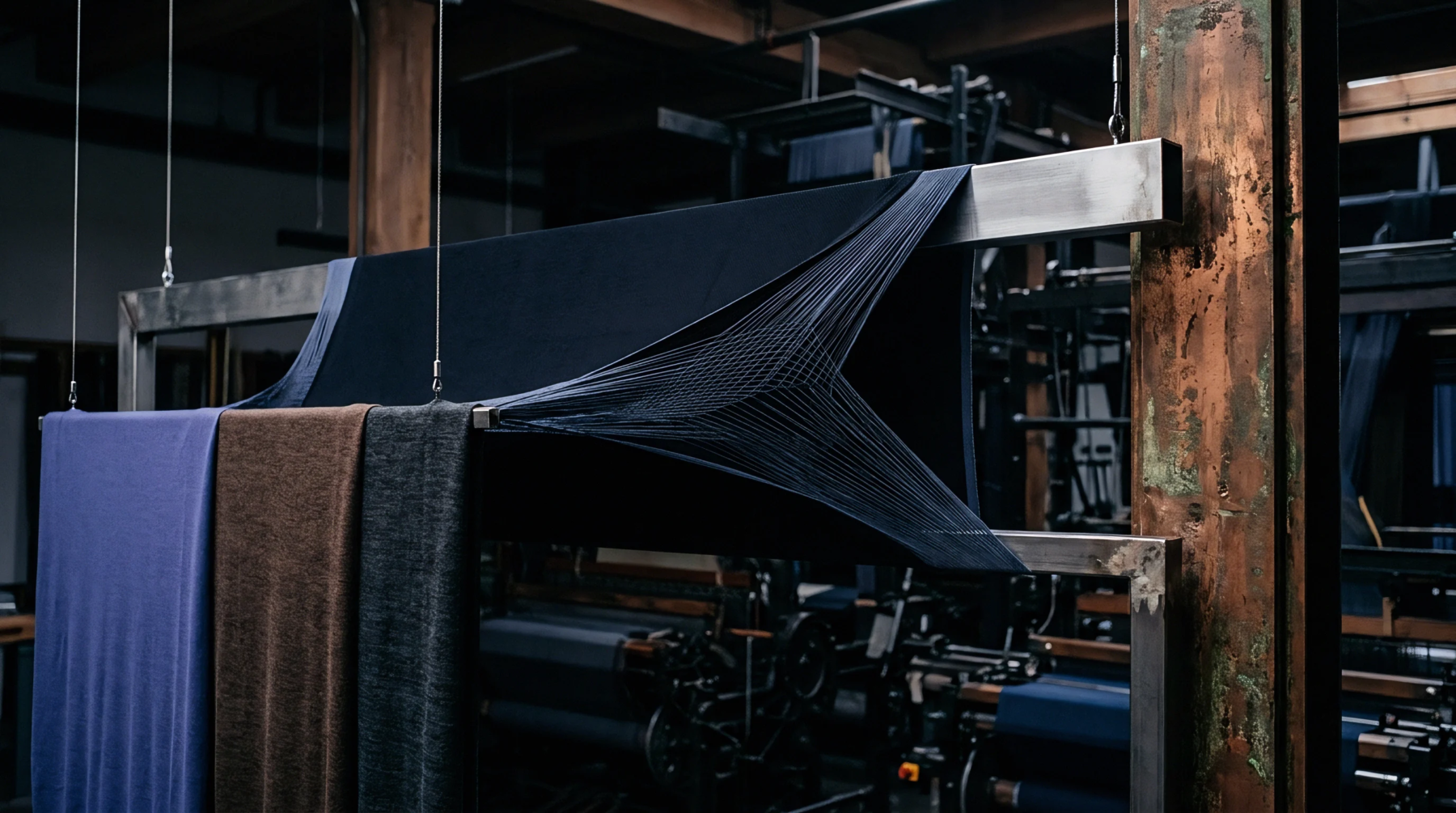
Warp cover factor calculation requires precise yarn diameter, density, and count conversions to establish enforceable fabric specifications and prevent bulk weaving defects.
Expertise is a utility, not a secret. sentiention™ publishes its working knowledge as open reference: intelligence layer covering the materials it sources, the markets it enters, and the reference that serves both.