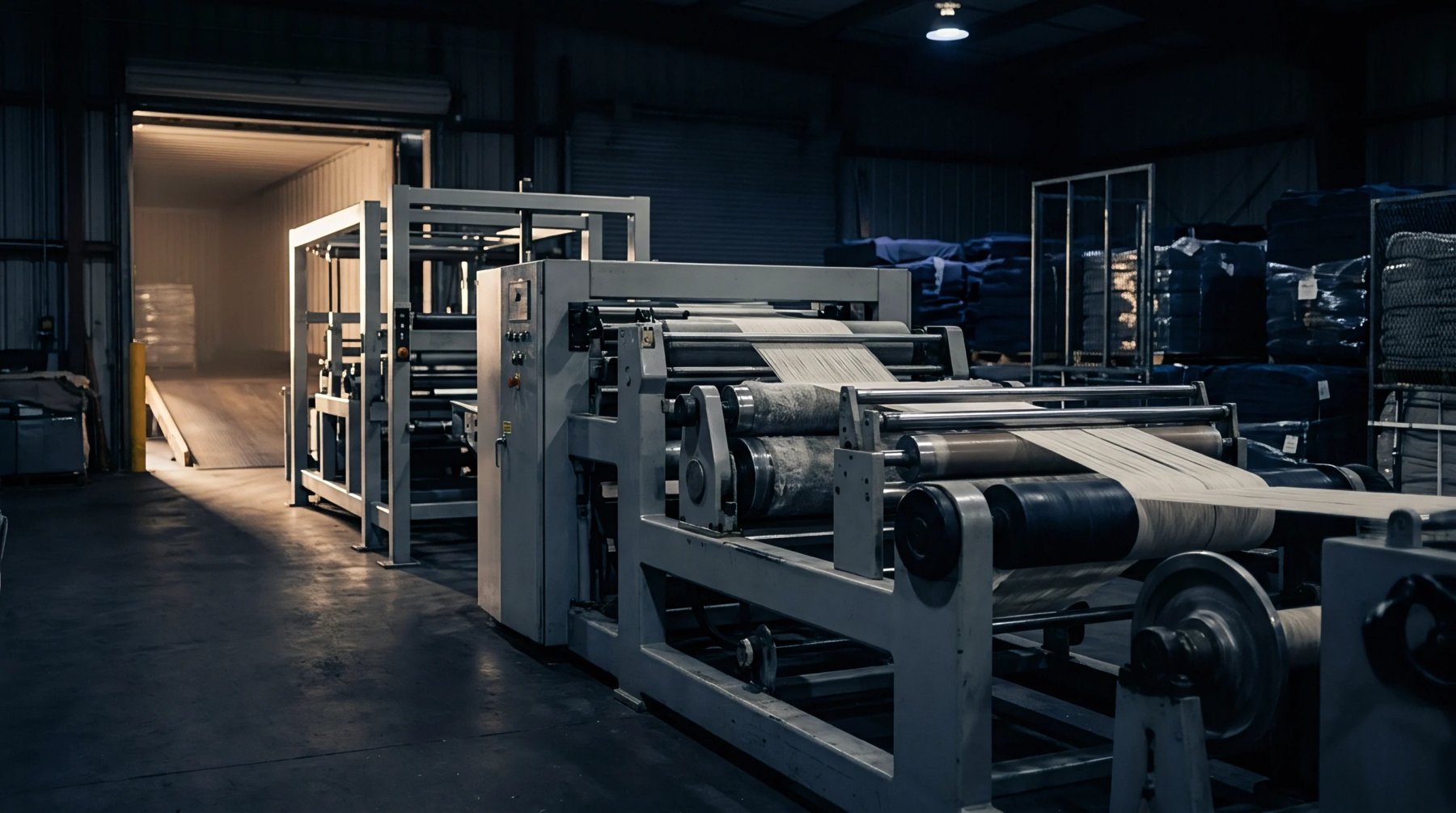
Psychrometric Mass Transfer Rate Stabilization in Heated Pad Trough Operations
Maintaining constant liquor concentration in heated pad troughs demands minimal bath volume, rapid turnover, tight thermal control, and ambient vapor management.
Maintaining constant liquor concentration in heated pad troughs demands minimal bath volume, rapid turnover, tight thermal control, and ambient vapor management.
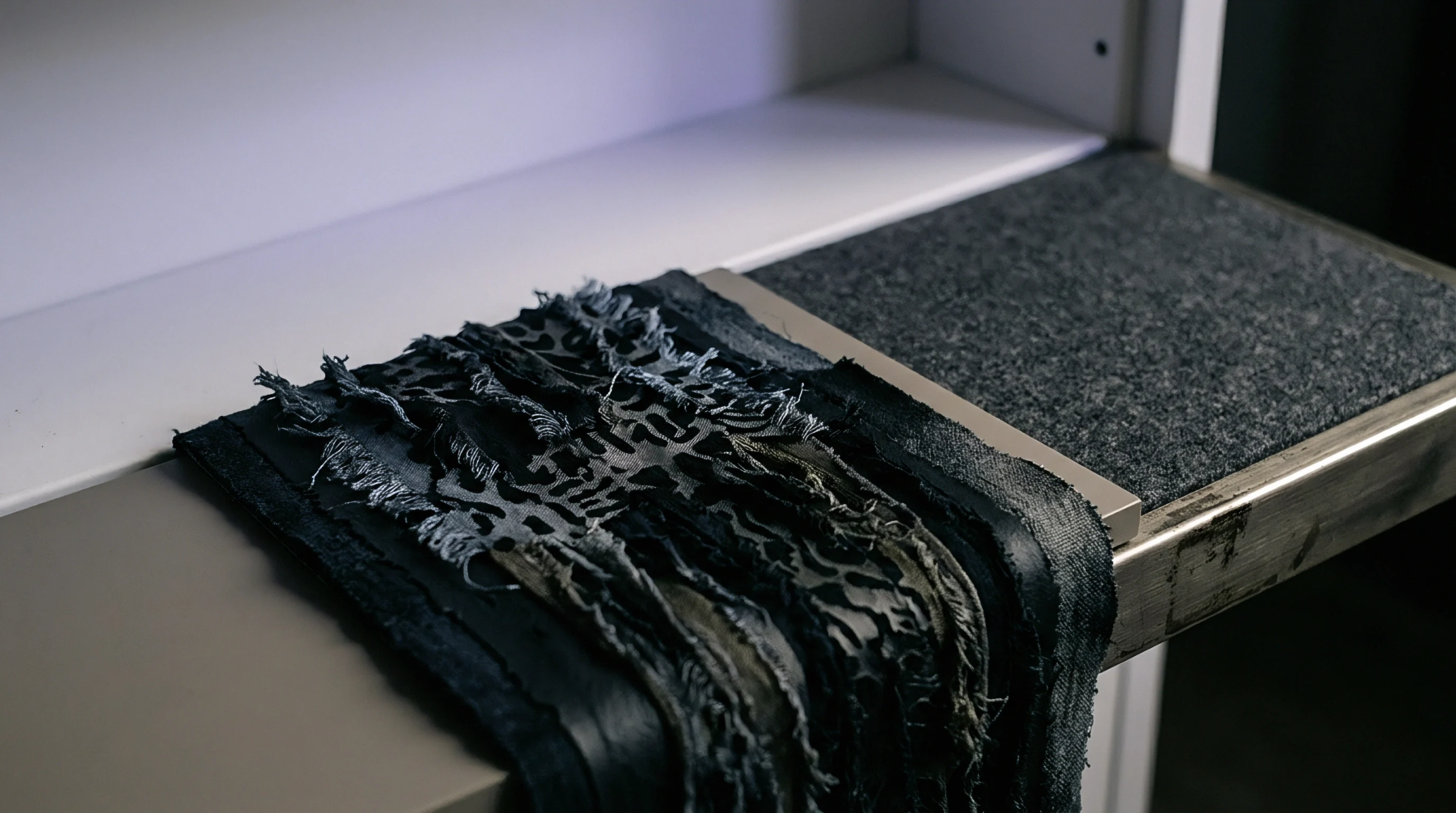
Precision control of interfacial evaporation in continuous pad dyeing requires matching mechanical dewatering with infrared pre-drying to eliminate dye migration.
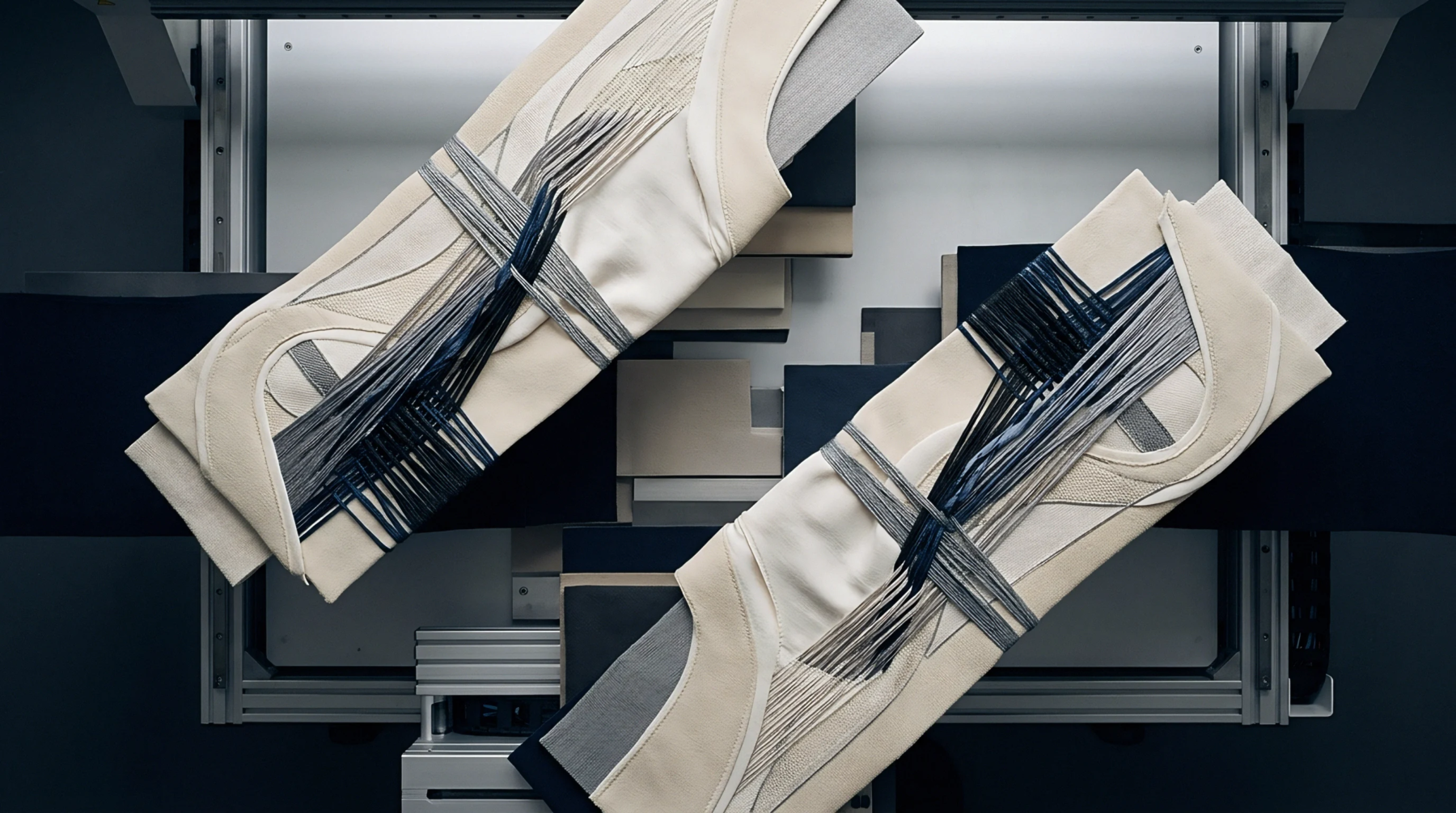
Calibrating continuous dyeing automated dosing systems requires gravimetric Coriolis flowmeters that pace mass delivery against wet pickup and fabric moisture.

Resolving real time thermochromic drift requires decoupling web heat from liquor mass using non-contact pyrometry and dynamic matrix spectral algorithms.
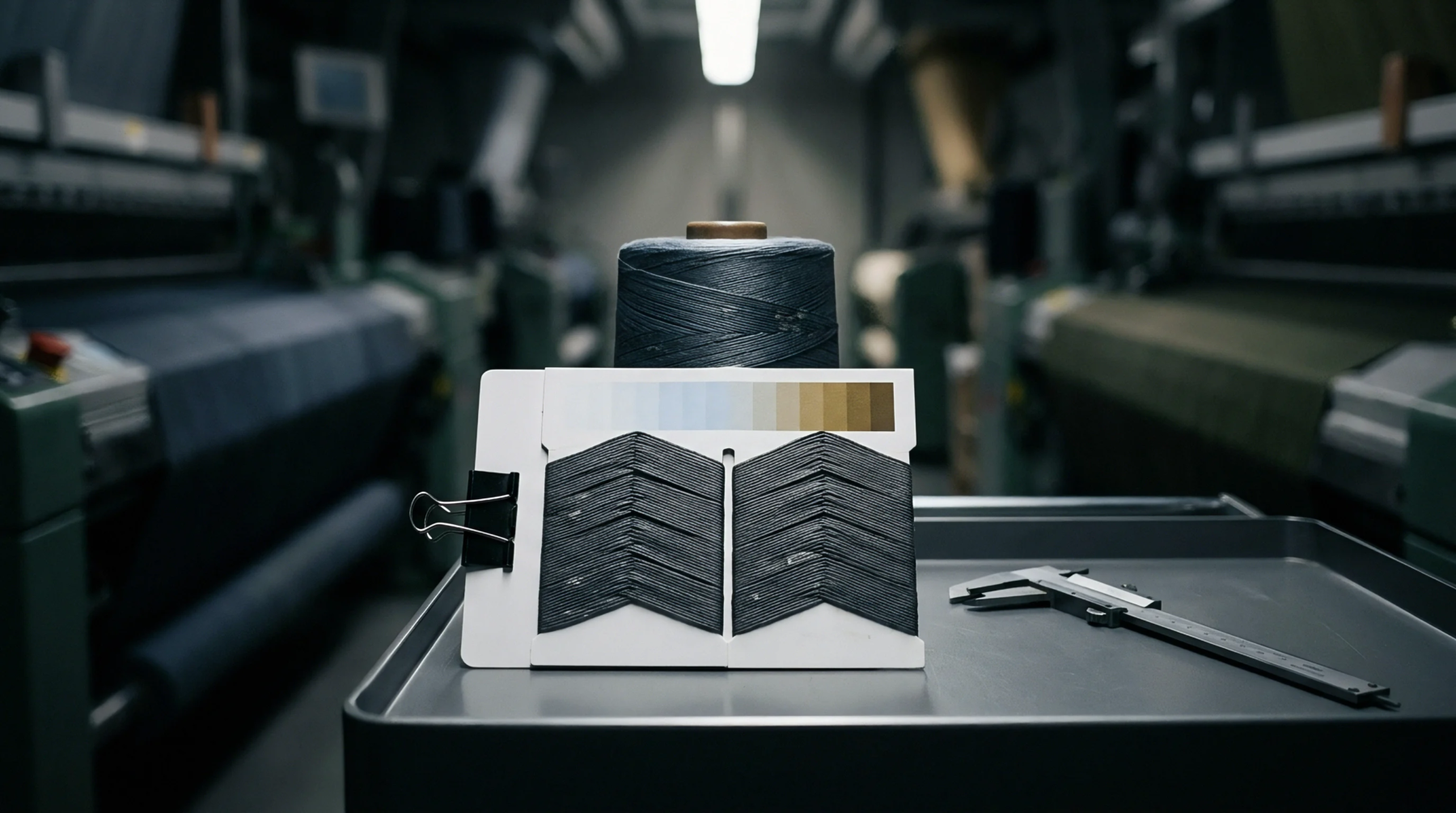
Transfer matrices map dynamic non-contact fabric radiance to conditioned benchtop reflectance, resolving thermal and mechanical shifts at production line speeds.
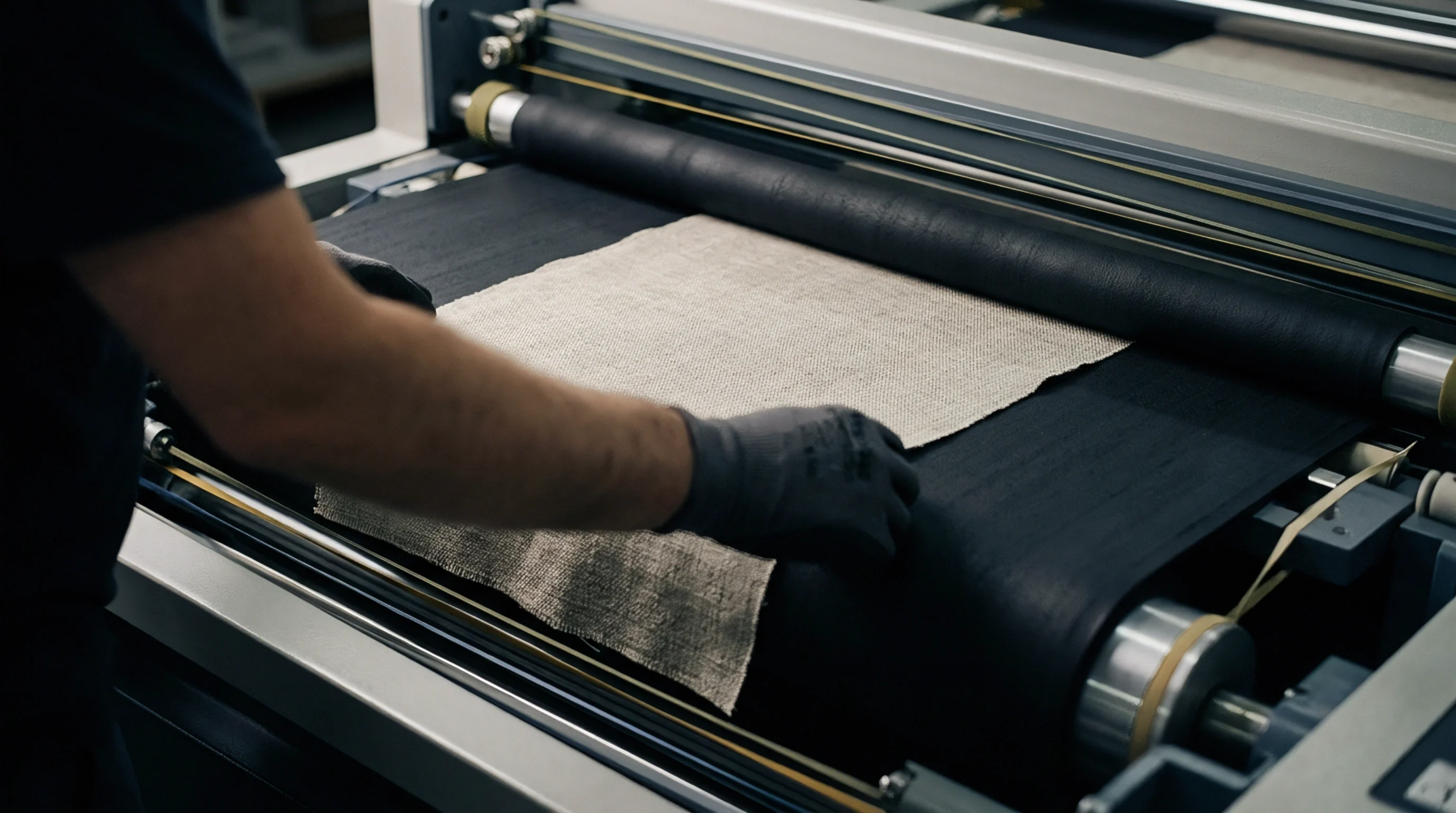
Lock multi-illuminant spectral tolerances and binder crosslinker dwell times into mill specifications to prevent metameric shade flare and wet crocking failures.

Mathematical alignment between screen and digital textile runs requires Kubelka-Munk spectral K/S matching and CIEDE2000 tolerance limits under dual illuminants.
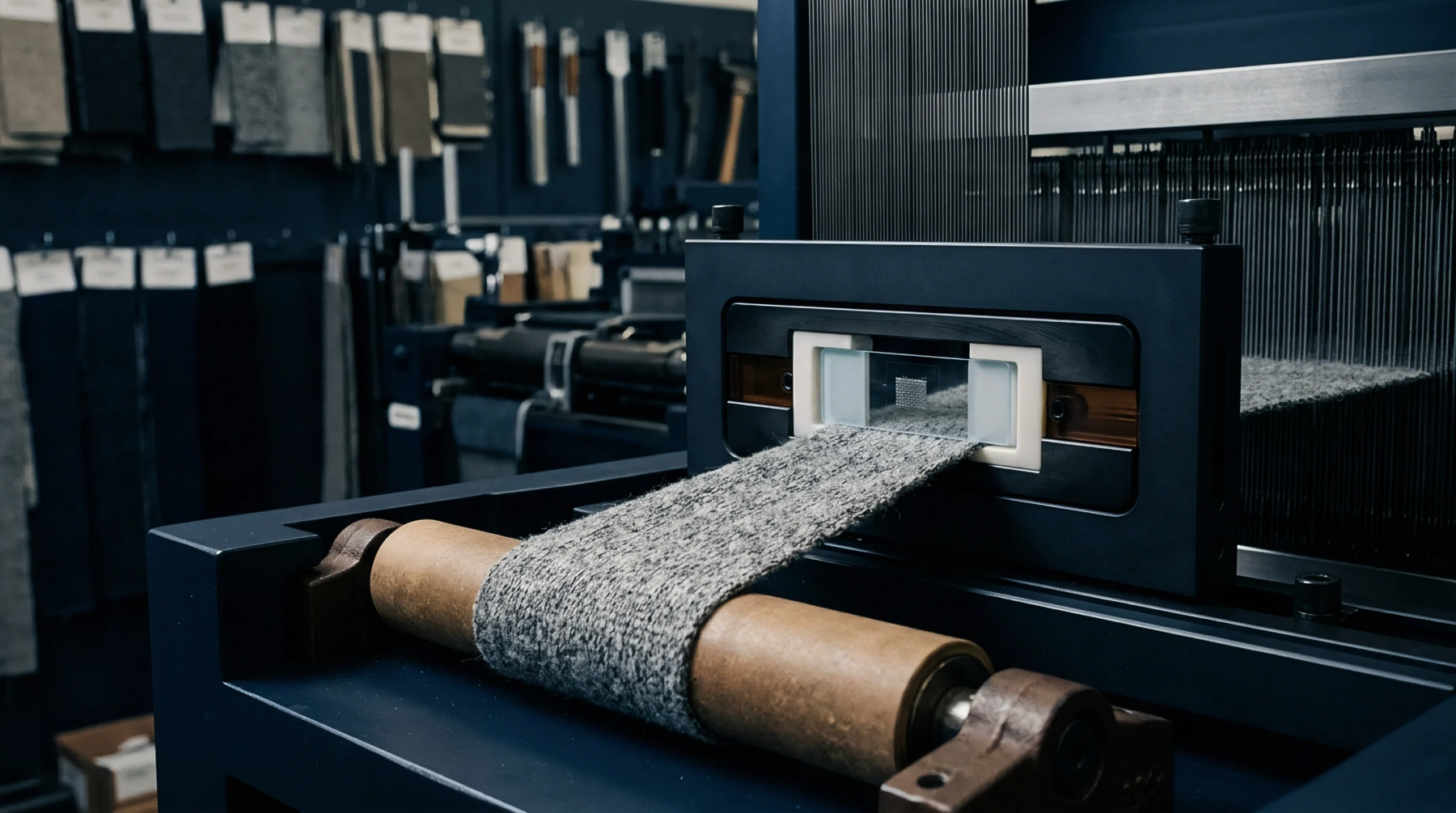
Calibrating inline spectral sensors against benchtop CIEDE2000 readings requires real-time moisture compensation matrices to correct optical water interference.
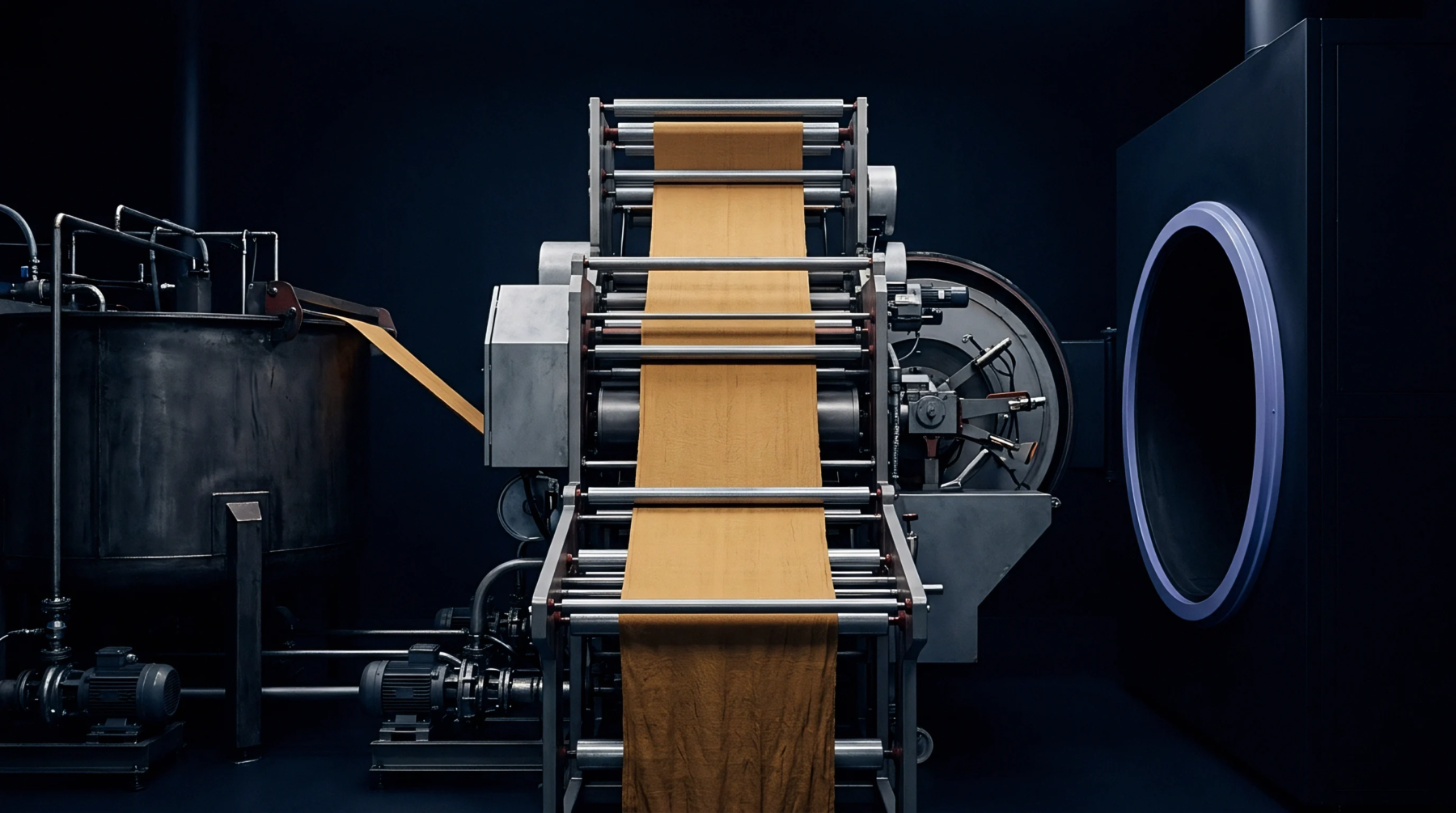
Dual route spectral tolerances control rotary print metamerism by setting narrow reflectance curve limits across daylight and store illuminants.

Align disperse and reactive dyestuff reflectance spectra across D65 and F11 illuminants to keep metamerism index below 0.50 CIEDE200 across trim assemblies.
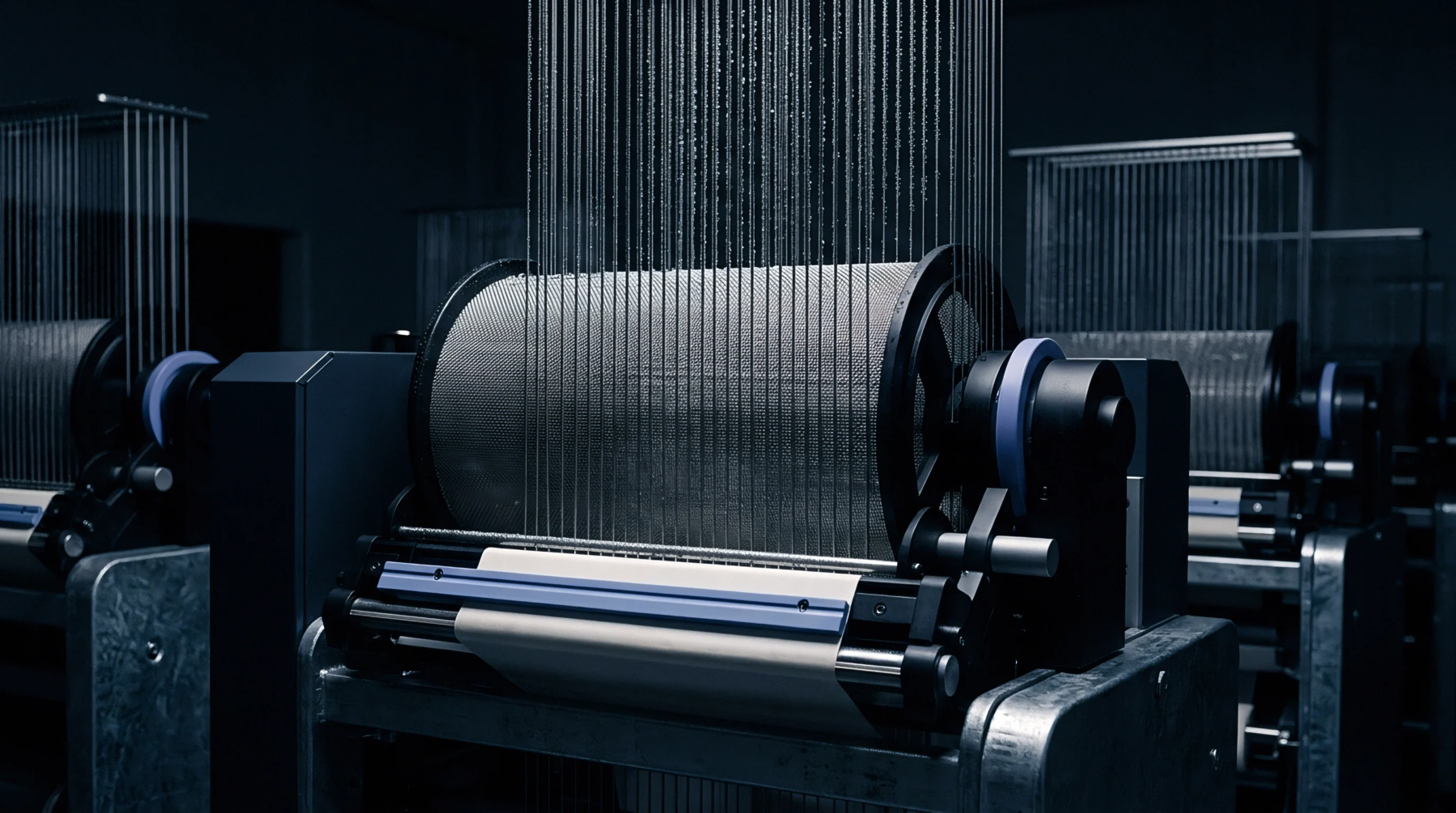
High warp cover limits dye liquor core penetration in continuous padding, requiring lower line speeds, specialized wetting agents, and calibrated IR drying.
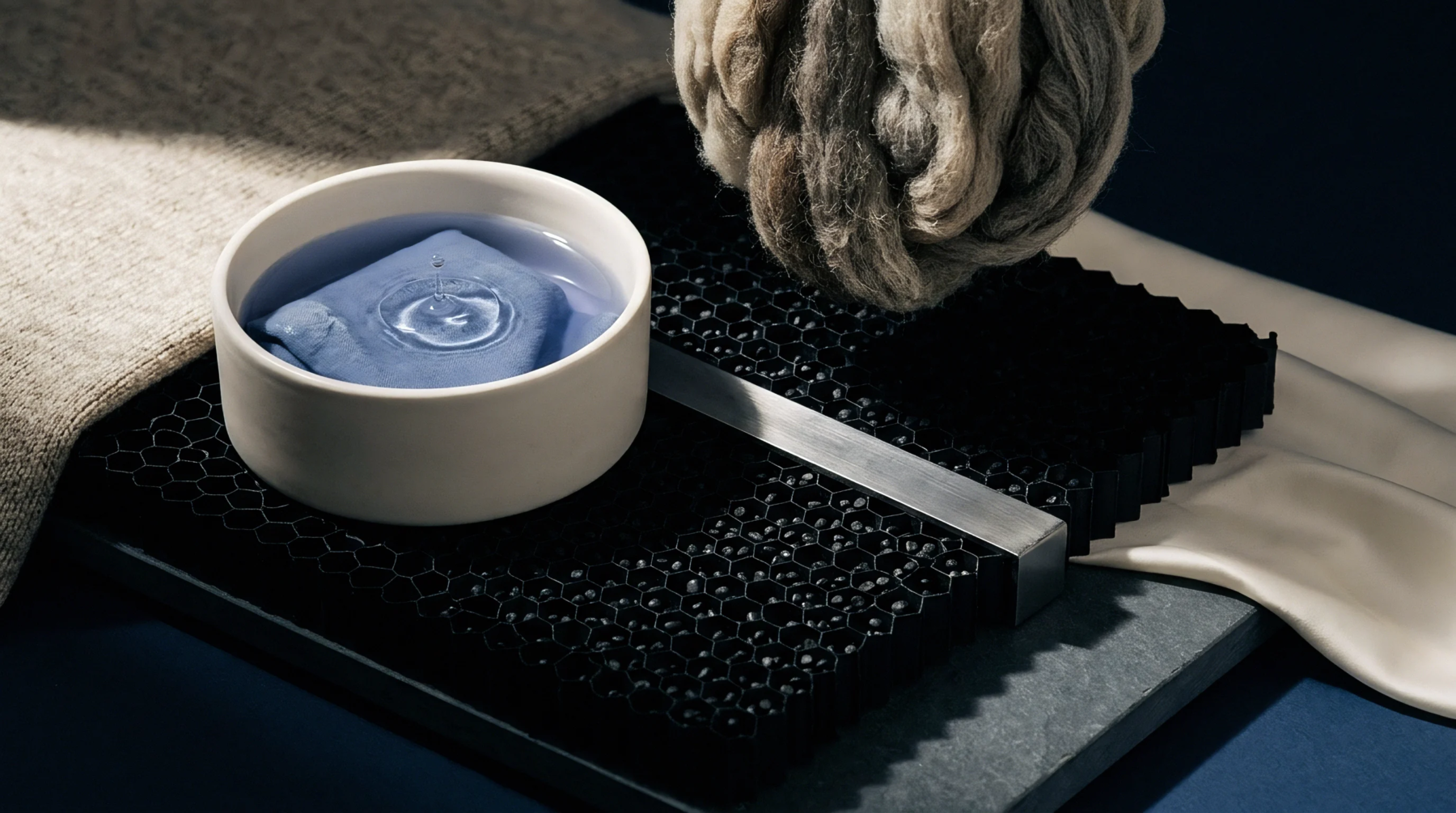
Sodium ion interference in high-salt reactive dyebaths introduces negative pH measurement bias, causing alkali overdosing and dye hydrolysis failures.
Package density variance over two percent triggers fluid channeling and core blinding during hydrophilic yarn swelling, requiring dynamic pump pressure limits.

Asymmetric particulate migration in heavy mercerized twill drops below CMC 0.4 Delta E when IR pre-drying reduces moisture content to 32 percent before air impingement.

Differential pressure balancing across multi tube soft flow dyeing machines prevents tube to tube shade variation and physical fabric surface abrasion.
Reverse return manifolds equalize hydraulic path length across all tubes, eliminating pressure differentials and ensuring uniform dye liquor turnover.

High warp sett in air jet weaving creates severe beat-up force spikes, requiring asymmetric shed geometry and optimized profile reeds to prevent structural yarn defects.

High cover factor cellulosic wovens require controlled alkali dosing and minimum 0.6 bar venturi differential pressure to prevent swelling-induced core un-dyed defects.
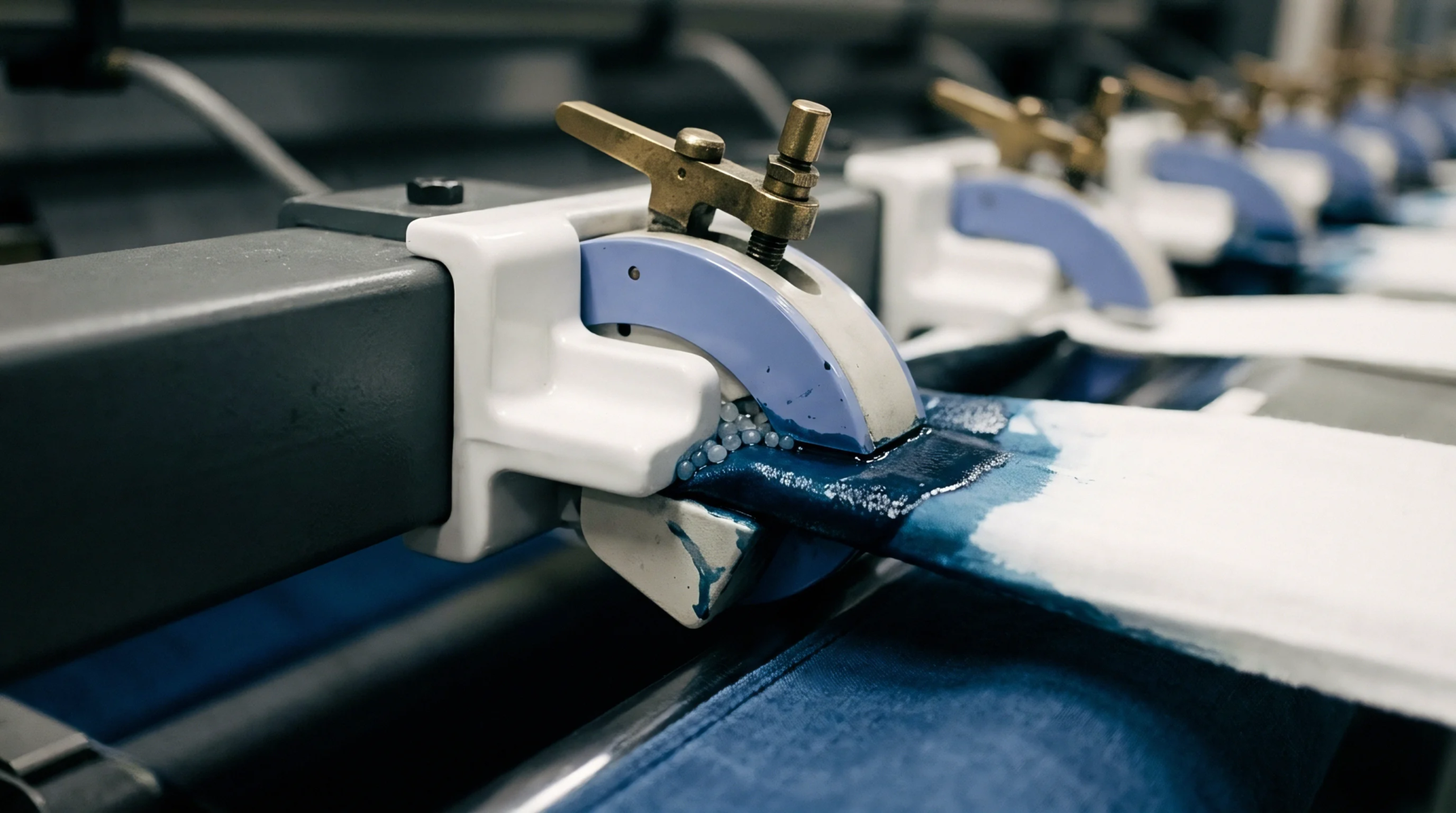
Inline resonant density sensors enable millisecond alkali metering adjustments in continuous dyeing, preventing costly reactive dye hydrolysis and batch shade drift.

Critical angle refractometry on reactive dye dosing lines demands near-infrared illumination and component specific calibration slopes to isolate dye solids from salt.
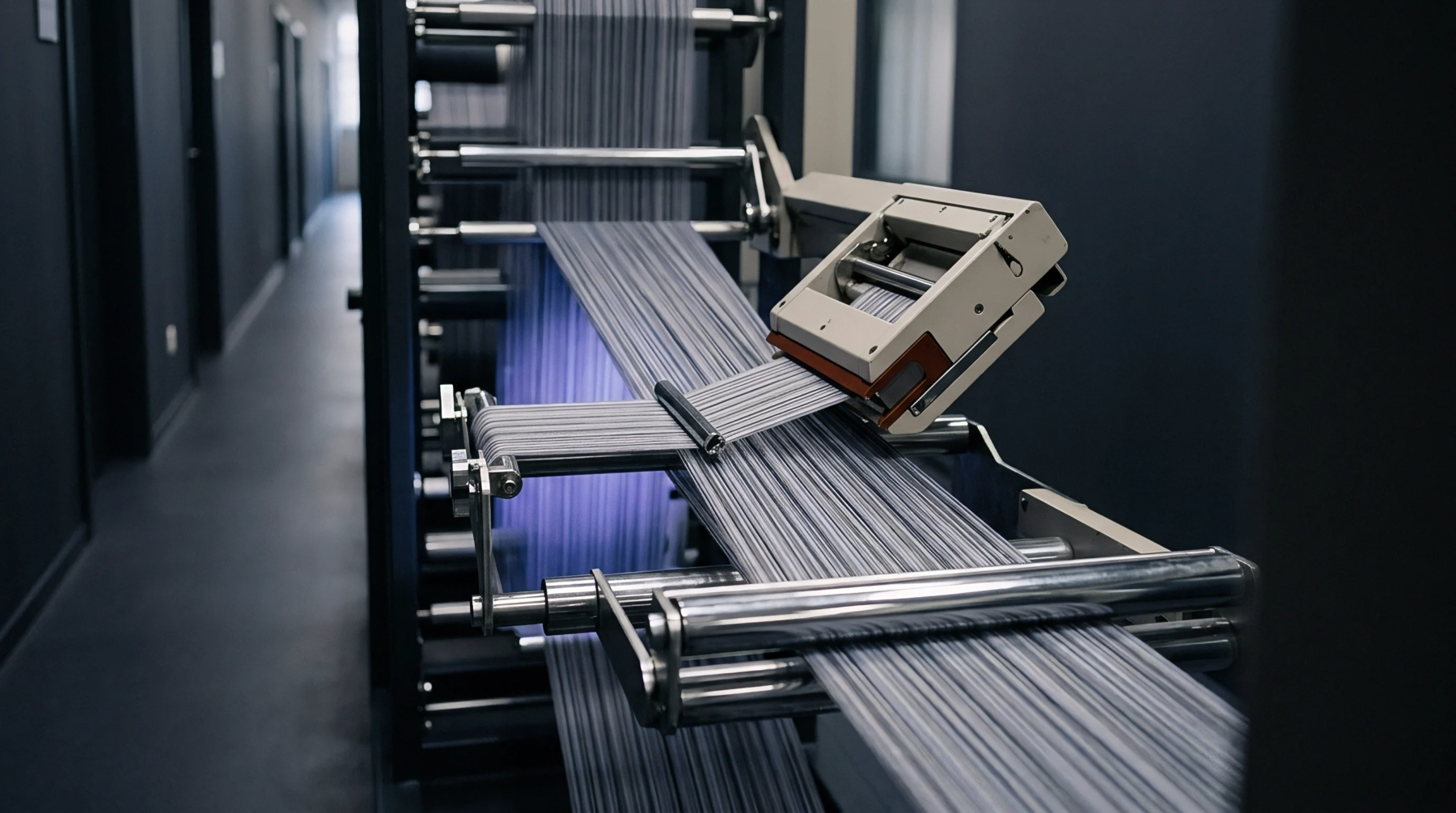
Caustic mercerization lowers dye activation energy to 38 kJ/mol, requiring precise salt ramps below 60 g/L to prevent core unlevelness in package dyeing.
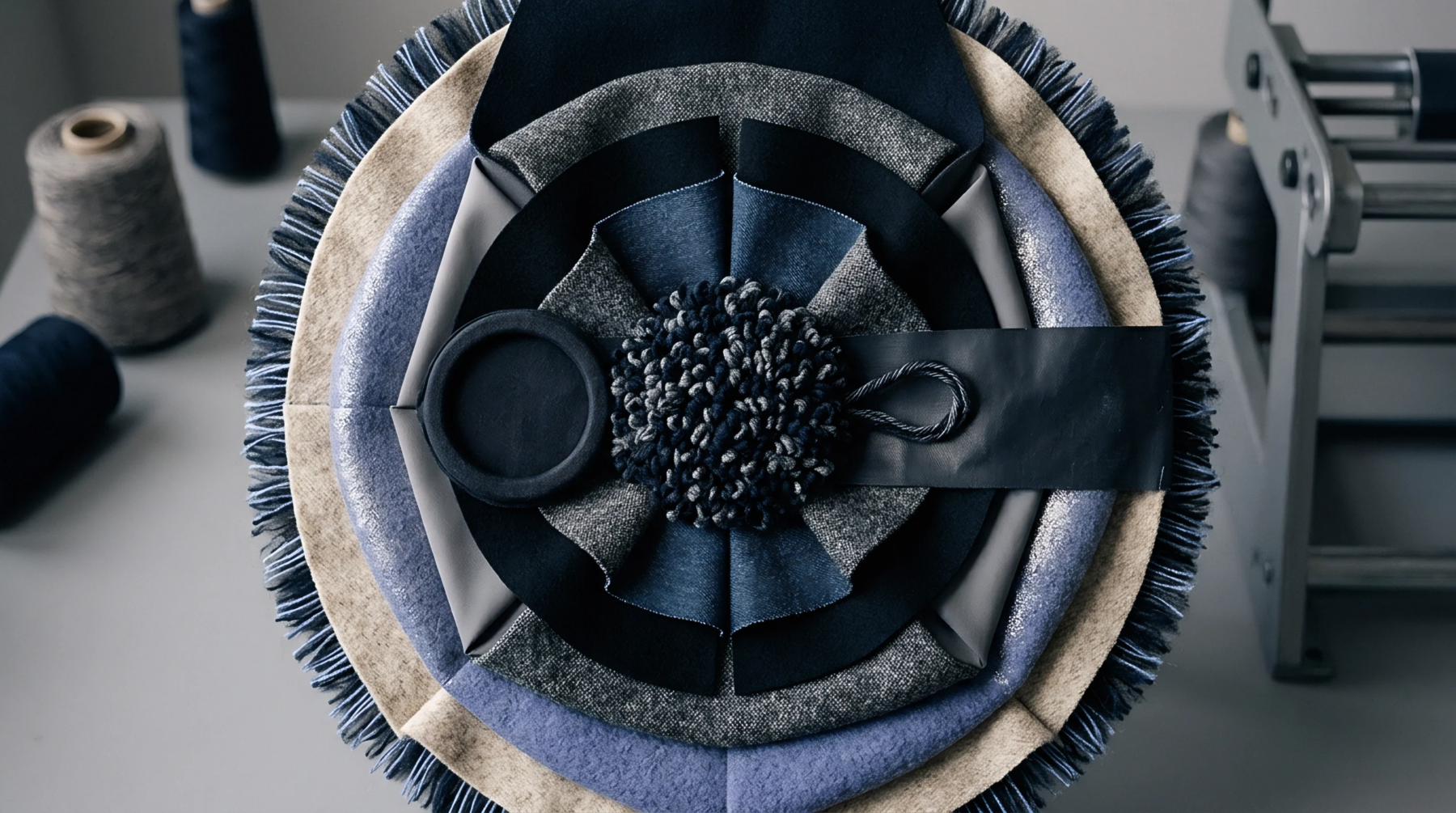
Multi-illuminant spectrophotometry prevents yarn-dyed metameric mismatch when CIEDE2000 parametric limits remain under zero point five across light sources.
Calibrate CIEDE2000 parametric weighting to 2:1:1 with d:8 SPIN rotational averaging to isolate true dye shifts from textured surface shadowing on woven goods.
Boundary layer thinning under high nozzle shear accelerates convective dye transport, requiring matched rope cycle speeds to prevent severe longitudinal listing.

Transitioning from continuous to batch wet processing trades uniform tension for fiber relaxation, increasing fabric density and lot variance below 4,000 meters.
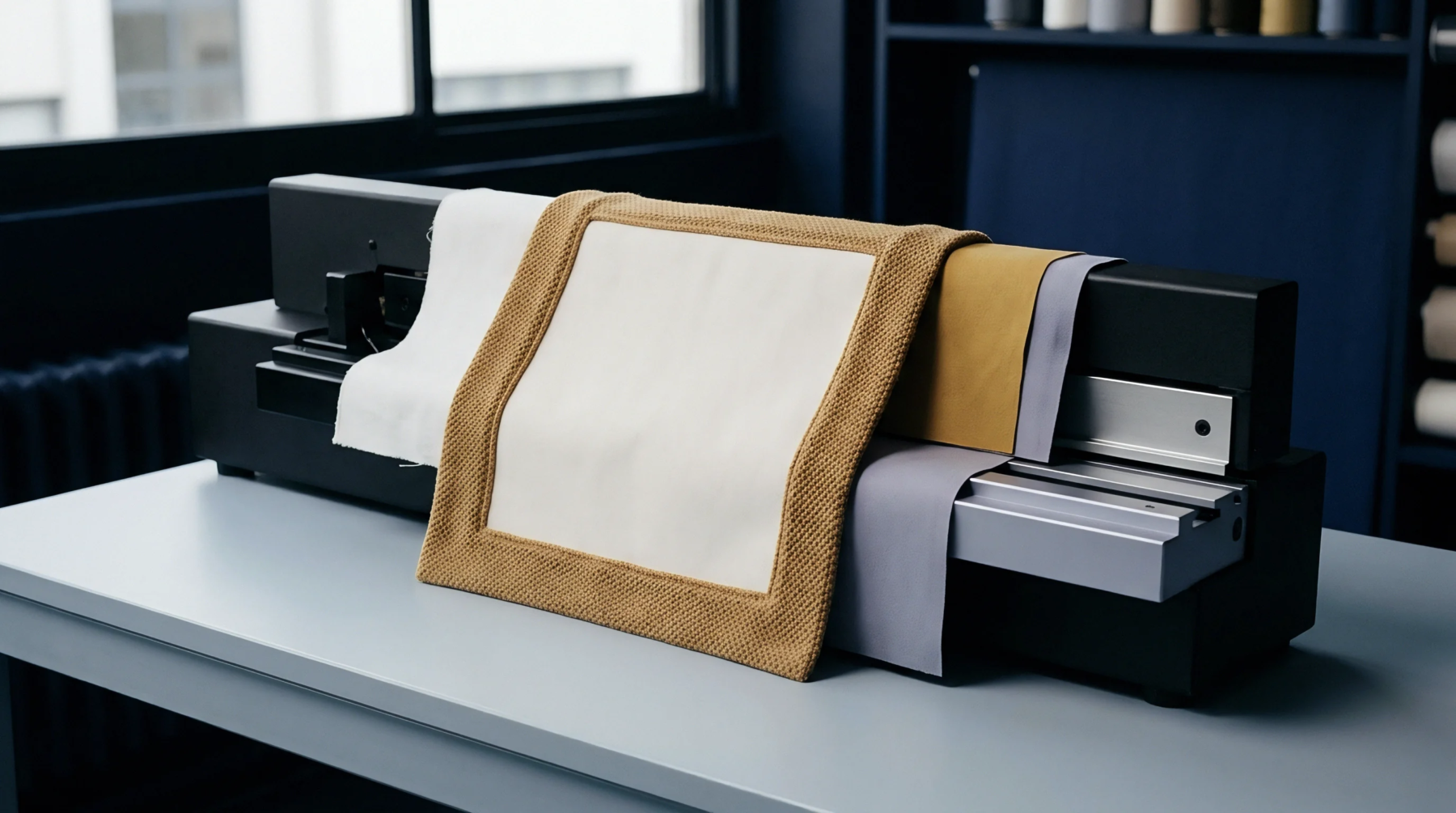
Asymmetrical parametric weighting vectors correct for specular glare in high-sheen weaves, preventing false batch rejections and costly dyehouse re-dye cycles.
Digital shade clearance across disconnected dyehouses requires matched optical geometries, traceable BCRA ceramic tile calibration, and strict ISO conditioning.

Jacketing troughs at twenty degrees Celsius and balancing roll nip deflection prevent reactive dye hydrolysis and side-to-center shade listing in pad batch runs.
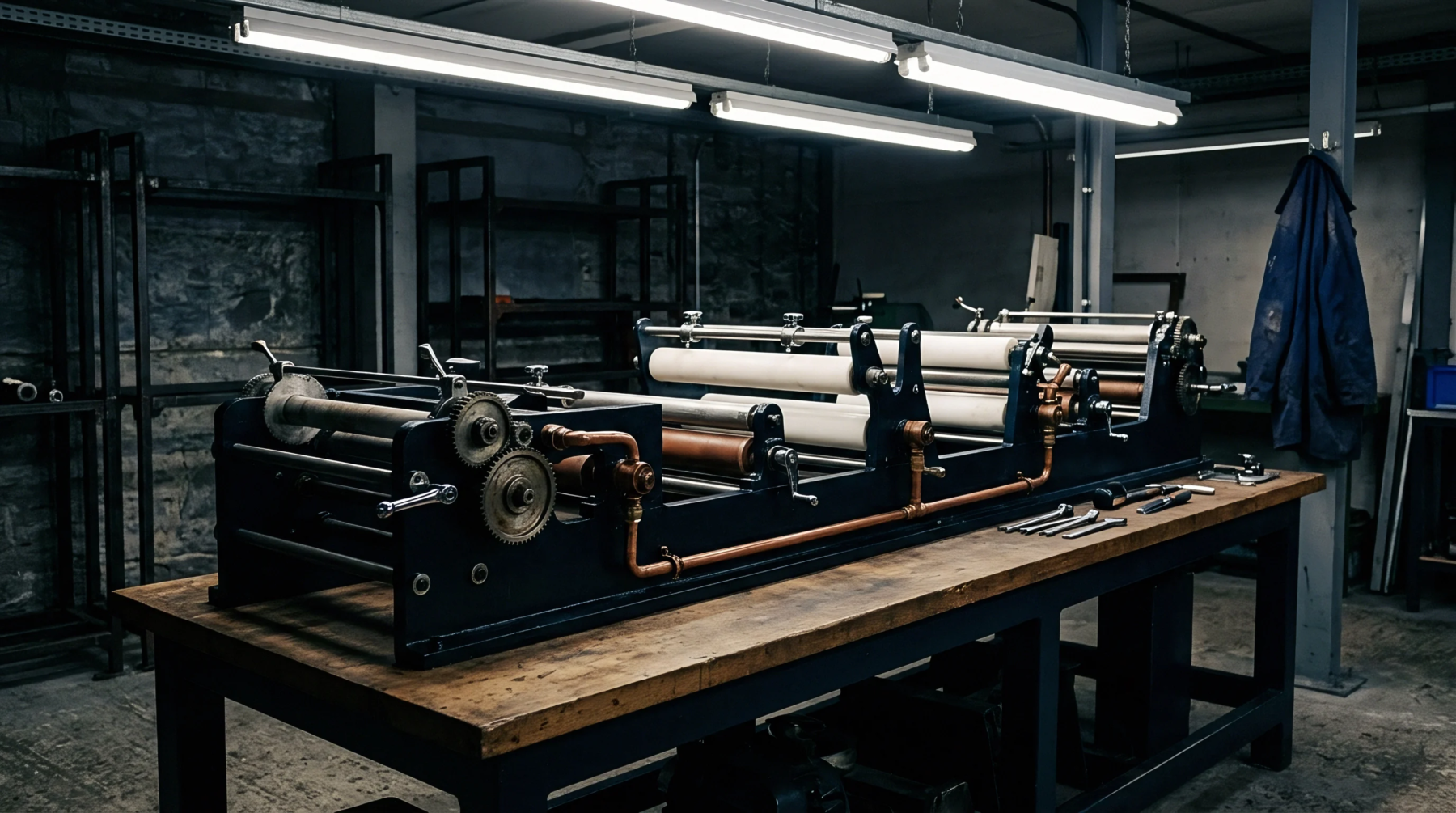
Controlling twill padding liquor absorption requires matching rapid-decay wetting chemistry with deflection-compensated squeeze rolls to displace core yarn air.

Commission textile contracts balance property risks and finishing specifications by linking bailed greige inventories directly to standardized lab test tolerances.
Expertise is a utility, not a secret. sentiention™ publishes its working knowledge as open reference: intelligence layer covering the materials it sources, the markets it enters, and the reference that serves both.