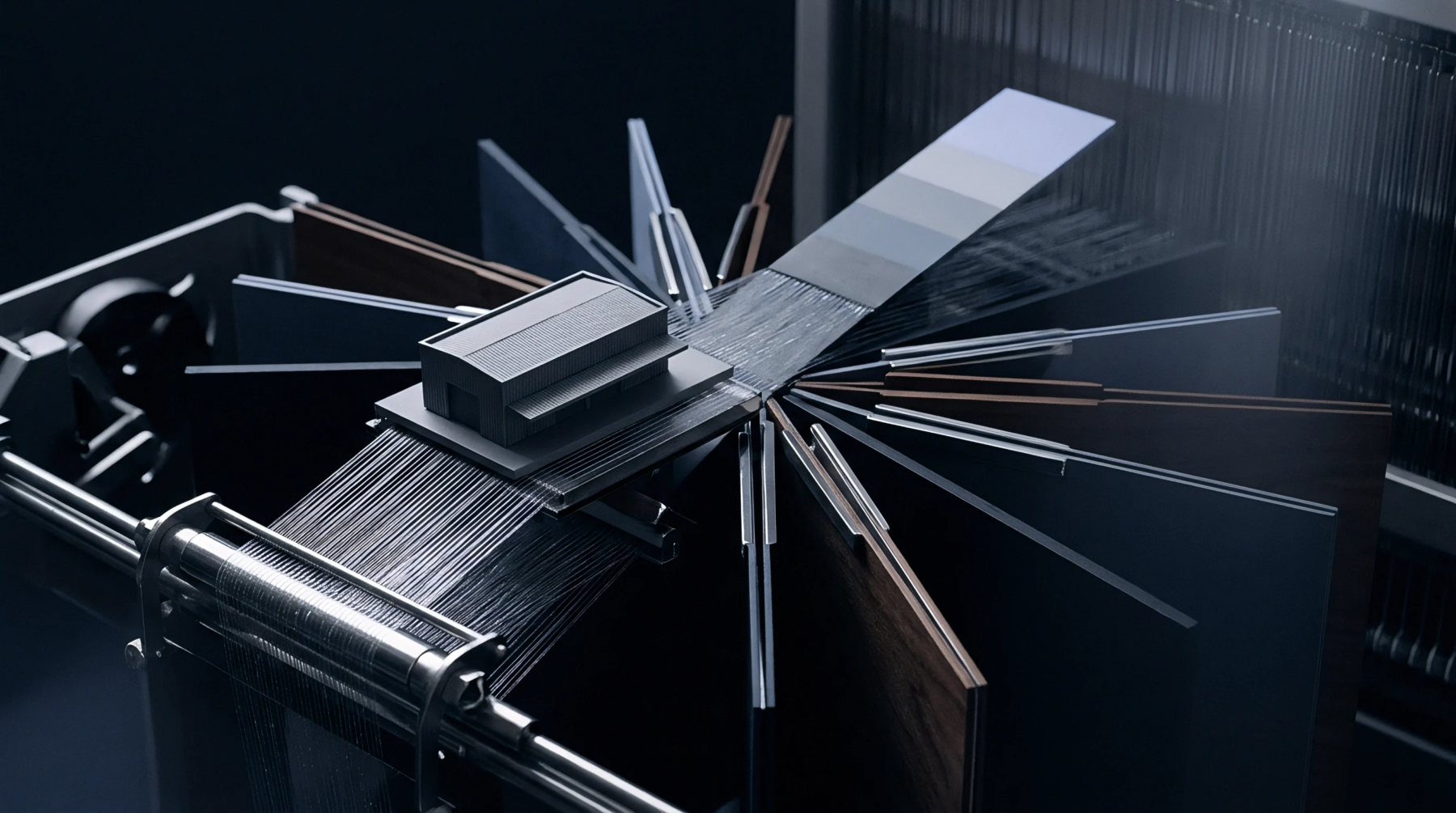
Warp and Weft Crimp Exchange Mechanics in High Density Weaving
Warp and weft crimp exchange in high-density weaving shifts structural waviness across processing, dictating finished sett, shrinkage, and air permeability.
Warp and weft crimp exchange in high-density weaving shifts structural waviness across processing, dictating finished sett, shrinkage, and air permeability.
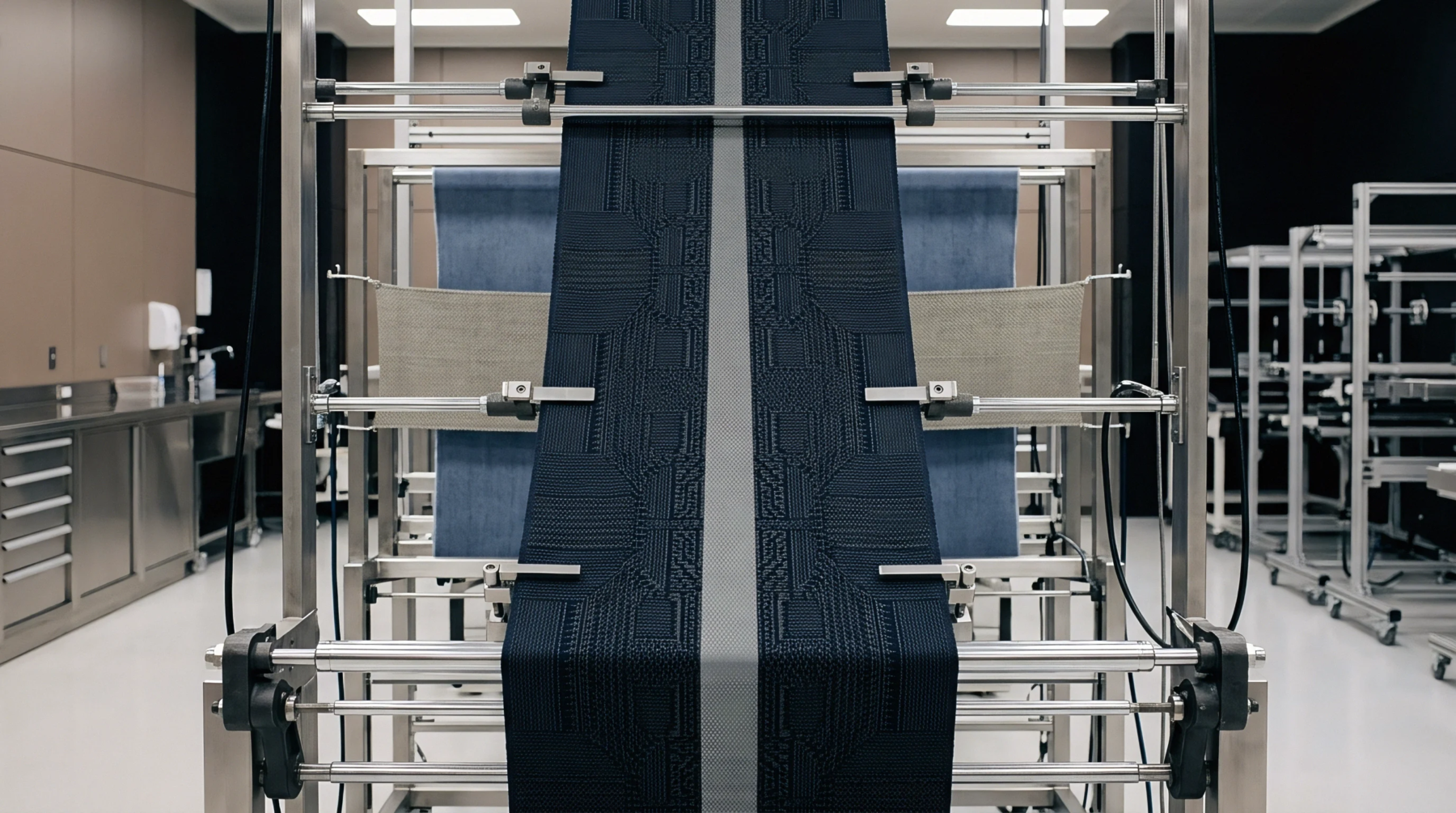
Predicting dynamic warp tension in asymmetric shedding requires combining geometric shaft extension formulas with non-linear yarn elastic modulus calculations.
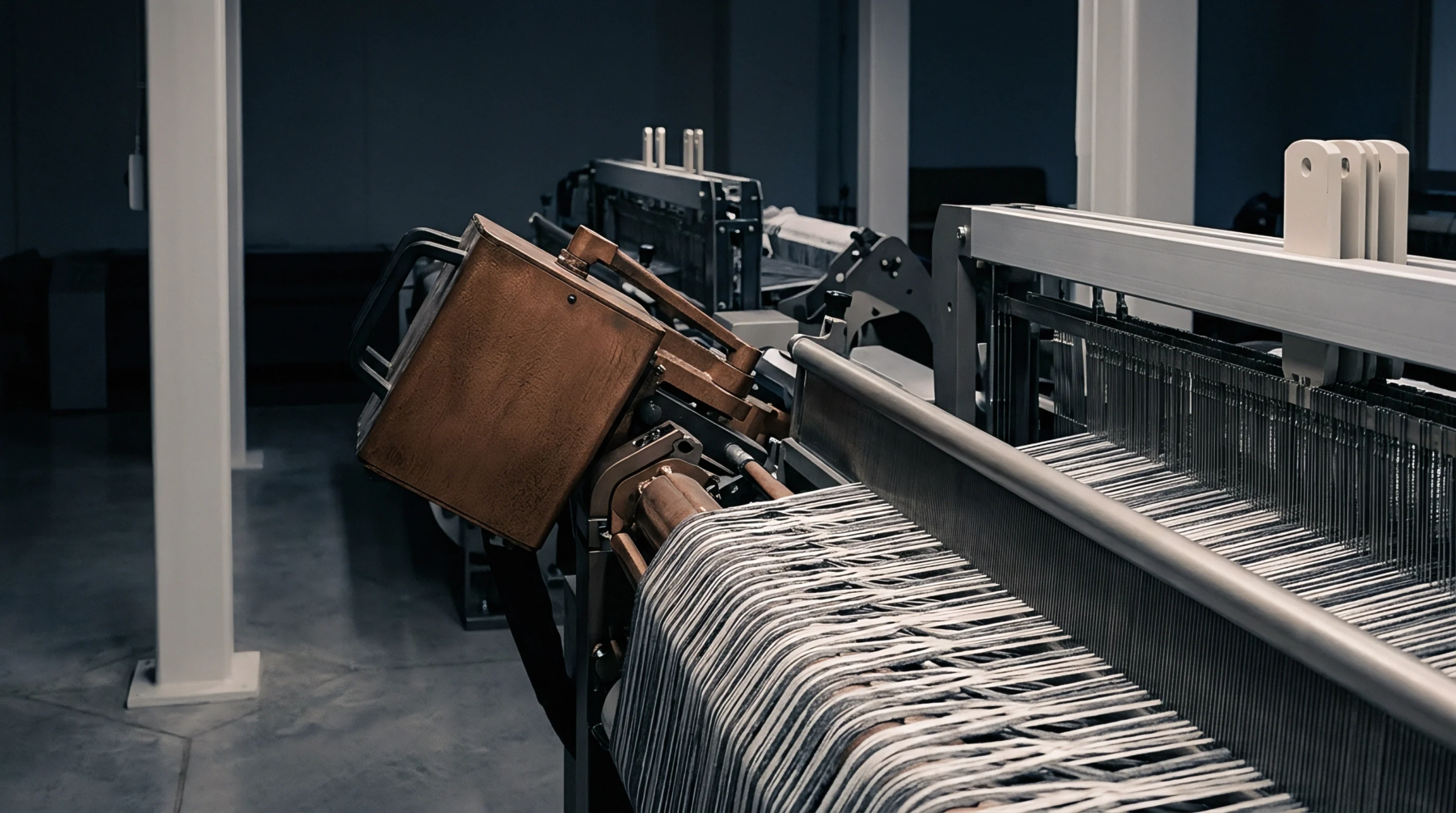
Woven yarn crimp mechanics derive from interlace curvature, where loom tension and yarn bending stiffness govern structural equilibrium and finished fabric width.

Determining loom reed denting plans for high-density weaves requires balancing target ends per centimetre against open air space ratio to prevent beat-up binding.
High warp cover factors drastically spike air jet loom beat-up forces, requiring optimized size films and asymmetric shed timing to prevent stop marks and yarn damage.
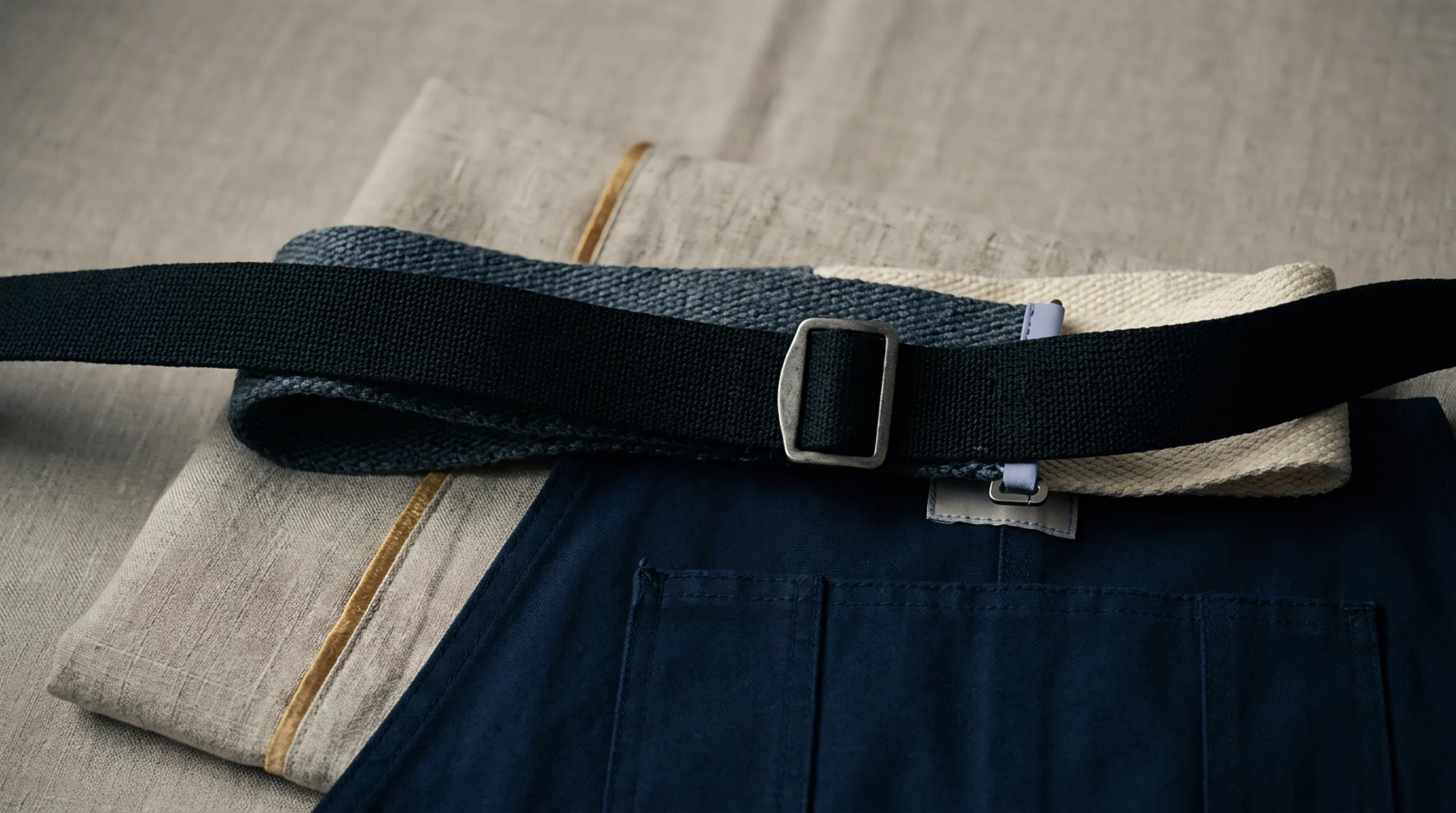
65/35 poly-cotton workwear performance relies on ring twist multipliers near 4.4 and early shed timing to maximize warp cover factor without pilling failure.

Sett and cover factor define structural thread packing; maintaining high pick density and tight fractional cover locks yarn crowns to maximize abrasion life.
Expertise is a utility, not a secret. sentiention™ publishes its working knowledge as open reference: intelligence layer covering the materials it sources, the markets it enters, and the reference that serves both.