Uniformity Limit
Quality specifications define acceptable colorimetric variation between different geometric locations across a single dyed fabric piece or yarn package. Commercial dyehouses and apparel brands contractually enforce this spatial consistency criterion as levelness shade tolerance, preventing visible banding or listing in garment assembly. The standard establishes strict numerical limits on color differences measured across fabric width from selvedge to centre, as well as along the running length from head to tail.
Unlike lot-to-standard shade tolerances that assess batch accuracy, spatial tolerance targets internal batch uniformity. Inspection protocols reject yardage exhibiting perceptible color gradients.
Spatial Variation
Mechanical and chemical gradients during wet processing induce perceptible color differences across textile yardage. Fabric lots breach the specified levelness shade tolerance when temperature differentials across stenter frames or inconsistent liquor circulation rates create localized dye absorption variations. In beam dyeing, tightly wound selvages experience lower liquor flow rates, producing side-to-side shading faults known commercially as listing.
Package dyed yarn cones exhibit inner-to-outer shade variations when dye strikes prematurely on external yarn layers. Garment makers cutting panels across uneven yardage face mismatched seams in finished shirts and trousers. Strict tolerances force mills to optimize liquor flow reversals and migration phases.
Verification Methodology
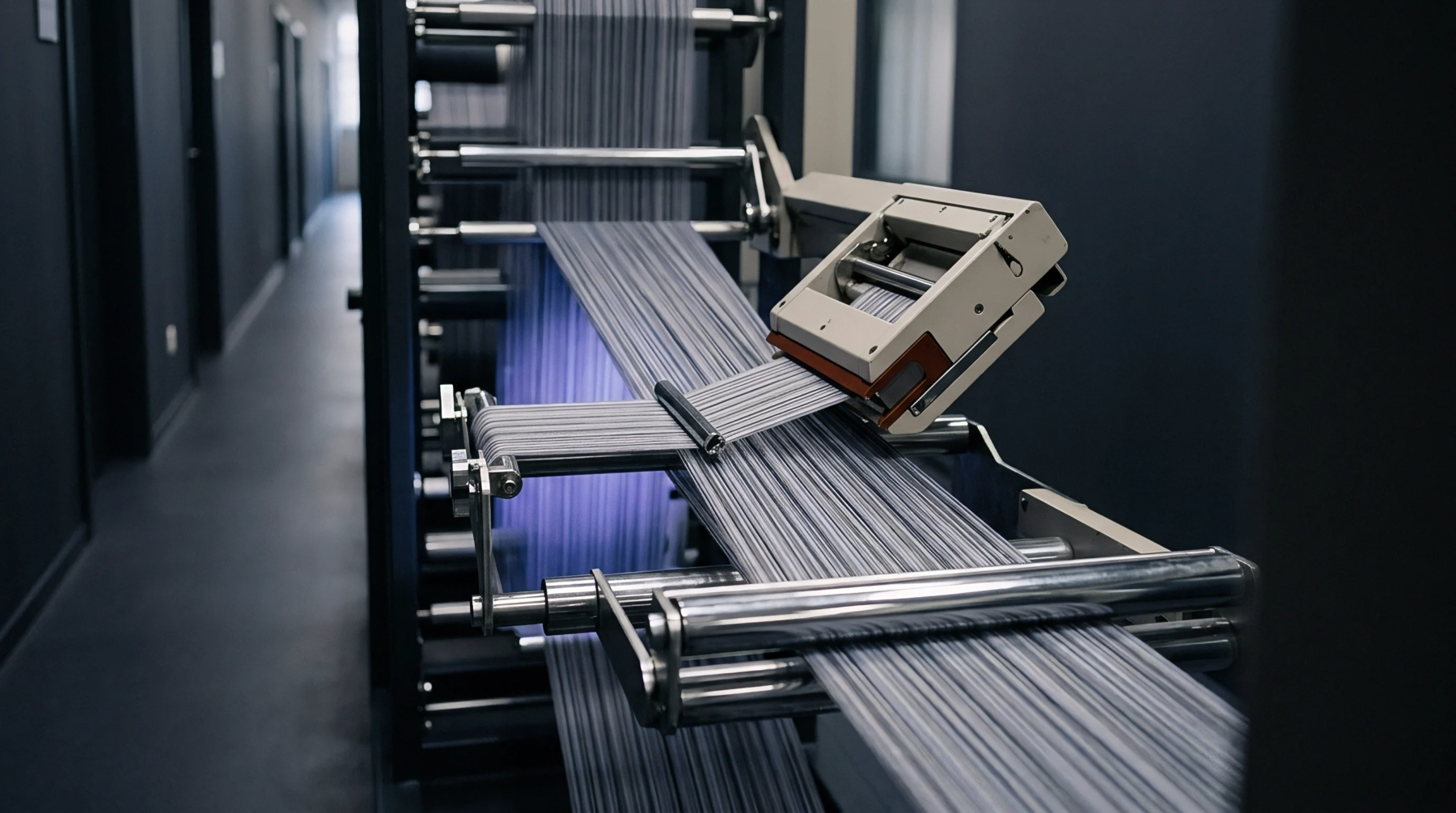
Objective verification requires spectrophotometric measurements across a predefined geometric sampling grid. Assessing conformity to levelness shade tolerance involves measuring spectral reflectance at designated intervals, such as selvedge-to-centre transects on every rolled bolt or top-middle-bottom samples from dyed yarn spindles. Spectrophotometers calculate color differences using CMC or CIE2000 equations under standardized Illuminant D65 and 10-degree observer conditions.
Acceptable intra-batch variation typically caps total Delta E at 0.5 to 0.8 units, whereas less critical secondary components permit slightly higher thresholds. Automated spectrophotometers mounted directly on inspection frames scan continuous running webs to detect shade drift in real time. Digital shade sorting programs group cut panels into tightly clustered tolerance bands, preventing operators from stitching adjacent panels that display discernible tonal offsets.
Quality audit documentation logs spatial variance before warehouse release.
Acceptance Threshold
Substrate texture and surface luster define the physical limits where numerical color differences become visually noticeable to human inspectors. A rigid levelness shade tolerance of 0.6 Delta E units on a flat continuous filament polyester satin appears visually obvious to observers, whereas the identical numerical variance on a textured wool crepe remains undetectable. Surface roughness scatters reflected light, masking minor spatial color fluctuations.
Acceptability criteria must align with the optical reflectance behaviour of the specific fabric structure.