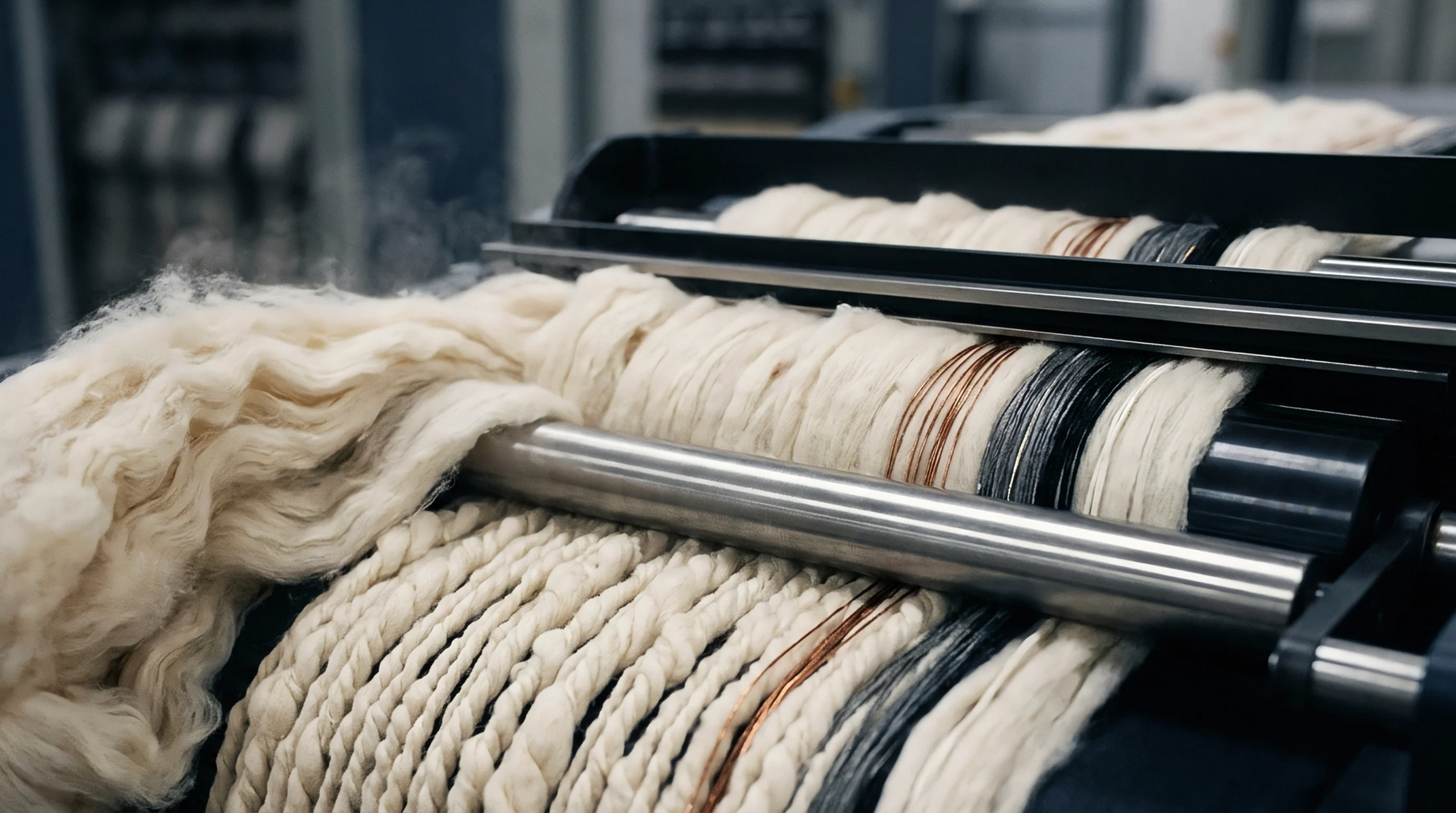
Statistical Acceptance Sampling for Insect Honeydew in Cotton Spinning
Acceptance sampling for cotton honeydew requires negative binomial statistical modeling and thermomechanical spot counts to control spatial clustering risks.
Acceptance sampling for cotton honeydew requires negative binomial statistical modeling and thermomechanical spot counts to control spatial clustering risks.

Determining viscose wool dry mass ratios through ISO 1833 requires selective chemical dissolution, reagent mass correction, and commercial regain adjustments.
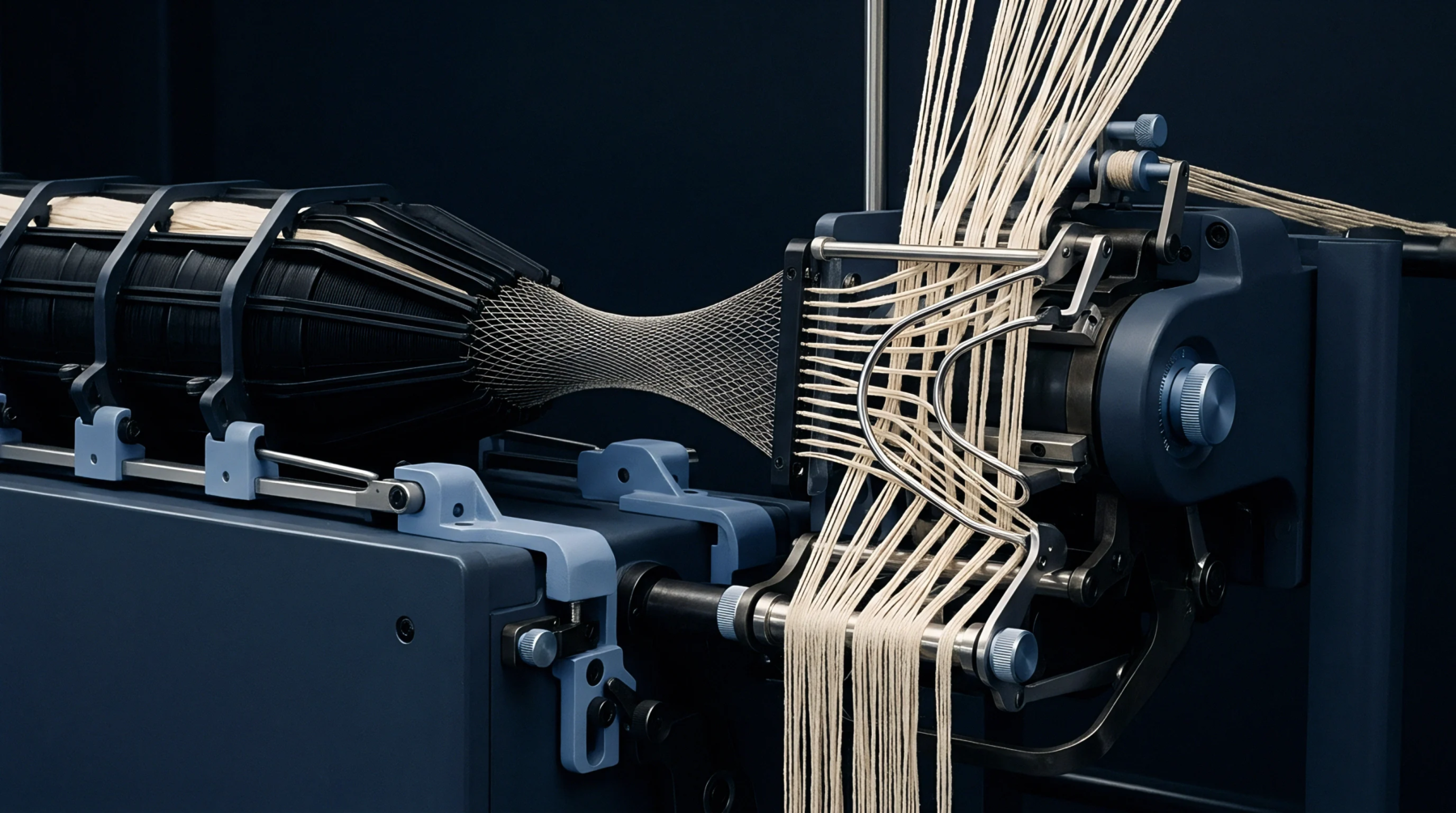
Standard core sampling extracts representative full-depth fibers across compressed bales to verify moisture, micronaire, and net scoured commercial mass.

Standardizing instrument geometry, sample conditioning, and CIEDE2000 mathematical parameters establishes repeatable spectrophotometric shade clearance in bulk dyeing.

Resolving cashmere diameter discrepancies requires specifying IWTO test methods, conditioning samples under ISO 139, and contracting binding referee arbitration.

Removing non-fibrous finish via standard solvent extraction before chemical separation ensures accurate clean dry fiber mass and correct customs tariff classification.
Expertise is a utility, not a secret. sentiention™ publishes its working knowledge as open reference: intelligence layer covering the materials it sources, the markets it enters, and the reference that serves both.