Sugar Marker
Specific disaccharide found in the sticky secretions of certain insects indicates the presence of sugar contamination on cotton fibers that can cause processing failures. Trehalulose is a unique chemical compound produced by the silverleaf whitefly and some species of aphids as they feed on the cotton plant. This sugar is much stickier than the natural sugars found in the cotton fiber itself, making it a primary cause of machine buildup in the mill.
The presence of this substance is a clear sign that the raw cotton was harvested from an infested field. A high level of trehalulose in a cotton sample is a warning of potential difficulties during carding and spinning.
Sticky Residue
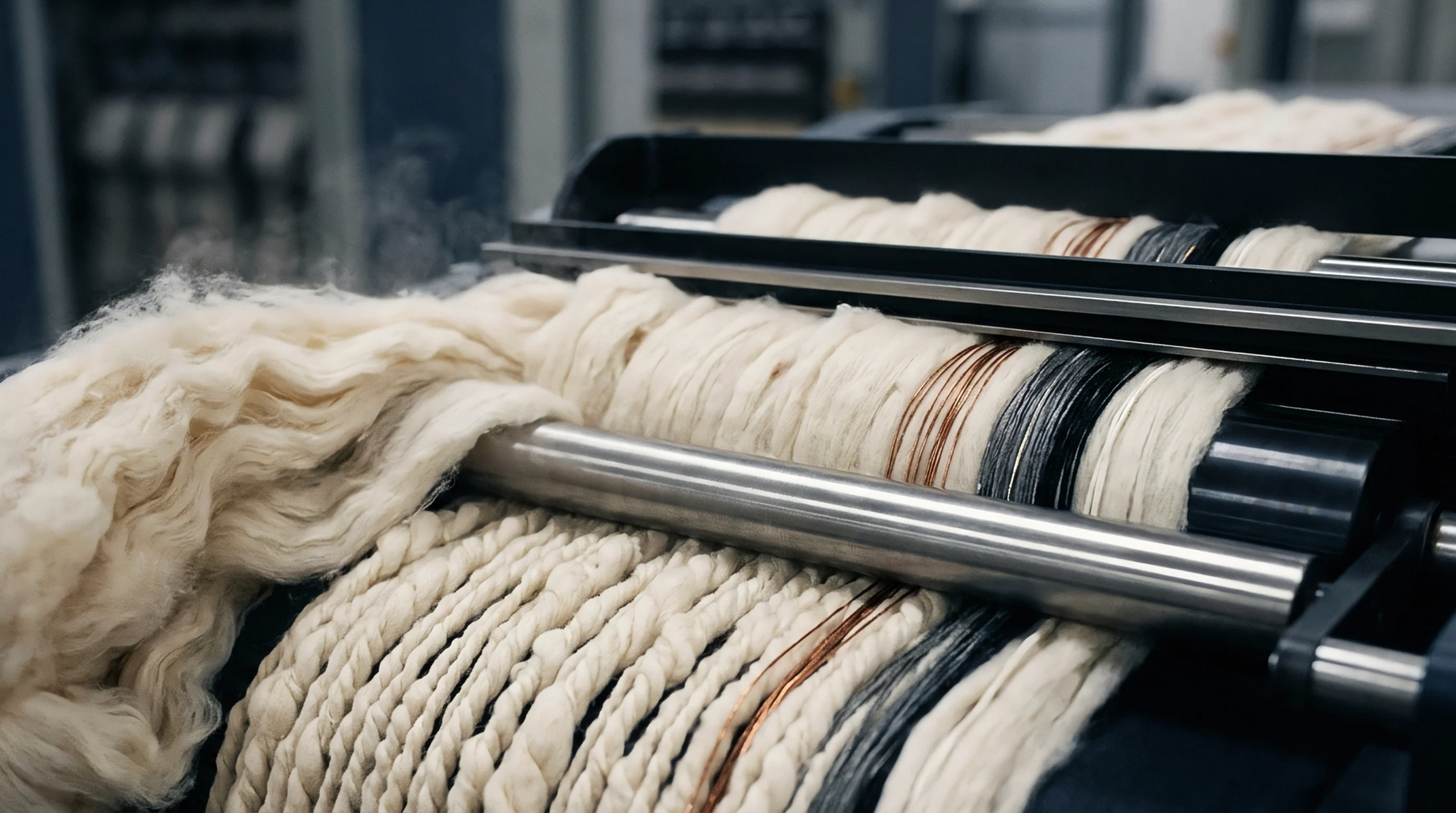
Physical properties of this sugar make it particularly troublesome for the high speed rollers and the drafting systems of a modern mill. Trehalulose has a low glass transition temperature, which means it becomes soft and sticky at the temperatures normally found in the spinning room. As the contaminated fibers pass through the machinery, the sugar melts and adheres to the metal and rubber surfaces.
This buildup creates friction and causes the fibers to wrap around the rollers, leading to yarn breaks and production delays. Unlike other sugars, this disaccharide is also hygroscopic, meaning it absorbs moisture from the air and becomes even stickier in high humidity. Operators must clean the affected parts frequently with specialized solvents to keep the machines running.
If the contamination is not managed, it can lead to a complete shutdown of the production line. The stickiness also affects the quality of the yarn by causing thick places and surface irregularities. Quality control labs use high performance liquid chromatography to detect the exact amount of trehalulose in a cotton lot.
This test allows the mill to categorize the cotton by its stickiness level and to adjust the blending strategy accordingly. Mixing a small amount of sticky cotton with a large amount of clean fiber is a common way to reduce the impact on the mill.
Testing Method
Accurate identification of this sugar is necessary for distinguishing between natural plant sugars and insect contamination. Trehalulose is the most common sugar found in whitefly honeydew and serves as a reliable marker for this type of stickiness. The thermodetector test and the chemical titration method are also used to provide a quick assessment of the contamination in a ginning or mill environment.
Mill Outcome
Economic impact of this contamination includes lower yarn quality and increased operational costs for the spinning facility. Trehalulose contamination reduces the commercial value of the cotton and can lead to significant price discounts in the global market. Manufacturers must balance the cost of the raw material against the risk of production failures when buying cotton from regions known for insect pressure.
Maintaining a low humidity in the mill and using anti-stick sprays are two common ways to mitigate the effects of the sugar. Consistent monitoring of the fiber quality ensures that the finished yarn meets the standards for strength and uniformity. The data from sugar testing is a vital part of the procurement process for any high quality spinning operation.