
Determining Commercial Regain Allowances in Raw Cotton Invoicing
Commercial regain allowance calculations adjust raw cotton invoice weights by converting oven-dry fiber mass to standard commercial weight at 8.5 percent regain.
Commercial regain allowance calculations adjust raw cotton invoice weights by converting oven-dry fiber mass to standard commercial weight at 8.5 percent regain.

Adjust invoiced cotton mass by converting net scale weight to oven-dry mass and applying the standard 8.5 percent regain factor under ISO 6741 standards.

High Volume Instrument calibration tolerances require strict ISO 139 atmospheric control and CSITC bias evaluation to prevent costly lint misvaluation claims.

Statistical acceptance sampling uses ISO 3951-1 variables plans on conditioned HVI metrics to lower sample sizes and catch off-spec raw cotton lots.

Calibrate differential carding waste extraction through dynamic mass balances to protect staple length distribution and minimize yarn cost per kilogram.
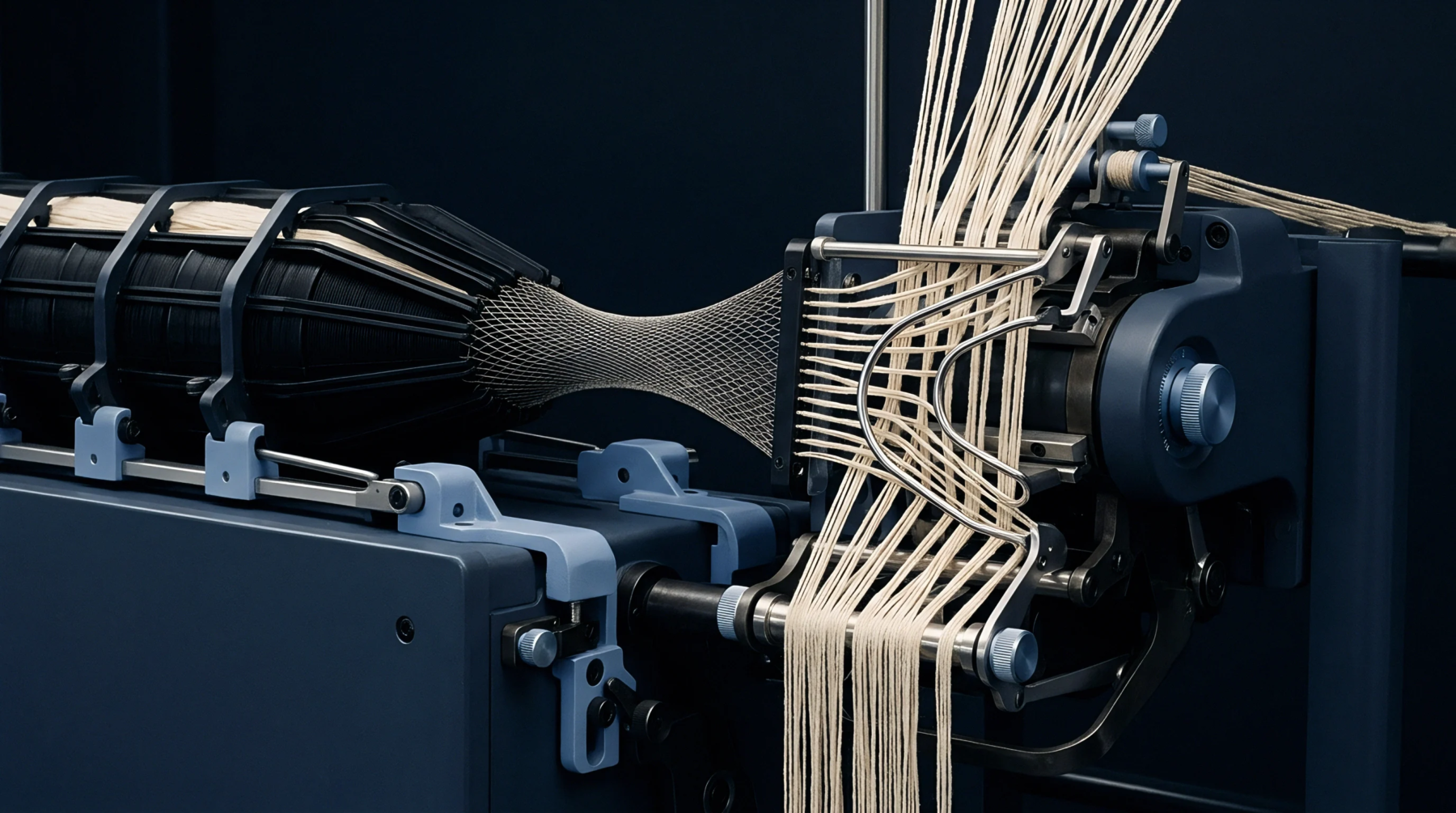
Standard core sampling extracts representative full-depth fibers across compressed bales to verify moisture, micronaire, and net scoured commercial mass.

Correcting HVI micronaire values for ambient temperature, pressure, and moisture regain prevents dynamic yarn strength failure in high-speed ring spinning.

Inline blowroom optical sensors fail when poor opening leaves inclusions hidden inside dense cotton tufts, allowing synthetic polymer fibers to reach spinning frames.
Expertise is a utility, not a secret. sentiention™ publishes its working knowledge as open reference: intelligence layer covering the materials it sources, the markets it enters, and the reference that serves both.