Linear Mass Variance
Statistical coefficient of variation expressing the mass per unit length dispersion across cut lengths of carded or drawn fiber strands serves as the definitive index of spinning preparation quality. Calculated by dividing the standard deviation of sliver weights by the arithmetic mean and multiplying by one hundred, sliver count cv reflects the operational stability of carding and drawframe drafting zones. The metric captures long-term and medium-term mass deviations that mechanical autoleveller systems failed to correct.
The measurement applies exclusively to uncompacted, twistless sliver strands and loses its relevance once sliver transitions into twisted roving or finished yarn.
Drafting Dynamics
Slivers pass through roller drafting systems where uneven fiber friction, drafting waves and roller runout induce mass variations. Short-staple cotton fibers lacking sufficient surface cohesion tend to float uncontrolled between drafting nips, creating cyclic thick and thin spots that widen the variation percentage. Carding machines with poor chute feed compaction deliver irregular batts, which directly amplifies the incoming mass variance.
Autoleveller drawframes measure incoming sliver thickness using mechanical sensing rollers, adjusting the main drafting ratio via servo drives to damp mass fluctuations. Ineffective autolevelling response curves fail to suppress these drafting waves, degrading output consistency.
Downstream Impact
High sliver variation impairs efficiency across downstream manufacturing processes. Excessive mass variation entering the roving frame causes draft instability, resulting in thin spots that break under light winding tensions. When irregular sliver feeds modern air-jet or rotor spinning systems, final yarn exhibits elevated count variation, leading to uneven strength properties.
Finished knitted fabrics knitted from high-variation yarn develop horizontal streakiness and patchy dye uptake across garment panels. In weaving mills, weak spots generated by count variations cause recurring warp breaks that trigger loom stops.
Verification Protocol
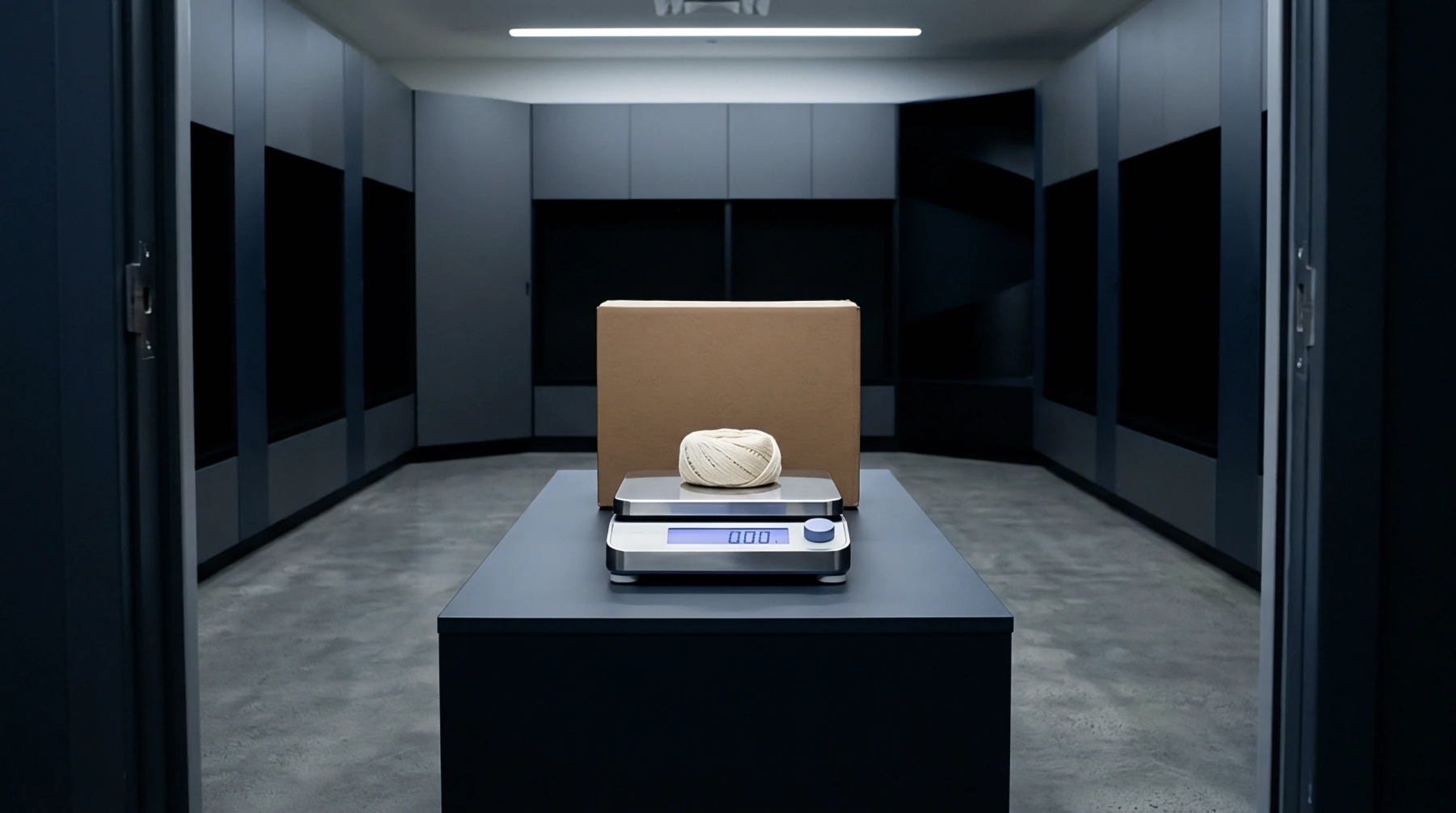
Testing protocols dictate conditioning slivers in standard laboratory atmospheres before gravimetric or capacitive testing. Technicians cut exact sliver lengths using mechanical wrap reels and measure strand masses on calibrated electronic balances to compute gravimetric variance. Modern quality laboratories utilize continuous capacitive testers that pull slivers through measuring capacitors at fixed speeds, reporting real-time sliver count cv values alongside periodic mass spectrograms.
Drawframes undergo immediate mechanical auditing when variation figures exceed certified threshold limits. Process control charts monitor these values to maintain consistent count performance across spinning shifts.