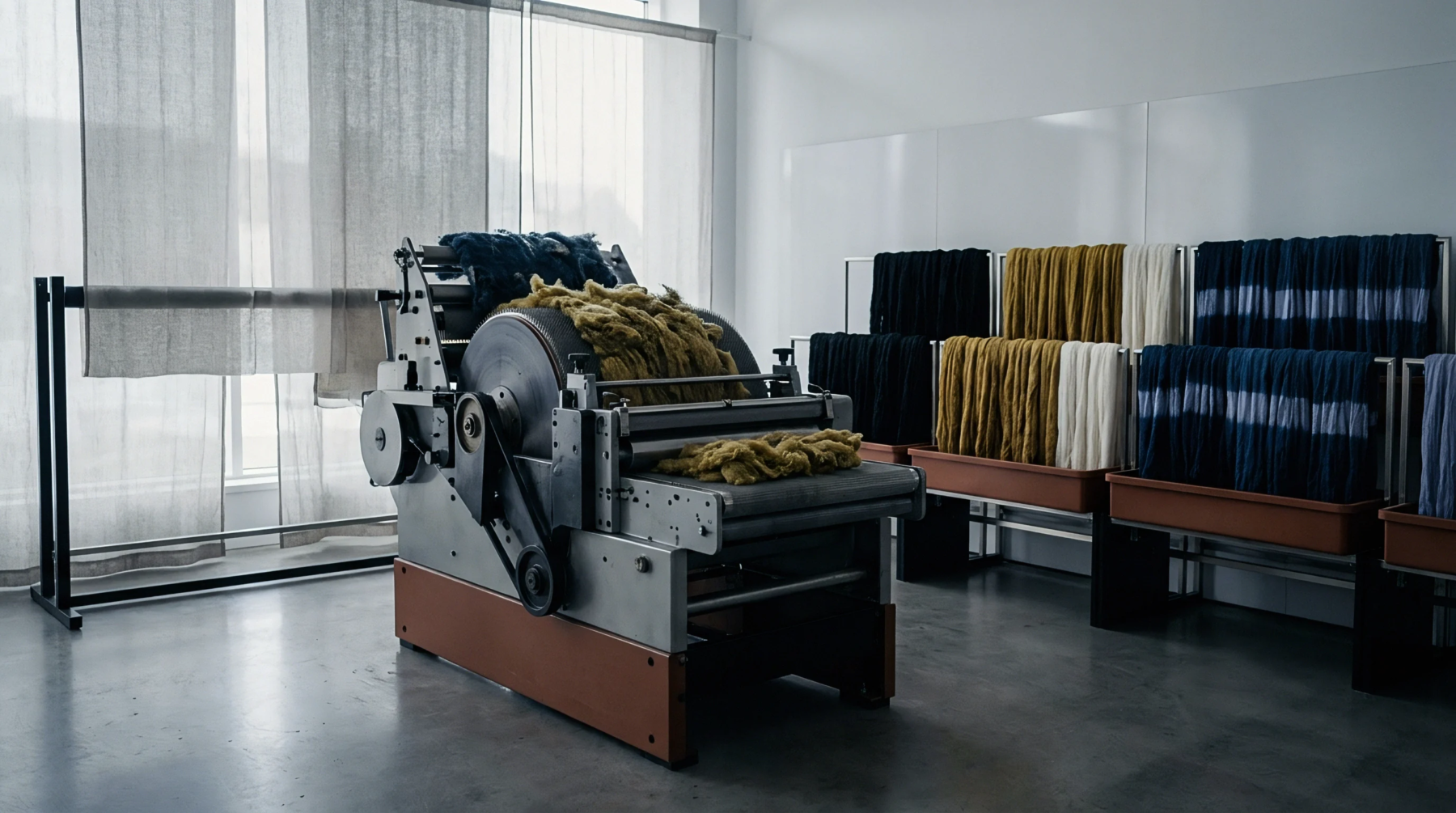
Raw Material
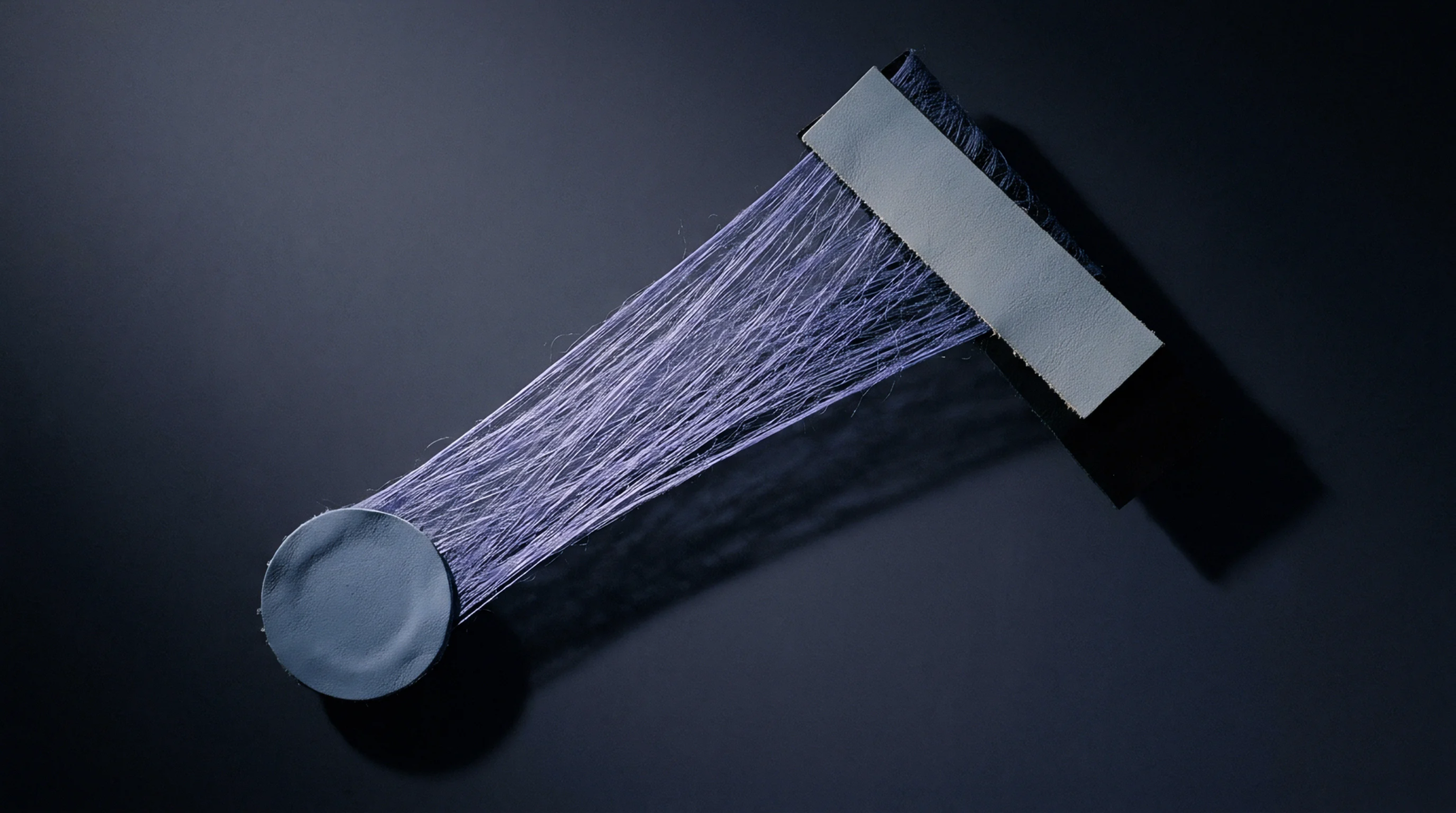
Animal fiber that has undergone mechanical processing to remove coarse guard hairs is designated as a high-value commodity. This processed material, called dehaired cashmere, consists almost entirely of fine, soft undercoat fibers. It serves as the primary ingredient for luxury textile manufacturing.
Separation Technology
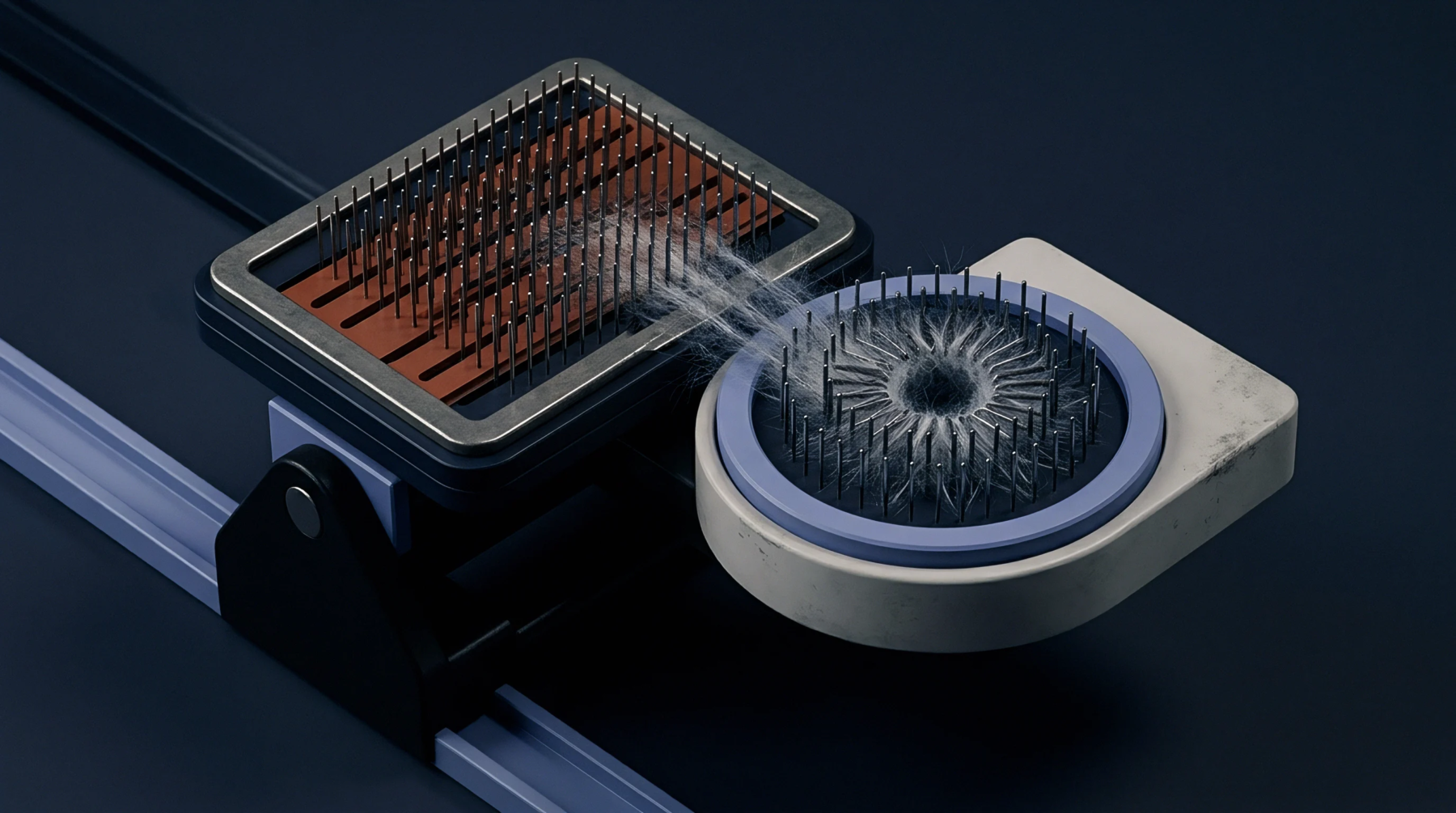
Mechanical refining separates the heavy guard hairs from the light undercoat using density differences. Raw fleece passes through a series of rollers and carding wires that extract the valuable fibers while discarding coarse matter and dirt. This process must be carefully controlled to prevent fiber breakage.
Quality Grading
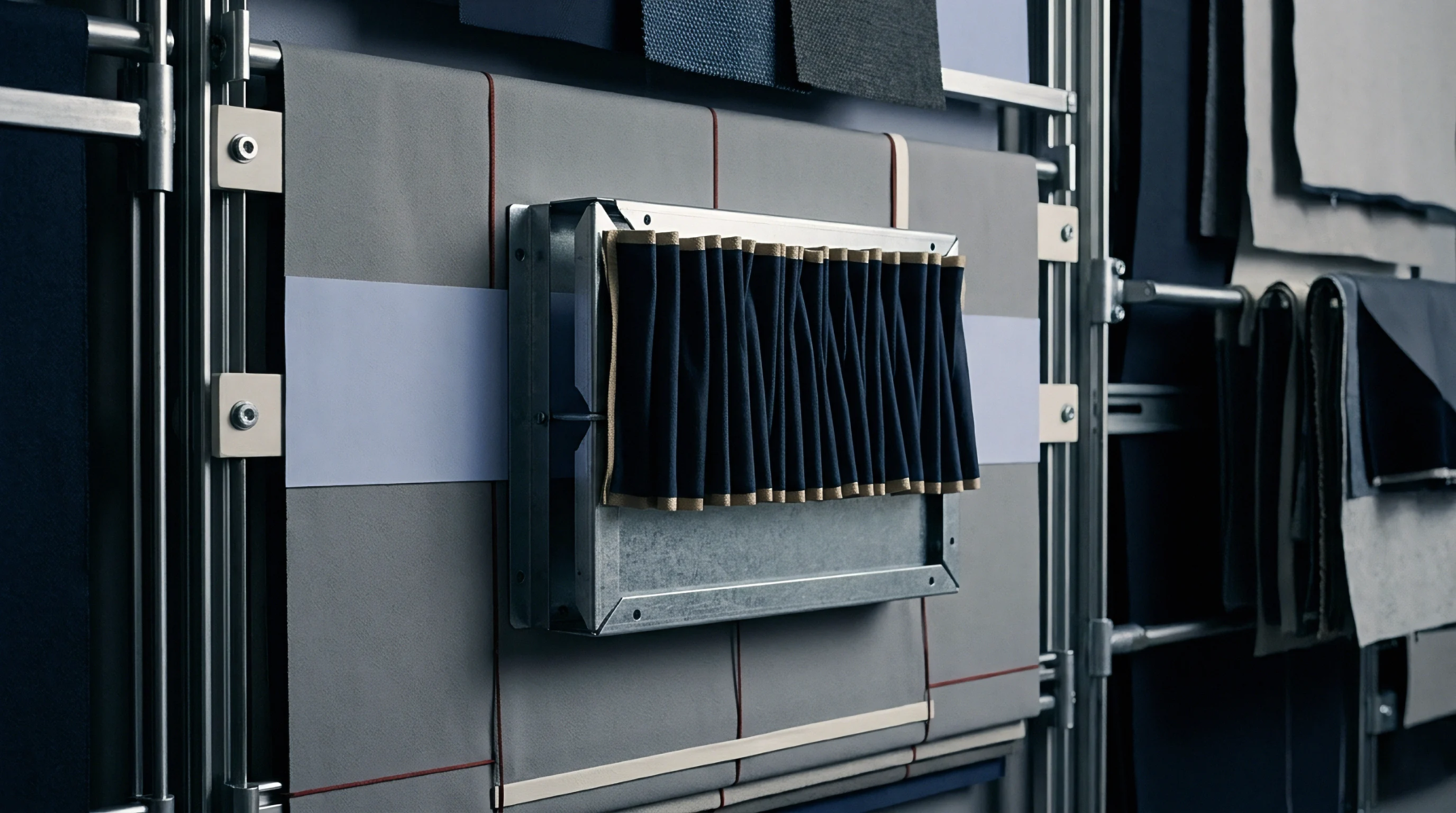
Trade standards evaluate the refined fiber based on its residual coarse hair content and mean diameter. Premium grades of dehaired cashmere must maintain a low average fiber diameter, typically below fifteen and a half micrometers, with minimal guard hair contamination. These strict parameters determine the market price of the commodity.
Yarn Production
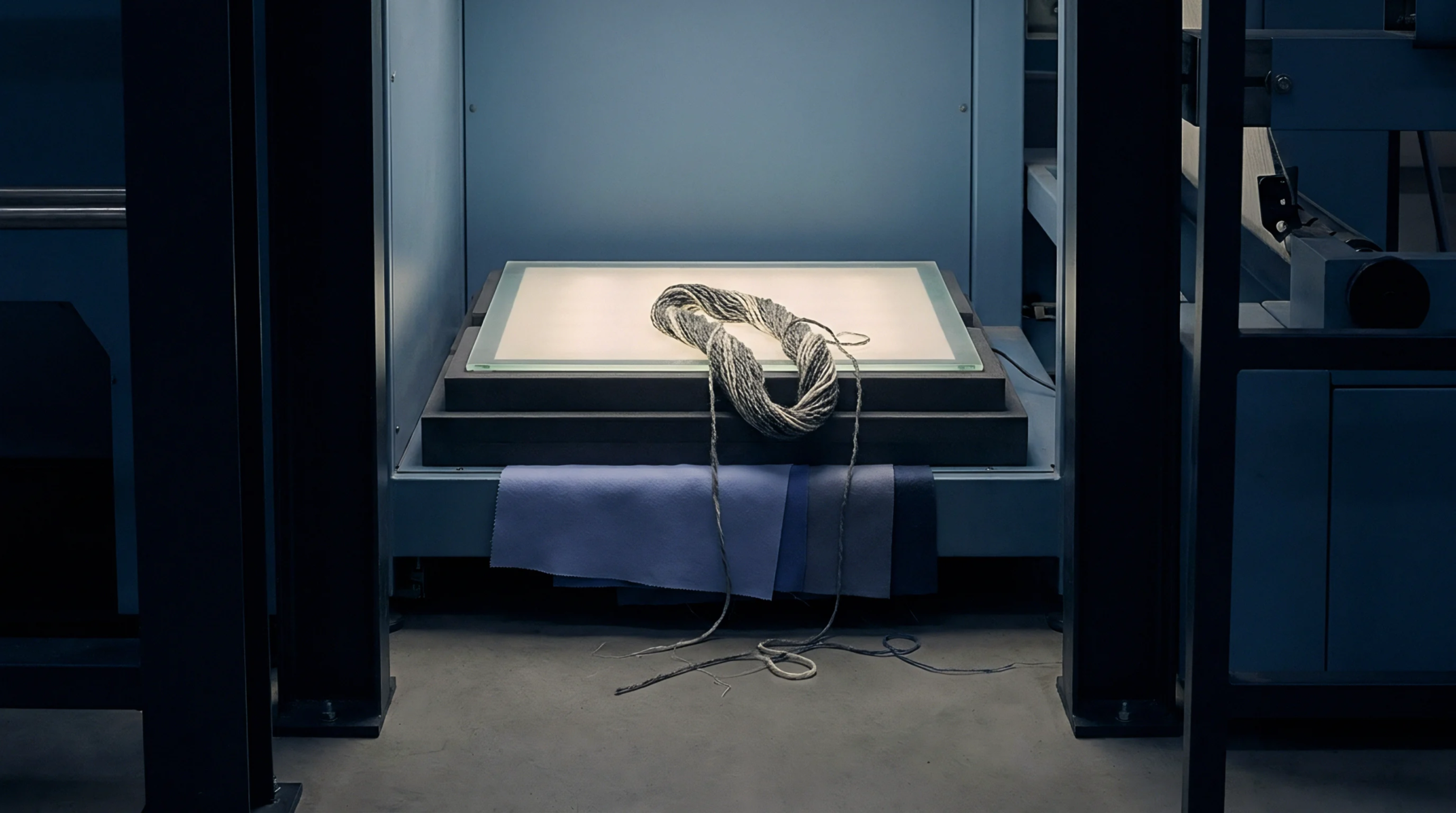
Spinning mills purchase this material to produce ultra-fine yarns for high-end knitwear and woven fabrics. The clean fiber must be blended and drafted carefully to ensure consistent yarn strength. Any residual coarse hair will ruin the handle of the finished garment, making effective dehairing the most critical step in the supply chain.
Specialist mills use specific lubricant emulsions to protect the delicate fibers during subsequent carding and spinning phases.