Tare Deduction
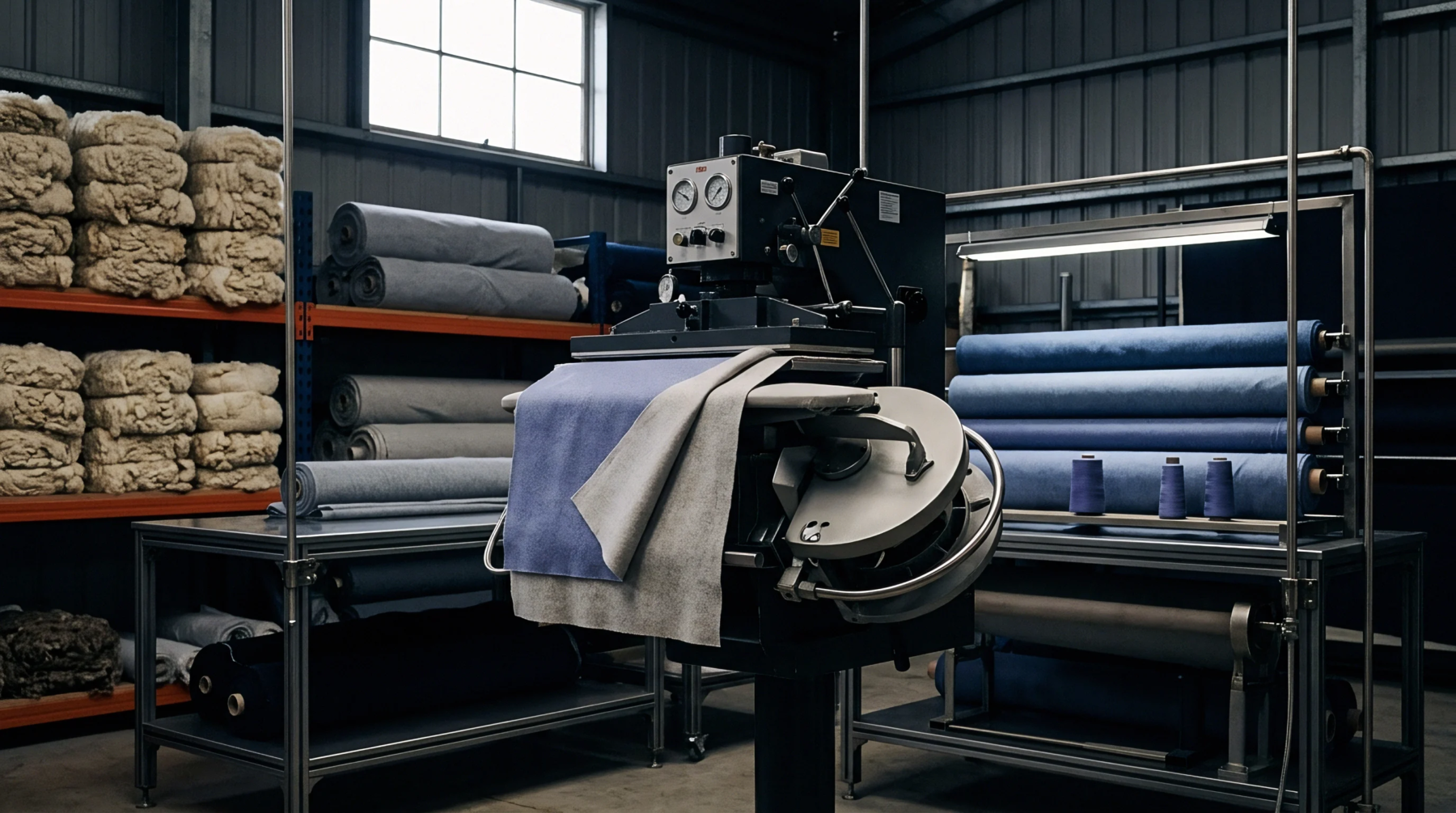
Total package weight minus empty carrier mass yields net scale weight on the receiving dock. This precise arithmetic defines the exact material quantity crossing the boundary of a textile mill during raw fibre delivery. Commercial contracts rely upon net scale weight to establish baseline billing units for raw bales before moisture conditioning alters the moisture regain profile.
Verification occurs when a loaded transport vehicle pauses on a calibrated weighbridge before unloading at the warehouse entrance.
Moisture Allowance
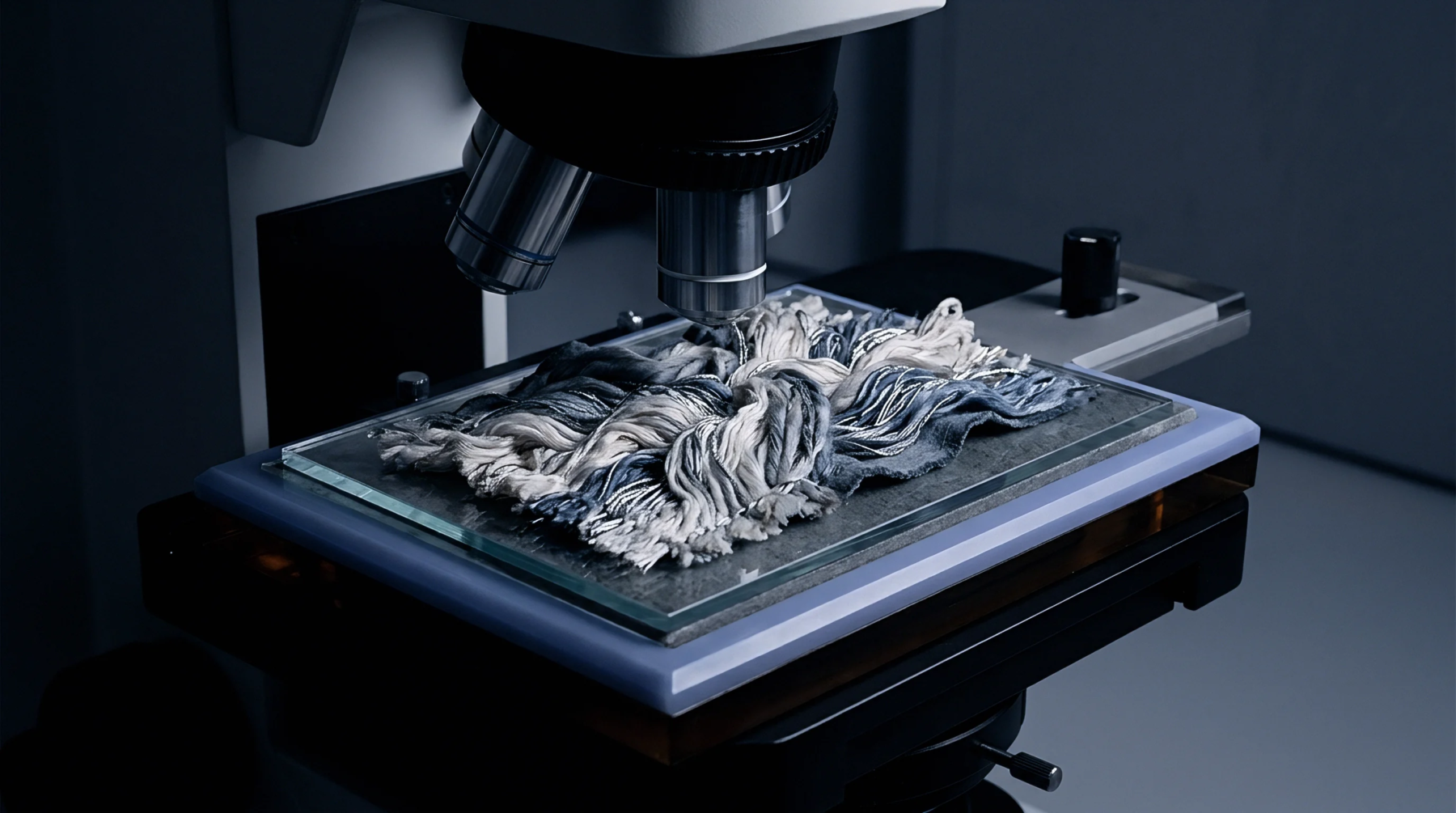
Raw cotton and natural wool absorb ambient humidity during transit which alters the recorded mass without changing actual fibre content. Laboratory technicians extract core samples from received bales to determine dry matter percentage through standard oven drying methods. Commercial agreements apply standard moisture regain percentages to the dry mass to calculate the commercial weight against the initial scale reading.
Excess moisture beyond the contractual threshold leads to proportional price adjustments on the final invoice.
Tare Variance
Tare weights assigned to wooden pallets and metal strapping often fluctuate due to moisture absorption or residual dirt accumulation over multiple shipping rotations. Scale operators inspect empty carriers after unloading to verify that the registered tare matches the tare weight printed on the shipping manifest. Discrepancies between recorded tare and actual tare trigger a manual recount of the shipment to protect the buyer from paying fiber prices for packaging waste.
Standard Compliance
Regulatory bodies mandate periodic calibration schedules for industrial platform scales to maintain measurement accuracy within accepted tolerances. Scale calibration certificates accompany every batch audit to satisfy international trade standards governing textile raw material exchanges. Uncalibrated weighing equipment invalidates commercial claims regarding short shipments and prevents the resolution of billing disputes between mills and merchants.