Production Variance
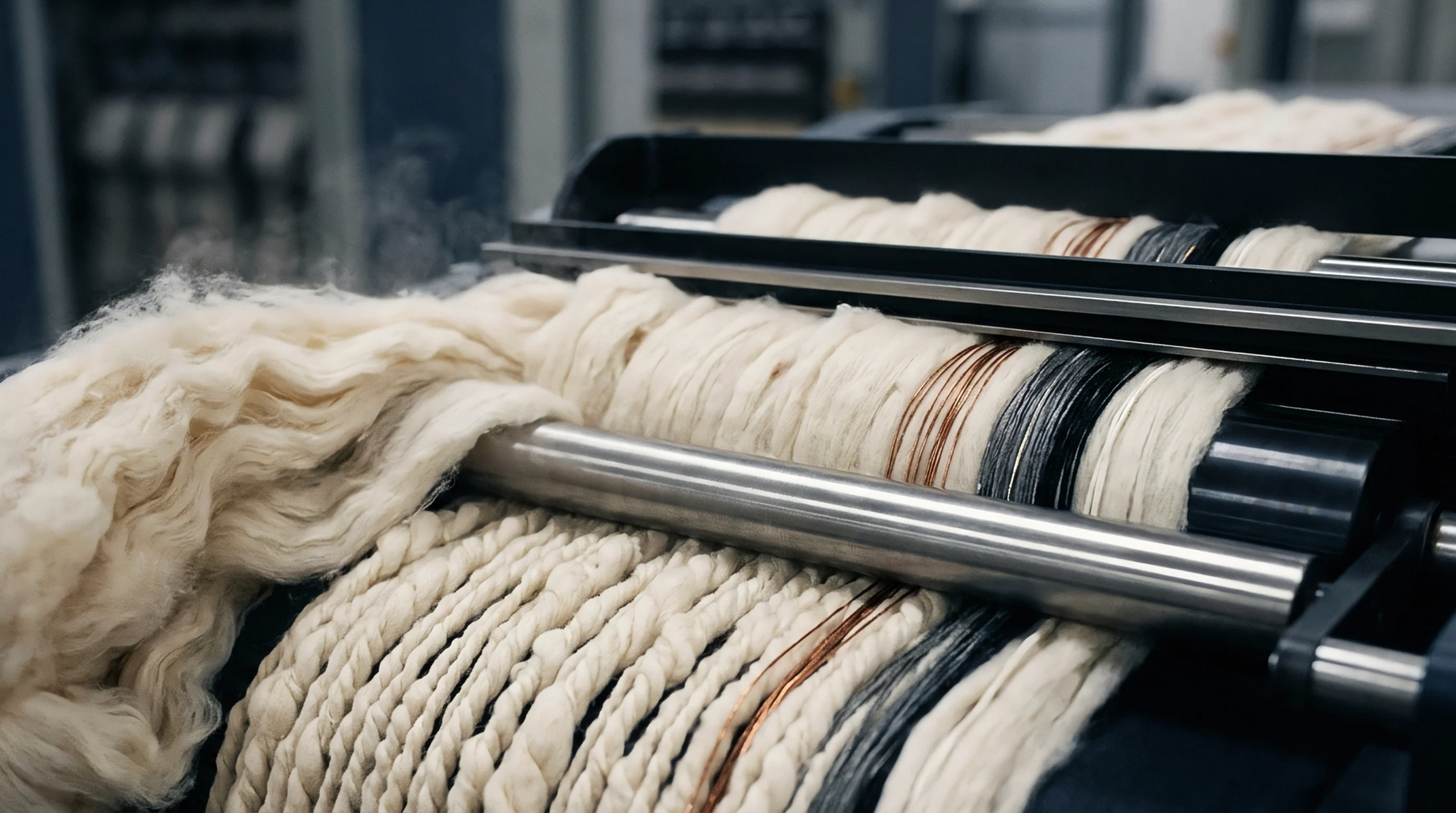
Mechanical analysis of yarn output identifies the unintended deviation from a specified weight distribution of cellulosic fibres against synthetic polymers within a blended strand. Cotton polyester ratio drift occurs when the mechanical drafting process or the tension control at the drawing frame fails to maintain the targeted constituent proportions established during the carding phase. Such shifts in material composition alter the chemical affinity of the yarn during subsequent dyeing operations where the dispersed dyes occupy the synthetic sites and reactive dyes bond to the cellulosic components.
Laboratories measure this instability by dissolving the cellulose in a chemical solvent and weighing the residual polymer content against a reference sample. Variations exceeding the tolerance threshold indicate a breakdown in the auto levelling equipment or a change in the physical properties of the raw feed stock. Discrepancies in the fibre mix change the structural integrity of the fabric and necessitate recalibration of the heat setting parameters for final finishing.
Process Discontinuity
The instability arises from the divergence between the speed of the cotton feed and the delivery of the polyester tow during the blending sequence at the spinning frame. Friction on the delivery rollers causes the synthetic filaments to slip against the natural fibres and creates a non uniform distribution of the two distinct materials. Quality control departments verify this state by sampling sections of the yarn for mass per unit length analysis and thermal degradation testing.
Each shift in the ratio creates a discrepancy in the shrinkage rates of the finished fabric when exposed to steam or heat. Tension fluctuations during the spinning cycle exacerbate the separation of the components by shifting the relative position of the fibre types across the cross section of the yarn.
Finishing Impact
Uneven distribution of components creates a visual irregularity in the final coloration of the piece dyed goods. Areas with higher synthetic content absorb more dispersed dye and display a darker shade than sections with higher cellulosic content. Dyestuff migration occurs when the chemical temperature management fails to compensate for the imbalanced fibre distribution within the yarn bundle.
Workers at the finishing plant must adjust the dwell time and the temperature in the stenter frame to stabilize the fabric geometry. Standard procedures involve identifying the specific weight imbalance to prevent the formation of streaks or bariness in the final textile.
Material Tolerance
Strict boundaries exist for acceptable variance to ensure the fabric meets the specifications for tensile strength and moisture regain. Textile engineers define the acceptable range based on the intended end use of the fabric and the chemical processing steps that follow the weaving stage. When the ratio moves beyond the established limit the material fails to meet the performance criteria for commercial garments.
The chemical profile of the yarn defines the final performance of the fabric under load and heat conditions. Accurate control of the fibre proportions ensures the longevity of the final product and prevents performance failures during use.