Taxonomic Correction
Customs nomenclature adjustments represent the administrative procedure where an imported product moves from one statistical category to another within the global standardized coding framework. The process of harmonized system tariff reclassification occurs when an official audit or a self-correction reveals that a commodity fails to match the technical specifications of its declared code. Accuracy matters because textile goods like high-tenacity polyester filament yarns or complex elastane blends carry specific numeric identifiers.
If a mill ships unfinished greige goods under a category meant for dyed and finished textiles, the duty burden changes based on the new placement. Regulatory authorities verify the material composition through lab analysis of fibre content, yarn twist, or chemical finish to mandate the shift. Incorrect coding creates liability for back taxes or penalties regardless of whether the error originated in human oversight or software automation.
Every change alters the statistical record of trade flows between countries and affects the bottom line for firms importing raw materials.
Regulatory Mechanism
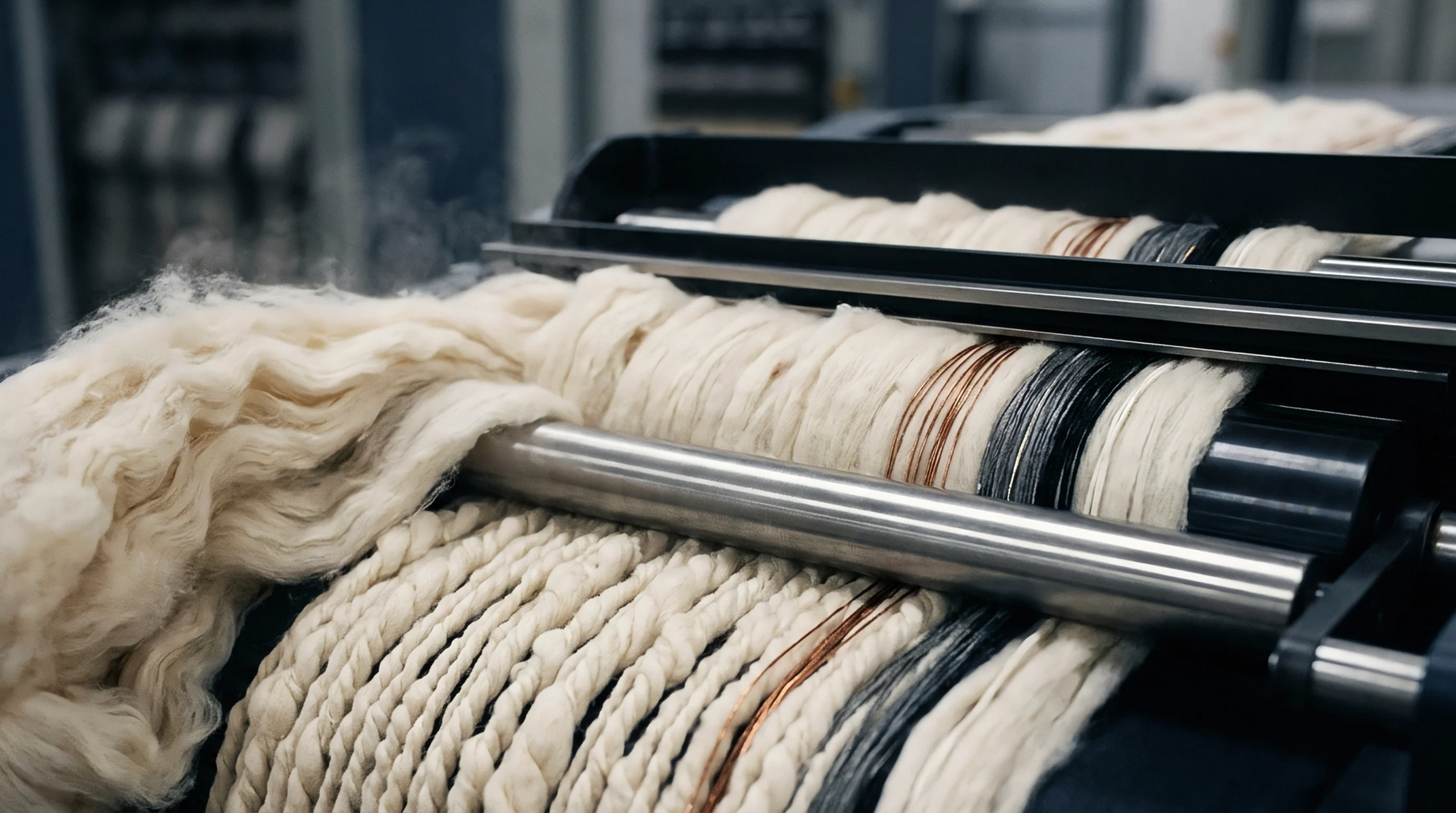
Customs agencies execute this shift by comparing the chemical or physical properties of a textile sample against the specific exclusions within the existing code. A fabric containing metallic threads falls under a distinct sub-heading compared to a standard cotton weave, and the reclassification captures this distinction to ensure the correct tax rate applies. Agents examine test reports from accredited laboratories to determine the presence of synthetic fibres or flame-retardant coatings.
If the verification indicates a misaligned classification, the importer must update the documentation to reflect the precise composition. Agencies provide a binding ruling to prevent recurring errors on future shipments of the identical product.
Administrative Consequence
Financial adjustments follow the entry of a corrected code into the customs database. An importer owes the difference in duty payments if the reclassification shifts the item into a bracket with higher fiscal requirements. Overpayment leads to a claim for a refund when the shift moves the product into a lower tier, yet obtaining this credit requires extensive documentation of the original error.
Procurement managers track these events because frequent shifts in product identity suggest poor internal controls or inaccurate vendor declarations regarding fibre content. Changes in duty status impact the final cost of a garment sold in retail, as companies calculate margins based on the expected entry tax for a specific shipment.
Operational Boundary
Compliance mandates stop applying once a product gains a final determination from the national customs authority. Official rulings freeze the code for future imports, provided the underlying manufacturing process or material specification remains static. Any modification to the production recipe, such as switching from a natural blend to a synthetic one, triggers a requirement for a new classification review.
Textile mills assume responsibility for the technical accuracy of their product descriptions because mislabeling invites persistent scrutiny during port arrival. Verification of these codes secures the supply chain against sudden fiscal surprises.