Fiber Traceability
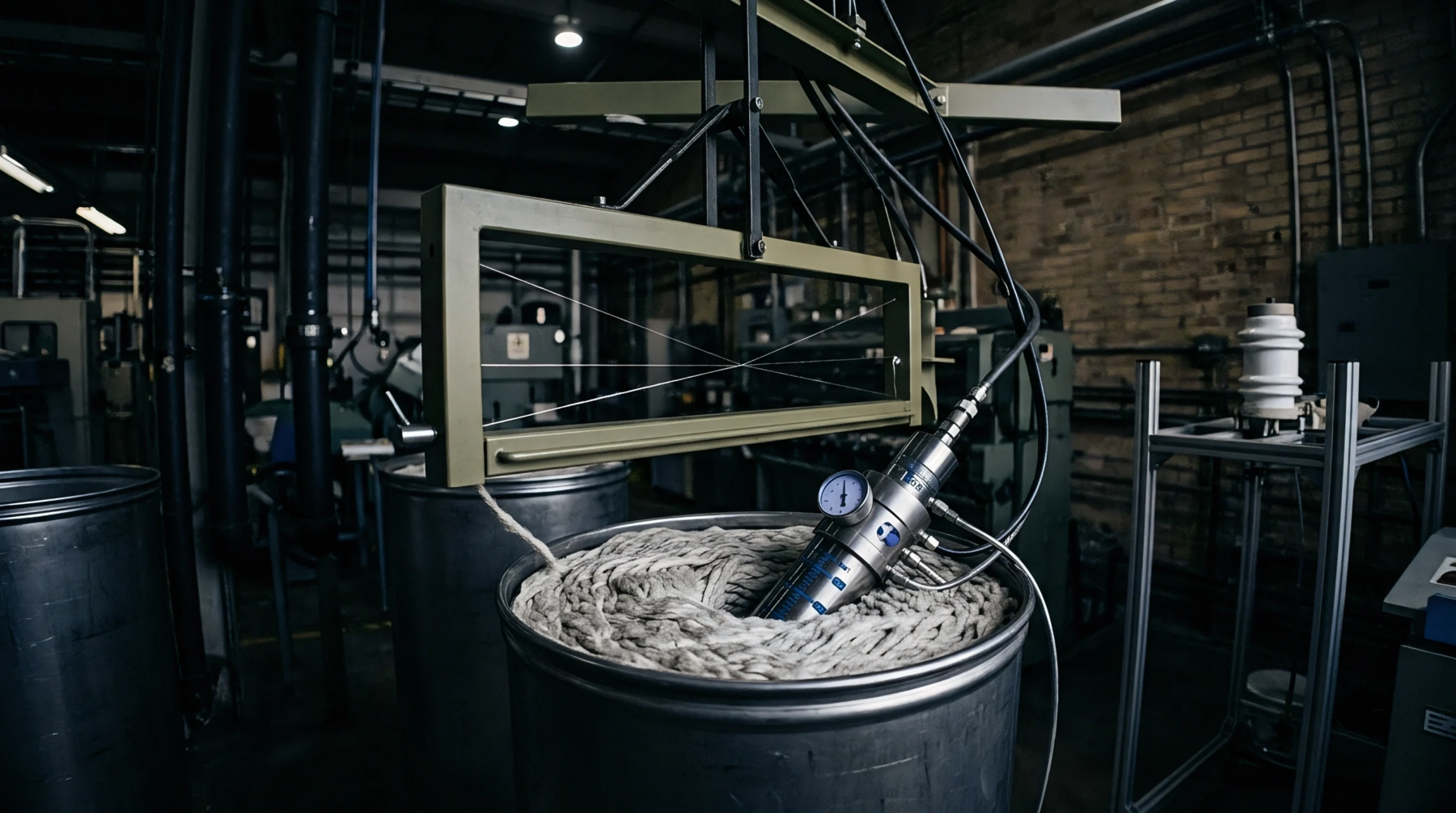
Spectroscopic interrogation of synthetic polymer contaminants within natural fiber bales establishes baseline purity before mechanical carding begins. Polypropylene detection identifies rogue tape remnants and extruded filaments originating from woven agricultural sacks used during raw baling. Laboratory technicians employ infrared absorption spectroscopy on small tufts drawn from random bales to isolate extraneous polyolefin signatures from cotton cellulose or wool keratin.
Raw material purchasing contracts depend on this analytical checkpoint to reject contaminated lots prior to spinning, because stray plastic fragments melt under thermal setting treatments and destroy dyeing uniformity. Extruded tape fragments lack the helical structure of natural hair and exhibit sharp absorption bands near specific infrared wavelengths. Automated optical sorters mounted on opening lines scan high speed material streams to locate white or translucent tape remnants before drafting frames draw the stock into slivers.
Mills enforce strict acceptance thresholds because embedded polyolefin remnants resist acid dyes entirely, creating bare spots on dyed fabric surfaces that cause immediate rejection by brand auditors.
Thermal Melting
Controlled heating tests evaluate the physical response of isolated polymer particles under simulated finishing temperatures. Polypropylene detection verifies whether foreign particulate matter softens at lower thresholds than carrier yarns, confirming contamination identity through distinct thermal transitions. Differential scanning calorimetry measures exact melting endotherms for recovered fragments, distinguishing isotactic polyolefin grades from polyester carrier yarns or cellulosic debris.
Technicians mount extracted particles on heated microscopy stages to observe softening behavior, recording deformation points before dye liquor application. Commercial dyeing houses rely on thermal profiling data to adjust autoclave settings during high temperature piece dyeing runs, preventing particulate fusion into surrounding yarn bundles. Residual contaminants melt during heat setting operations, spreading across adjacent filaments and sealing dye paths permanently.
Chemical Inertness
Resistance profiles determine how polymer contaminants interact with aggressive scouring agents and bleaching chemicals. Polypropylene detection isolates chemically unreactive residues that survive harsh alkaline boil off baths without degradation. Bleaching ranges utilizing hydrogen peroxide leave hydrocarbon chains intact while destroying natural pectins and waxes on cotton fibers.
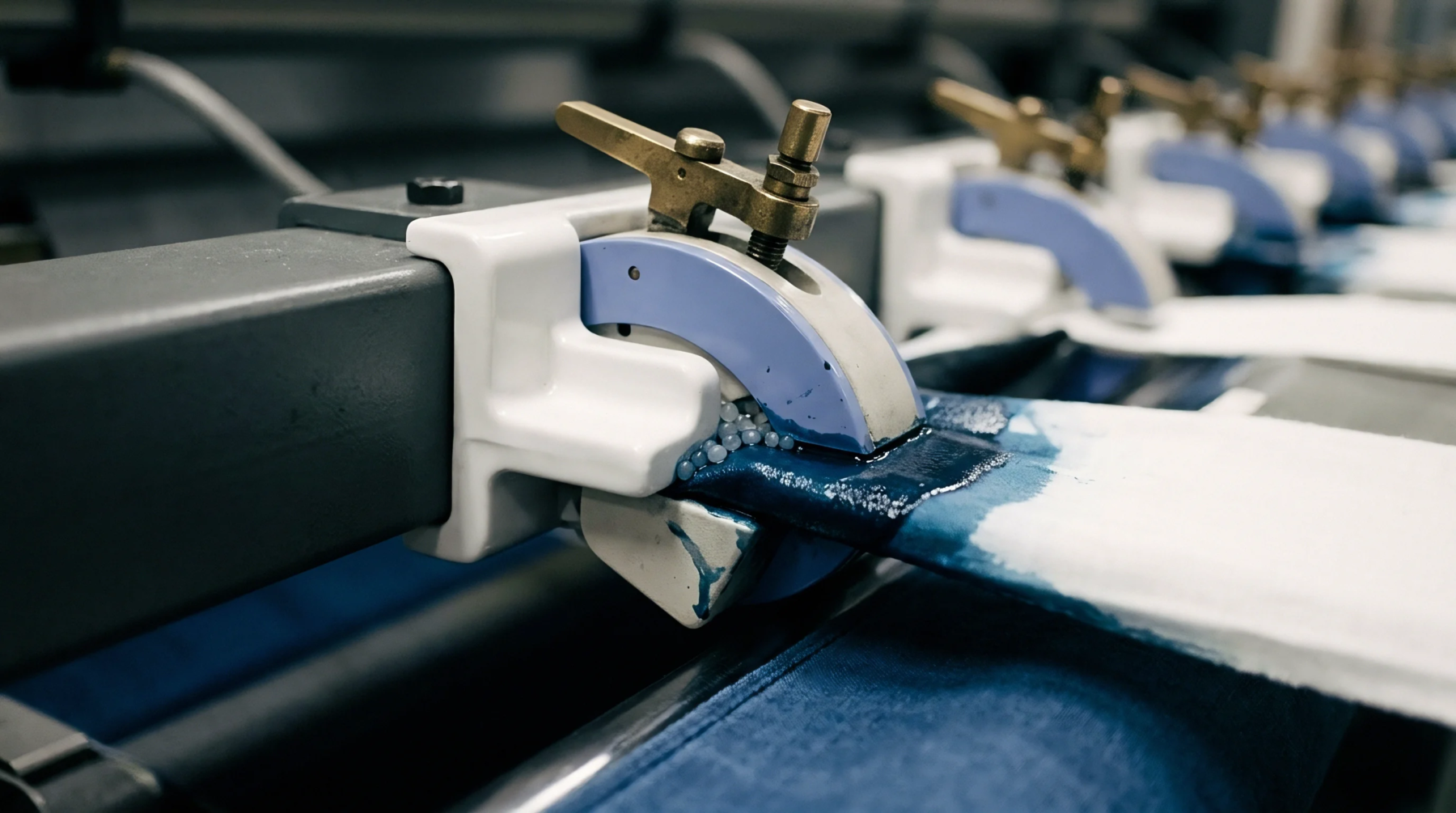
Laboratory immersion tests expose recovered fragments to boiling sodium hydroxide solutions for extended durations, confirming lack of saponification. Fabric inspection departments trace surface blemishes backward through wet processing logs, correlating residual spots with untreated agricultural packaging debris. Inert polymer inclusions reject reactive dye molecules completely, creating stark color contrasts against saturated background shades on finished woven goods.
Consumer Safety
Finished garment verification ensures retail compliance regarding extraneous polymer inclusions in intimate apparel and children wear. Polypropylene detection flags residual packaging fragments embedded within dense knitted structures during final quality audits. Retail quality assurance protocols mandate destructive burning tests on random finished garments to check for synthetic foreign matter hidden inside interior seams.
Garment manufacturers face severe chargebacks if consumer wear tests reveal abrasive plastic edges protruding from inner waistbands or collar facings. Finished goods inspectors utilize polarized light microscopy to examine yarn cross sections, confirming absence of foreign extrusion traces in premium merino wool sweaters. Regulatory compliance depends on rigorous contamination sorting at the earliest spinning stages, protecting brand reputation from retail returns caused by degraded polymer inclusions.