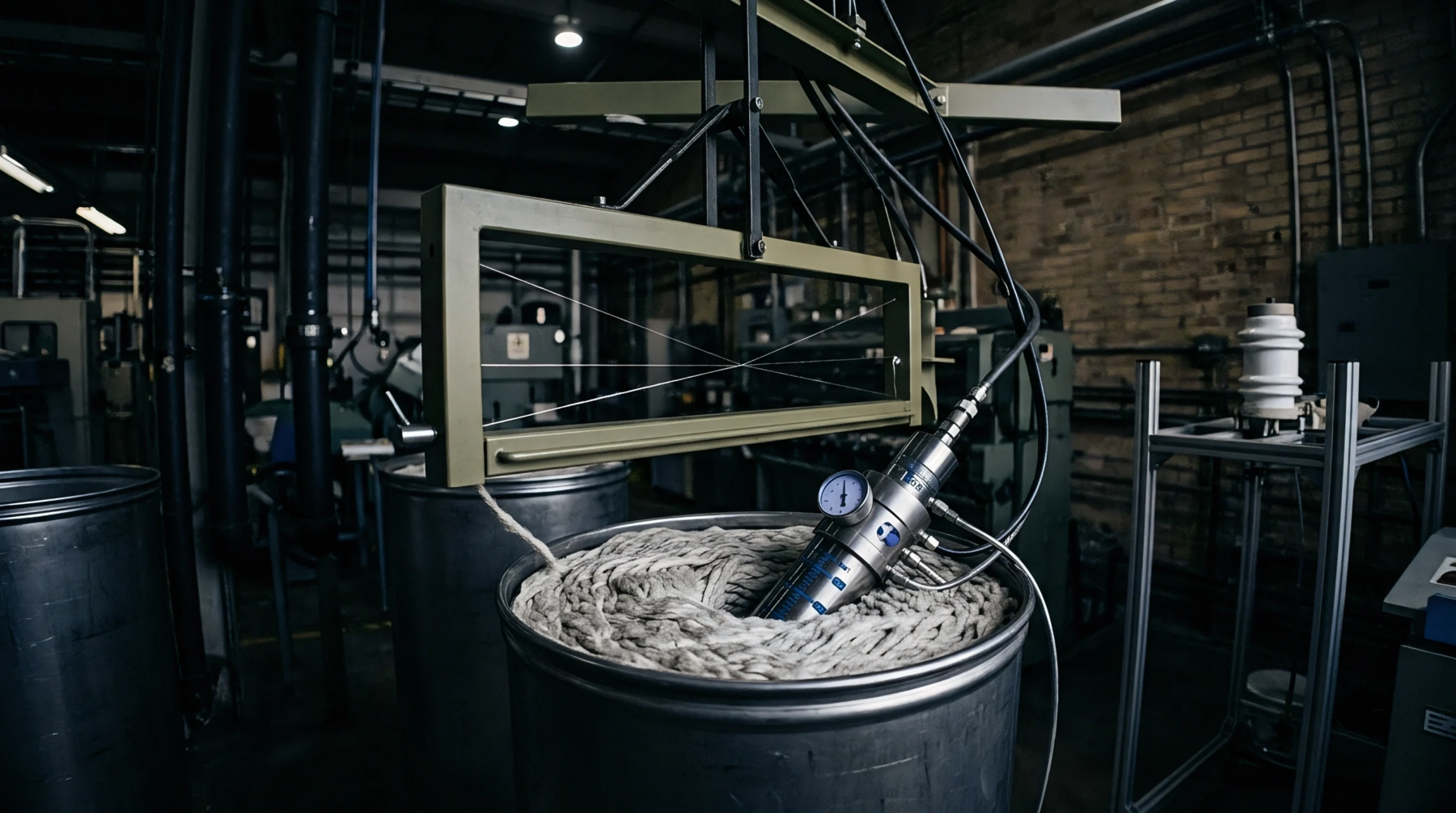
Sorting Definition
High speed visual inspection technology automates the segregation of raw fibre or finished textile goods by scanning items on a conveyor to detect variance in color, pattern or foreign contamination. Machines utilizing optical sorting scan material as it passes under high intensity sensors. Algorithms process incoming image data to identify contaminants or defective stock based on pre-set colour thresholds.
When the machine detects an object falling outside defined quality parameters, an air blast or mechanical ejector directs that specific item into a separate collection bin. The process operates in milliseconds to ensure throughput rates match production demands of spinning mills or bale processing lines. High resolution cameras capture surface data while LED lighting ensures consistent exposure for every item under analysis.
Production Verification
Textiles require strict uniformity to meet downstream spinning or dyeing requirements. During the initial opening phase of fibre processing, optical sorting detects polypropylene debris, dark fibers or organic contaminants that would ruin uniform dye uptake in finished cloth. Large batches of raw cotton or recycled synthetics undergo this screening before entering the carding machine.
Operators define the tolerance for defects through software controls that dictate sensitivity levels. The removal of plastic fragments prevents needle breakage during high speed knitting or weaving stages. Inspections occur at the raw material intake point because late discovery of contamination leads to expensive rework or complete loss of fabric lots.
Systemic Boundaries
Automated separation hardware ignores structural properties like tensile strength, density or moisture regain. These tools rely exclusively on surface appearance to make rejection decisions. Fabric with identical colour profiles but differing fiber composition remains undetectable unless the chemistry of the material creates a distinct visual signature under specific light wavelengths.
Processing limits depend upon the size of the material pieces and their orientation on the transport belt. Overlapping items or hidden defects often escape identification since the camera line of sight restricts full exposure. Mechanical capacity fails when material density exceeds the physical speed of the ejection system.
Material Performance
Digital imaging systems improve the consistency of recycled fibre stocks by extracting non-conforming polymer bits before extruding new filaments. Effective operation requires stable ambient light and clean optical lenses to prevent false positives that increase waste. Factories manage the trade off between aggressive rejection rates and final yield percentages to balance material costs against quality standards.
Strict calibration prevents the accidental removal of high quality stock while maintaining the necessary cleanliness level for luxury garment production. Modern hardware handles varied textures through depth of field adjustments that compensate for uneven material surfaces. Consistent performance relies upon frequent calibration of spectral sensors against standard reference samples.
Advanced detection logic allows the segregation of specific shades within a blended lot. Proper configuration reduces the reliance on manual inspection during early production cycles. Automated removal of dark contaminants preserves the value of bleached white fibre lots.