Fibre Preparation
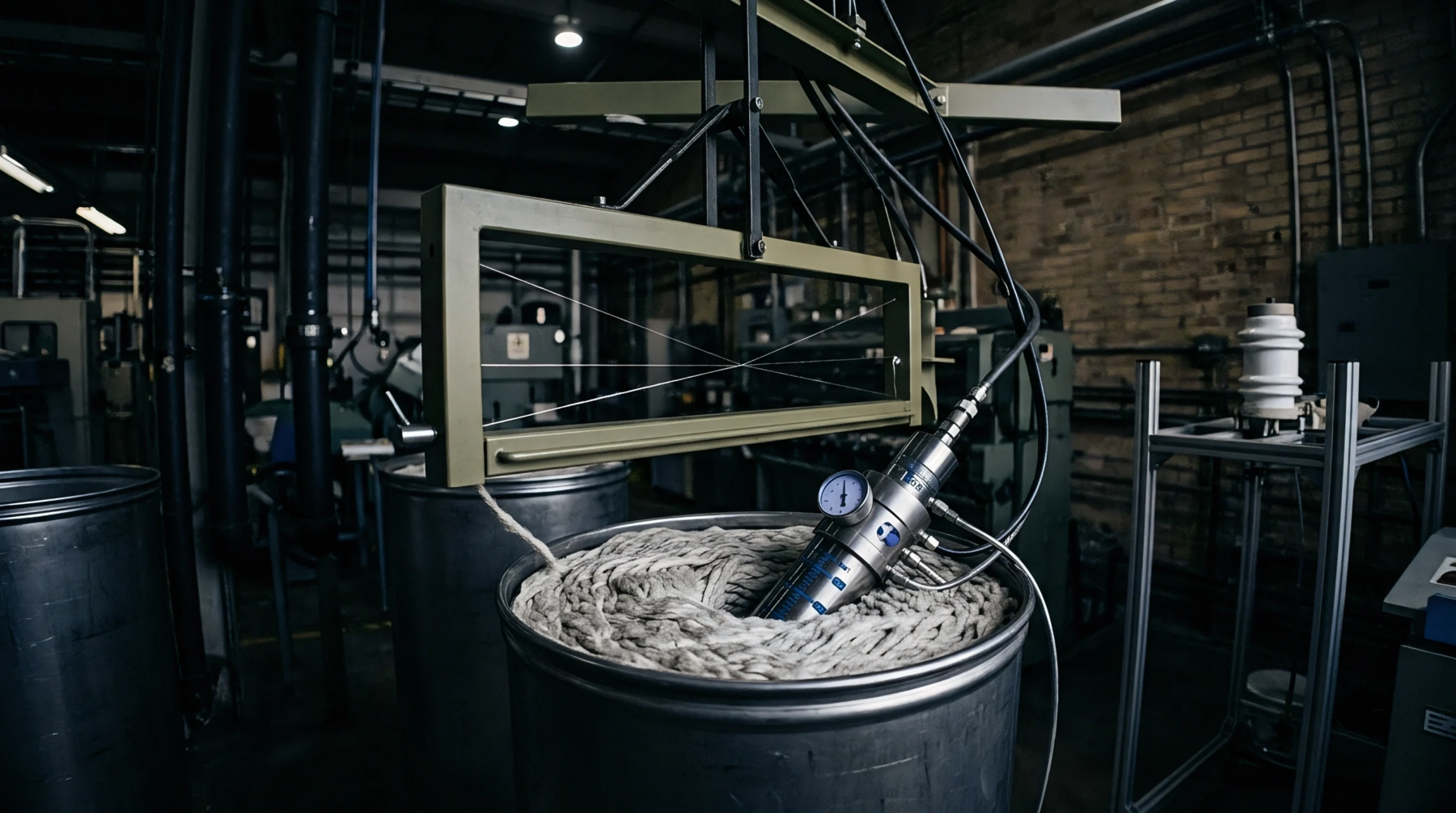
Mechanical impurity extraction reduces non-lint content in raw cotton bales before the carding process begins. Blowroom cleaning removes heavy trash, dust and leaf fragments through centrifugal force and airflow regulation. This machinery separates heavier contaminants from the tufts by striking the material against grid bars at high speeds.
Precise adjustment of these grid distances determines the mass of waste ejected relative to the quality of the incoming lint.
Waste Management
Suction systems collect the dislodged particulate matter to prevent re-entrainment into the flow. Effective extraction protects subsequent cylinders from damage caused by metallic or stone fragments trapped within the cotton mass. Operational efficiency depends upon the balance between air pressure and beater rotation speeds.
Systemic Arrangement
Several machines installed in series facilitate the gradual opening of compressed fibres. A succession of beaters reduces the size of the tufts while maintaining fibre length distribution. Gentle handling ensures that minimal damage occurs to the individual filaments during the intensive extraction phase.
Modern lines rely on automated sensors to modulate feed rates according to the density of the cotton mat.
Technical Performance
Production targets rely on the degree of trash removal achieved across the entire line. Excessively aggressive cleaning increases the loss of usable lint into the waste stream and reduces the overall yield of the spinning mill. High trash content requires increased extraction intensity to ensure that the yarn quality meets the requirements for evenness and strength.
Constant monitoring of the waste composition provides a clear metric for the efficacy of the machine settings during continuous operation.