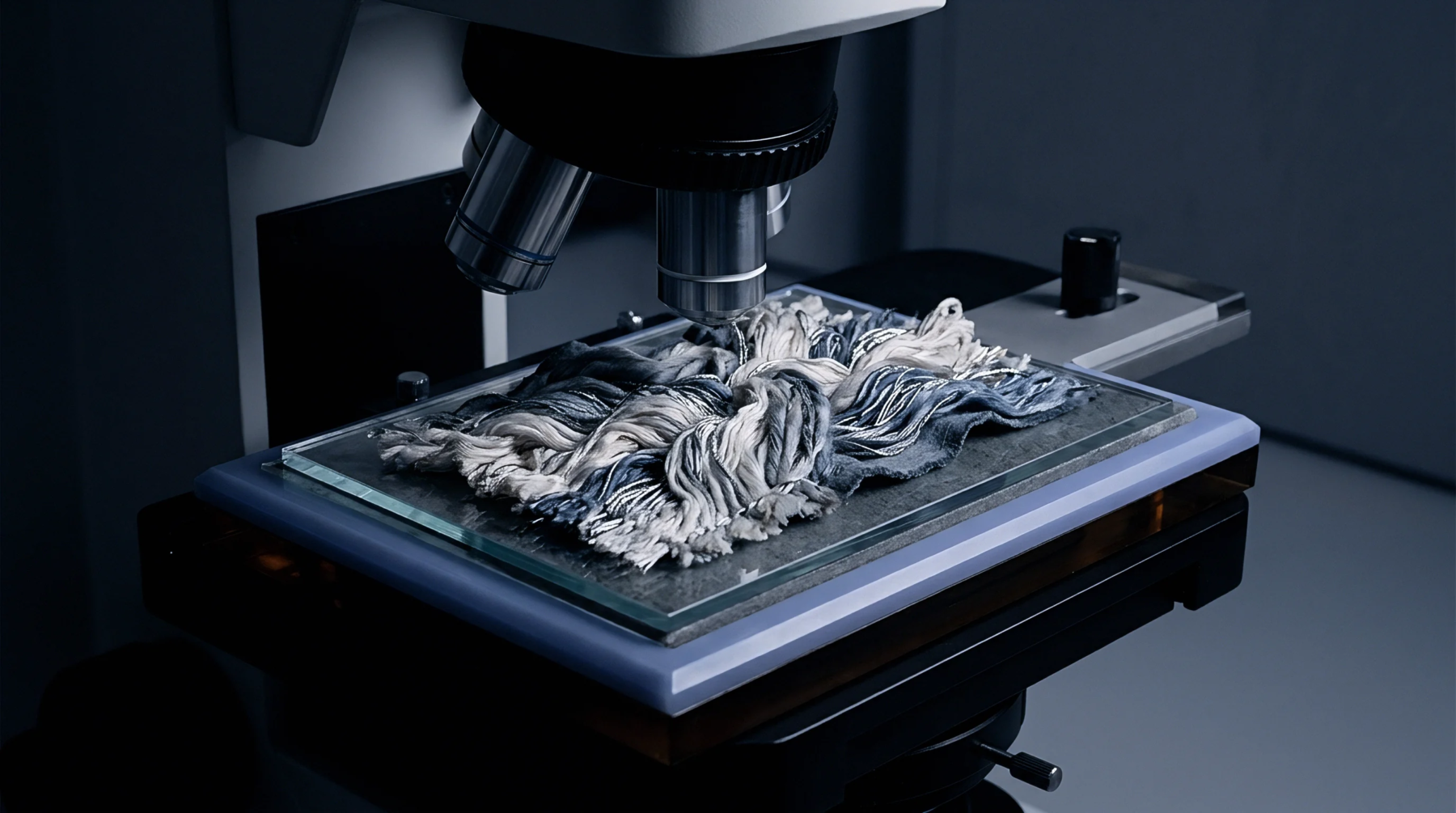
Thermodynamic Equilibrium Shifts of Cyclic Oligomers during High Temperature Yarn Texturing
High heater temperatures mobilize PET cyclic trimers, driving surface crystallization that glazes texturing discs and requires strict HPLC wash thresholds.
High heater temperatures mobilize PET cyclic trimers, driving surface crystallization that glazes texturing discs and requires strict HPLC wash thresholds.

Standardizing specimen pretensioning at 0.5 cN per tex during cut length density audits eliminates crimp skew and ensures accurate fabric weight verification.

Correcting cotton yarn density for moisture regain standardizes commercial invoiced mass and prevents package dyeing defects caused by swelling.
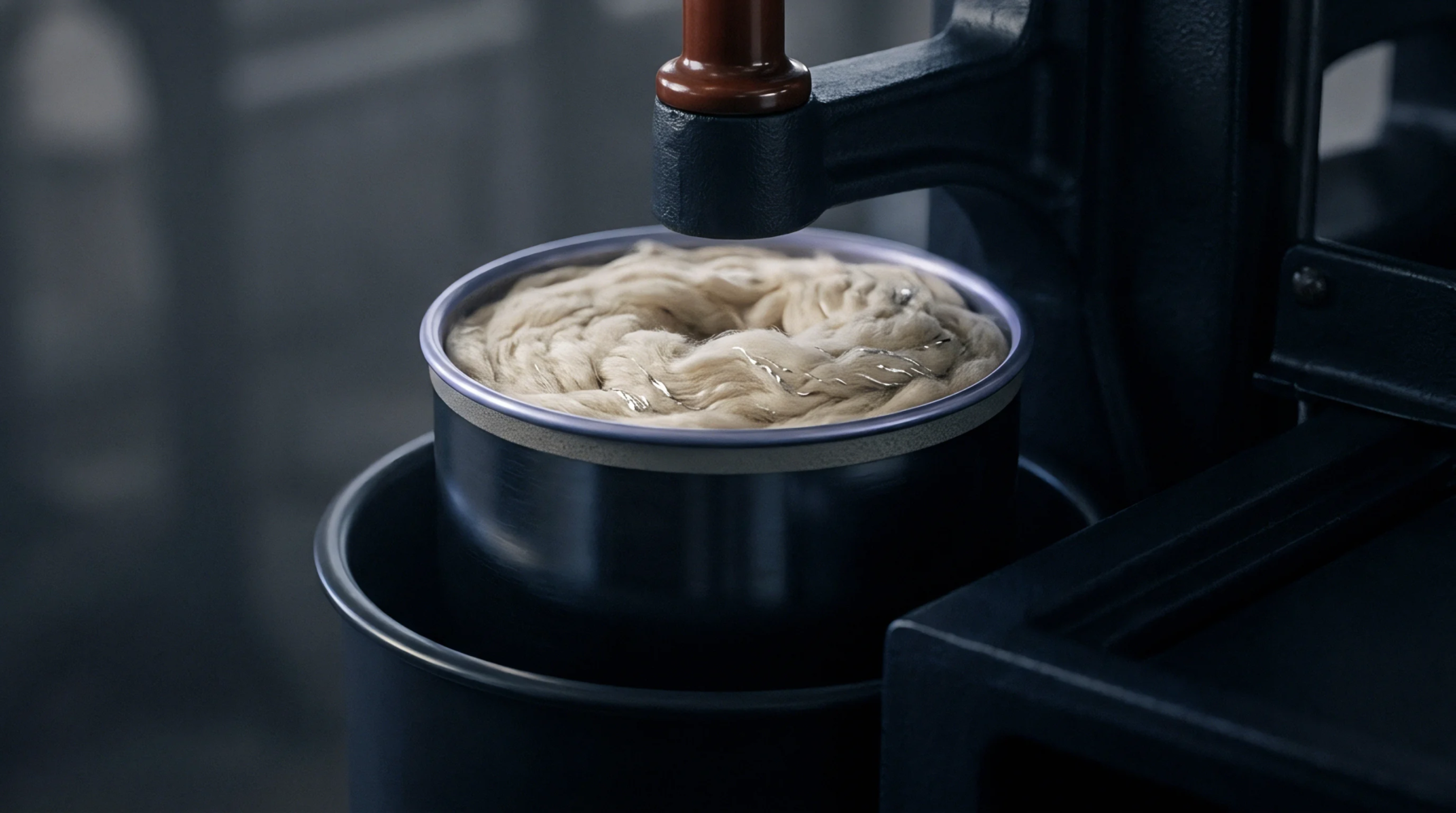
Evaluating staple yarn invoices requires converting gross invoice weight to commercial mass using official fiber regain allowances and oven-dry testing.

Creel position frictional differential and package diameter decay drive warp tension variance, requiring dynamic compensation to limit loom stoppage rates.

Reconciling cut sample and lea skein mass discrepancies requires applying crimp contraction factors, perimeter edge-loss multipliers, and ISO 139 moisture equilibrium parameters.

Accurate direct linear density verification in ring spun yarn demands exact tension control, moisture regain correction, and calibrated specimen lengths.
Direct linear density determination in staple yarns requires standard atmospheric conditioning, reel tension calibration, and commercial regain adjustments to verify contractual Tex accuracy.
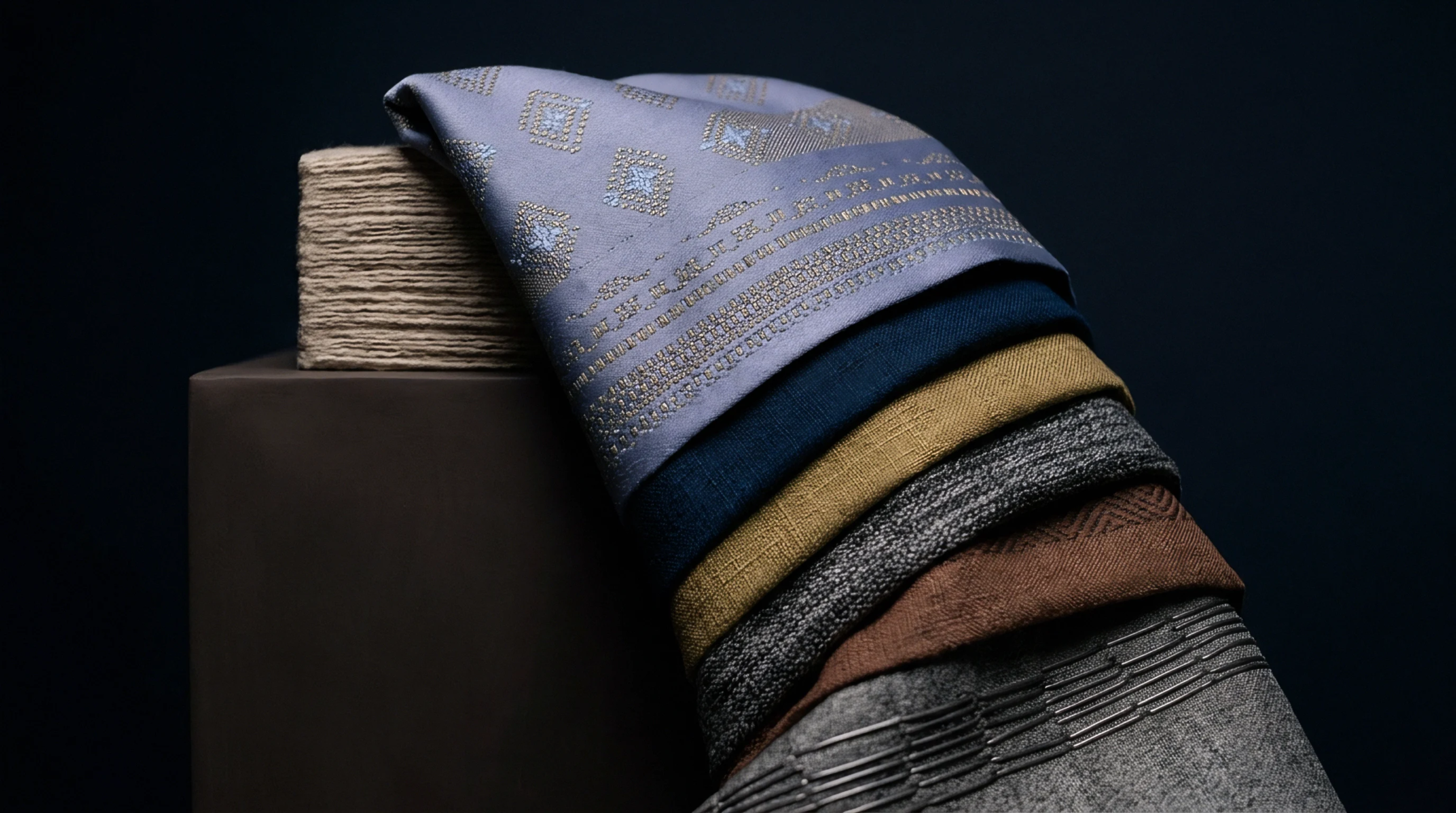
High-speed air jet blend spinning causes non-linear, component-biased waste drift that alters yarn ratios and requires speed-indexed toll pricing models.

Reconciling yarn extrusion transaction certificates requires adjusting gross output weight for spin finish oils and moisture against real extruder purge loss.
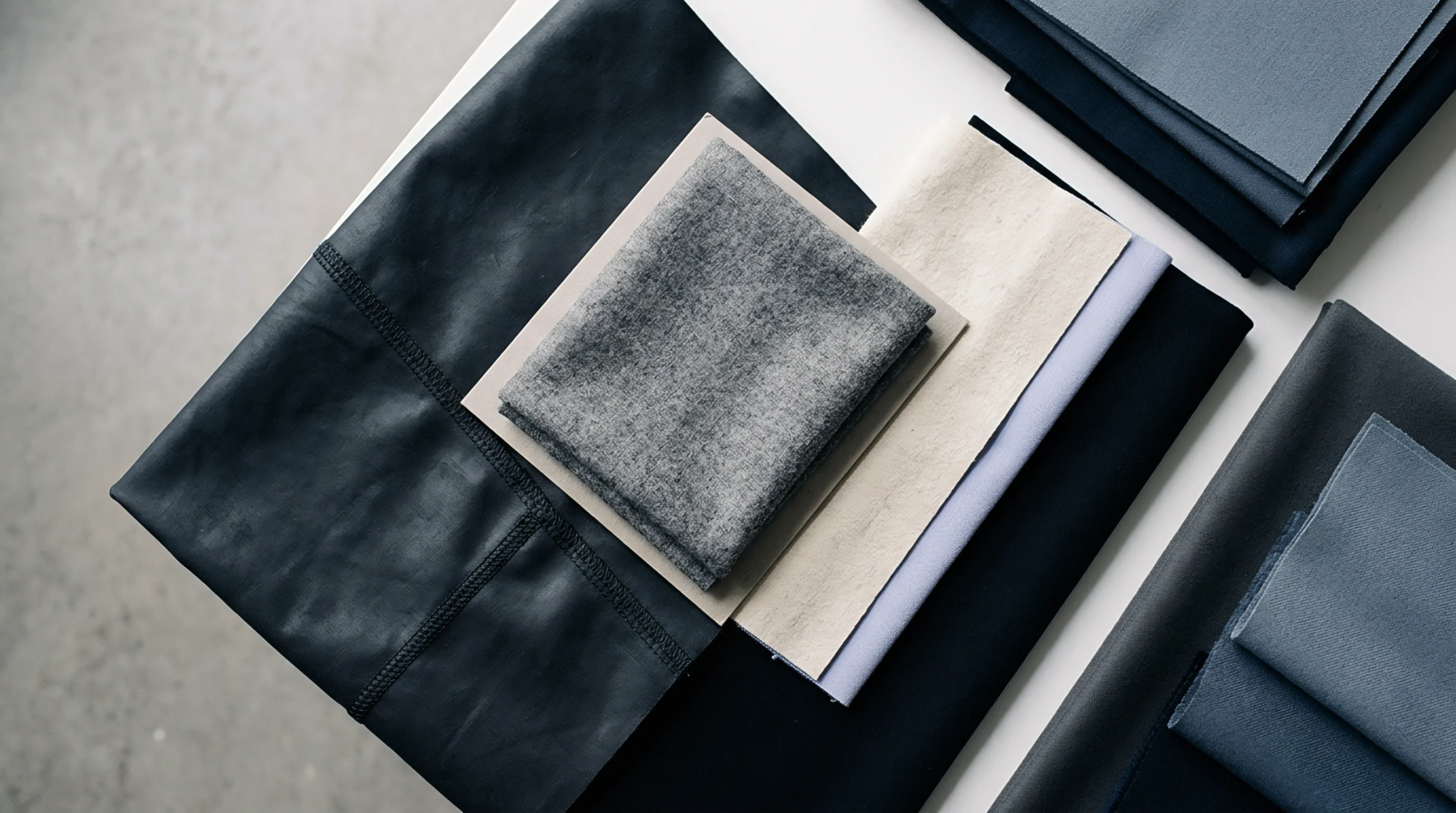
Accurate woven mass calculation requires modeling yarn counts, crimp percentages, sizing removal, and moisture regain across every step from loom shed to final invoice.

Fabric mass per unit area is calculated by combining yarn linear density, thread count, and crimp factors across conditioned warp and weft system dimensions.
Expertise is a utility, not a secret. sentiention™ publishes its working knowledge as open reference: intelligence layer covering the materials it sources, the markets it enters, and the reference that serves both.