
Enzymatic Tryptic Digestion Kinetic Variance in Severely Damaged Animal Fiber Matrices
Enzymatic tryptic digestion of damaged animal fibers requires kinetic rate normalization to prevent severe quantitative misclassification in fiber identification
Enzymatic tryptic digestion of damaged animal fibers requires kinetic rate normalization to prevent severe quantitative misclassification in fiber identification

Verify binary cotton polyester ratios using 75.0% sulfuric acid at 50 °C with calibrated d-factor corrections and official regain conversion to secure customs tariff compliance.

Cyclic trimer solvent extraction requires cold petroleum ether finish stripping before 1,4-dioxane Soxhlet extraction and RP-HPLC verification to prevent failures.

Determining cotton viscose yarn blend composition requires solvent extraction pretreatment, precise reagent temperature control, and empirical d-factor corrections.
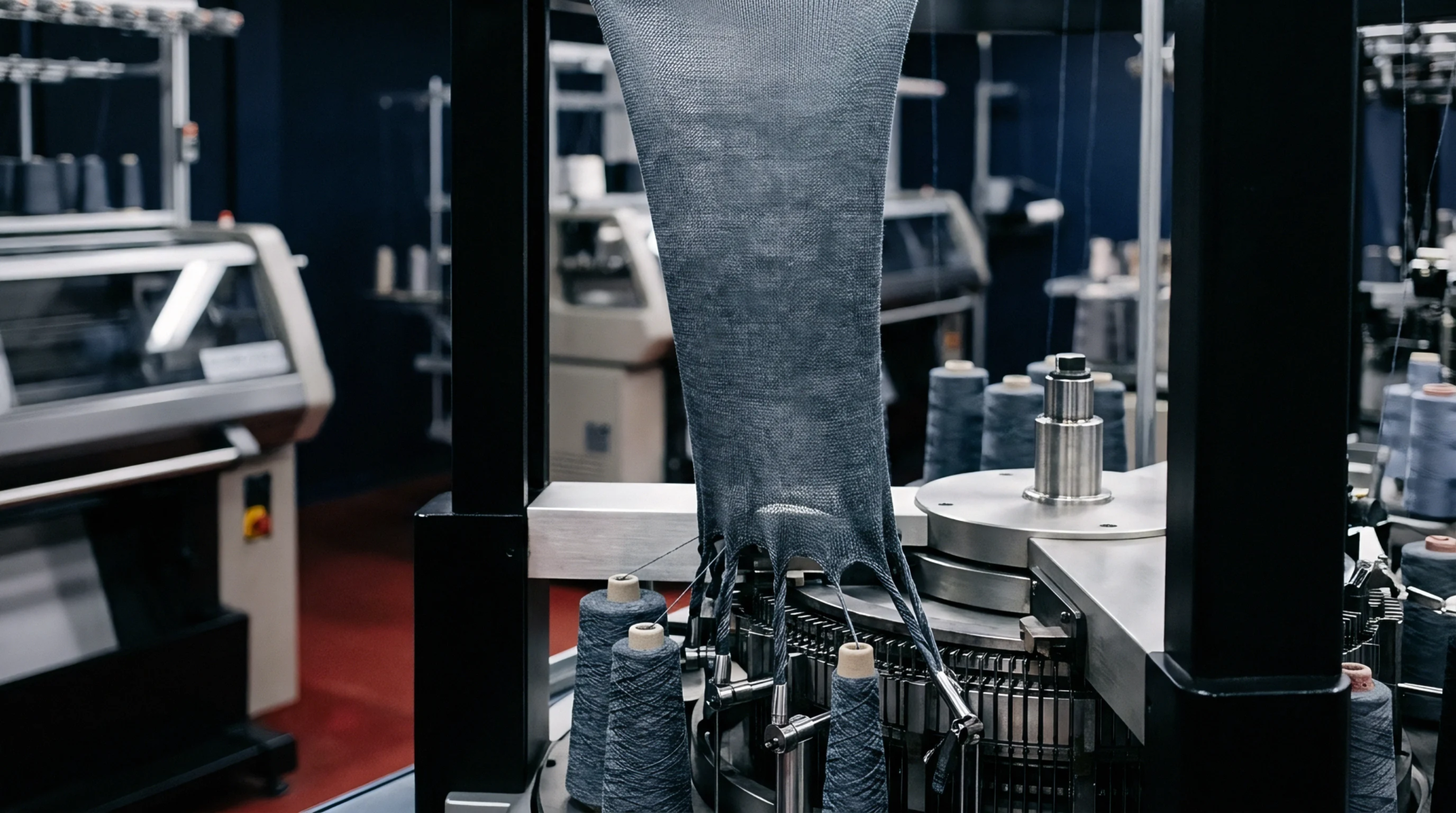
Polyolefin film contamination causes un-dyed resist defects in combed cotton yarn, driving fabric rejection rates above acceptable ASTM D5430 threshold limits.

Official moisture regain converts bone-dry wool yarn mass into contractually billable commercial weight, eliminating ambient moisture volatility from financial settlements.

Gravimetric oven drying determines accurate polymeric fibre regain by measuring dry mass after removing volatile moisture at specified temperatures.

Fragment identification via FTIR deconvolution and selective staining corrects quantitative solvent extraction errors in recycled ternary yarn analysis.

Dynamic baseline compensation algorithms eliminate regain spectral skew in high speed optical sorting, preventing blend misclassification and customs duty penalties.

Commercial mass determination reconciles clean dry polymer mass with official regain allowances to secure precise customs compliance and financial settlement.

Coupled aerodynamic and tribological modeling prevents binary staple segregation during pneumatic convey, securing blend accuracy and avoiding tariff reclassification.

Carding waste selectively extracts short cotton over synthetic staple, shifting sliver ratios by up to 2 percent synthetic enrichment unless compensated in laydown.

Determine commercial mass by calculating clean oven-dry mass from certified core samples and adding standard international commercial regain allowances to settle invoices.

Commercial regain corrections convert oven-dry laboratory residue masses into legal billed weights to prevent customs penalties and tariff misclassification.

Commercial mass corrections reconcile ocean freight combed cotton invoice weights by adjusting scale mass against oven-dry cellulose and standard 8.5% regain.

Determining raw cashmere fibre micron profiles in scoured bales requires core sampling, lipid extraction, and truncated bimodal histogram distribution analysis.

Resolving transboundary cashmere discrepancies requires ISO 17025 accredited SEM cuticle height analysis combined with ISO 6741 commercial moisture regain mass corrections.
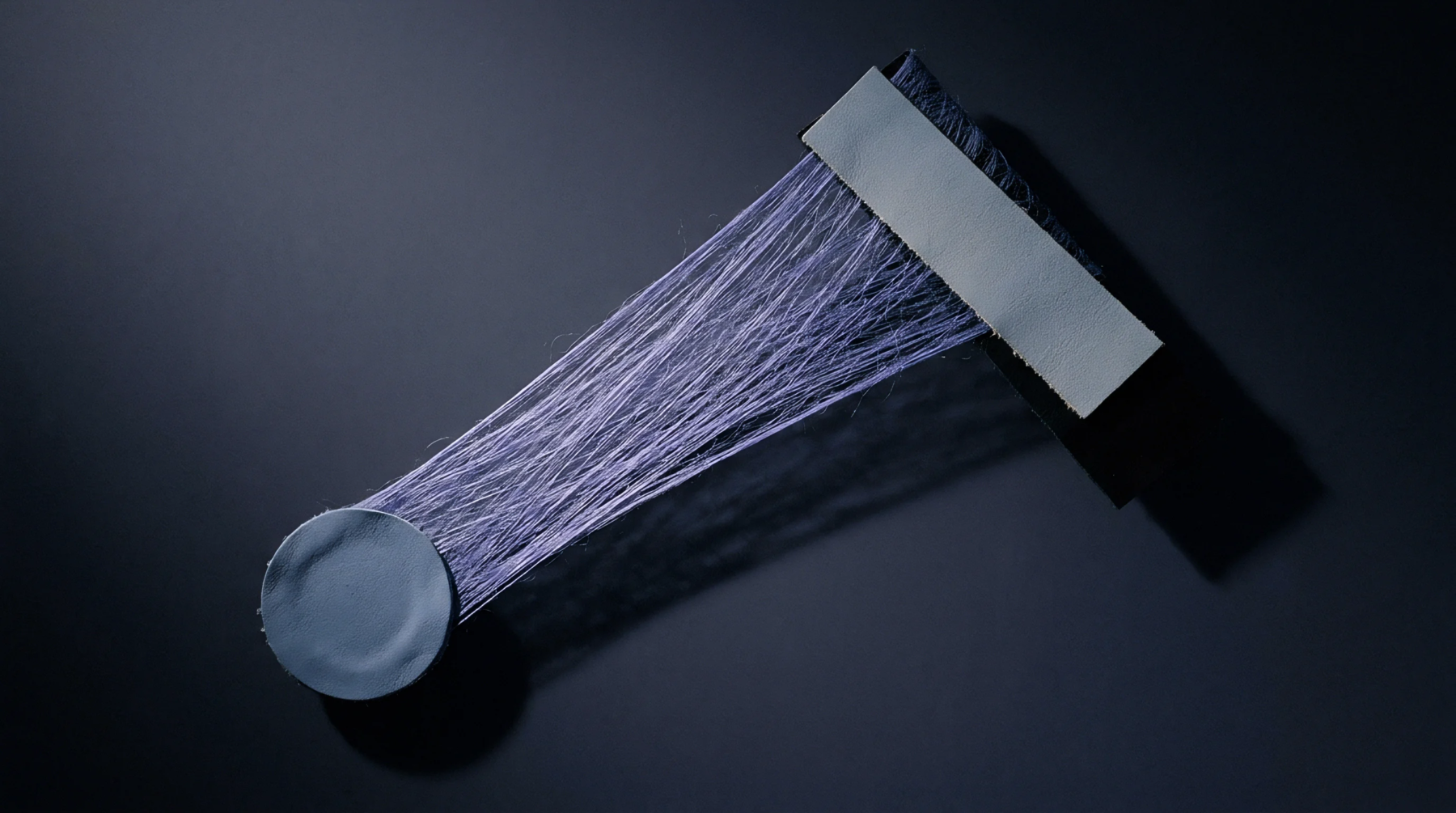
Customs compliance requires physical composition testing while brand claims rely on audited mass balance ledgers, forcing buyers to manage separate verification streams.

Dynamic thermodynamic hysteresis modeling converts volatile landed net scale weight to true dry mass, preventing systematic multi-fiber commercial invoice errors.

Scatter correction algorithms combined with nitrogen-purged Infragold cavity arrays eliminate high-speed refractive index artifacts for precise inline fiber blend verification.
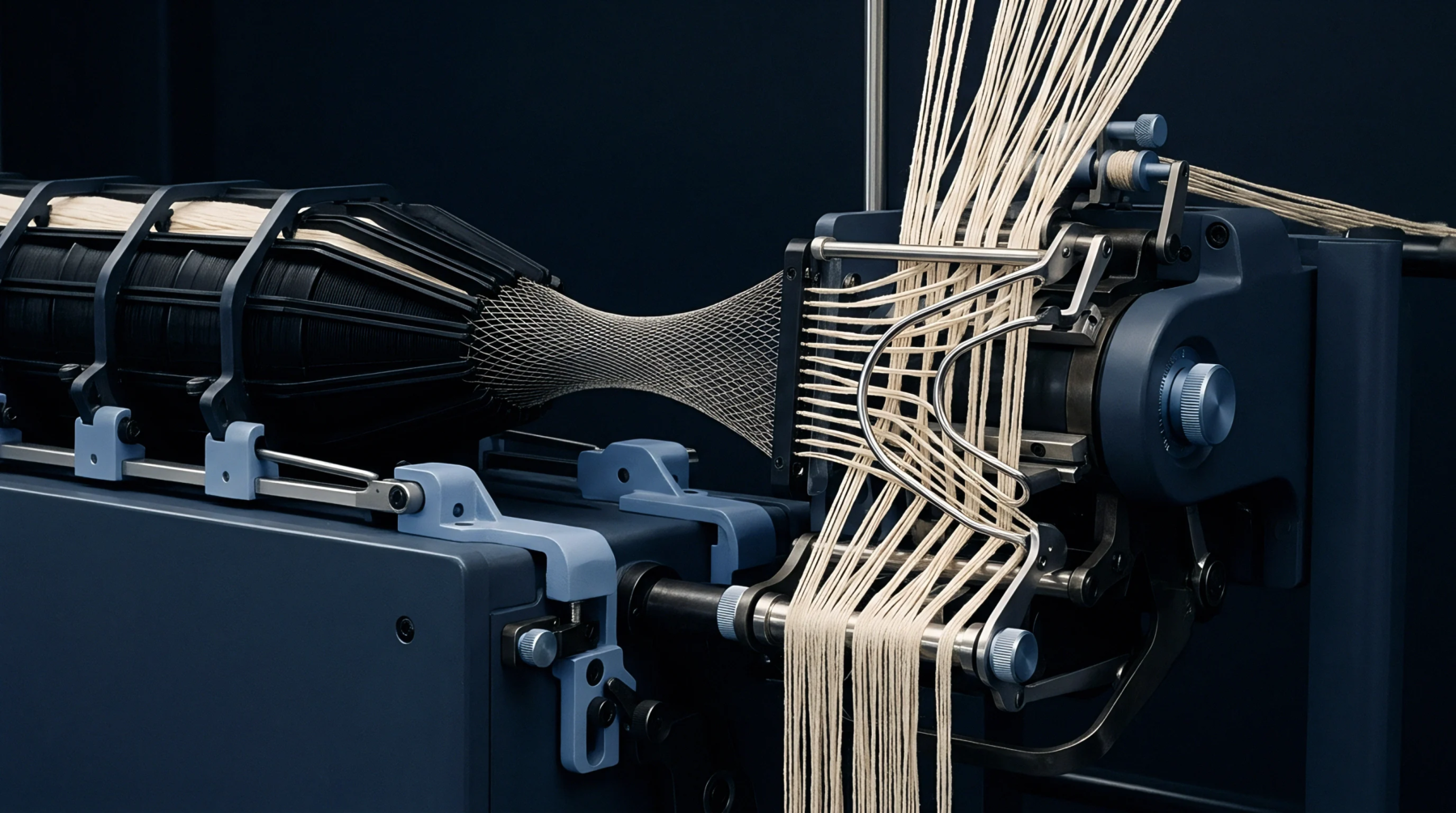
Standard core sampling extracts representative full-depth fibers across compressed bales to verify moisture, micronaire, and net scoured commercial mass.

Correcting HVI micronaire values for ambient temperature, pressure, and moisture regain prevents dynamic yarn strength failure in high-speed ring spinning.

Shortwave infrared sorters use dual-band InGaAs line scan cameras to detect synthetic polymers in cotton by targeting carbon-hydrogen absorption peaks.
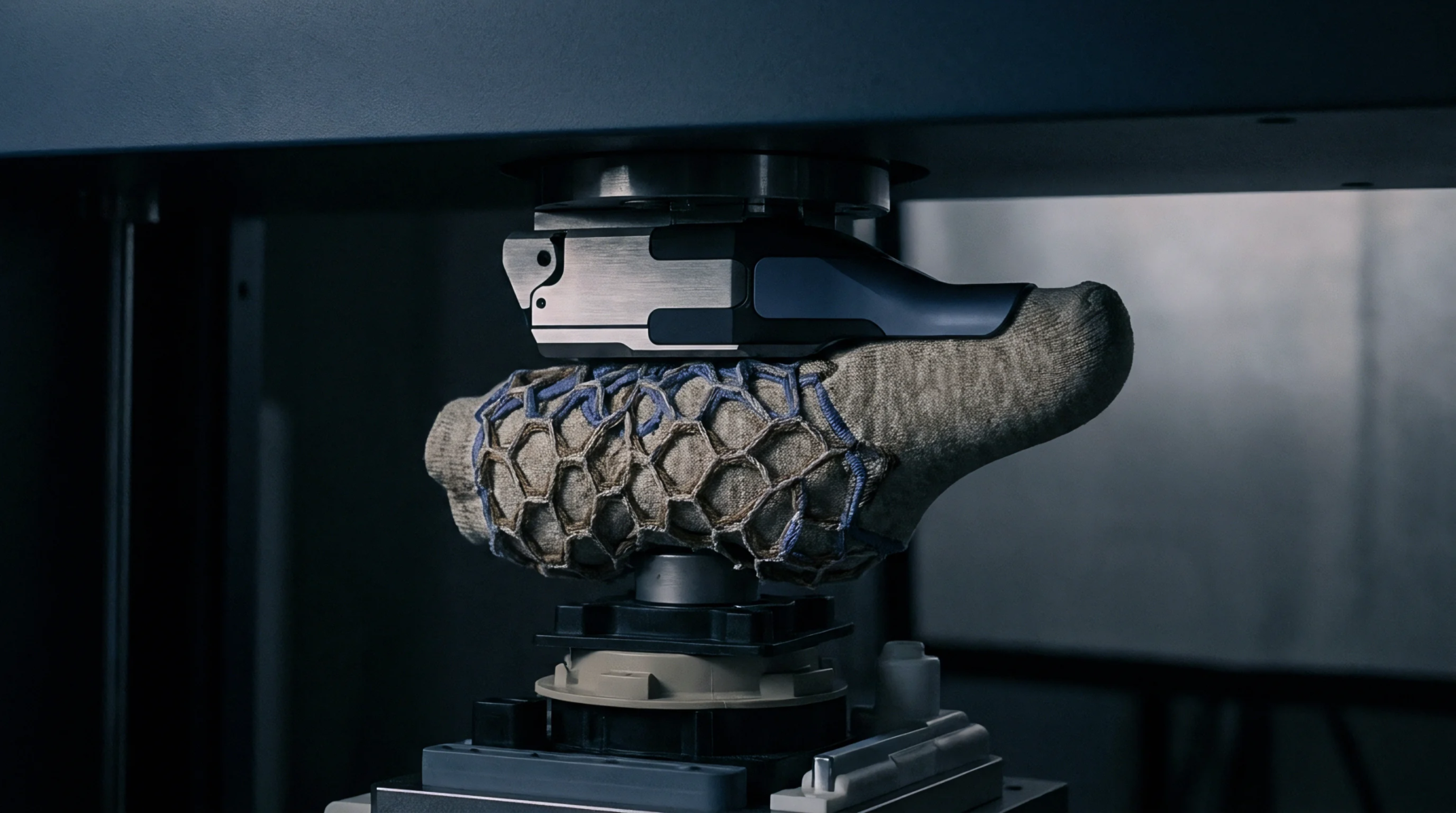
Solvent degreasing of oriented yarns demands strict bath temperature control below depressed glass transition thresholds to prevent chain relaxation and tenacity decay.
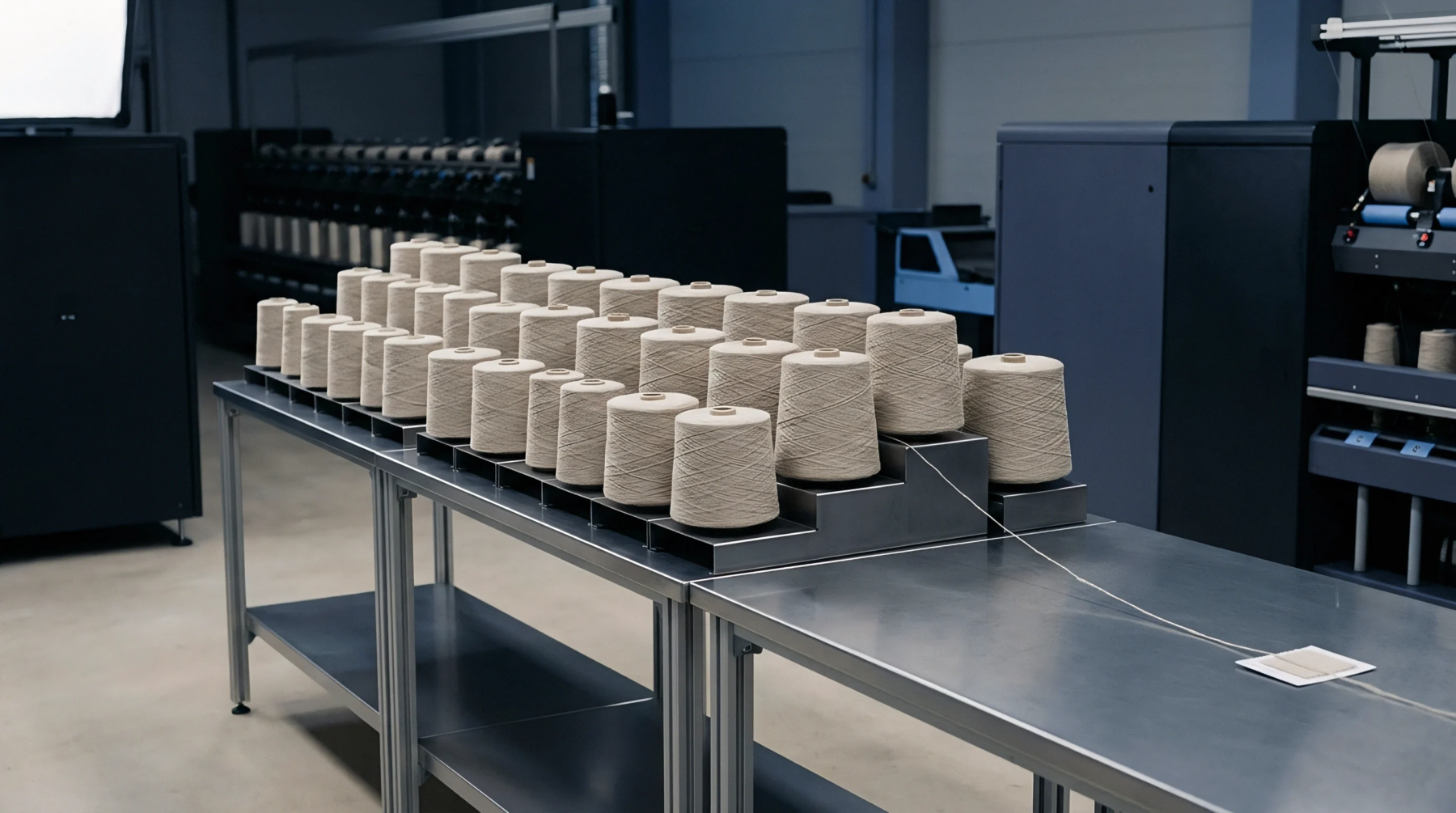
Standardized rapid automated extraction removes non-fibrous finish oils without swelling elastomeric cores, securing accurate composition testing and customs clearance.

Commercial regain calculations adjust oven-dry fiber weights to standardized moisture allowances, determining accurate customs blend percentages and duty.

Unextracted coning oils add false mass to insoluble fiber fractions during quantitative chemical dissolution, distorting declared viscose blend percentages.

Quantitative chemical dissolution corrections require applying d-factors and official commercial regain values to establish true dry fiber composition for invoice settlement.
Microstructural chain scission in recycled polyester increases chemical solubility and moisture regain, causing significant errors in laboratory blend verification.

Verifying declared synthetic fiber ratios requires standardized chemical dissolution, precise moisture regain adjustments, and statistical sampling to avoid customs reclassification.
Expertise is a utility, not a secret. sentiention™ publishes its working knowledge as open reference: intelligence layer covering the materials it sources, the markets it enters, and the reference that serves both.