Fibre Refinement
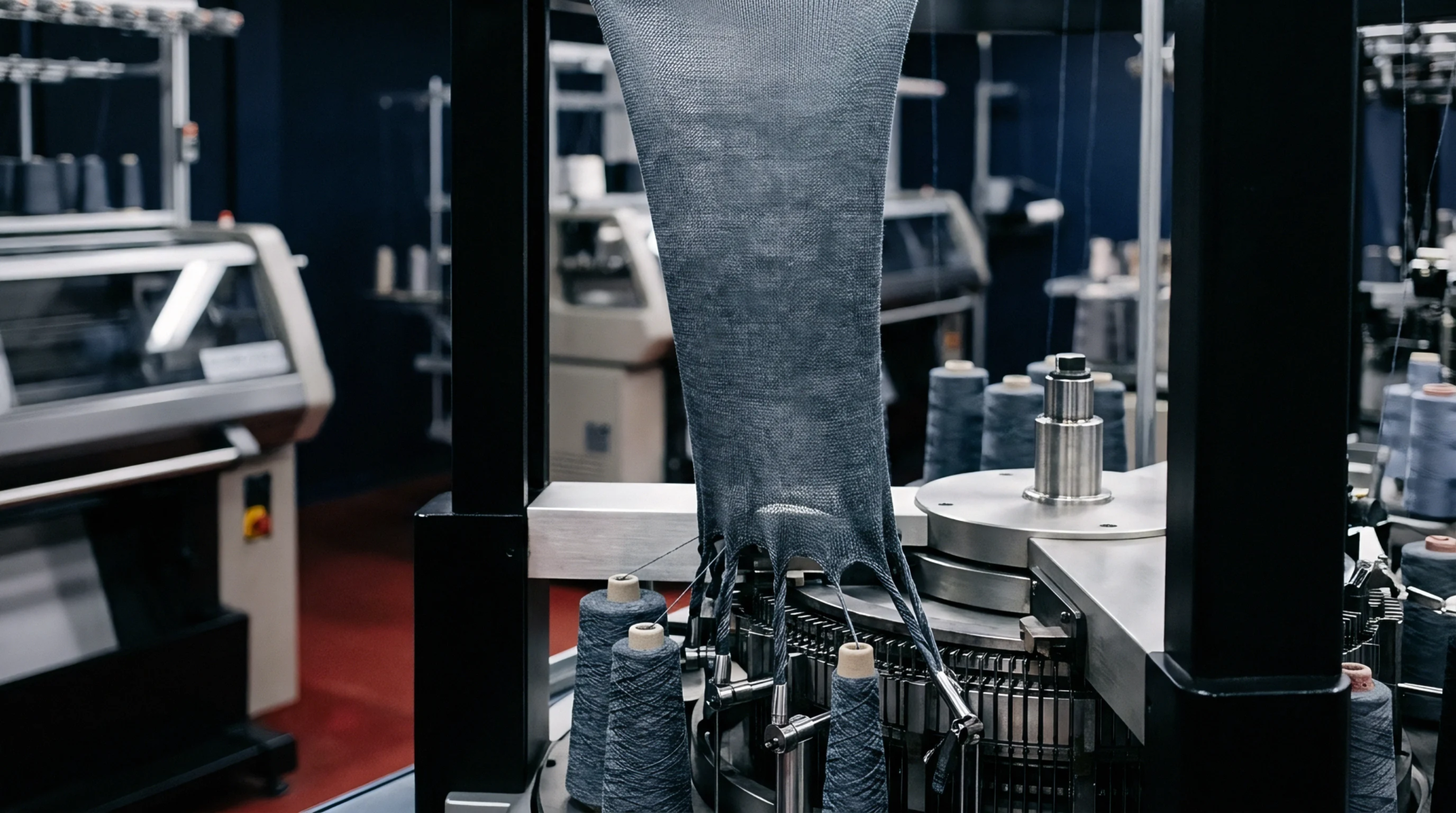
Mechanical extraction of short staples and impurities from carded sliver creates a uniform linear density in ring spun combed yarn. High tension draft zones align remaining long fibres to parallel positions, minimizing protruding hairiness and improving tensile strength. Mills verify these physical characteristics through electronic mass analysis before committing the material to high speed knitting or weaving operations.
Spinning Efficiency
Precise control of the traveler speed against the package diameter governs the twist insertion rate of ring spun combed yarn. Constant pressure from the ring rail ensures consistent density across the entire bobbin build. Friction management remains a primary technical constraint, as the metal contact surfaces influence the potential heat buildup and subsequent fibre degradation during extended production runs.
Fabric Performance
Apparel constructed with ring spun combed yarn resists pilling because the removal of short fibres limits the migration of loose ends to the surface. Stable geometry in the final textile structure follows directly from the high orientation achieved during the combing process. Consumers perceive a smoother hand and greater colour saturation in garments manufactured from this material compared to alternatives produced with shorter staple cotton.
Inspection Protocol
Laboratory assessment of ring spun combed yarn relies on the detection of thin spots and thick places using capacitive sensors. Absolute deviations from the target count determine the grade of the lot according to standard quality control systems for industrial textiles. Uniformity in the mass per unit length defines the economic value of the supply in global trade.