Fibre Contamination
Raw cotton processing requires complete removal of synthetic materials to prevent dyeing failures in finished fabrics. The presence of a ginning plastic inclusion occurs when plastic bags or agricultural bale wraps are shredded along with the cotton fibers during the ginning process. This contamination is difficult to detect before the cotton is spun into yarn.
Processing Disruptions
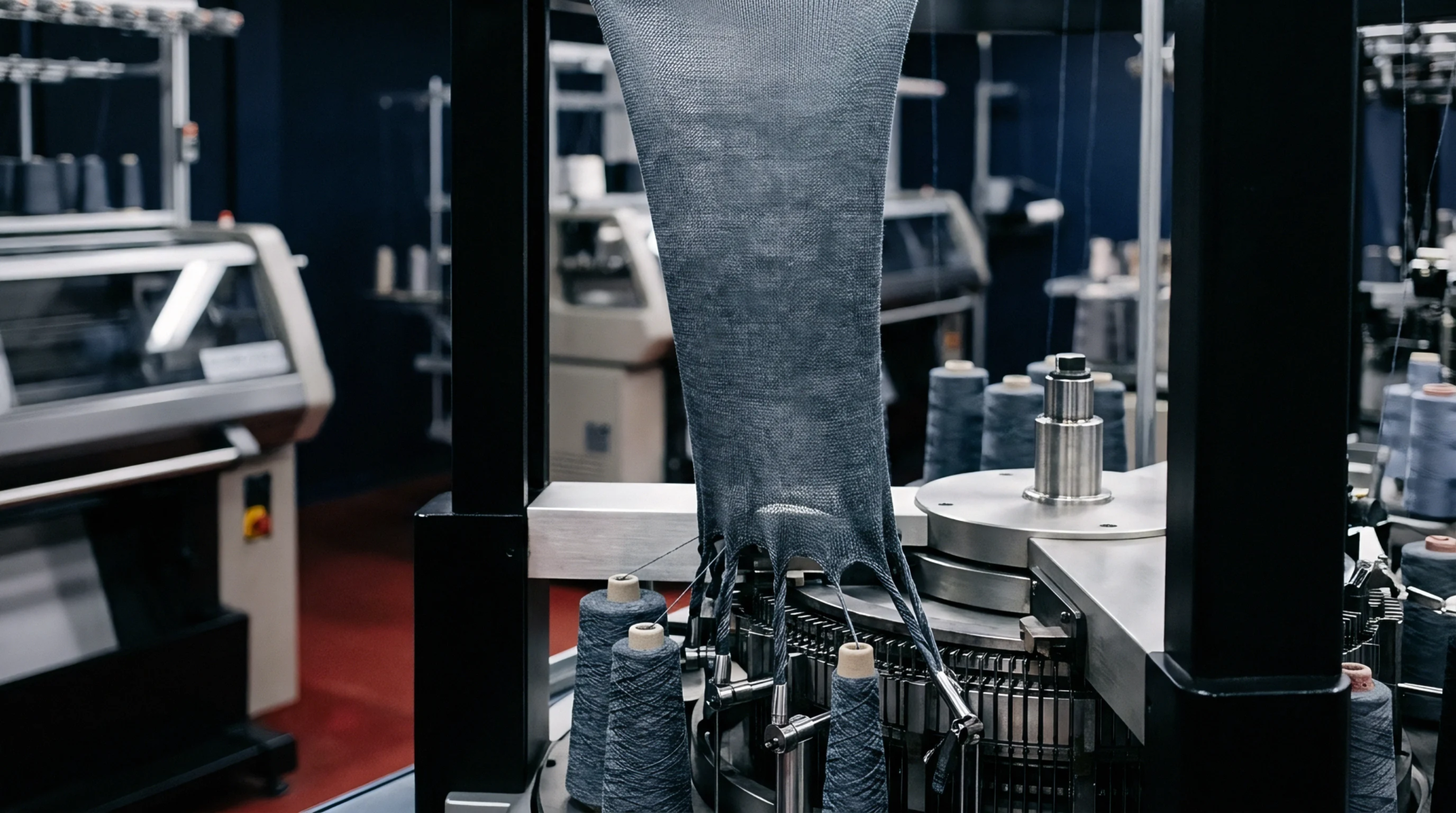
Spun yarn that contains these synthetic fragments will break frequently during the high-speed knitting or weaving stages. A single ginning plastic inclusion can stop a knitting machine or cause localized thin spots in the woven fabric. Mills track these occurrences to assess the quality of their cotton suppliers.
Dyeing Consequences
Polyethylene fragments do not absorb the reactive dyes used for cotton fibers. The resulting fabric displays uncolored flecks that spoil the appearance of dyed garments. Correcting these defects is extremely expensive and often requires manual spot treatment or downgrading the entire fabric batch.
Detection Methods
Spinning mills use specialized optical sensors on the automatic winding machines to catch these synthetic contaminants before they reach the packaging stage. These sensors identify the non-cotton fibers by their light transmission properties and automatically cut the affected yarn sections. High-speed cameras analyze the yarn profile as it passes the sensor at speeds exceeding one thousand meters per minute.
The system triggers an pneumatic knife to remove the contaminant whenever a difference in transparency or color is detected, ensuring that only pure cotton yarn is wound onto the final cone.