Carding Force
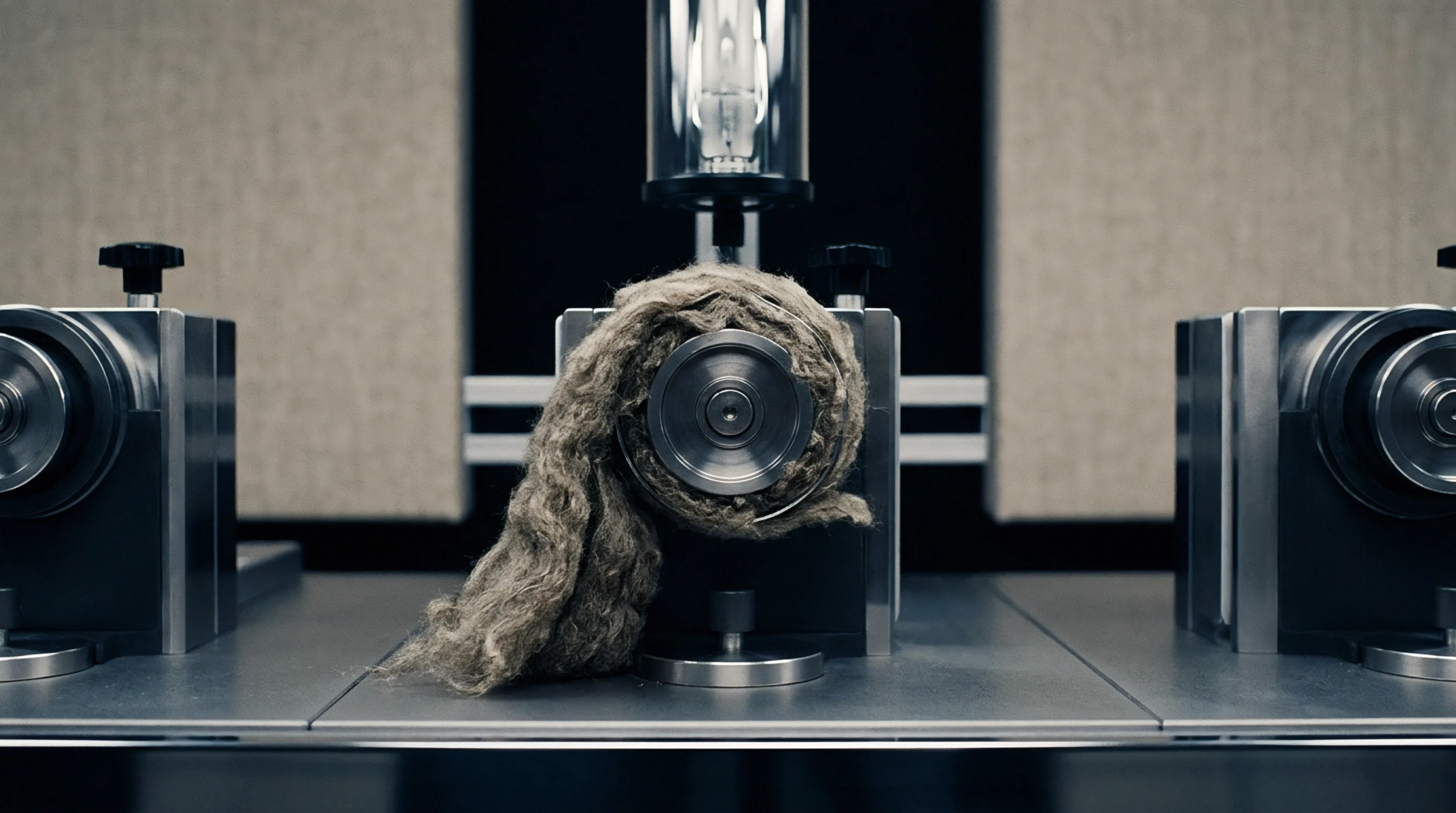
The internal pressure rating for a metallic wire clothing system denotes the pounds per square inch exerted by the wire foundation against the main cylinder surface during high speed fiber processing. This main cylinder clothing ppsi measurement determines the physical stability of the carding wire when subjected to centrifugal force and heavy load throughput. Engineers calculate this value to prevent wire lifting or deformation that occurs when the tensioning process fails to account for radial expansion under operational heat.
Centrifugal Expansion
Material fatigue within the wire base leads to a reduction in the contact patch between the foundation and the iron core. A lower main cylinder clothing ppsi value indicates that the wire grip slackens at high revolutions per minute. Production facilities maintain specific pressure levels to ensure that the wire remains seated firmly against the cylinder under heavy fiber throughput.
Installation Tolerance
Technicians verify the required main cylinder clothing ppsi during the winding process to guarantee that the wire remains stationary under mechanical stress. Tight winding protocols avoid localized pressure spikes that damage the cylinder jacket or the wire teeth themselves. Each manufacturer provides a specific range that accounts for the metal alloy properties and the total length of the wire mounted on the unit.
Operational Stability
Consistent application of this force prevents catastrophic wire failure that occurs if the mounting tension falls below the minimum threshold. Higher pressure settings compensate for the natural tendency of metallic clothing to stretch over time during extended runs. Stable wire geometry preserves the carding action and produces uniform sliver quality across the entire width of the machine.