Analytical Method
High-value hair fibers like cashmere and mohair require microscopic examination to verify their purity and prevent fraudulent blending with wool. Implementing ISO 17751-1 Optical Microscopy allows laboratories to distinguish different animal fibers by analyzing their surface scales and internal structure. The procedure provides a foundation for commercial fiber analysis.
Diagnostic Test
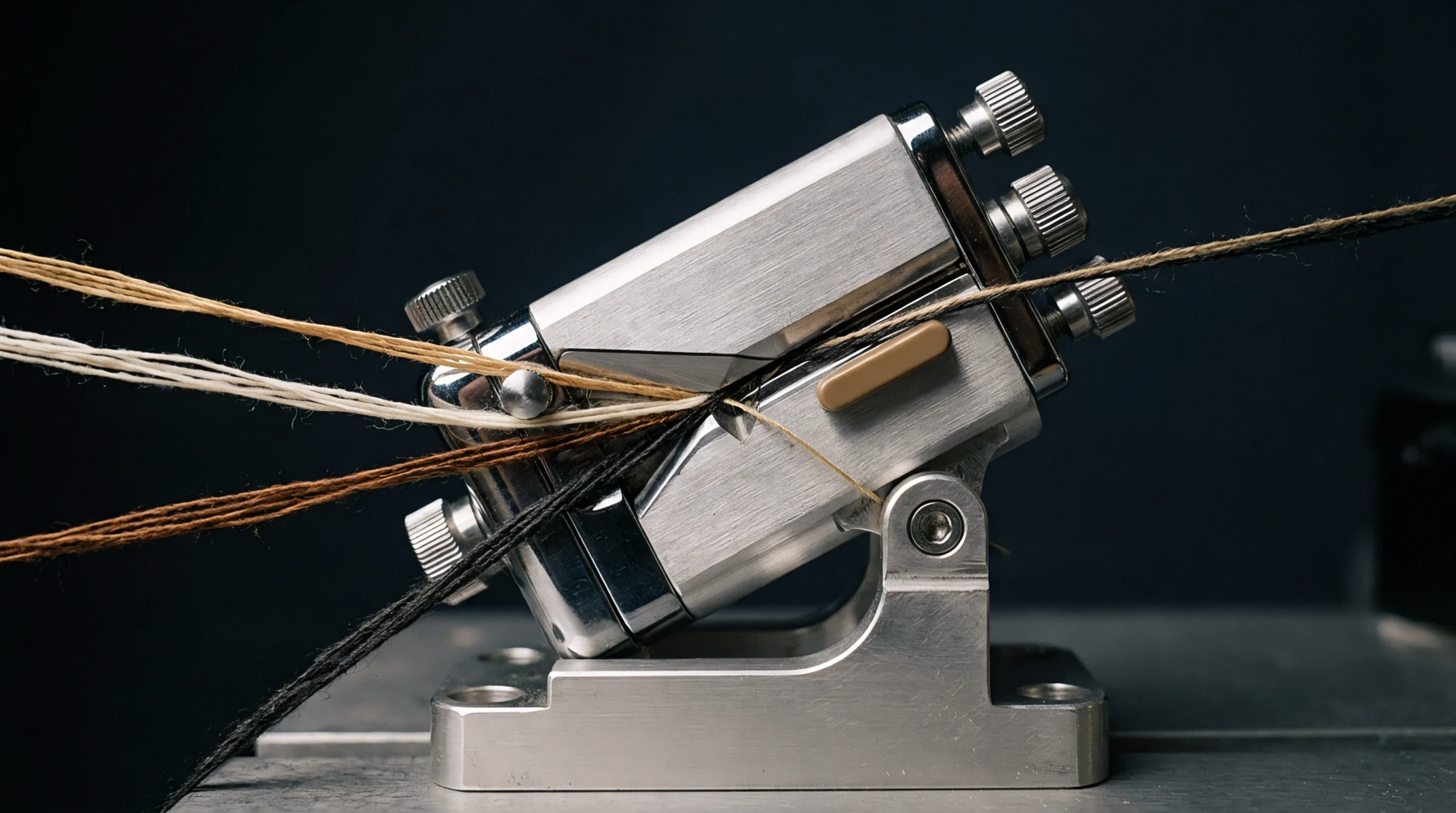
Laboratory technicians prepare longitudinal and cross-sectional specimens on glass slides using a specialized microtome. The ISO 17751-1 Optical Microscopy process uses transmitted light to measure fiber diameter and study scale height or scale edge profile. Technicians count and evaluate hundreds of fibers per sample to establish a statistically valid distribution.
This analysis can detect sheep wool blended into cashmere knitwear. The results determine whether a shipment is rejected for mislabeling and whether financial penalties are applied.
Calibration Factor
Fiber diameter measurement relies on calibrated micrometer scales and high-resolution camera systems connected to the microscope. While ISO 17751-1 Optical Microscopy is accurate, it is heavily dependent on the skill of the operator to recognize subtle scale differences. Standard wool fibers show thick, prominent scales, while cashmere has smooth, indistinct scale margins.
Daily calibration against known reference fibers is necessary to maintain accuracy.
Material Identification
Quality control teams run this test when importing raw wool or blended yarn from overseas spinning mills. Verifying fiber composition through this standard ensures compliance with international textile labeling laws. The test is completed before the raw yarn is dyed and knitted into garments.
If a blend is discovered, the buyer can demand a discount.