
Yarn Forward Origin Rules Deciding Preferential Duty on Woven Apparel
Preferential duty under yarn-forward rules demands unbroken regional origin from spinning and weaving to garment assembly backed by verified mill traveler cards.
Preferential duty under yarn-forward rules demands unbroken regional origin from spinning and weaving to garment assembly backed by verified mill traveler cards.

Commercial billing for transit moisture discrepancies requires oven-dry core testing and contract commercial regain allowance formulas.

Determining dry mass ratios requires desiccation at 105 °C, selective chemical dissolution under ISO 1833, d-factor correction, and commercial regain adjustments.

Combing cotton sliver below 5.5% short fiber content raises rotor yarn tenacity ceilings to 18.5 cN/tex by reducing friction slip inside the rotor groove.

AFIS short fiber content by weight in raw cotton must remain below 8.5 percent to prevent severe mass variance and tenacity drop in carded yarn spinning.

Deamidation artifacts shift peptide mass by 0.984 Da and skew LC-MS curves; resolving them demands integrating modified variant peak areas into standard models.

LC-MS/MS biomarker quantification measures species-specific keratin peptide markers to verify cashmere yarn purity within a 1.0 percent mass limit of quantification.

LC-MS/MS tryptic peptide analysis provides species-specific verification of fine animal fibers, overriding optical scale degradation in processed blends.

Sulfuric acid extraction isolates polyester residue to verify yarn composition against commercial moisture regain standards and tariff weight thresholds.

Optical sorter limits depend on tuft opening, duct air velocity, and spectral contrast between white polypropylene and raw cotton fibers.

Solvent extraction coupled with liquid chromatography isolates synthetic yarn cyclic oligomers to set strict delivery specs and stop knitting deposit failures.

Chlorinated Soxhlet solvents remove hydrophilic polyether spin finishes completely but risk co-extracting polymer oligomers, shifting baseline dry fiber mass.

Transit moisture absorption alters ocean container cargo mass beyond standard laboratory regain corrections, creating financial and customs discrepancies.

Pre-extract spin finishes with petroleum ether and apply accurate d-value corrections to ensure precise cotton-viscose gravimetric separation and tariff compliance.
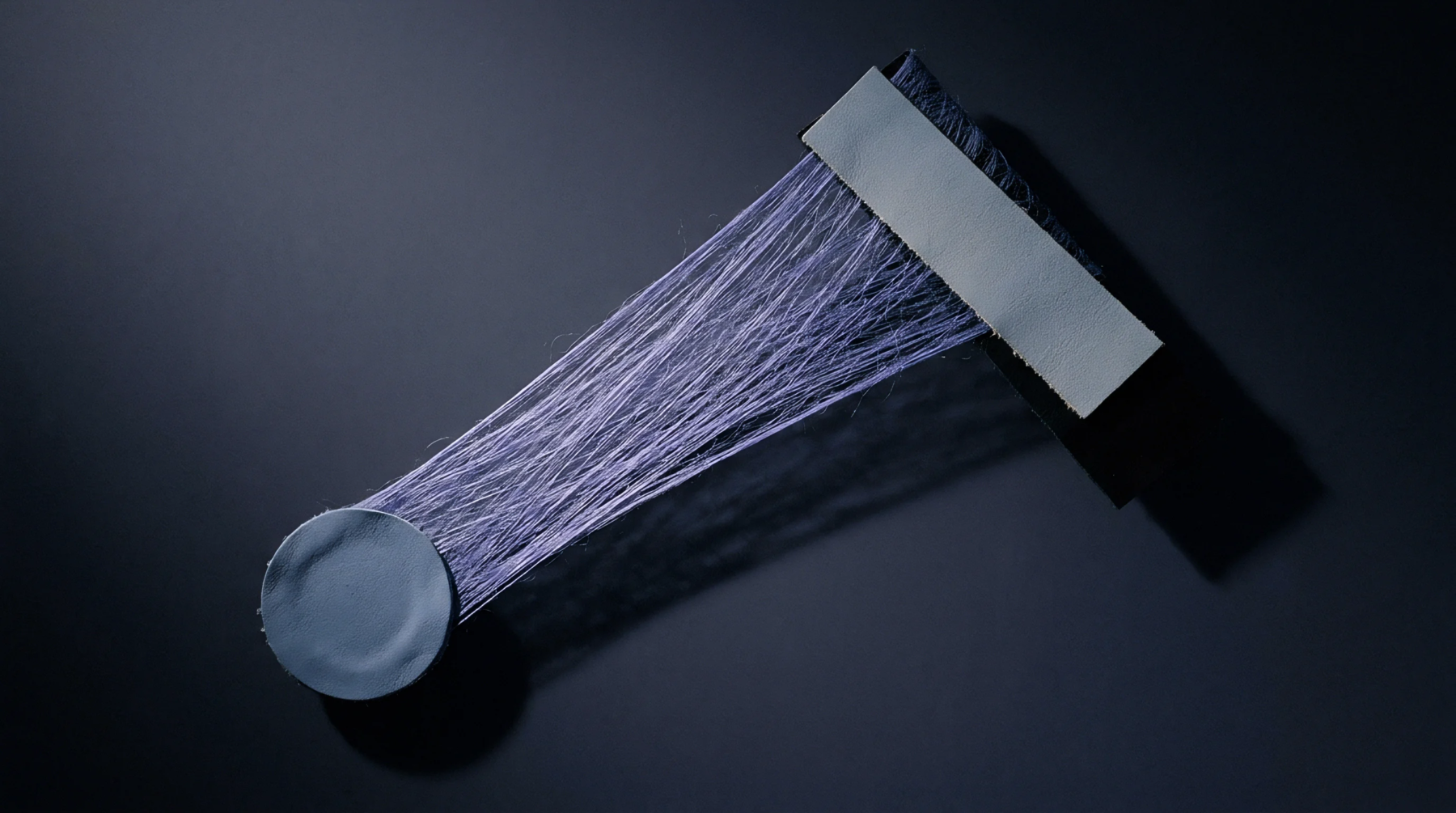
Commercial mass calculations adjust raw import dock weights to certified oven-dry mass plus standard moisture regain values for exact invoice settlement.
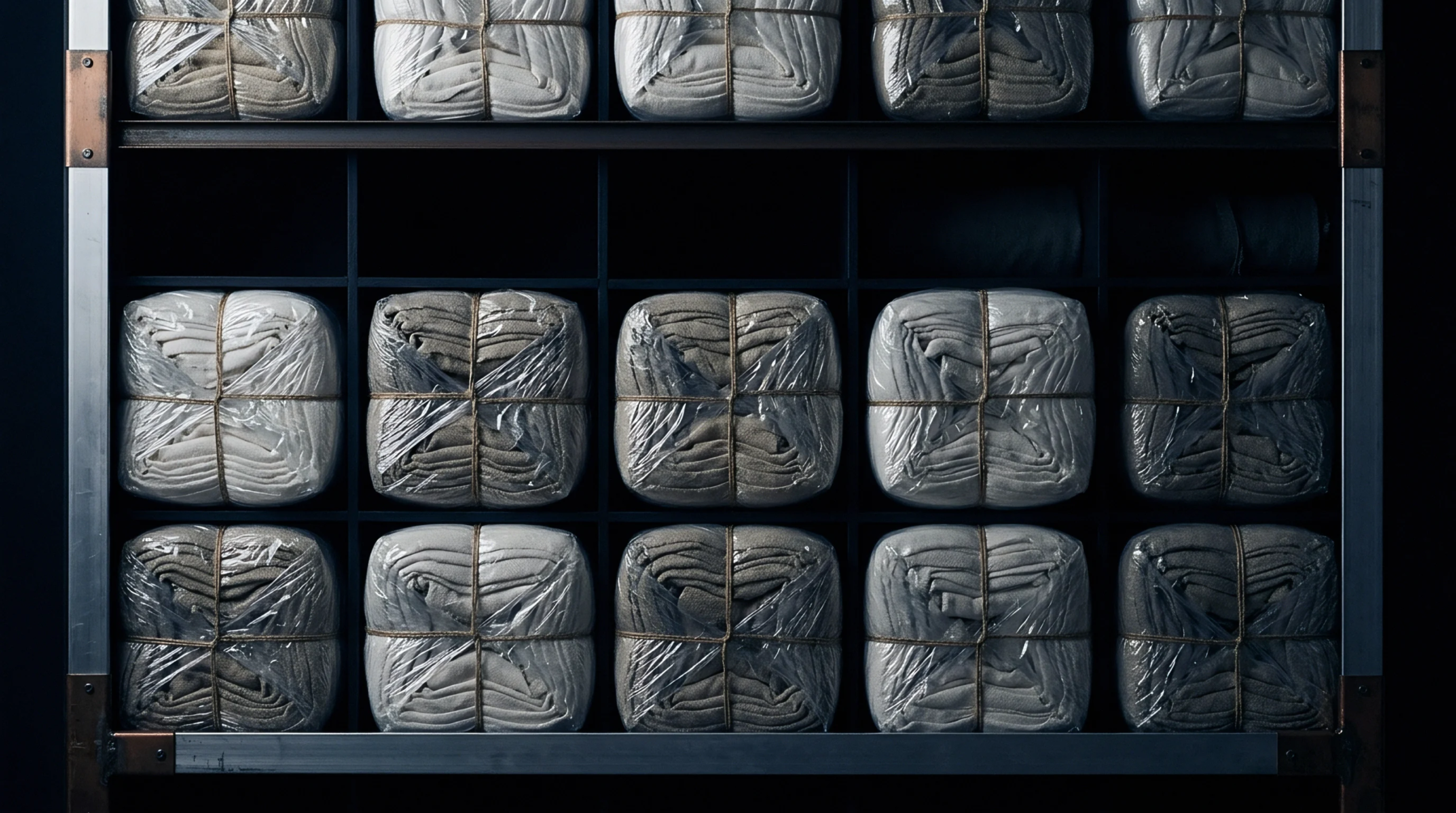
Calibrate high-speed InGaAs spectroscopic arrays using two-point reference standardization to detect and eject clear polyolefin film in blowroom chutes.

Core sampling raw cotton requires deep core extraction, standard atmosphere conditioning, and calibrated instrument verification to secure commercial payment accuracy.

Commercial mass calculations adjust physical scale weight to agreed moisture regains, protecting yarn buyers from paying for excess atmospheric water.

Resolving cashmere diameter discrepancies requires specifying IWTO test methods, conditioning samples under ISO 139, and contracting binding referee arbitration.

Polymeric fibre desorption hysteresis traps bound water during ocean transit, requiring commercial mass adjustments based on core gravimetric oven testing.

Commercial mass calculations prevent paying for atmospheric moisture by basing billing on clean dry mass plus official fiber regain allowances.

Optimize cotton staple selection by matching upper half mean length and short fiber index to target yarn counts to prevent drafting defects and lower landed yarn costs.

Wet finishing contraction alters fabric mass per square metre and relative fiber weight fractions, driving tariff classification drift and landed cost escalation.

LC-MS/MS proteomic profiling quantifies species-specific keratin peptide markers, bypassing optical scale damage to verify fine animal fiber purity.

Quantitative solvent extraction defines yarn blend ratios by dry mass, determining tariff headings where a 1 percent shift alters landed duty costs.

Dynamic spatial masking in optical tuft sorting elevates the noise floor, obscuring low-contrast polypropylene and trash defects under variable flow speeds.

Extended InGaAs sensors expand optical contaminant contrast up to 2.2 micrometers, trading lower quantum efficiency and higher dark current for absolute polypropylene detection.
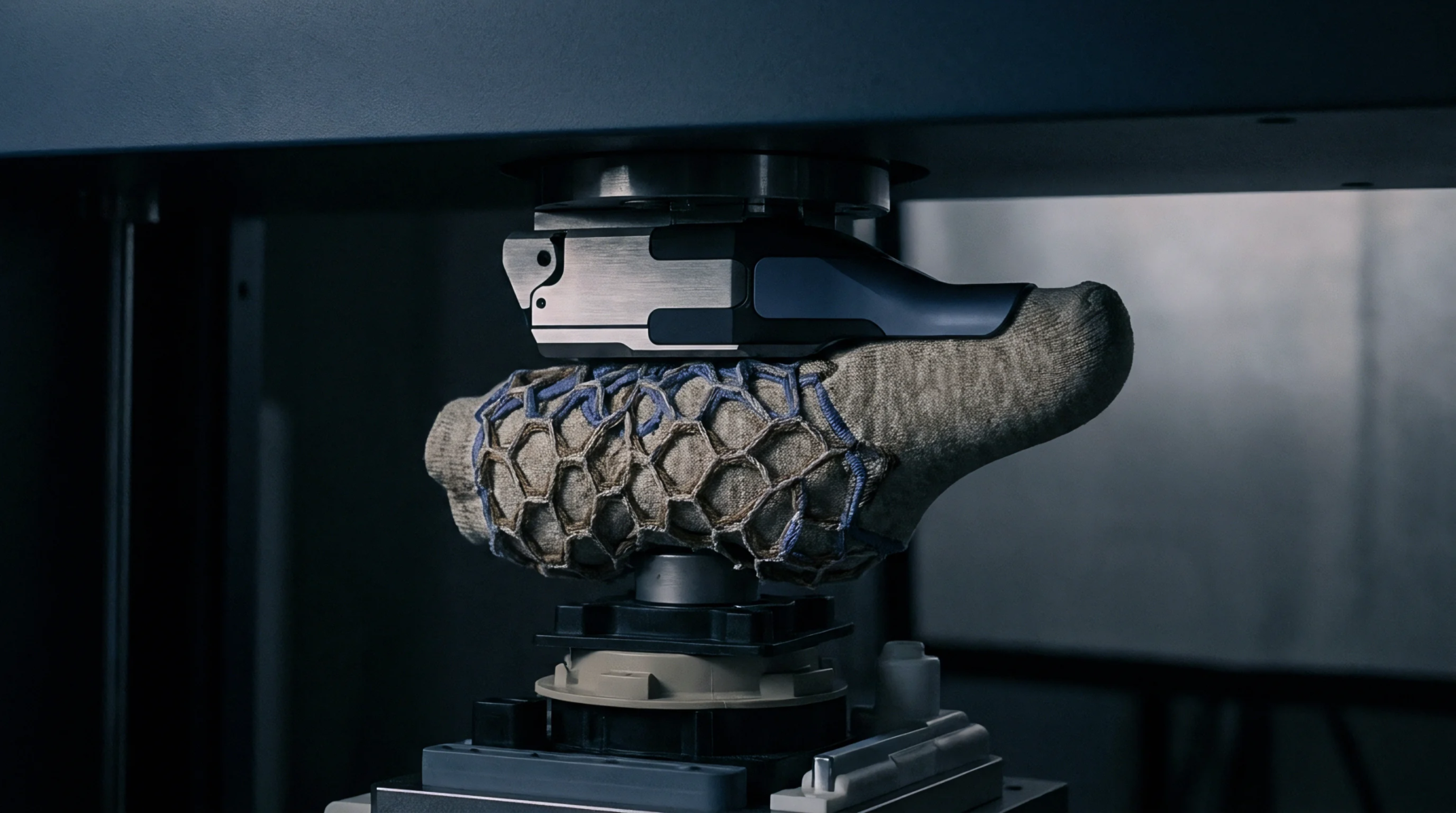
Chlorinated solvent extraction of synthetic yarns leaches structural cyclic oligomers, requiring chromatographic baseline corrections to prevent inflated finish oil counts.

Removing non-fibrous finish via standard solvent extraction before chemical separation ensures accurate clean dry fiber mass and correct customs tariff classification.

Select standard InGaAs for cost-effective detection up to 1700 nm, or cooled extended InGaAs to capture 2200 nm polypropylene combination bands cleanly.
Expertise is a utility, not a secret. sentiention™ publishes its working knowledge as open reference: intelligence layer covering the materials it sources, the markets it enters, and the reference that serves both.