Pixel Density
Imaging detail metrics determine the smallest feature that an automated inspection system can reliably detect on a moving textile surface. The specification of spatial resolution refers to the number of pixels used to represent a specific area of the fabric, usually measured in millimeters per pixel. A higher resolution means that the camera can see smaller defects like thin yarns or tiny pinholes.
This is achieved by using sensors with a large number of pixels or by positioning the camera closer to the material. The choice of lens also affects the clarity of the image and the precision of the measurement. In a textile mill, the required resolution depends on the type of fabric and the nature of the defects being sought.
Feature Detection
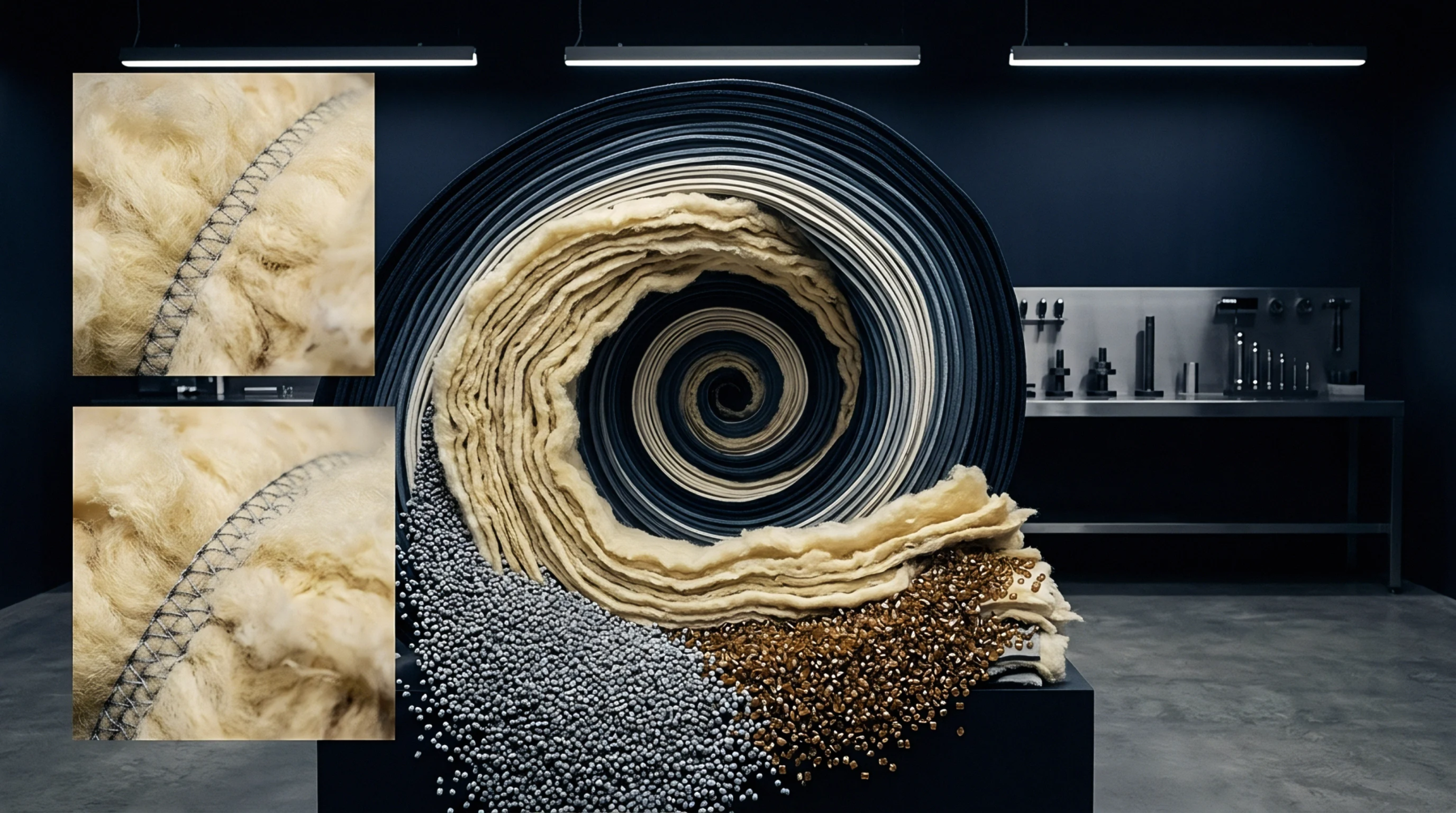
Reliable identification of contaminants and structural errors depends on having enough detail to distinguish them from the normal texture of the weave. Increasing the spatial resolution allows the software to recognize subtle patterns and the individual threads of a fabric. This is essential for inspecting high density materials like parachute cloth or medical filters where even a small error can have serious consequences.
If the resolution is too low, small defects will be blurred and missed by the detection algorithm. However, higher resolution also generates more data, which requires more powerful processors to analyze in real time. The goal is to find the balance between the level of detail needed and the speed of the production line.
Sensor Geometry
Physical arrangement of the imaging hardware and the distance to the target define the field of view and the resulting image quality. When calculating the spatial resolution, the width of the fabric and the number of pixels in the camera sensor are the primary variables. For a fixed sensor, a wider field of view results in a lower resolution.
This is why multiple cameras are often used to cover the full width of a wide stenter or knitting machine. The alignment of these cameras must be precise to ensure that there are no gaps or overlaps in the inspection area. Lighting also plays a role, as a well lit surface shows more detail than a shadowed one.
Proper calibration ensures that the measurements are consistent across the entire width of the machine.
Inspection Accuracy
High quality standards in the apparel industry require that every defect is correctly identified and classified. Success of an automated system is measured by its ability to maintain a high spatial resolution at the maximum speed of the factory. This accuracy allows the mill to provide detailed quality reports to their customers and to reduce the amount of waste.
The data can also be used to track the performance of individual looms and to identify the root causes of recurring issues. As camera technology improves, the cost of high resolution systems is decreasing, making them available to more manufacturers. This leads to a general improvement in the quality of garments available on the market.
The final inspection report is only as good as the resolution of the images used to create it.