Flow Rate
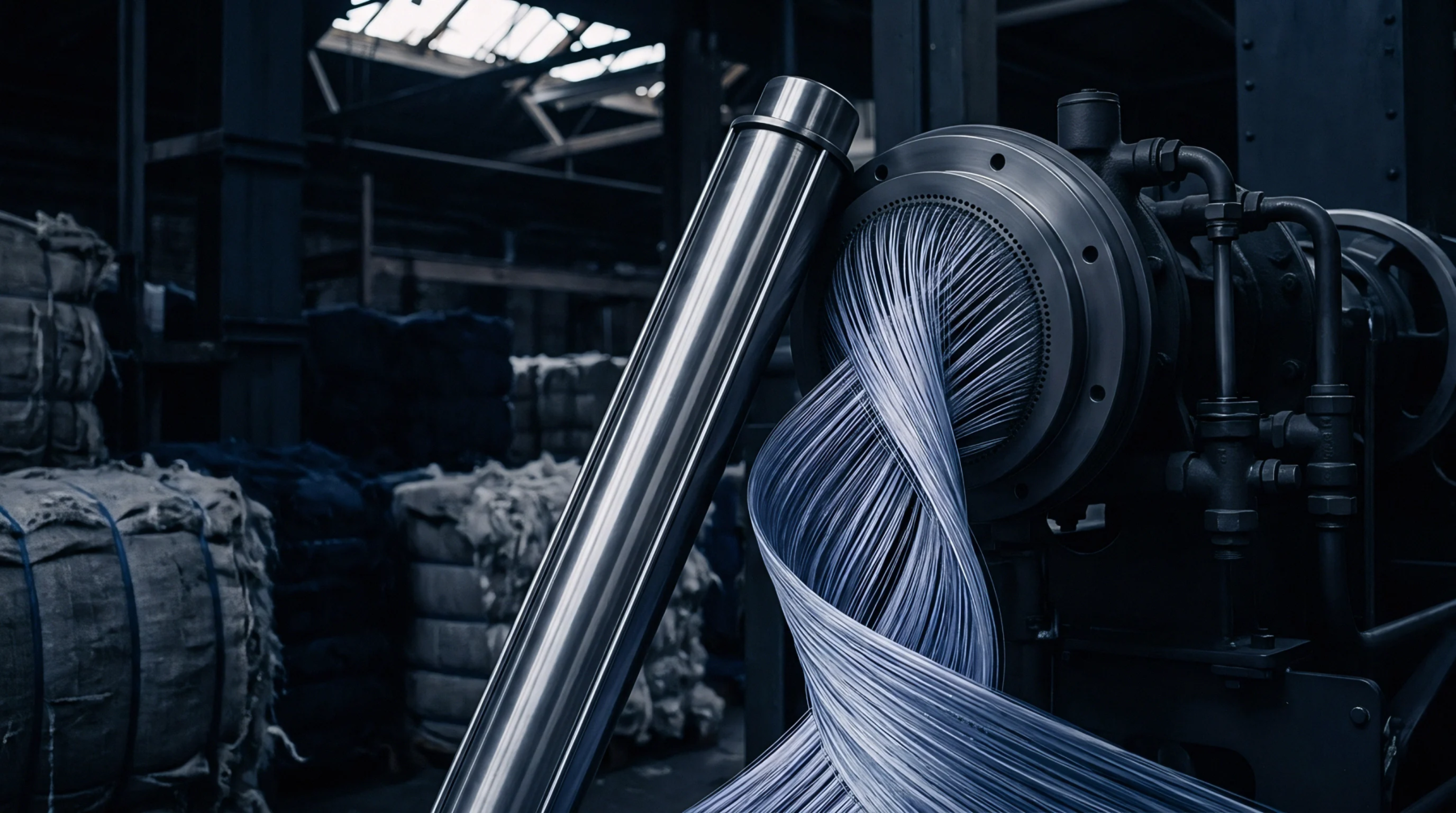
Laboratory standardized measurement of airflow velocity passing perpendicularly through a specified surface area of fabric under controlled pressure differentials identifies the breathability and wind-resistance boundaries of textile structures. Standard methods for air permeability testing apply steady air pressure across clamped fabric specimens, recording the volume of air transferred per unit time across designated surface areas. The verification protocol stops applying when structural coatings or impermeable films completely seal the textile matrix, shifting fluid mechanics from porous media flow to film diffusion.
Differential Pressure
Test apparatuses clamp specimen discs against open chambers while drawing calibrated suction through test heads. A calibrated manometer monitors air resistance at twenty square centimetres of test area, while a sensor records total air volume passing through woven yarns. Higher differential pressure compresses soft pile fabrics, which alters the measured pore geometry during high-vacuum test cycles.
Porous Boundary
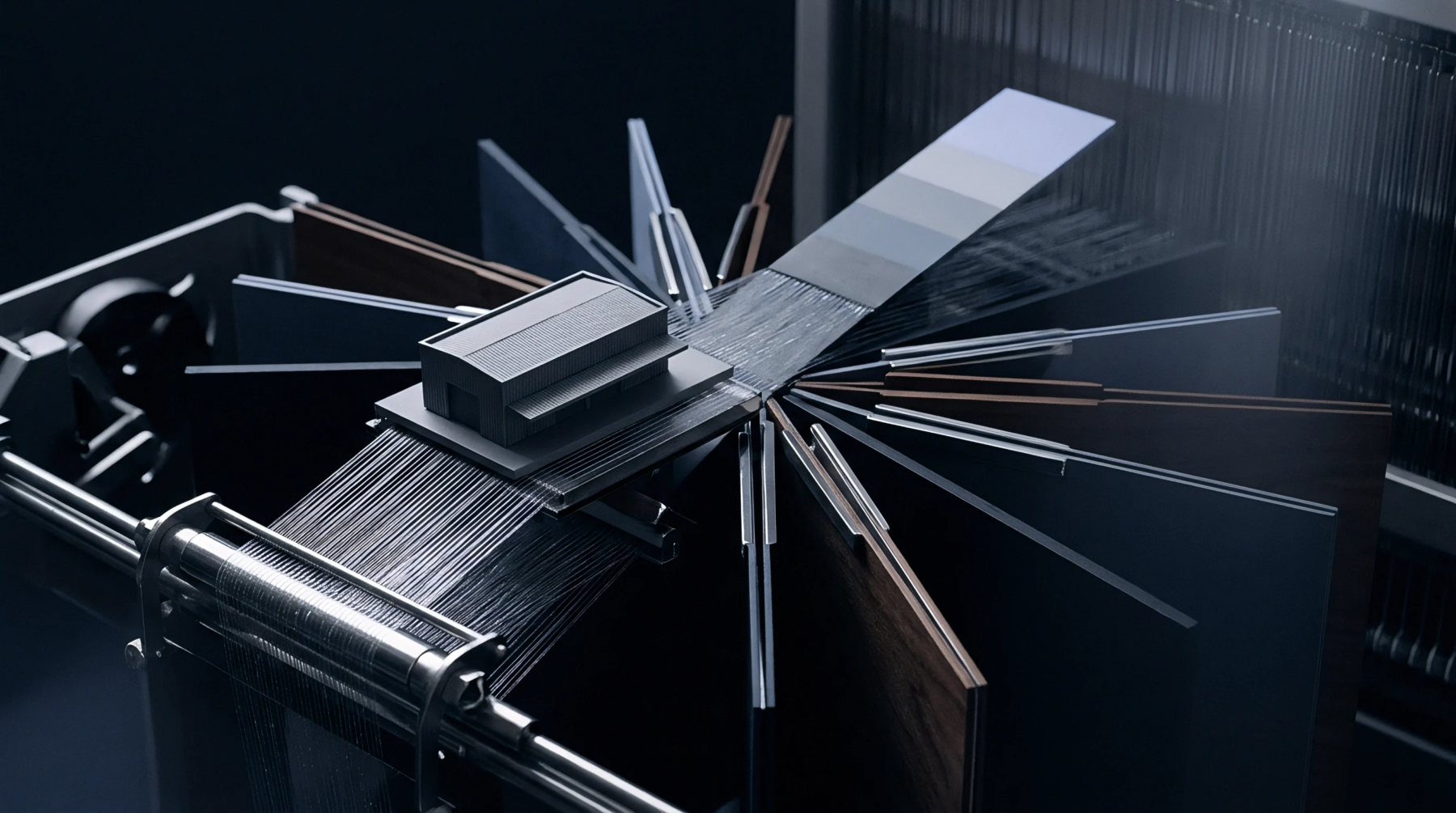
High permeability values indicate open fabric constructions suitable for activewear or summer apparel, whereas low values mark tightly woven structures designed for outerwear or industrial filtration. Mill specifications require precise air permeability testing across multiple production rolls to verify consistency between finishing batches. Variations in yarn twist or reed spacing alter air movement across the weave.
Apparel Performance
Outerwear laminates rely on breathability thresholds to allow perspiration vapor escape while preventing cold wind penetration. Buyers reject shipments failing specified airflow limits. Consistent air permeability testing establishes verifiable quality benchmarks for commercial technical textiles.