
Quantification Limits and Solvation Variance in Cross Border Chemical Compliance Audits
Solvation choices and matrix binding alter chemical extraction yields, making laboratory methodology details decisive in cross border compliance audits.

Solvation choices and matrix binding alter chemical extraction yields, making laboratory methodology details decisive in cross border compliance audits.

Hydrothermal finishing minimizes woven biaxial strain energy by plasticizing fiber bonds, allowing tensionless crimp interchange to set stable dimensions.

Finished fabric density derives directly from loom reed spacing and total length shrinkage across wet processing.

Applying ISO 6741 commercial regain adjustments converts clean dry mass into invoiced commercial weight, eliminating moisture weight errors in blend purchases.

Commercial regain calculations standardize textile import weights by converting wet scale mass to oven-dry mass and adding statutory moisture allowances.

Aromatic amine testing requires matching substrate fibre chemistry to EN ISO 14362 extraction protocols to prevent false negatives in synthetic blends.

Thermogravimetric verification decouples synthetic ester volatilization from cellulose pyrolysis to deliver true finish oil content for matrix dissolution.

Nested two-stage variance decomposition isolates between-roll drift from within-roll position gradients to enforce contract sett tolerances in bulk fabric orders.

Combat matrix interference in rPET fluorine screening by verifying matrix spike recoveries and mandating solvent extraction LC-MS/MS for borderline results.

Variables acceptance sampling under ISO 3951-1 cuts greige sett verification roll swatches by sixty percent while mathematically securing downstream yields.

Gravimetric determination of viscose polyester blends requires solvent pre-extraction to prevent non-fibrous matter bias from shifting commercial blend claims.

Pre-treatment solvent extraction eliminates spin finish mass errors, ensuring precise quantitative fiber analysis and valid tariff classification.

Statistical process control thresholds for composite chemical screening require dividing statutory limits by pooling ratios and adjusting for analytical recovery.

Verify woven fabric density on conditioned finished goods using ASTM D3775 or ISO 7211-2 to catch off-loom overfeed tricks and protect garment seam strength.

Establishing baseline chemical standards requires binding purchase specs to exact analytical test methods, ZDHC auxiliary controls, and lot verification.

Differential pressure thresholds above 2.2 bar are required to overcome capillary swelling resistance and achieve yarn core dye penetration in compact weaves.

Closing analytical limit gaps requires testing finished production garments against regulatory screening limits rather than commercial reporting cutoffs.

Caustic mercerization expands microfibrillar mesopore volume, accelerating reactive dye diffusion kinetics and reducing required electrolyte loads by 40 percent.

Specifying empirical correction factor d in purchase contracts resolves mass variance and tariff risk caused by recycled polyester dissolution losses.
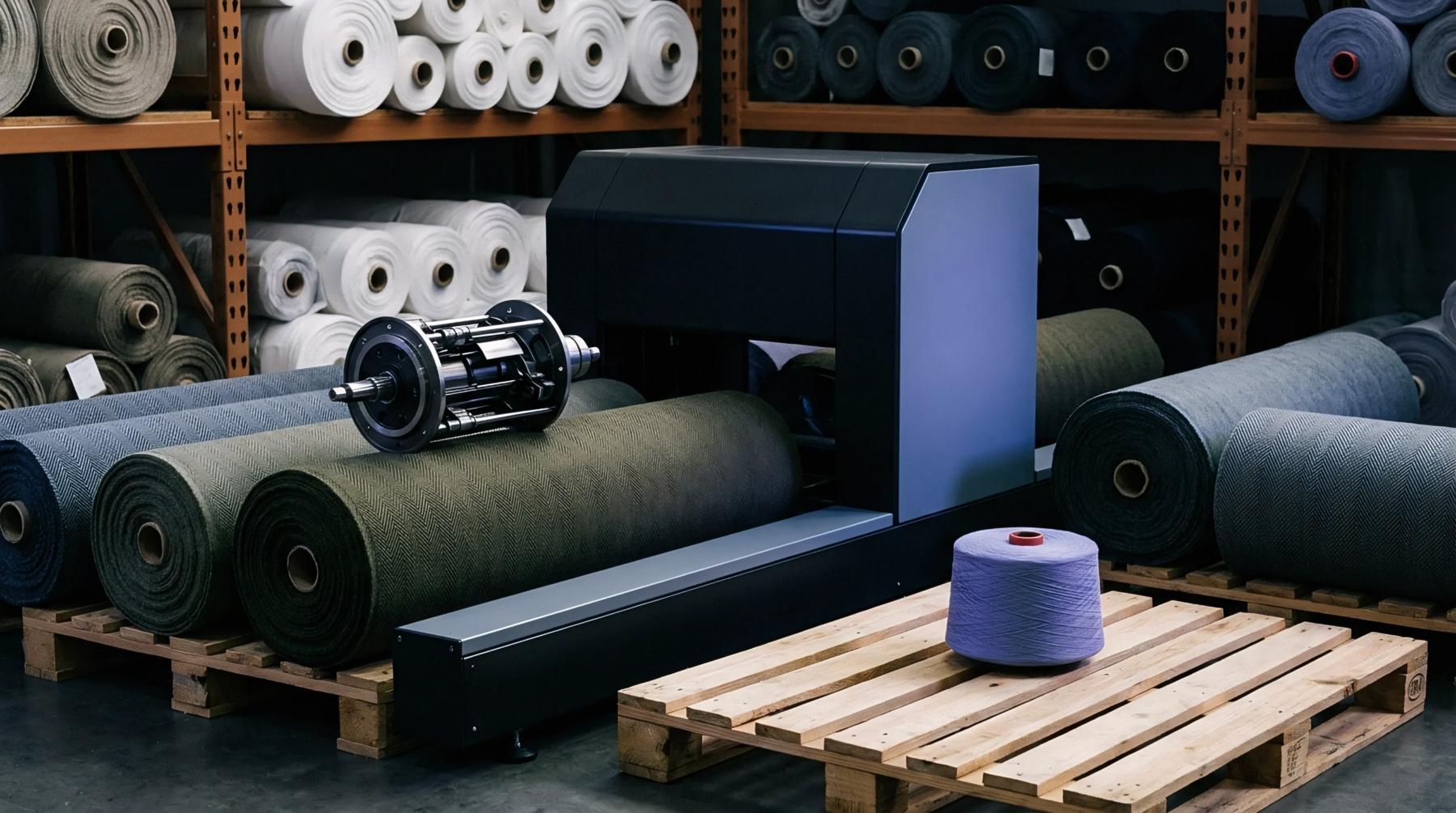
Primary void geometry sets the hydraulic entry threshold for dense wovens, requiring high-differential pressure equipment to prevent surface ring dyeing defects.

Commercial textile blend ratios require adjusting clean oven dry masses with statutory moisture regain rates to ensure accurate legal customs declarations.

Matching radiative spectrum to polyelectrolyte thermal activation prevents premature surface gelation and ensures deep binder penetration in heavy cottons.

Chemical dissolution separates wool from polyester using alkaline sodium hypochlorite, requiring d-factor and moisture regain corrections for accurate declarations.

Degraded synthetics exhibit non-linear regain increases that distort commercial mass and skew customs tariff declarations when tested against virgin baselines.
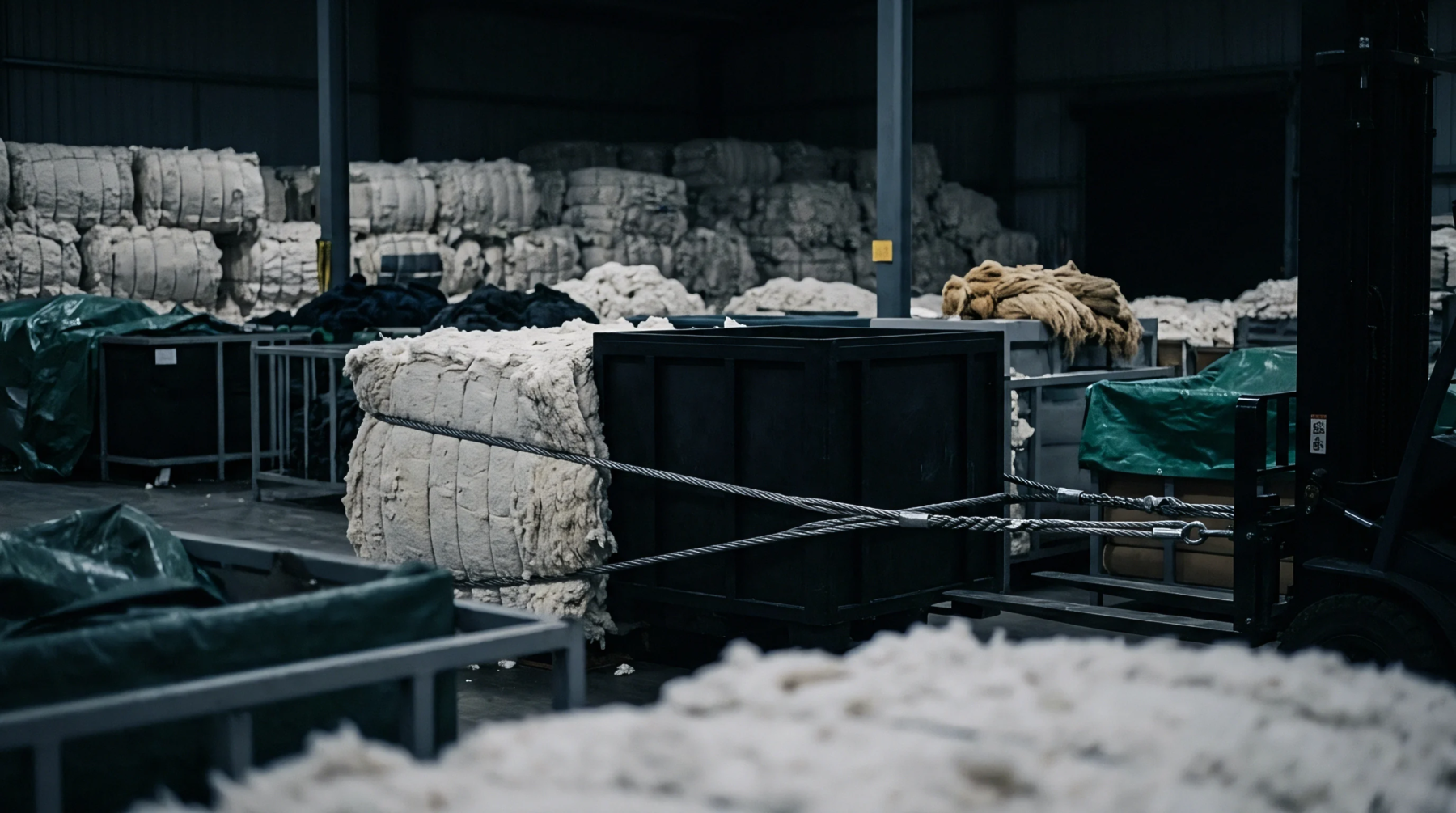
Verify transaction certificates against bulk broadcloth shipments by checking live digital registries, mass loss ratios, container seals, and roll tags.

Polymer chain scission reduces intrinsic viscosity, accelerating non-target dissolution and skewing gravimetric blend testing without calibrated d-factors.

Controlled polyelectrolyte viscosity arrests capillary dye movement during intermediate infrared drying, preventing shade variation and two-sidedness in bulk runs.

Establishing baseline parameter lists binds raw material procurement to test standards, numerical tolerances, and contractually enforceable lot rejection rights.

Control continuous dye migration by pairing balanced padder extraction with intermediate infrared drying to freeze moisture below thirty percent before hot-flue air.

Mechanically recycled PET exhibits higher moisture regain than virgin PET, requiring deeper desiccant drying to prevent hydrolytic degradation during spinning.
Expertise is a utility, not a secret. sentiention™ publishes its working knowledge as open reference: intelligence layer covering the materials it sources, the markets it enters, and the reference that serves both.