
Continuous Dye Line Tension Calibration Protocol for High Density Cotton Twill Architectures
Synchronize multi-motor continuous dye drives to maintain warp tension under 1.8 N/cm, preventing twill skew, pick count loss, and face-to-back shading.

Synchronize multi-motor continuous dye drives to maintain warp tension under 1.8 N/cm, preventing twill skew, pick count loss, and face-to-back shading.

Quantifying greige crimp exchange and jamming limits prevents beat-up fabric defects, off-loom width loss, and incorrect finished weight calculations.
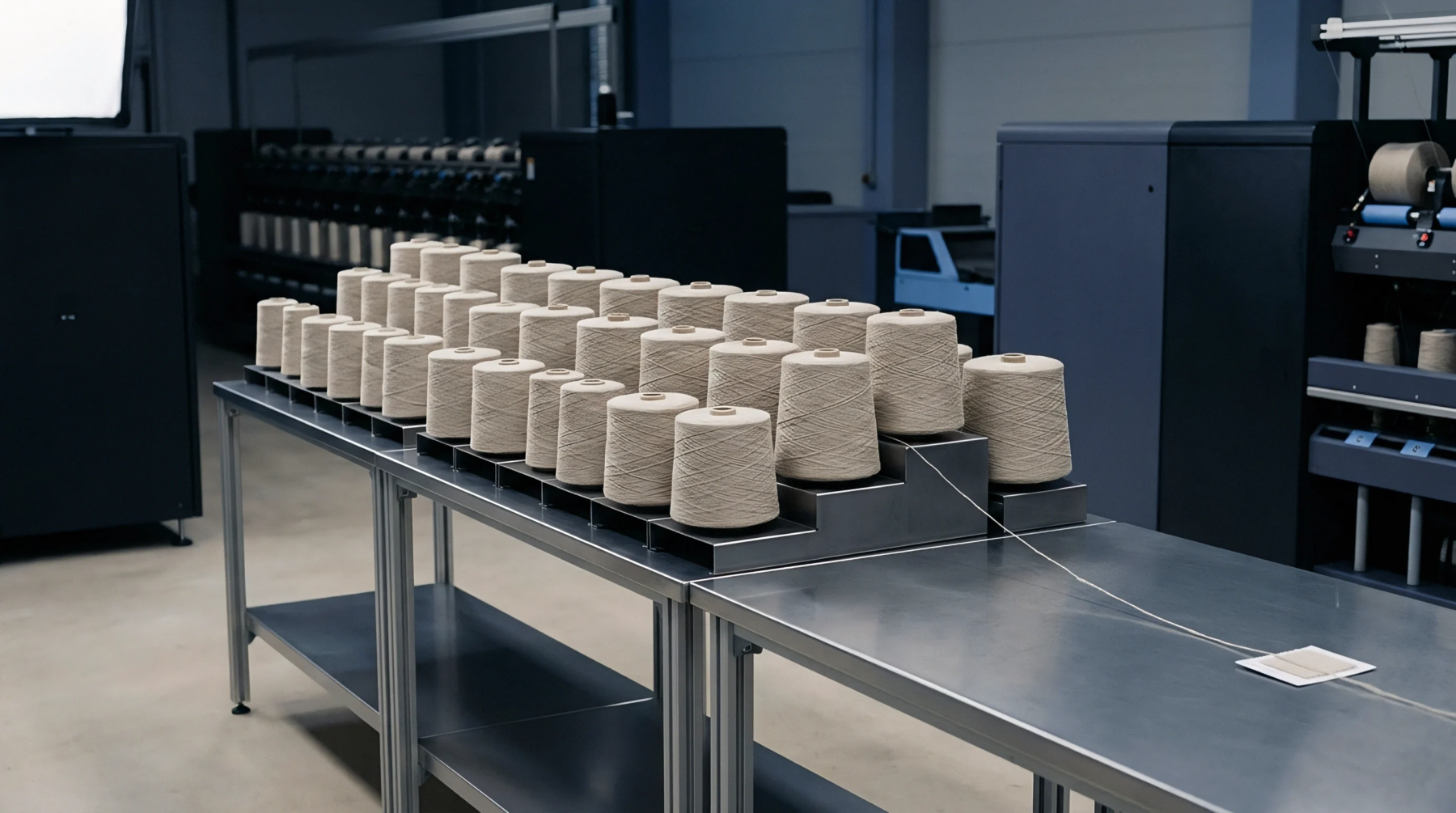
Predicting plain weave jamming limits prevents fabric distortion and secures dimensional stability across caustic mercerizing, dyeing, and wash finishing.

Warp and weft crimp exchange in high-density weaving shifts structural waviness across processing, dictating finished sett, shrinkage, and air permeability.

Standardized trypsin digestion at pH 8.2 and thirty-seven degrees for sixteen hours yields diagnostic peptides separating cashmere from wool by liquid chromatography.
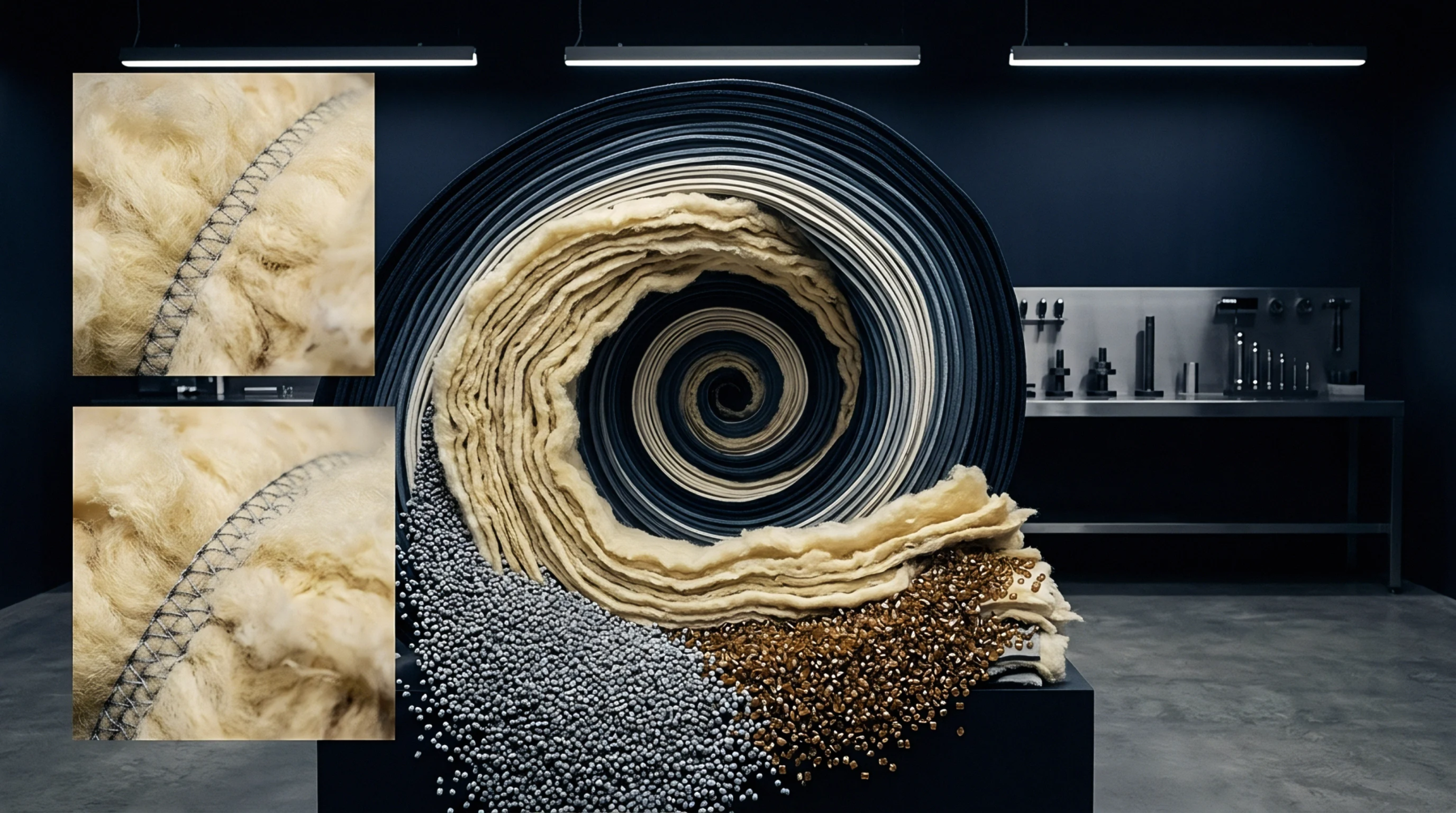
Hydrothermal recycling breaks cashmere keratin disulfide bonds, raising cysteic acid and lanthionine levels, lowering yarn tenacity and spinning yield.

Isotopic baseline matching on isolated cellulose provides objective proof of fiber origin to release detained shipments under import enforcement scrutiny.
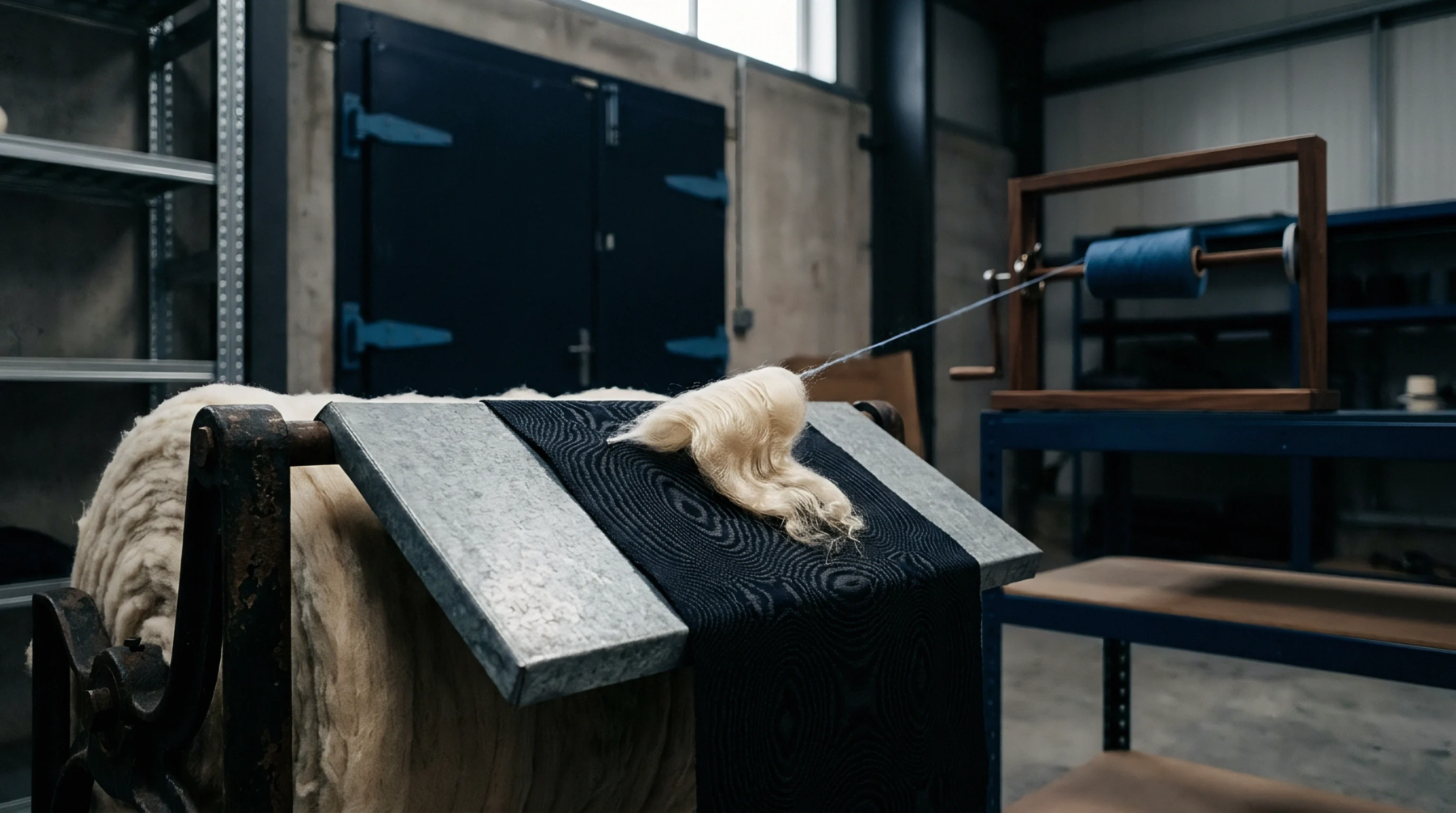
Selected reaction monitoring mass spectrometry quantifies cashmere wool blends down to one percent using species-specific tryptic keratin peptides.
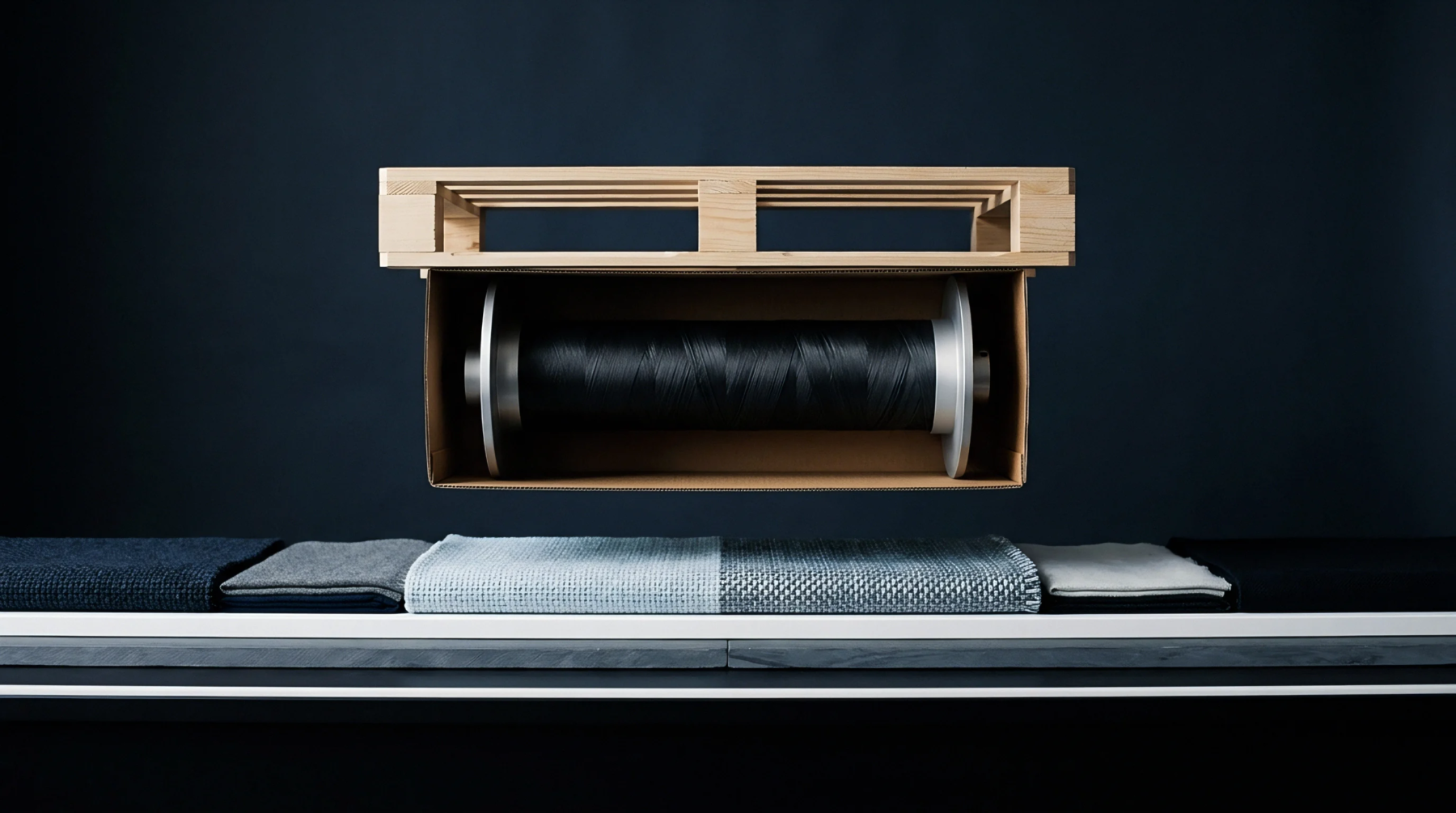
Managing fluorinated chemical risk in recycled synthetics demands total fluorine screening, targeted LC-MS testing, and strict batch transaction certificate tracking.
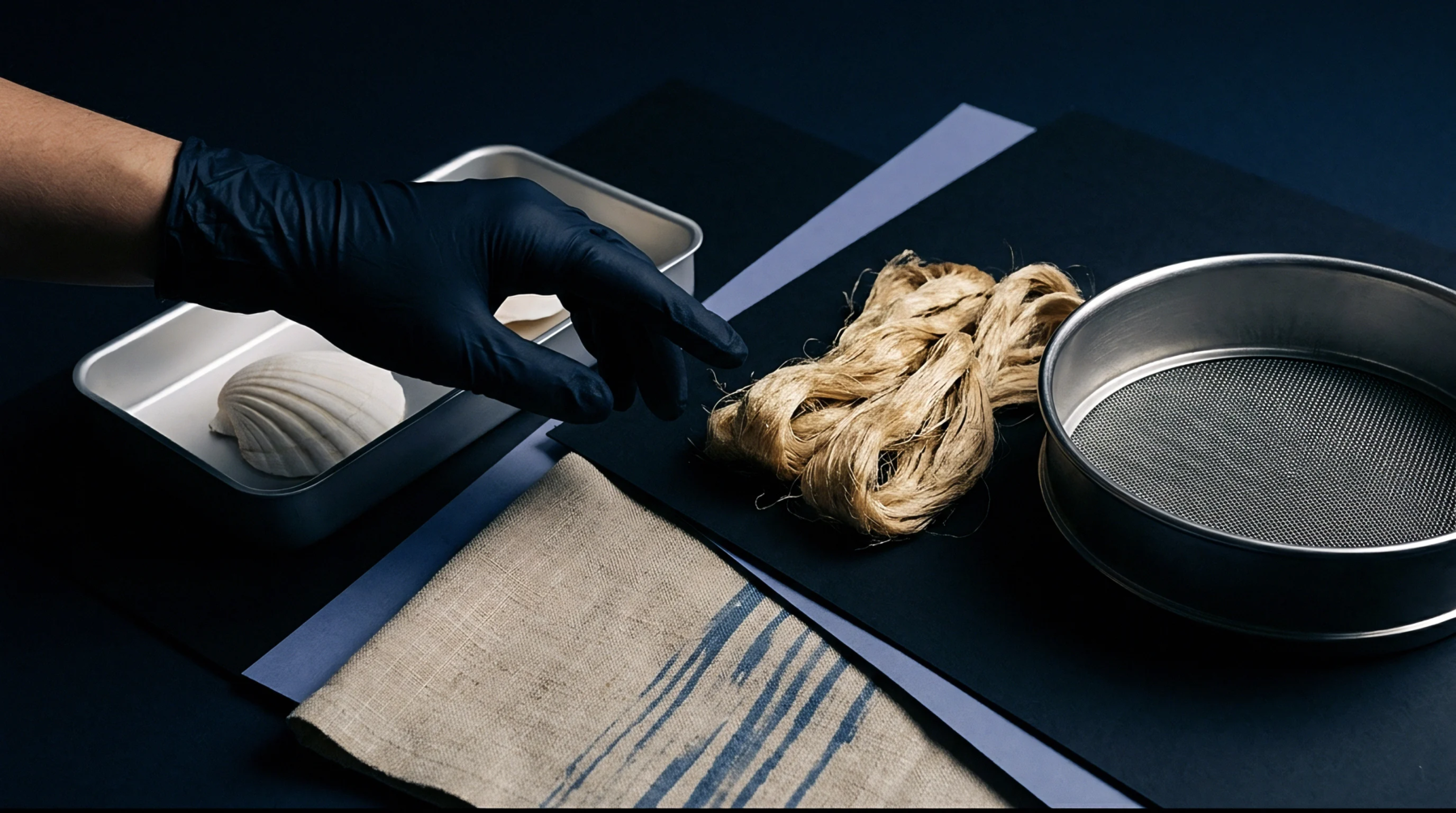
Batch verification by combustion ion chromatography total organic fluorine screening prevents illegal PFAS shipments by detecting non-targeted fluoropolymers.

Pad box mass balance protocols adjust dye liquor dosing rates continuously against ambient humidity changes to maintain color yield within a Delta E of 0.5.

Non-fluorinated DWR wet processing requires bath pH 4.0-5.5, WPU control, and core cure temperatures of 150-170°C with crosslinkers to pass 10 ppm fluorine limits.

Proteomic LC-MS/MS quantifies animal hair blend percentages by measuring species-specific keratin peptide markers against isotope-labeled internal standards.
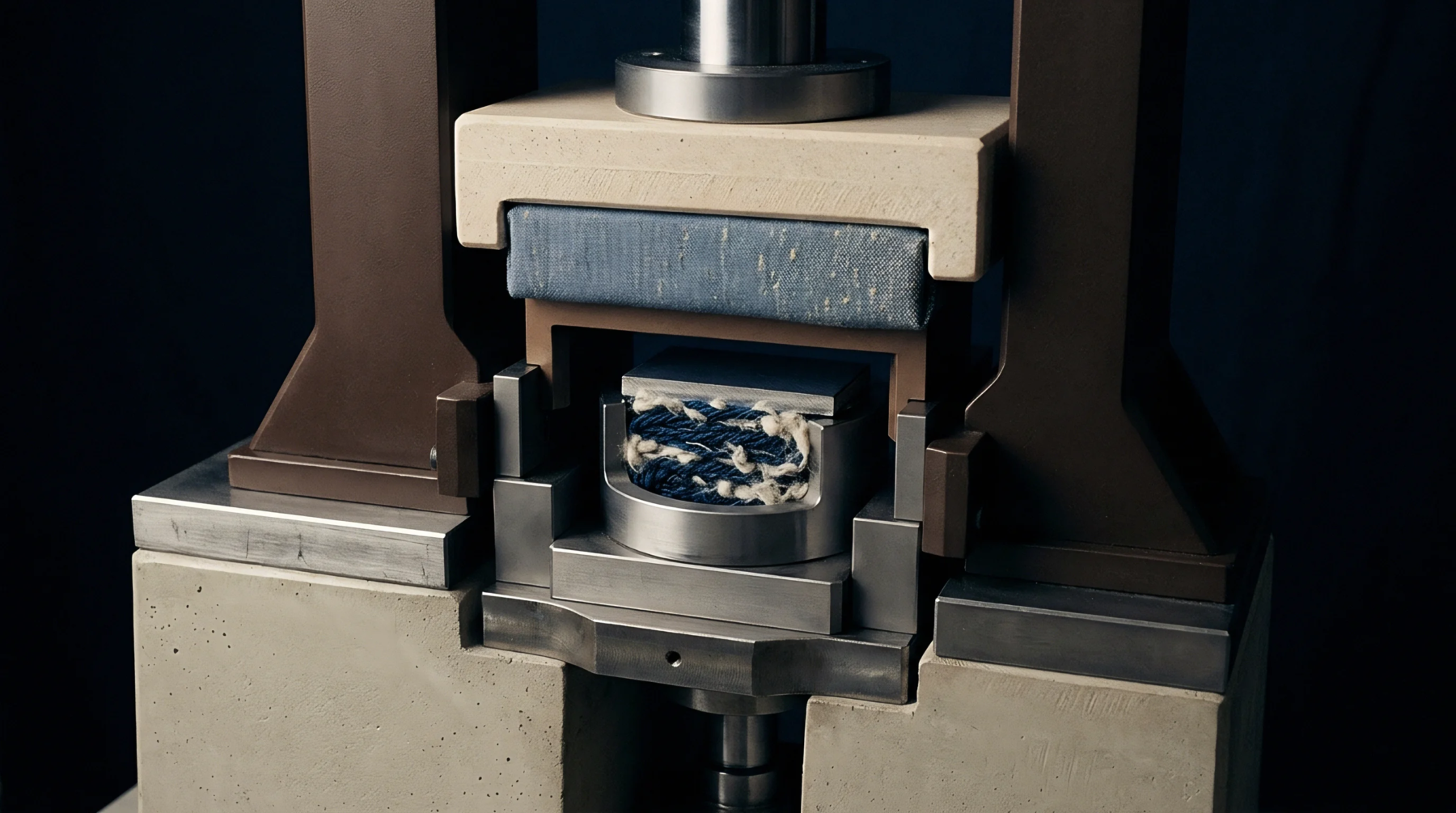
Relative humidity drops accelerate solvent evaporation in heated pad troughs, concentrating liquor and causing head-to-tail shade drift in continuous dyeing.

High-speed pad dyeing liquor control requires ultra-low volume troughs and closed-loop radar dosing to eliminate tailing and shade drift across bulk runs.
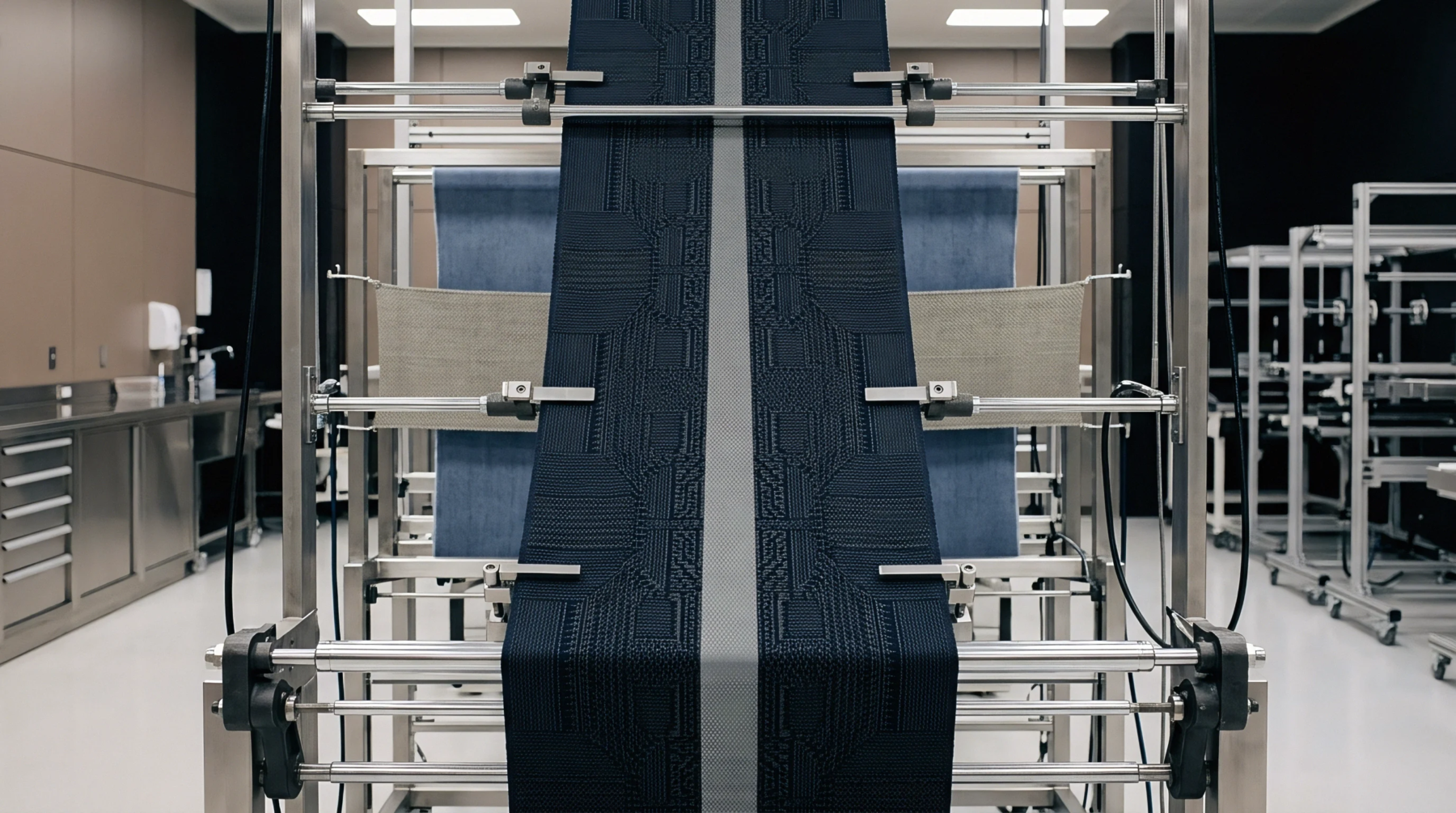
Predicting dynamic warp tension in asymmetric shedding requires combining geometric shaft extension formulas with non-linear yarn elastic modulus calculations.

Structured tripartite deeds and letter of credit chemical release covenants transfer restricted substance liability directly to subcontracted wet processing mills.
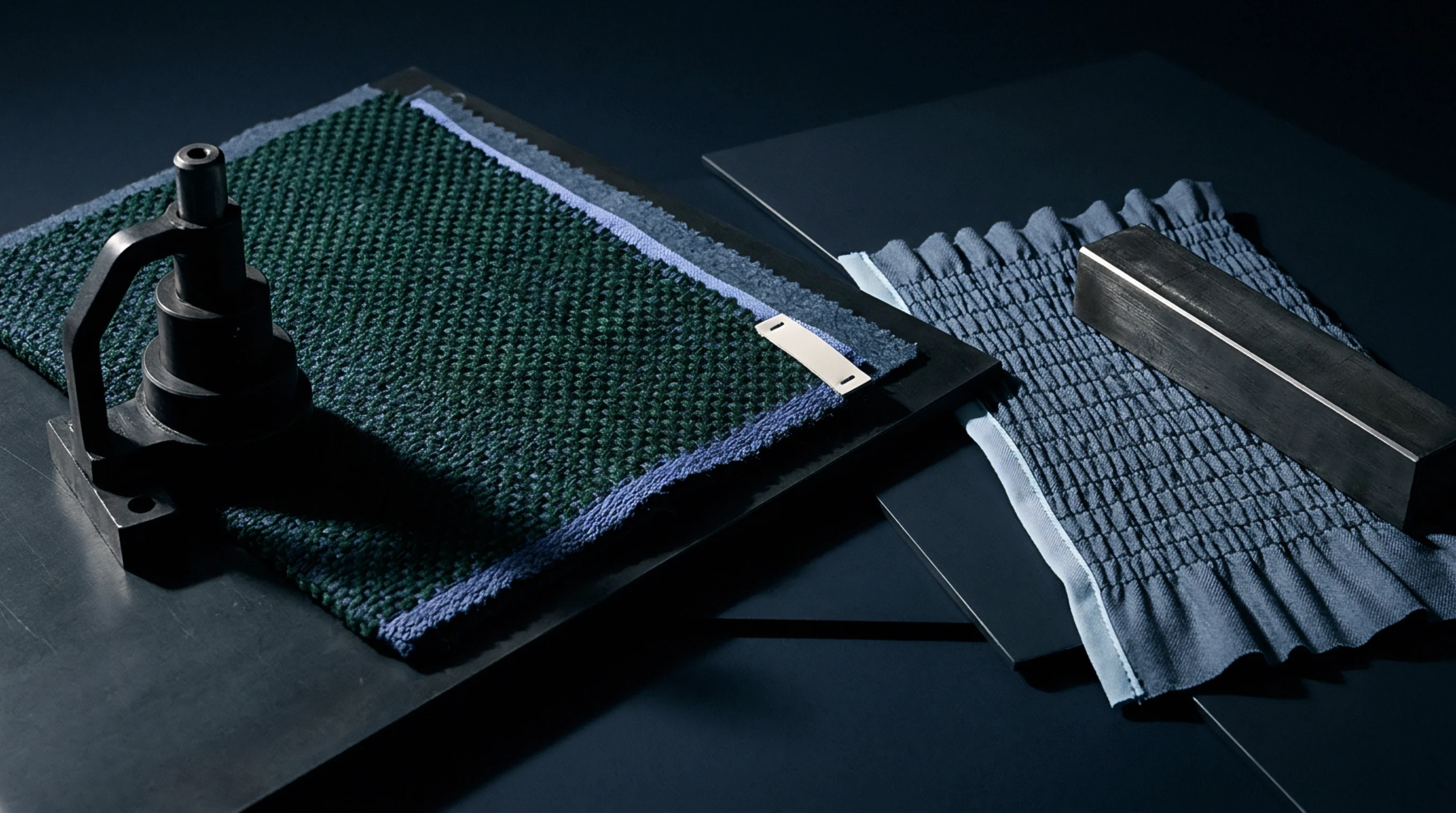
Tier two chemical audit schedules must prioritize wet-processing recipe risk and inventory mass balance over factory volume or static annual cycles.

Reconciling ocean freight chemical degradation against destination reporting limits requires Arrhenius kinetic aging models based on container temperature logs.

LC-MS/MS proteomic quantification isolates species-specific tryptic peptides to measure cashmere content in processed yarns within two percent accuracy.

Ocean transit microclimates hydrolyze textile finishes, requiring desiccant dimensioning and mill-level curing stabilization to clear destination surveillance.

Derive loom reed width by compounding greige take-up and wet finishing contraction percentages onto target cuttable width while balancing dent air space ratios.
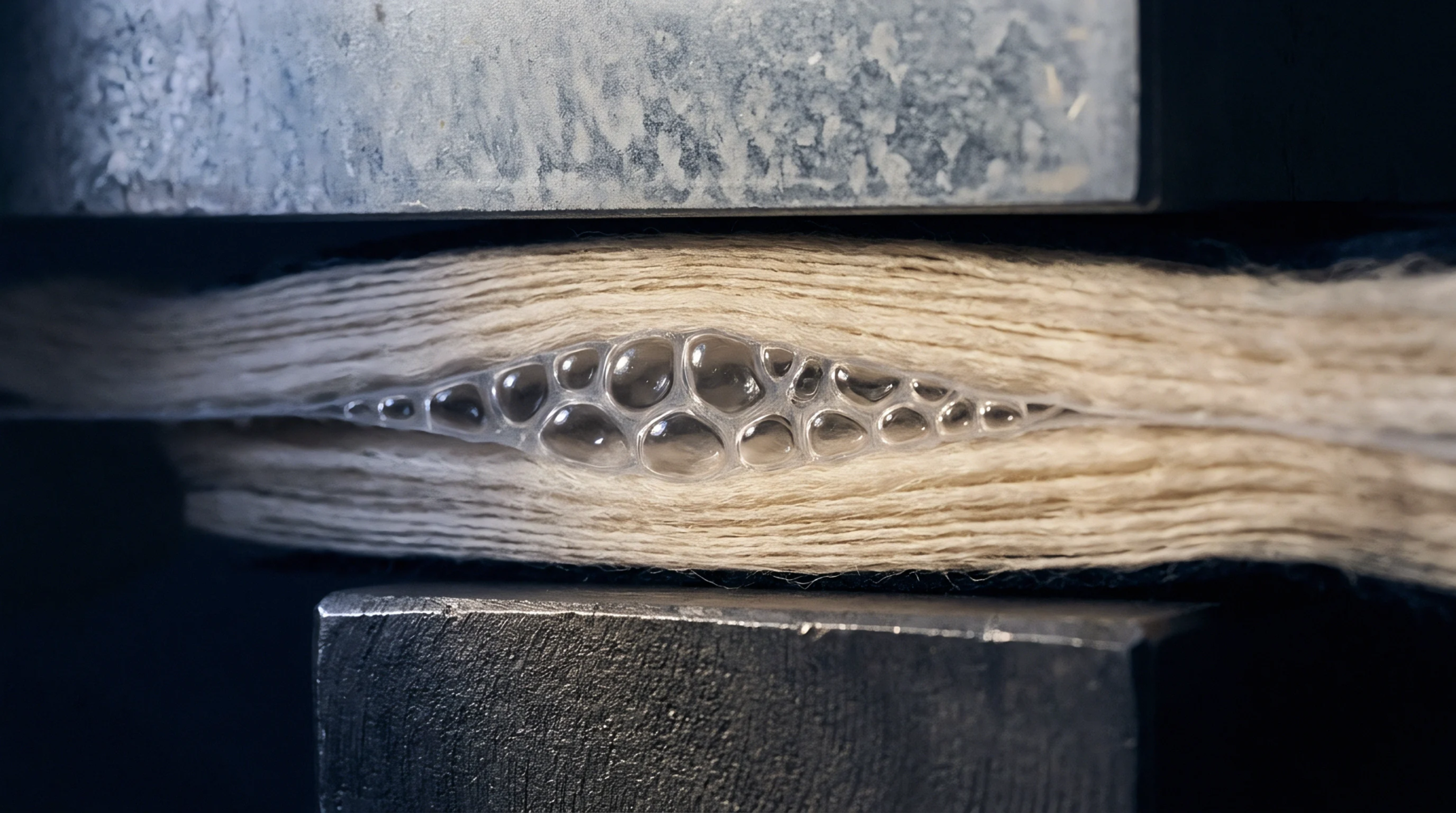
Biaxial thermal stenter extension alters yarn crimp balance through coupled viscoelastic relaxation and Peirce geometry shifts, dictating final fabric dimensional stability.

Commercial laboratory default reporting limits frequently sit above regulatory thresholds, requiring buyers to specify lower analytical cutoffs in sourcing contracts.

Continuous stenter overfeed forces must balance longitudinal yarn buckling thresholds against friction to set finished course density without cloth corrugation.

Proteomic mass spectrometry isolates species-specific keratin peptides to quantify animal fiber blend ratios precisely despite chemical or physical scale damage.

Woven yarn crimp mechanics derive from interlace curvature, where loom tension and yarn bending stiffness govern structural equilibrium and finished fabric width.

Eliminate border gravimetric variance by specifying ISO 1833-11 dissolution and contractually binding buyers and mills to ASTM D1909 commercial regains.
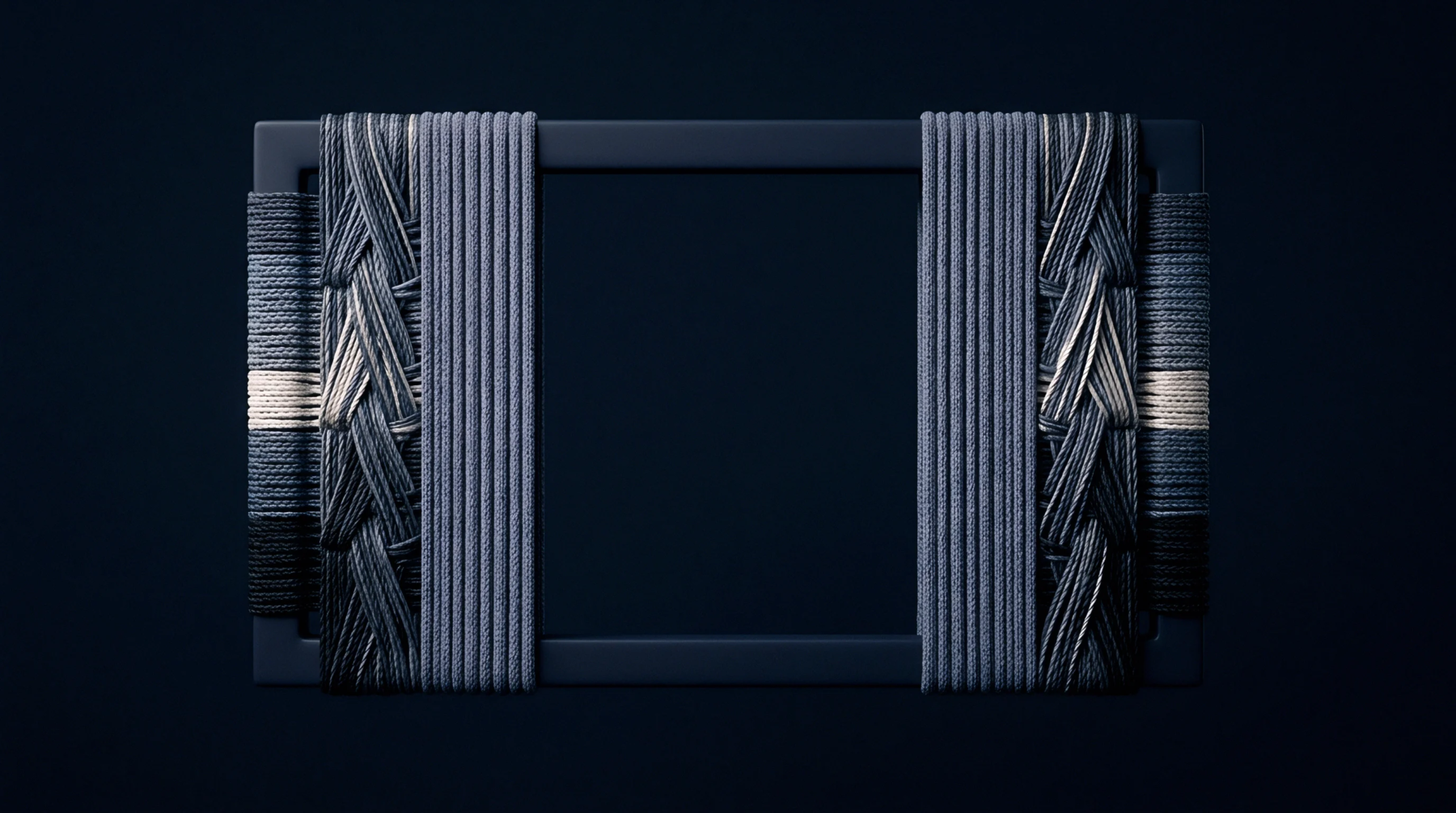
Standard chemical separation of cotton polyester yarns uses 75% sulfuric acid dissolution with gravimetric recovery corrected for commercial moisture regain.

Forensic audit mechanics reconcile digital SCADA dosing logs with mass balance inventory calculations to detect uncertified chemical inputs during scope lapses.
Expertise is a utility, not a secret. sentiention™ publishes its working knowledge as open reference: intelligence layer covering the materials it sources, the markets it enters, and the reference that serves both.