
Minimum Colour Quantity Deciding a Range Plan before Design Does
Minimum colour quantities set dye vessel efficiency and enforce range plan fabric allocations long before garment sketches reach the pattern desk.

Minimum colour quantities set dye vessel efficiency and enforce range plan fabric allocations long before garment sketches reach the pattern desk.
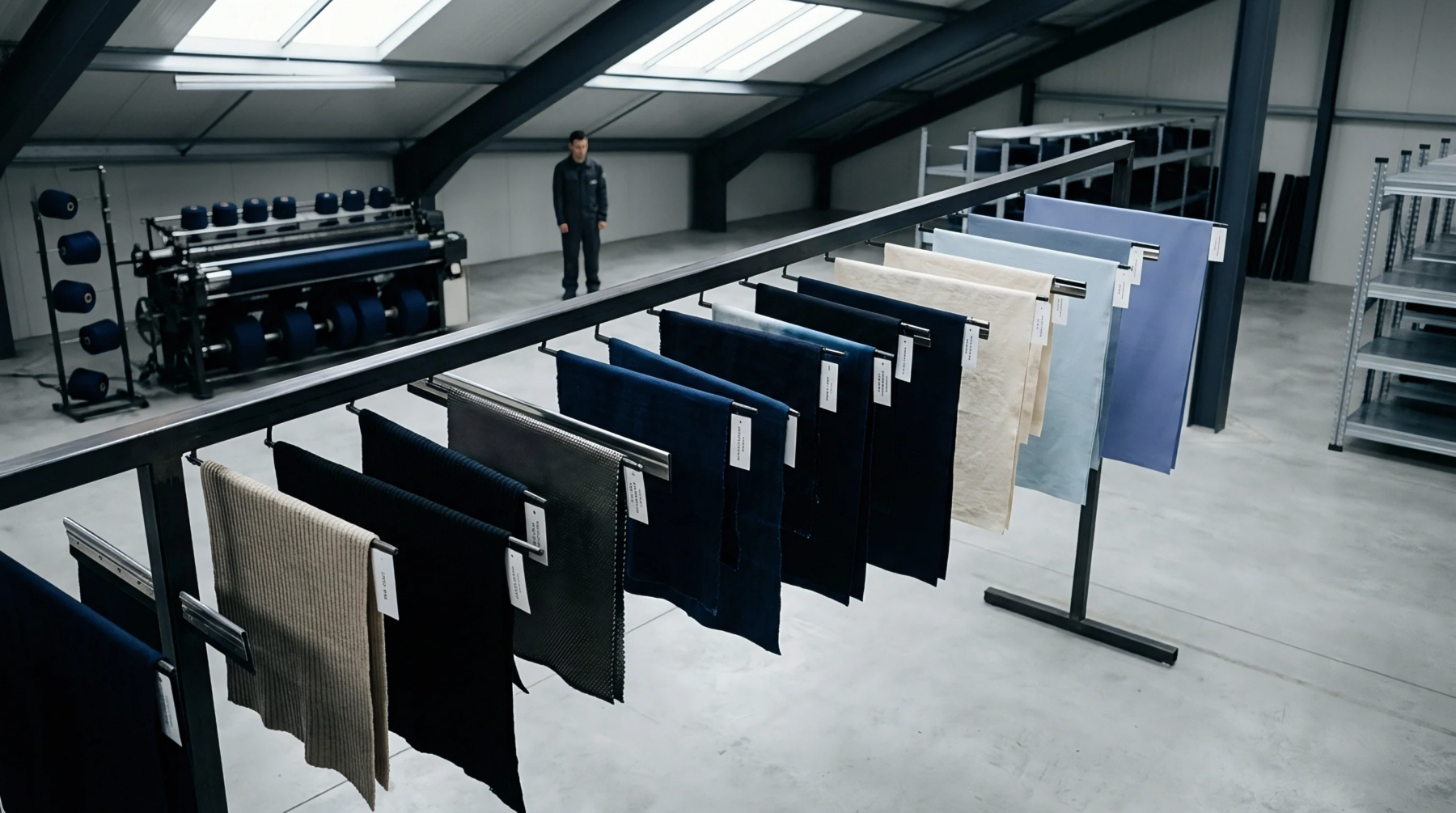
Fabric weight tolerance written as a mill range holds commercial validity only when tested under ISO 139 standard atmosphere using ISO 3801 methods.

Sett and cover factor define structural thread packing; maintaining high pick density and tight fractional cover locks yarn crowns to maximize abrasion life.

Standard one cycle wash tests hide progressive shrinkage; verifying dimensional stability requires multi cycle laundering data and mill finishing tension audits.

Verify coating weight stability and crosslinker kinetics to ensure peel strength exceeds ten Newtons per fifty millimetres after repeated washing cycles.

65/35 poly-cotton workwear performance relies on ring twist multipliers near 4.4 and early shed timing to maximize warp cover factor without pilling failure.

Cold pad-batch dyeing prevents crease marks and cuts energy costs on heavy cotton twill, whereas jet dyeing risks surface friction damage in dark shades.

Defending a cashmere claim demands LC-MS/MS proteomic proof tied to core samples that survive ISO 17025 cross-examination across two split lots.
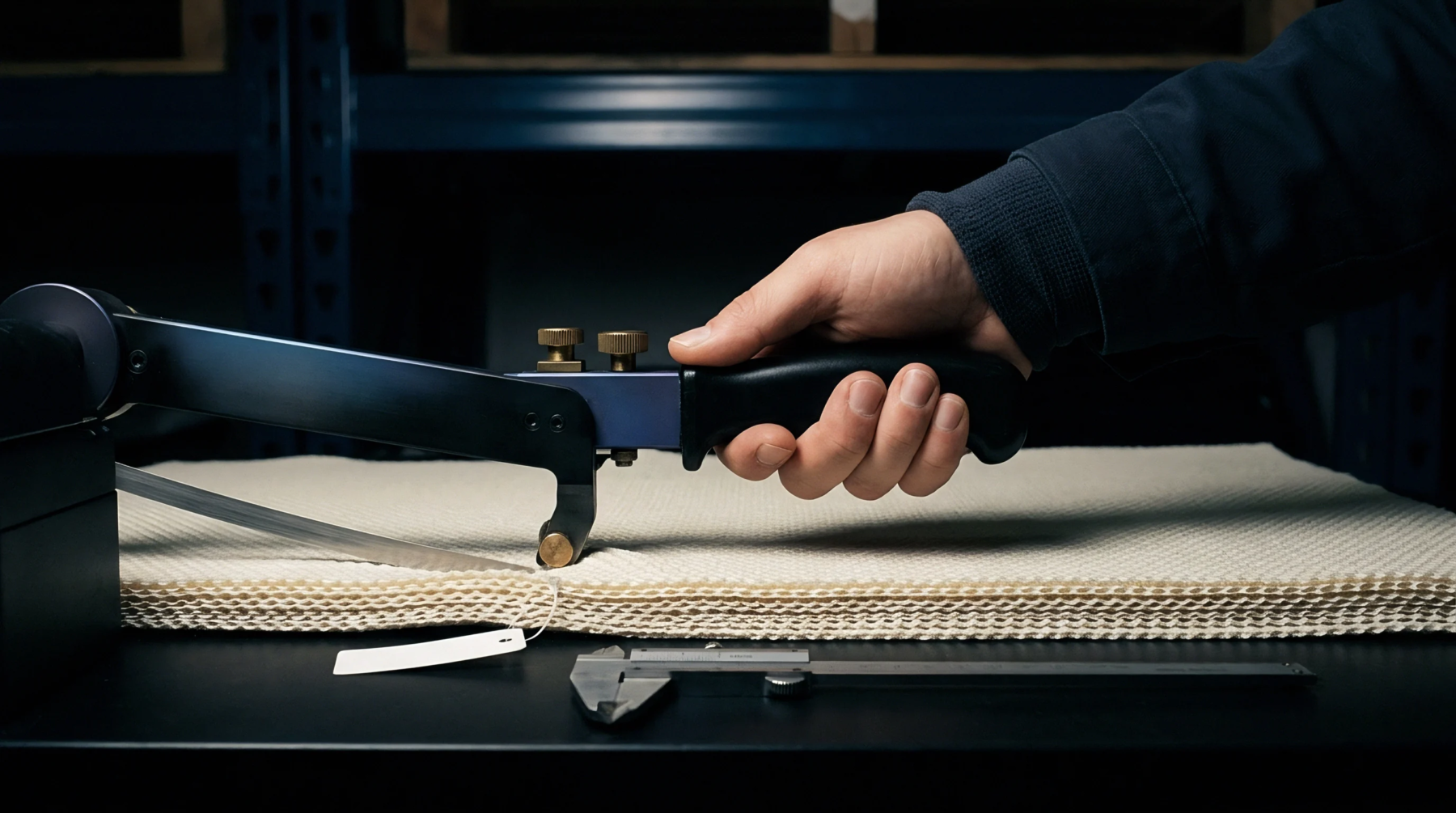
Physical swatch position across fabric width and length determines chemical compliance, requiring three-point cross-web sampling to validate batch pass status.

Aligning woven greige warp minimums with dyehouse vessel capacities requires calculating dry mass yields and vessel fill limits to prevent shade variation.
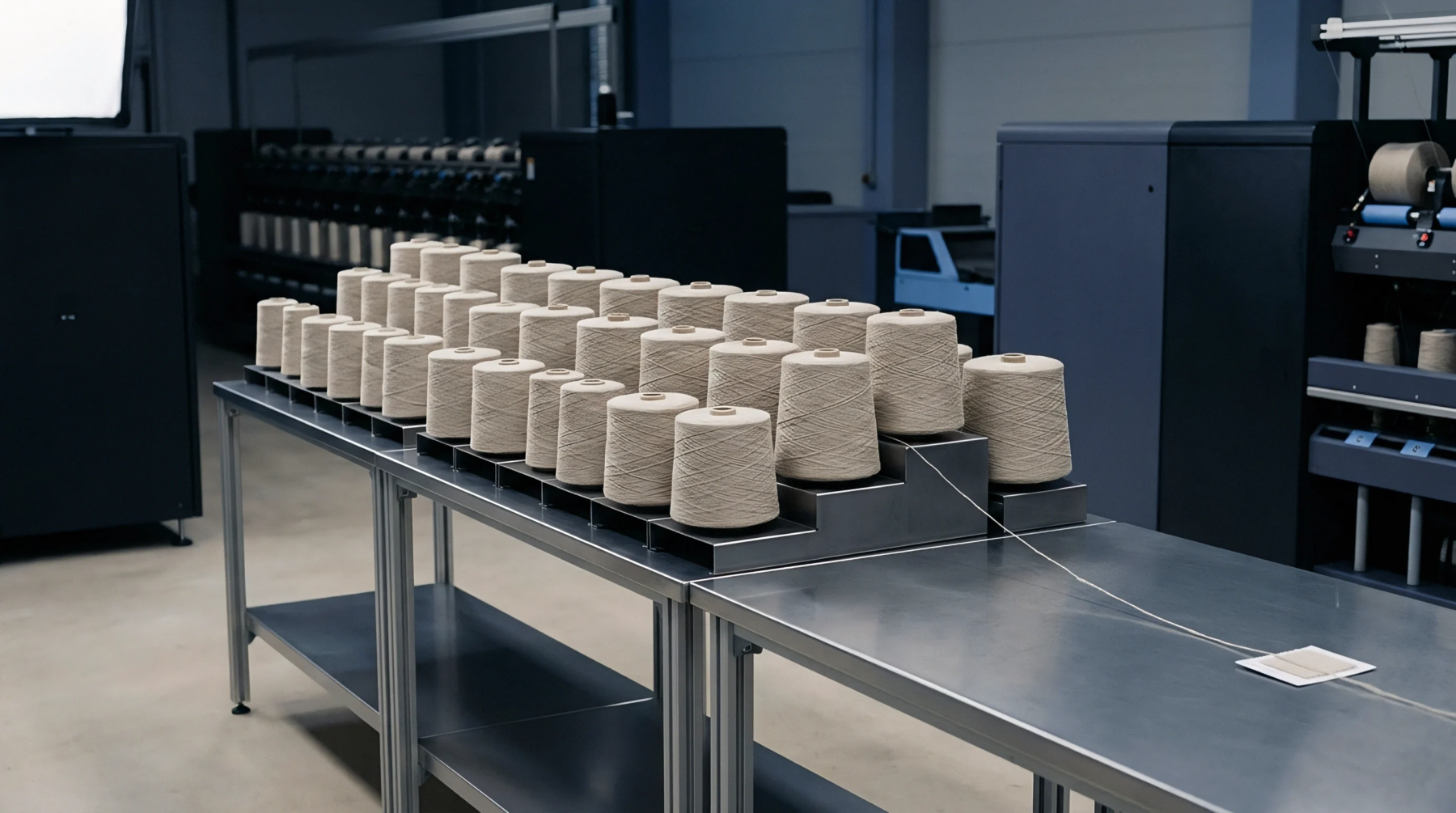
When a bulk batch fails primary testing, the mill pays for accredited retests if counter-sample analysis confirms non-compliance under contract terms.

Fabric mass per unit area is calculated by combining yarn linear density, thread count, and crimp factors across conditioned warp and weft system dimensions.

Translating fibre price per kilo into cost per finished metre requires adjusting raw cost for commercial regain, spinning yields, weaving crimp, finishing shrink, and customs tariffs.

Fibre composition dictates physical durability, moisture regain, dye chemistry, and customs classification before spinning machinery turns.
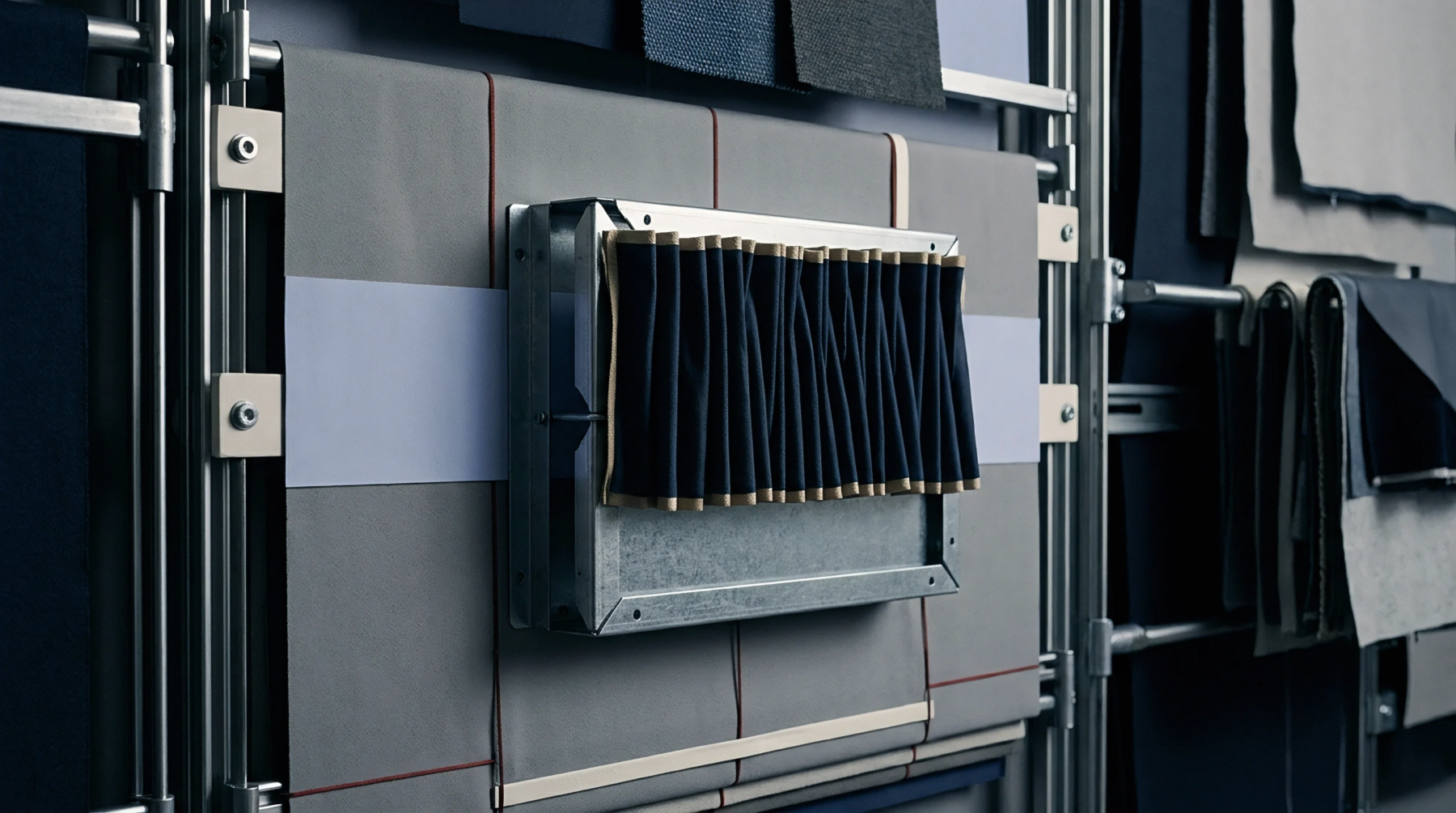
Verify textile compliance using lot-specific ISO 17025 test reports and valid transaction certificates matched directly to invoice numbers and batch weights.

Declared composition tolerances bridge laboratory test method noise and commercial target blend ratios through standardized moisture regain corrections.

Verify dry mass under ISO 6741 oven testing to ensure yarn invoices bill official regain allowances rather than trapped atmospheric water.

High MOQ fabric conversion risk management requires structuring contractual liability caps that cover raw substrate replacement costs when wet processing fails technical specs.
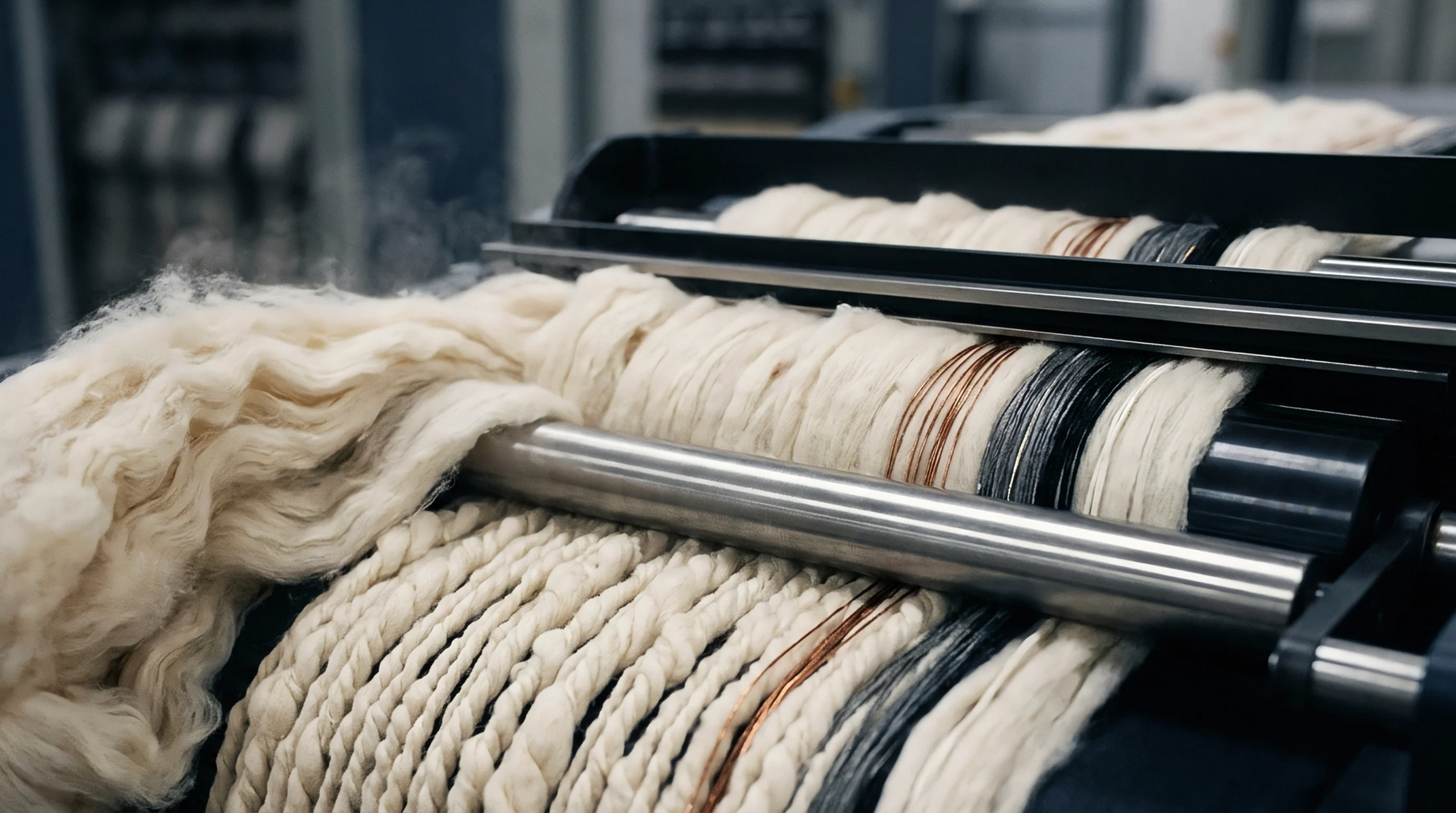
Blend ratio drift stems from uncompensated raw bale moisture changes and pneumatic sorting; control requires ISO 1833 dry-mass specs and real-time weigh-hopper NIR updates.

Inline blowroom optical sensors fail when poor opening leaves inclusions hidden inside dense cotton tufts, allowing synthetic polymer fibers to reach spinning frames.

Fabric performance depends on greige interlacing geometry, wet processing relaxation, and multi-mill supply chain lead times.

Cross-web chemical variances require three-point variable acceptance sampling to prevent edge-concentration hotspots from triggering border detentions.

Determining raw cashmere value requires combined OFDA micron profiling and oven-dry yield mass balance testing to calculate true clean dehaired cost.

Lowering liquor ratios elevates dye exhaustion efficiency in heavy twills but demands precise flow control to prevent core-ring shading and crocking failure.

Subcontracted wet processing liability hinges on lot-level transaction certificates, retained split samples, and explicit pass-through warranty clauses.

Greige warp beaming economics requires minimum 5000 metre set lengths to absorb fixed slasher setup losses, sizing waste, and creel remnant expenses.

Global textile clearance demands lot-specific ISO 17025 test reports verifying chemical limits and physical integrity standards matching customs entries exactly.

Confirmed chemical non-compliance requires immediate split-sample secondary retesting under ISO 17025 protocols to enforce contractual indemnity and landed cost recovery.

Dye lot conversion schedule reconciliation requires matching greige bulk density and nozzle hydraulics to vessel capacity, preventing pump cavitation and shade drift.
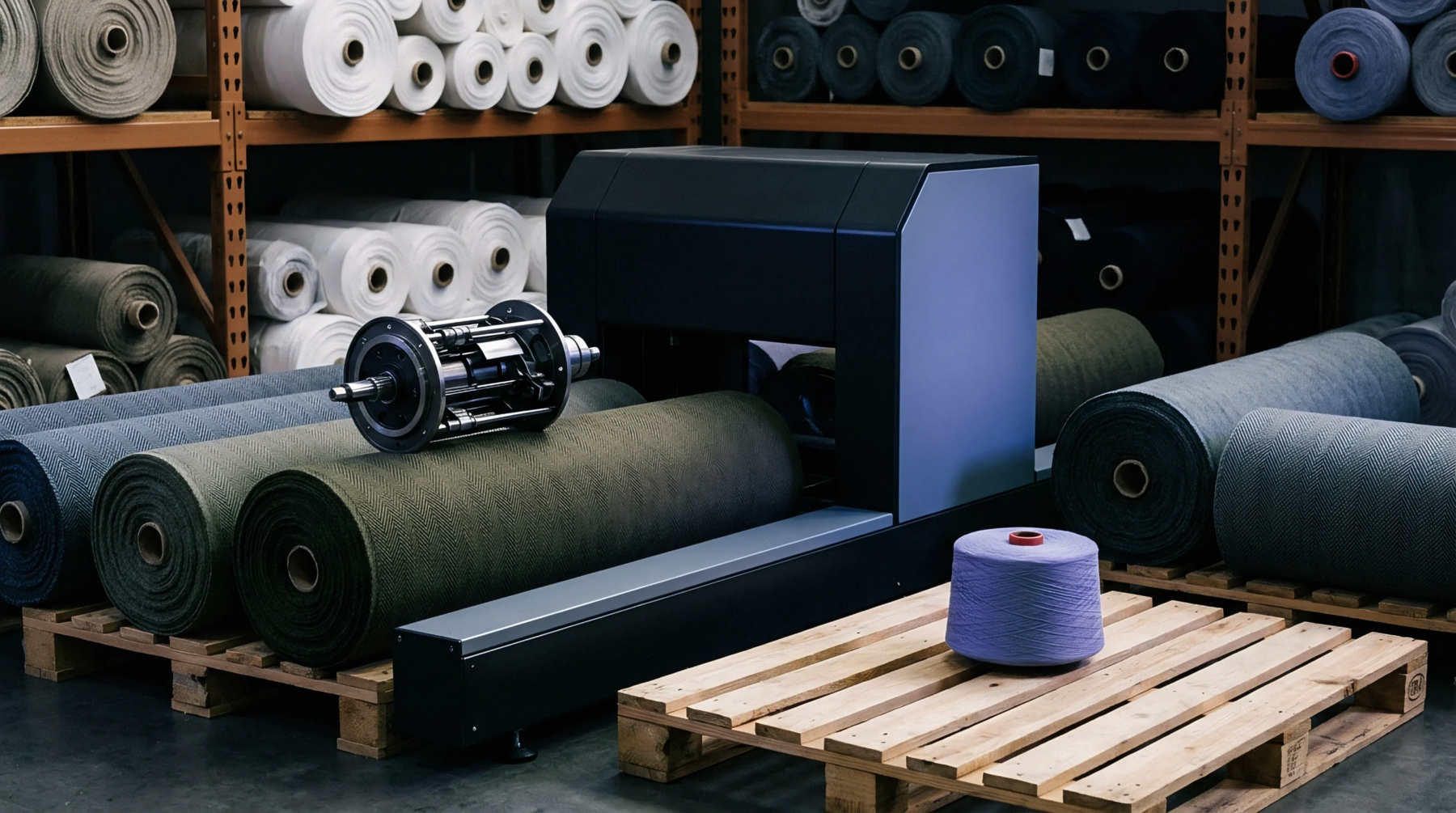
Long term greige storage transfers financial risk from yarn pricing to wet processing variance, requiring strict storage controls and clear dyehouse testing bounds.
Expertise is a utility, not a secret. sentiention™ publishes its working knowledge as open reference: intelligence layer covering the materials it sources, the markets it enters, and the reference that serves both.