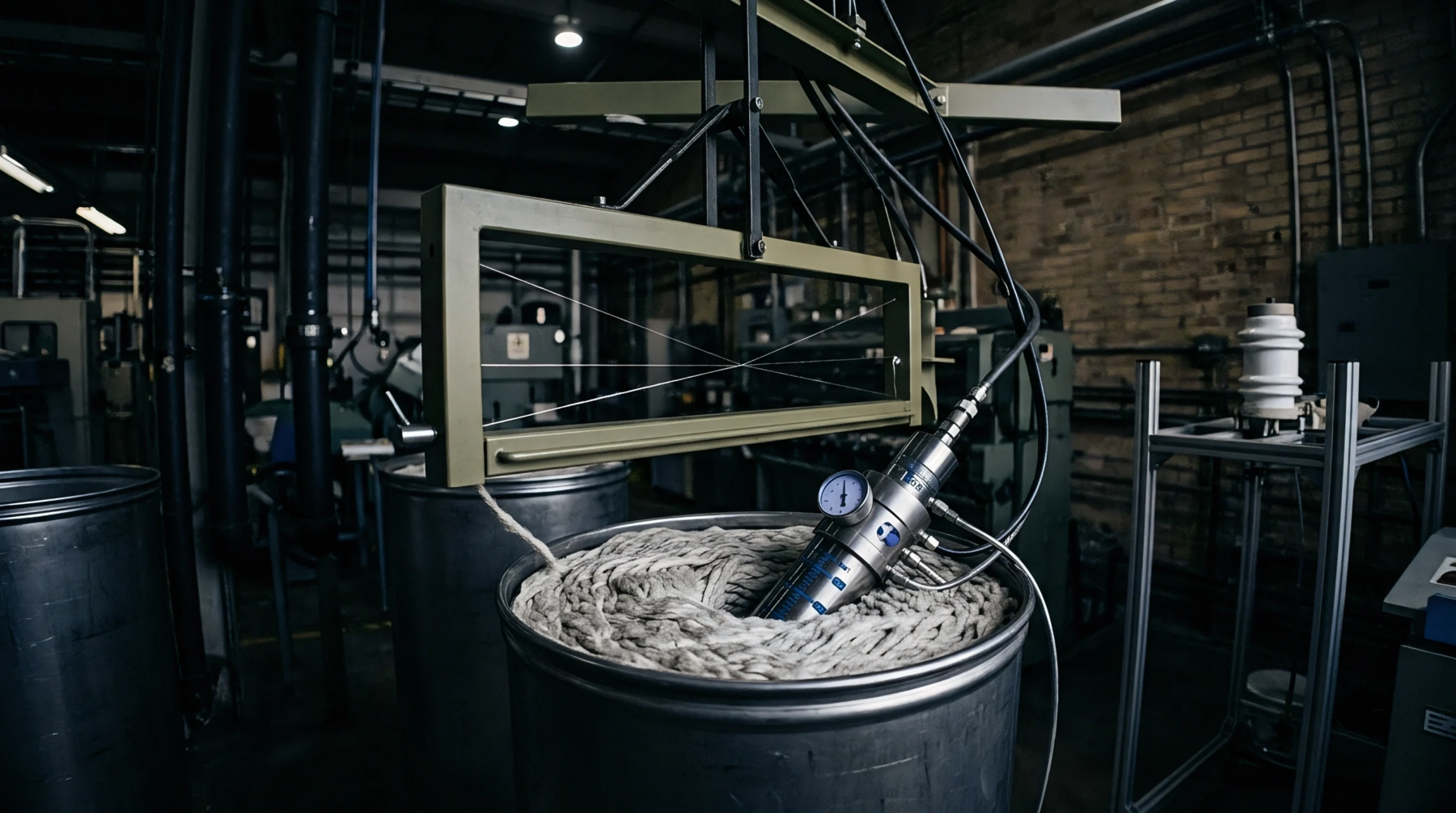
Equalizing Parallel Nozzle Pressure for Uniform Jet Dyeing
Equalizing parallel nozzle pressure requires balanced manifold geometry and dynamic trim adjustment to eliminate strand speed variance and tube-to-tube shade defects.

Equalizing parallel nozzle pressure requires balanced manifold geometry and dynamic trim adjustment to eliminate strand speed variance and tube-to-tube shade defects.

Recycled monomer purity verification demands coupled chromatographic and elemental assays to detect trace catalysts and isomers before polymer re-condensation.

Greige sett density determines yarn mobility and crimp capacity, directly establishing wet processing shrinkage and final finishing compaction limits.

Fabric compaction and selective finish stripping alter finished composition ratios, requiring grey yarn adjustments to maintain imported chief weight compliance.
Gas chromatography mass spectrometry quantitation of residual solvents in polyurethane fabrics demands liquid extraction to prevent border detentions.

Solvent extraction removes non-fibrous sizing and oils before applying statutory moisture regains to clean dry fibre masses for tariff classification.
Automated potentiometric titration using double-junction glass electrodes resolves active hydroxide and carbonate alkalinity in high-salinity reactive dye baths.

Predicting non-linear weft contraction requires dynamic nozzle pressure regulation aligned with loom acceleration profiles to maintain stable fabric off-loom widths.

Determining loom reed denting plans for high-density weaves requires balancing target ends per centimetre against open air space ratio to prevent beat-up binding.
Isotopic drift limits verify chemical recycling integrity by detecting permil shifts in stable carbon and oxygen ratios, stopping virgin PET dilution.
Evaluating staple yarn invoices requires converting gross invoice weight to commercial mass using official fiber regain allowances and oven-dry testing.
Chemical recycled content verification requires paired ICP-MS elemental catalyst profiling, Py-GC-MS solvent testing, and ISCC PLUS mass balance certificate links.

Dynamic spatial masking calibration prevents costly false ejections by separating tuft density shadows from foreign polymer absorption signals.
Differentiating isomeric plasticizers in coated matrix screening requires complete solvent polymer dissolution followed by targeted GC-MS peak resolution.
Boundary layer mass transport limits in ultra-dense mercerized twills demand continuous high-velocity liquor shear to prevent surface ring dyeing.

Heavy twill cover factors above twenty-two impede jet dyebath penetration, requiring lowered heating rates and increased anti-crease lubrication.
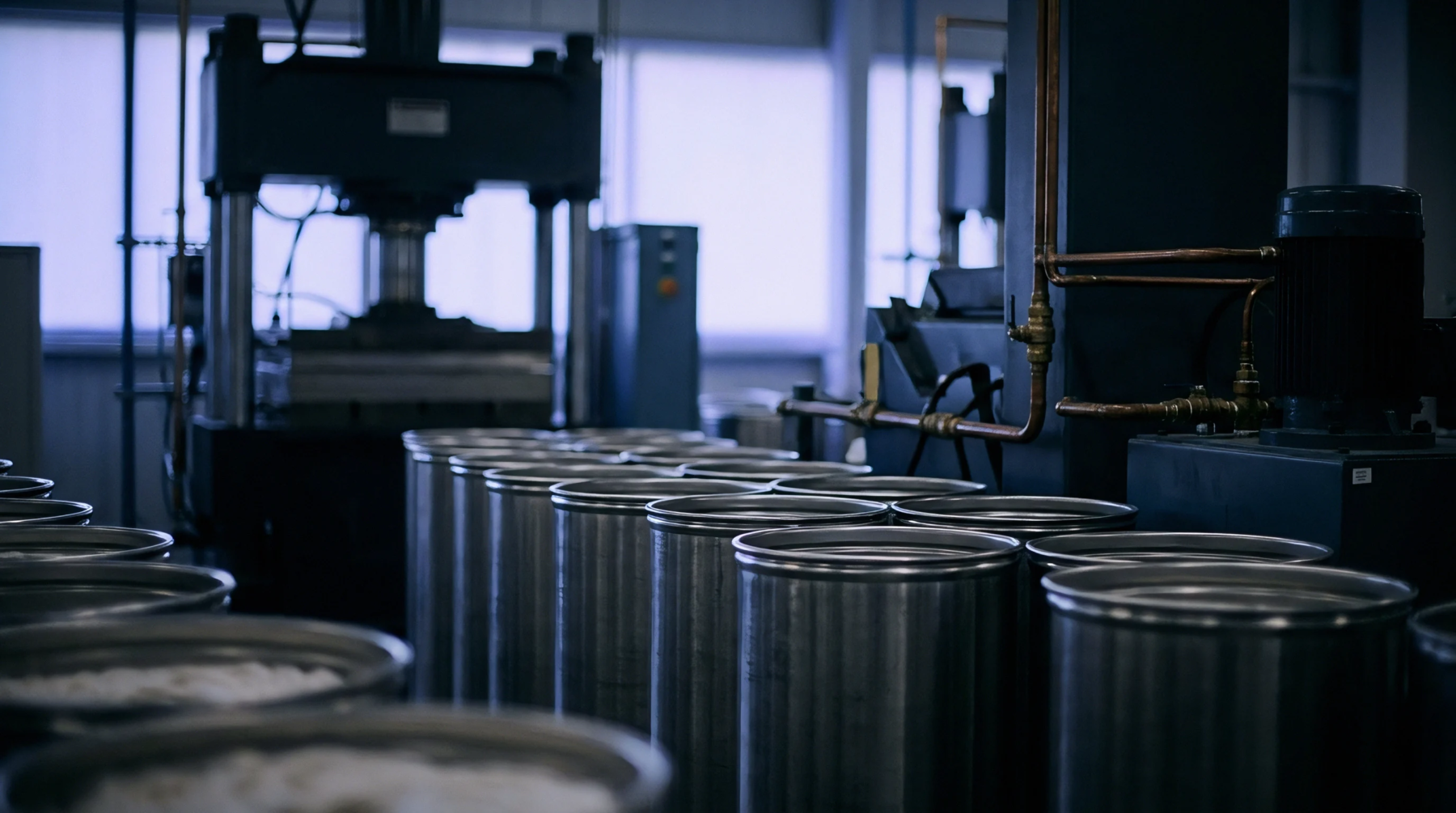
Dynamic hydraulic compensation locks stoichiometry in dual stream metering by combining continuous Coriolis mass feedback with active pressure valve control.
Branched nonylphenol ethoxylates resist microbial cleavage in wastewater treatment, requiring isomer-resolved liquid chromatography to prevent regulatory discharge failures.
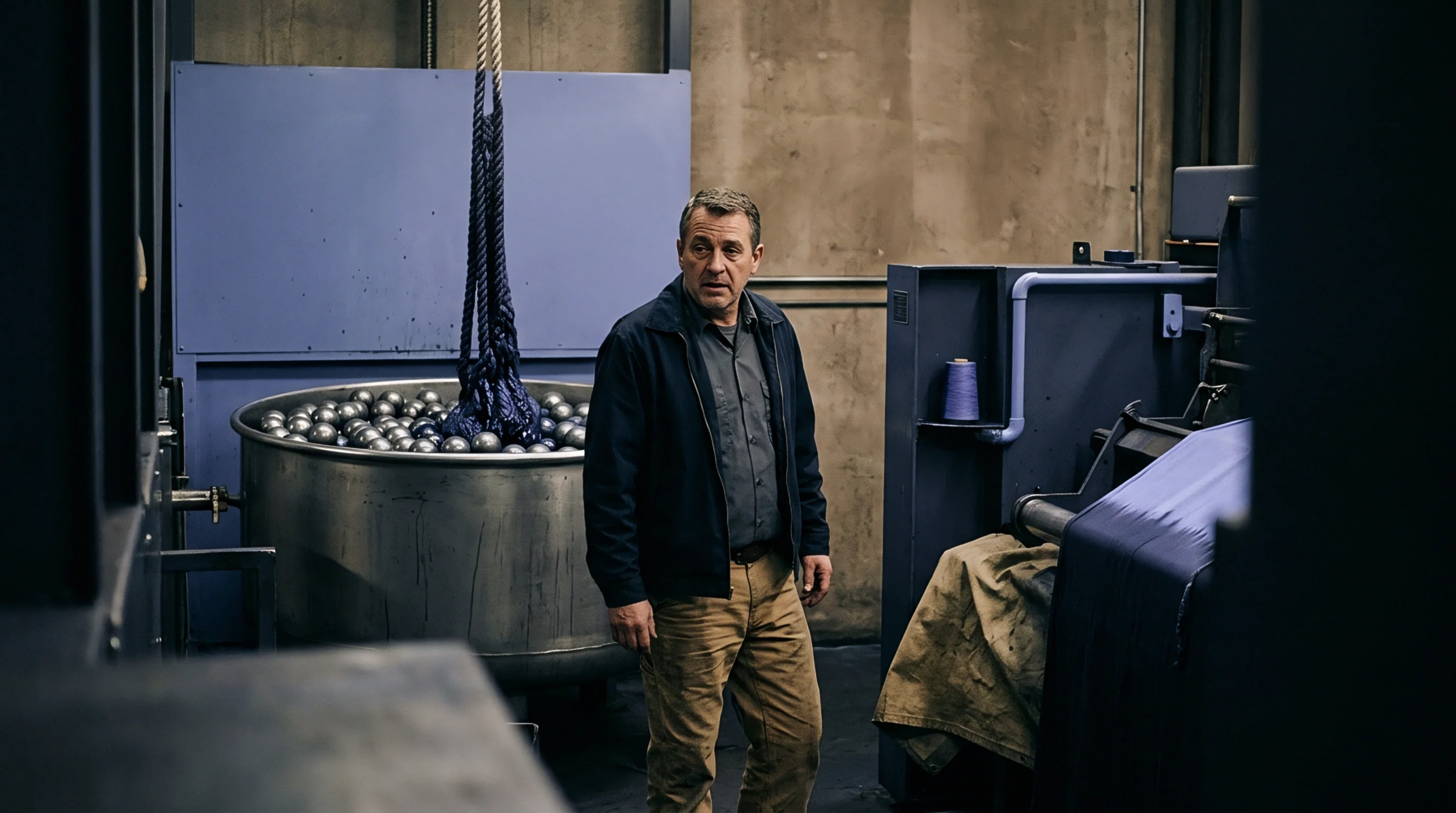
Refractometric and gravimetric tracking stabilizes cold pad batch alkali ratios, preventing reactive dye hydrolysis and securing shade repeatability.
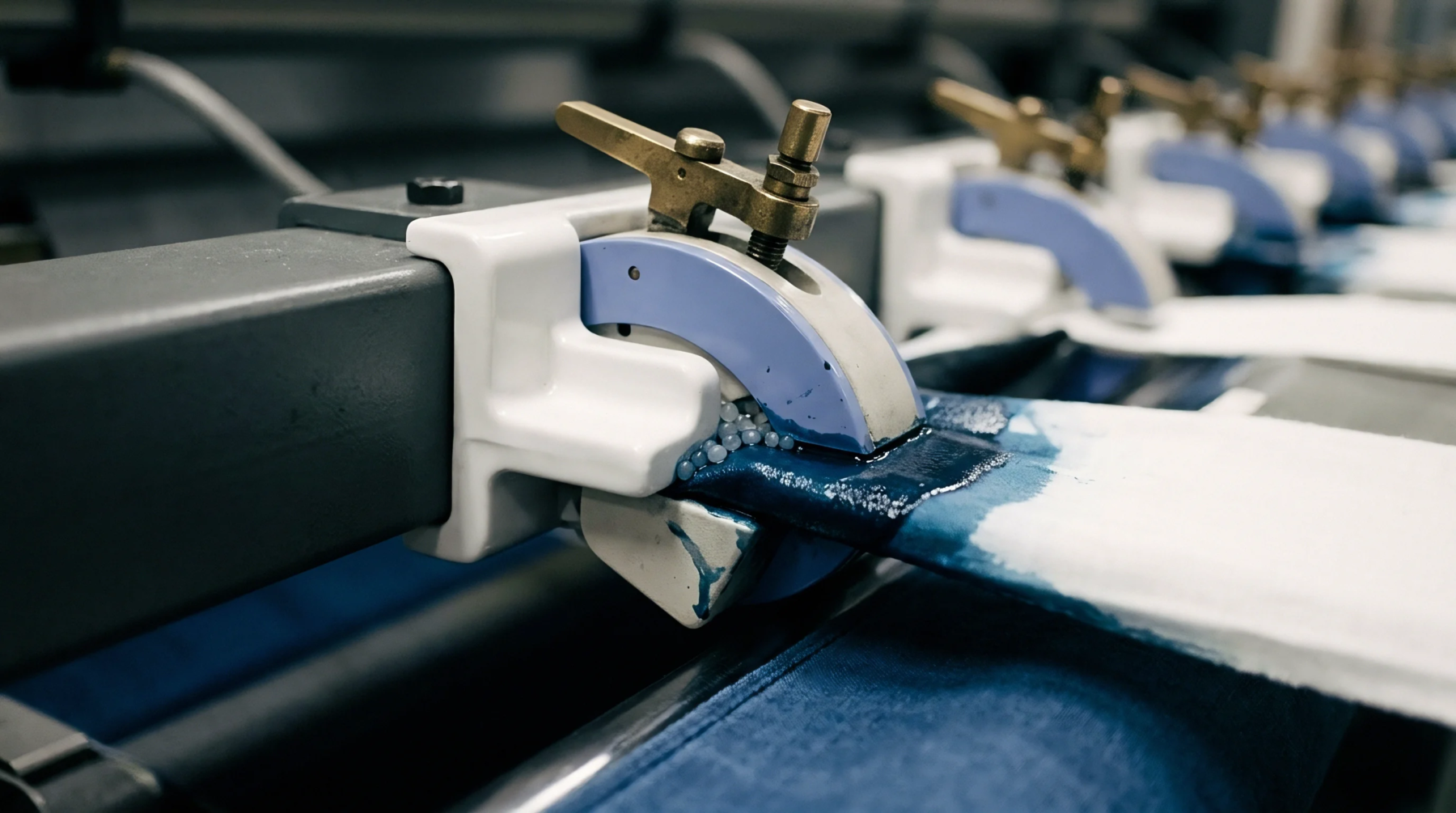
LC-MS/MS testing under ISO 18254-1 quantifies alkylphenol ethoxylates down to 1 mg/kg, requiring ammonium adduct control to prevent matrix suppression.

ISO 18218-1 LC-MS/MS testing after 50 °C methanol extraction provides the definitive quantitative benchmark to verify 100 mg/kg fabric ethoxylate limits.

Dense viscose ply yarns require controlled swelling alkali blends to eliminate core fixation gradients during dynamic steam fixation.
Fabric swatch dispute resolution requires unbroken physical custody logs, transaction certificates matched to roll tags, and ISO 17025 split-sample testing.
Dynamic threshold algorithms adjust optical background baselines to mass density changes, maintaining contaminant detection while cutting good fiber loss.
Apparent diffusion coefficients dictate internal fiber dye transport rate, governing shade levelness and fixation efficiency in swollen cellulosic processing.

Polypropylene contamination in fine combed cotton causes undyed white specks and high winding cuts, inflating effective landed yarn costs by up to 21 percent.
Cooling extended InGaAs sensors to 220 K reduces thermal dark current density below 5 nA/cm2, enabling accurate online spectrographic fiber identification.

Hydrolytic polyurethane breakdown during high-temperature dyeing occurs via acid-catalyzed ester cleavage, requiring polyether backbones and strict pH control.
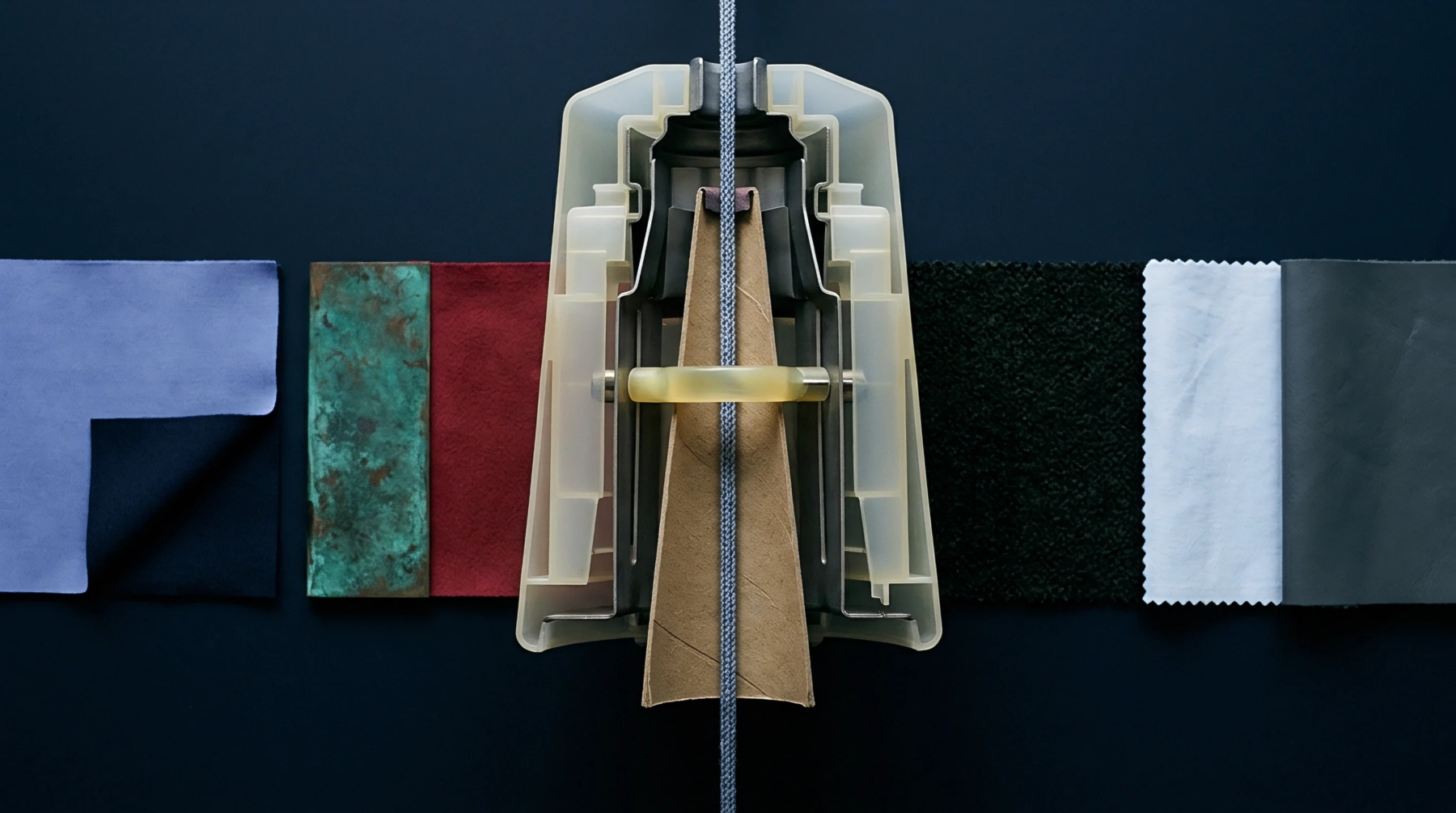
Thermal setting over 190°C and jet nozzle pressures above 0.30 MPa degrade polyurethane cores, causing permanent set and elasticity loss in synthetic knits.
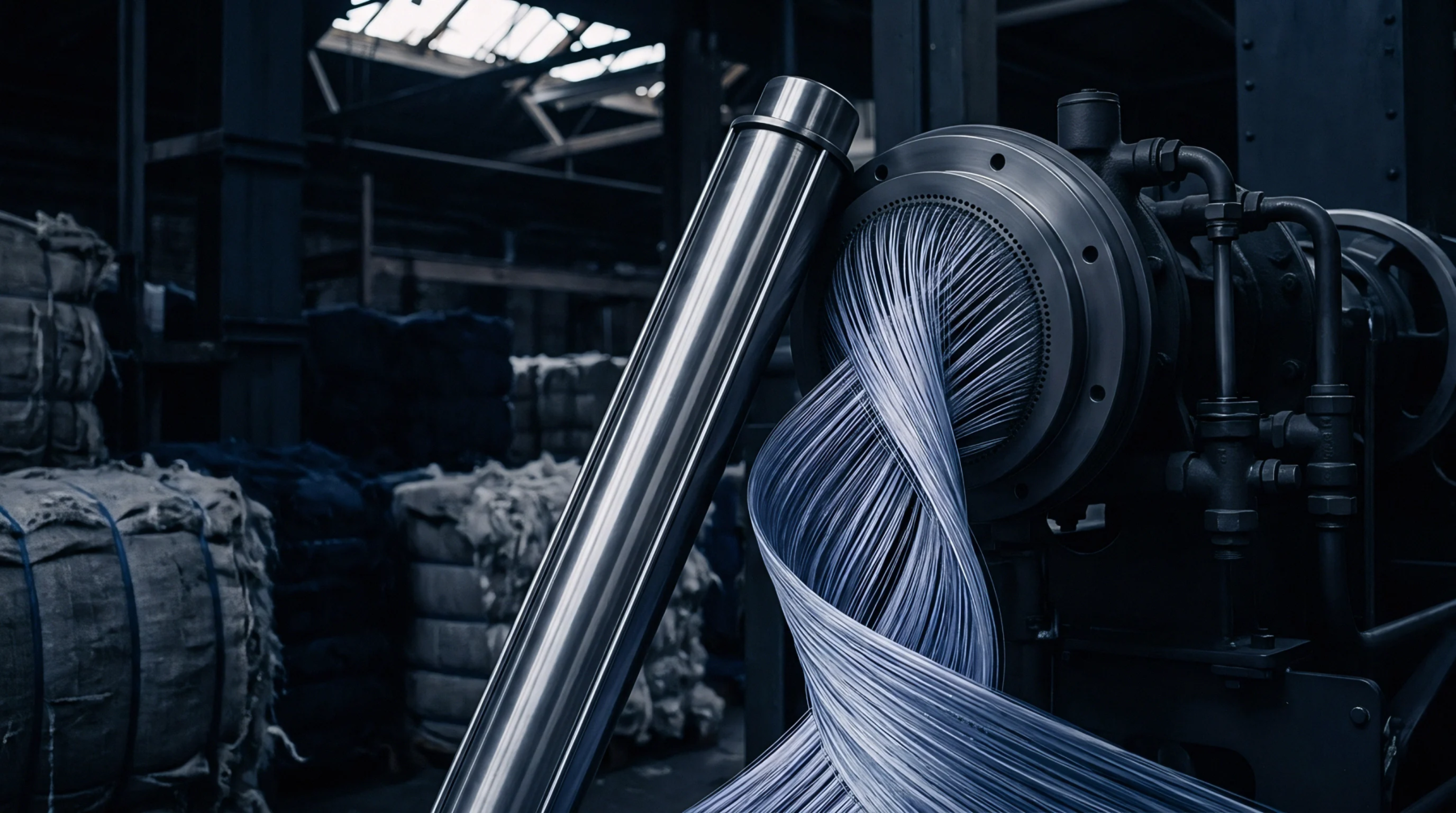
Continuous stenter thermal ramps induce capillary collapse and structural pore degradation, dictating finished air permeability and barrier performance.
Expertise is a utility, not a secret. sentiention™ publishes its working knowledge as open reference: intelligence layer covering the materials it sources, the markets it enters, and the reference that serves both.