
Auditing Mass Balance Discrepancies in High Guard Hair Camel and Cashmere Batch Processing
Auditing mass balance in camel and cashmere dehairing requires converting all stream weights to oven-dry mass plus stream-specific standard regain.

Auditing mass balance in camel and cashmere dehairing requires converting all stream weights to oven-dry mass plus stream-specific standard regain.

CIEDE2000 with 2:1:1 parametric weighting aligns numerical batch tolerances with visual panel acceptance across woven fabrics better than legacy DE76 or CMC equations.

Commercial mass regain adjustments recalculate dehaired specialty fibre billing weight by converting net scale mass to clean dry keratin plus official allowances.

Industrial shade approval relies on daily white tile calibration, black trap zeroing, UV adjustments, and aperture matching across color measurement units.

Raw cashmere value hinges on clean down yield and optical verification of residual coarse hair content below zero point five percent by mass.
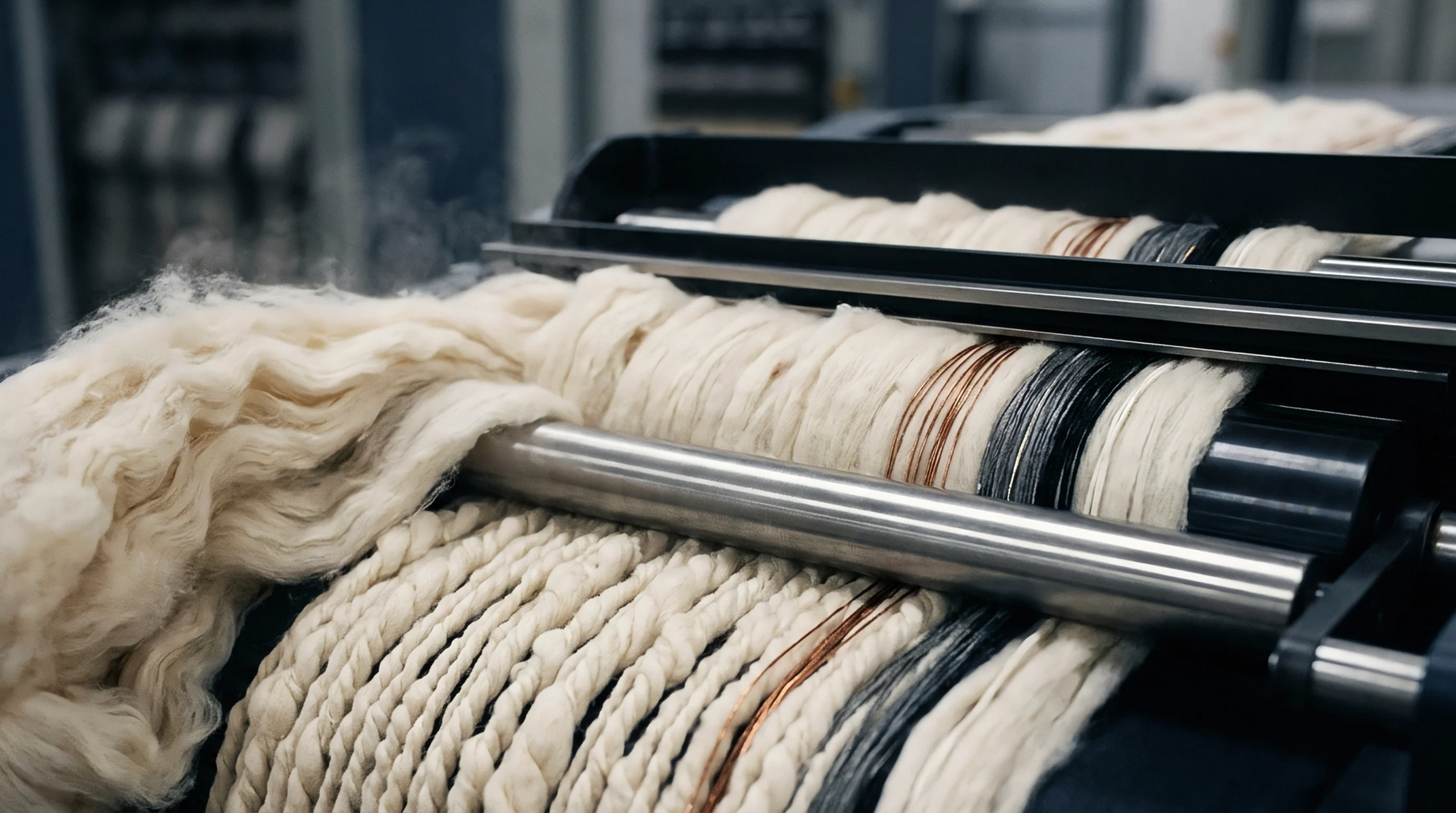
Acceptance sampling for cotton honeydew requires negative binomial statistical modeling and thermomechanical spot counts to control spatial clustering risks.

Determining viscose wool dry mass ratios through ISO 1833 requires selective chemical dissolution, reagent mass correction, and commercial regain adjustments.

Mechanical opening separates cotton and polyester blends when differences in fiber density, crimp, and friction cause differential transport and waste drop.

Accurate comber noil extraction calculations require mass balance testing under conditioned moisture standards, balancing waste removal against secondary resale value.

Commercial raw cotton mass requires adjusting gross scale weight for official moisture regain and non-lint content under standardized oven-dry test protocols.

Bayesian nonparametric depth profiling maps non-Fickian plasticizer accumulation across PVC layers, preventing premature adhesive seam failure.

Dirichlet Process Mixture Modeling deconvolutes co-eluting VOC emissions in coated fabrics, turning uncertain point-tests into actionable probabilistic batch risk assessments.

Rapid formaldehyde headspace screening requires chromatographic verification to eliminate false positives caused by volatile matrix interferences and solvent vapors.

Statistical skip lot schemes lower textile testing costs only when dye house inputs stay locked and failure triggers force instant 100 percent re-inspection.

Physical segregation verification in rayon chains requires dedicated pulp steeping lines, chemical marker validation, and container seal mass balance audits.

Purifying dissolving pulp to pure alpha-cellulose before isotope ratio mass spectrometry prevents residual lignin from distorting species and origin calls.

Matrix effects in pyrolysis gas chromatography elevate detection limits for restricted dye residues in recycled synthetic lots.

Depolymerized nylon mass balance ledgers require precise physical yield loss deductions before allocating recycled caprolactam inventory credits across batches.

Dissolving pulp sourcing for rayon yarn relies on alpha cellulose purity specifications, alkali solubility controls, and commercial air dry tonnage audits.

Verifying synthetic filament claims requires aligning scope certificate product codes against physical batch mass yields and yarn transaction certificates.

Validating post-consumer recycled content requires combining isotopic lab assays, mass balance transaction certificates, and mandatory batch retest clauses.
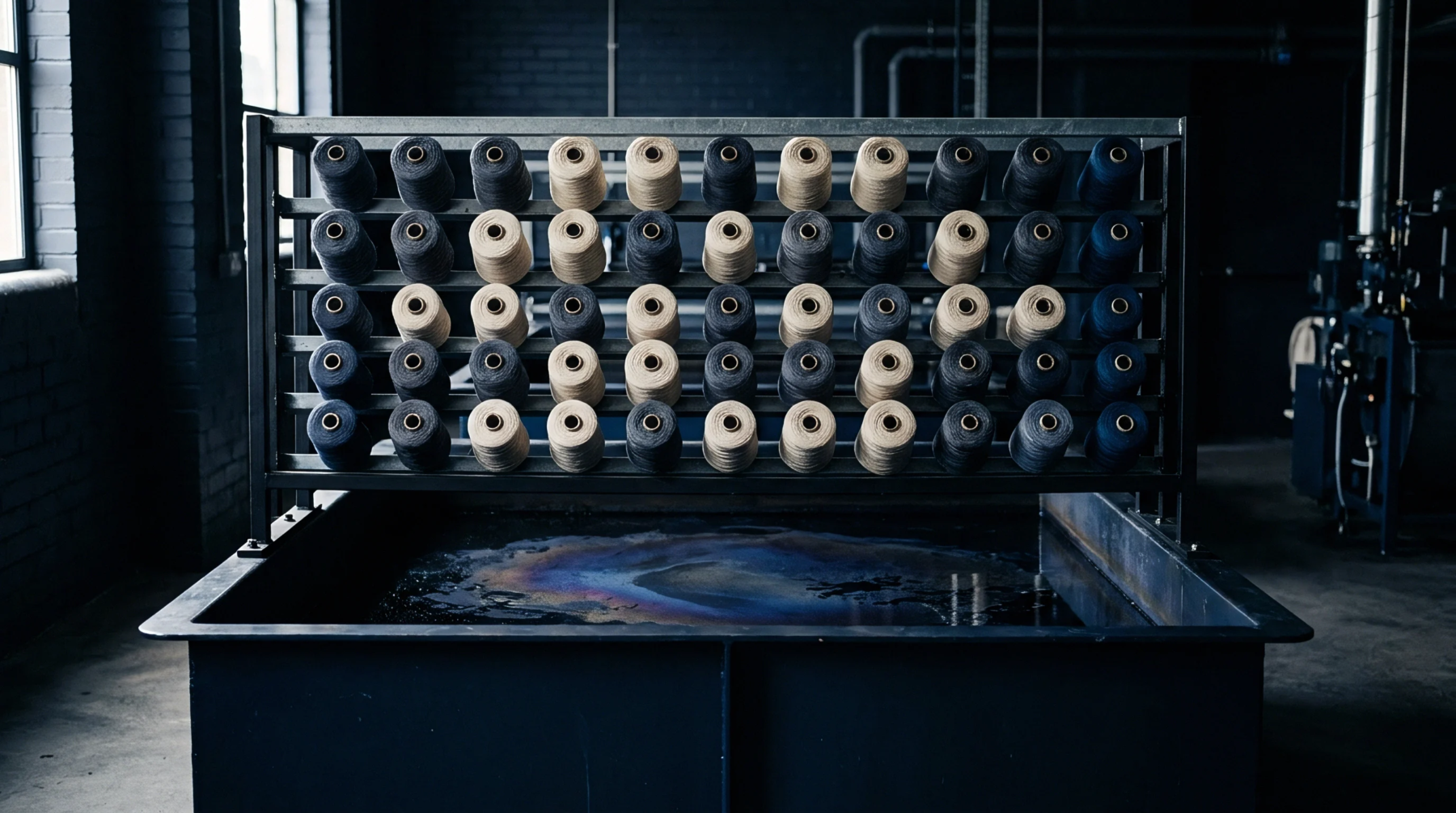
Stable isotope dilution mass spectrometry eliminates interlaboratory matrix suppression errors, preventing false positive batch rejections during audits.

Resolving transpacific fluorinated residue disputes requires combining total organic fluorine screening with targeted mass spectrometry pre-washed tests.

Customs audits reclassify fiber blends when suppliers apply origin regain rates instead of destination statutory rules to oven-dry laboratory separation data.
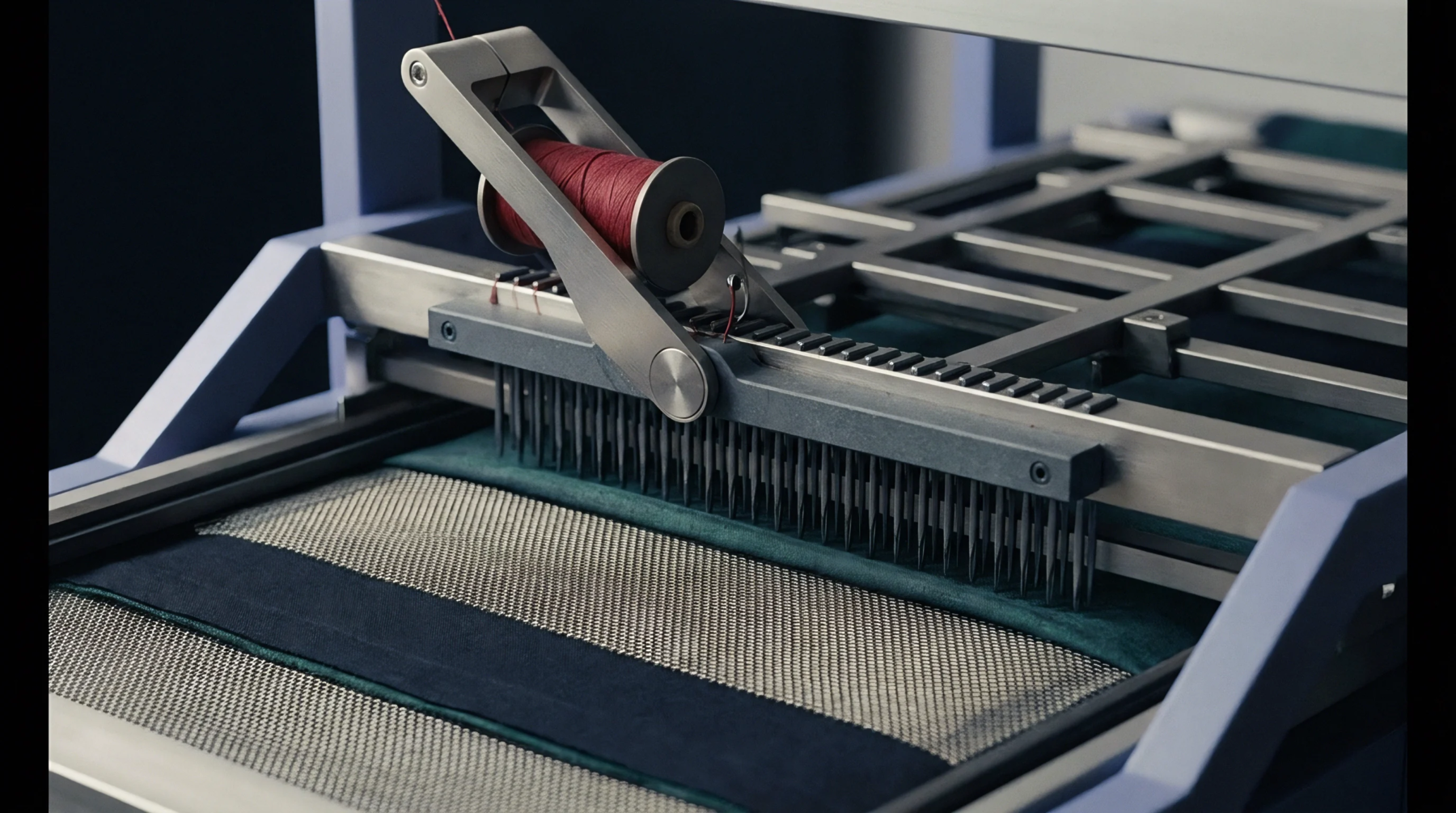
Calculate weighted regain by multiplying dry fiber fractions by standard regain rates, applying this factor to clean dry mass for final invoice weight.
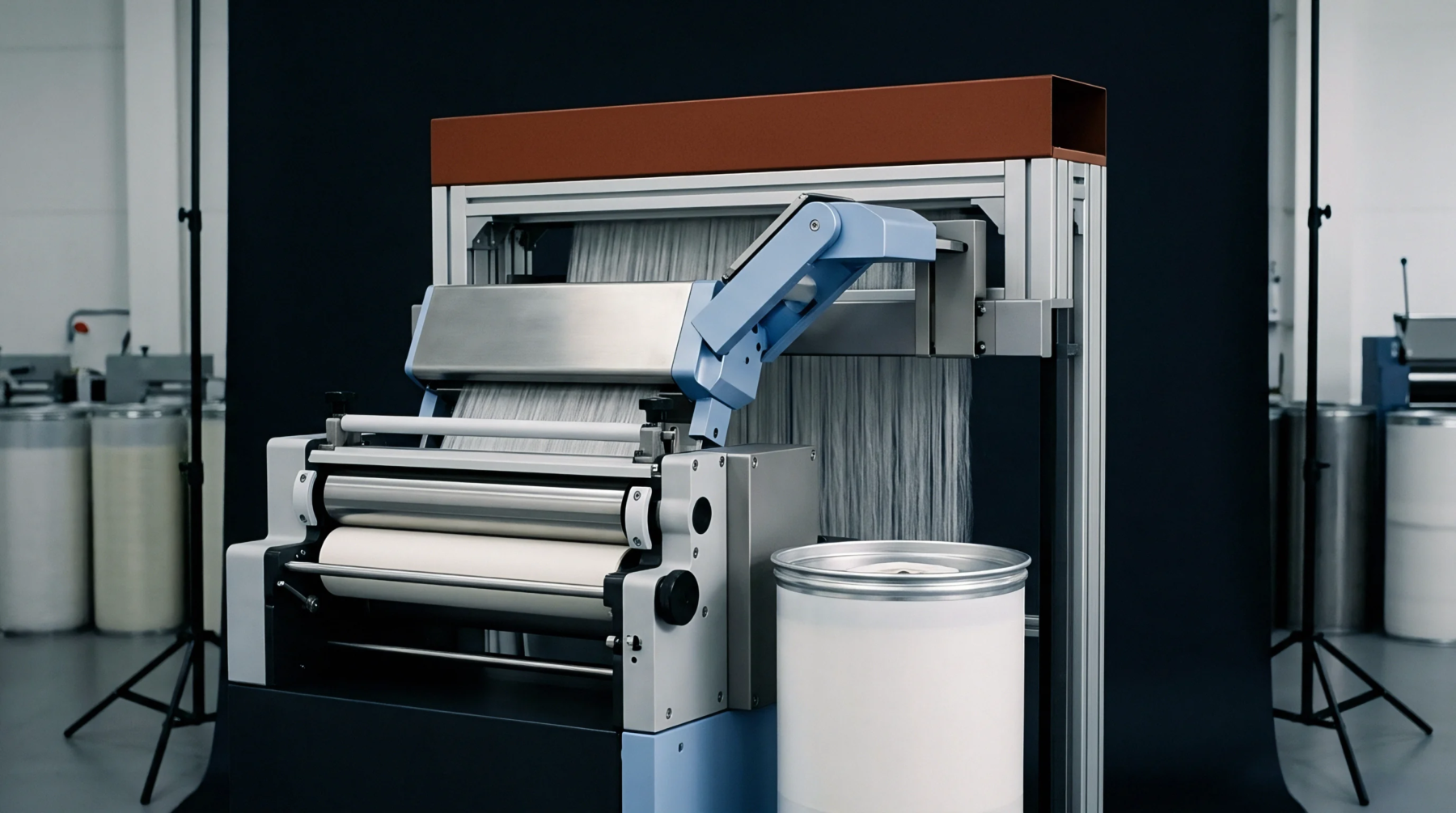
Declining repeat volume forces shifts from continuous to exhaust routes, driving up unit setup waste, expanding liquor ratios, and requiring wider shade tolerances.
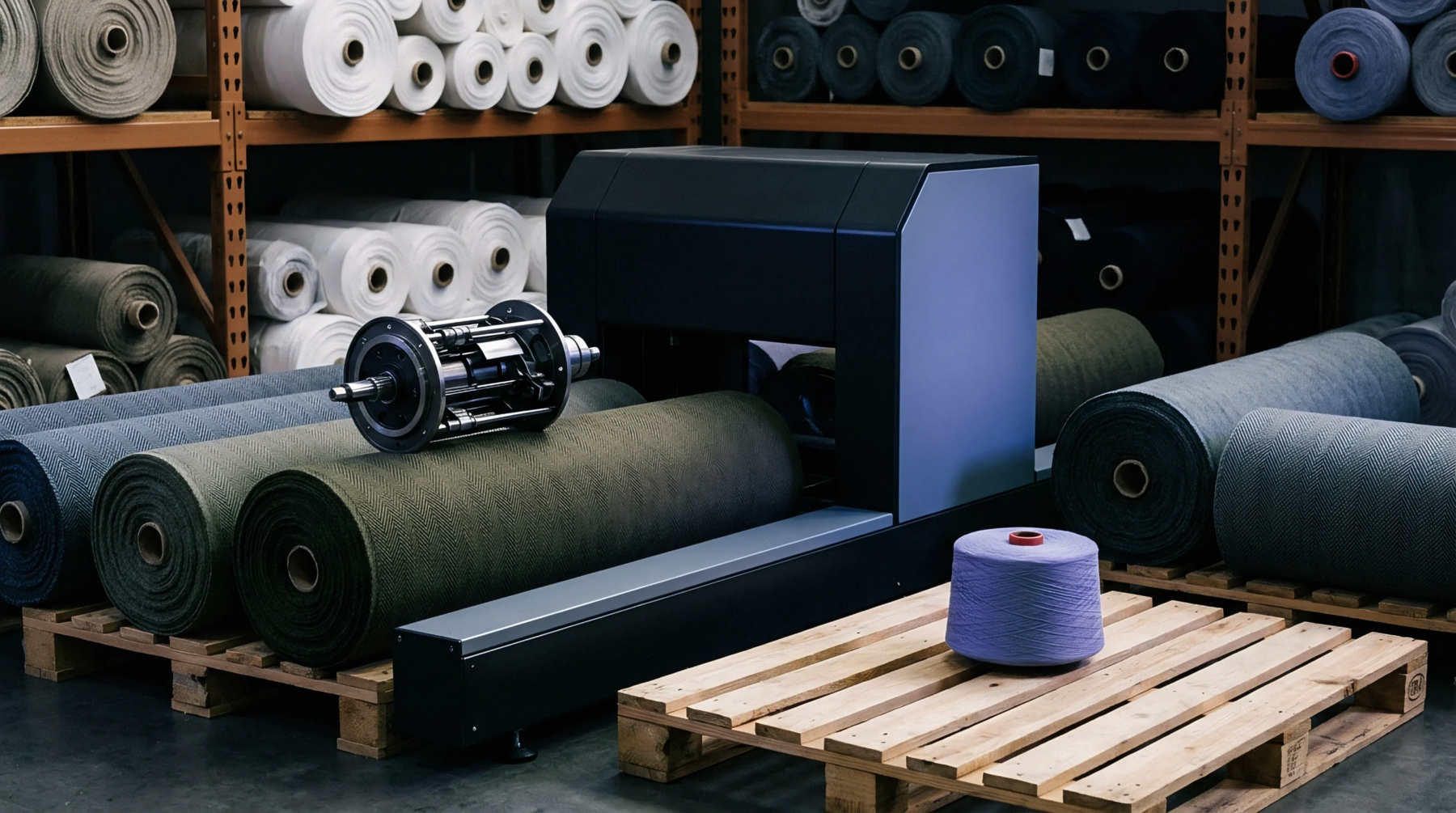
High fluid shear compresses boundary layers, accelerating hydroxyl mass transfer and driving hydrolytic dyestuff loss in bifunctional reactive dyeing.

Controlled progressive alkali dosing matches jet fabric loop velocity to eliminate surface fixation spikes and secure level shade fixation on cellulosic cloth.

Baseline moisture allowances convert raw lot weight into commercial mass using ISO regains to prevent paying yarn prices for ambient water.

Enforce CIEDE2000 digital master tolerances with independent hue caps and multi-illuminant verification to maintain shade parity across split production runs.
Expertise is a utility, not a secret. sentiention™ publishes its working knowledge as open reference: intelligence layer covering the materials it sources, the markets it enters, and the reference that serves both.