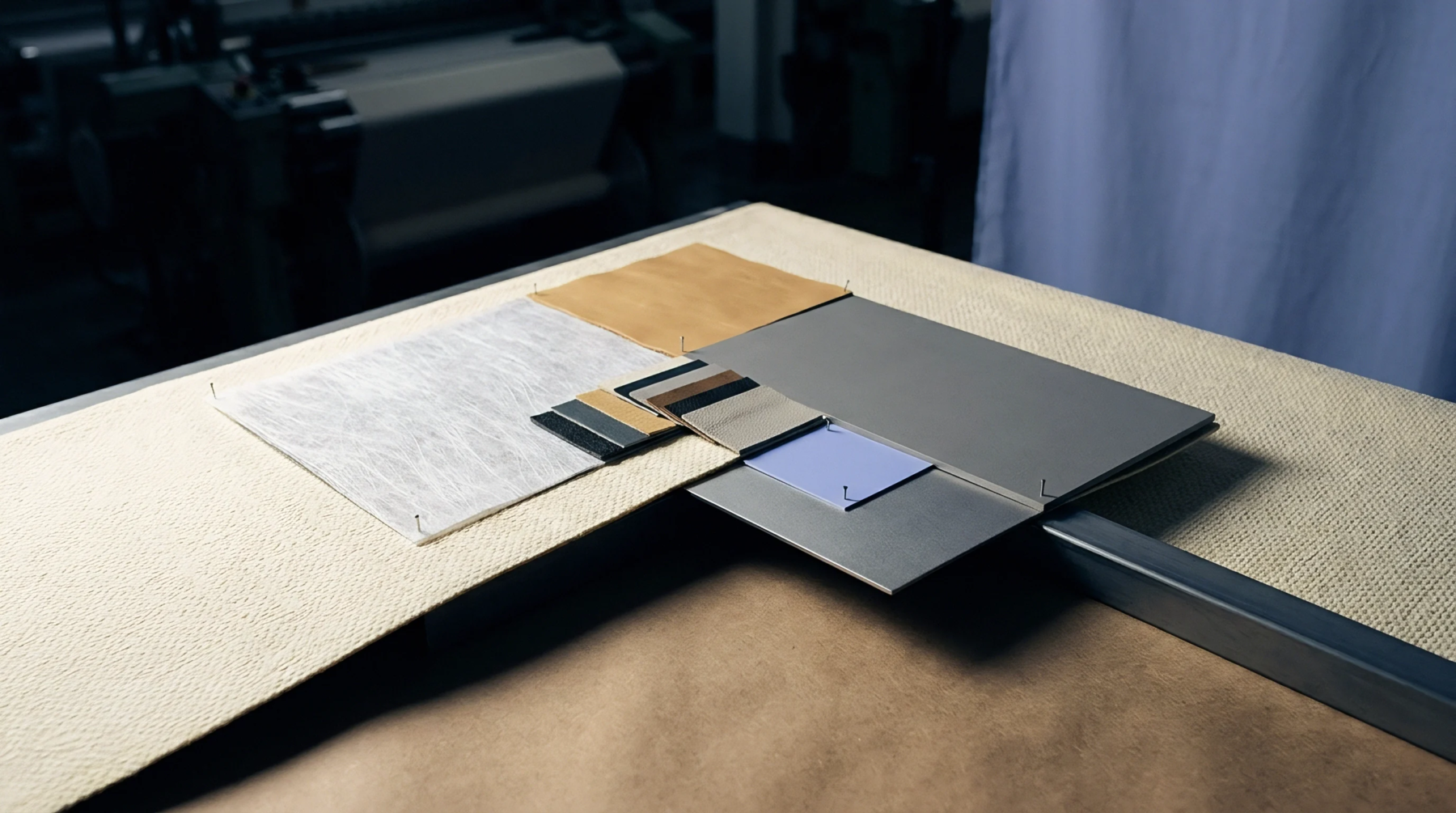
Material Assessment
Quality control protocols measure the adhesive properties of polymer coatings on finished fabrics. In the production of protective apparel, surface tackiness evaluation determines the degree of stickiness caused by plasticizer migration or incomplete curing. It ensures that stacked or folded fabrics do not bond together during storage.
Analytical Technique
Standardized methods use pressurized contact to quantify the stickiness of the coated textile surface. During a surface tackiness evaluation, a probe of known area and material pressed against the specimen is pulled away at a controlled speed. The instrument records the force required to break the contact between the probe and the fabric coating.
This peak tension value provides a numerical measure of the adhesive force. It helps factories adjust their drying and curing oven settings.
Product Quality
Excessive stickiness causes dust and fibers to cling to the garment, ruining its appearance. Therefore, surface tackiness evaluation helps manufacturers maintain a dry hand feel that matches the expectation of the customer.
Experimental Boundary
Environmental conditions can affect the accuracy of the adhesion measurements. High humidity softens some polyurethane coatings, which artificially increases the adhesive force during a surface tackiness evaluation. To prevent these inaccuracies, tests must be performed in a temperature-controlled room.
The results are only comparable when the surface is clean and free of dust.