
Determining Chemical Separation Parameters for Cotton Viscose Yarn Blends
Determining cotton viscose yarn blend composition requires solvent extraction pretreatment, precise reagent temperature control, and empirical d-factor corrections.

Determining cotton viscose yarn blend composition requires solvent extraction pretreatment, precise reagent temperature control, and empirical d-factor corrections.

Residual solvent determination in PU coated fabrics requires ISO 16189 liquid extraction GC-MS to catch bound DMFa that static headspace misses.
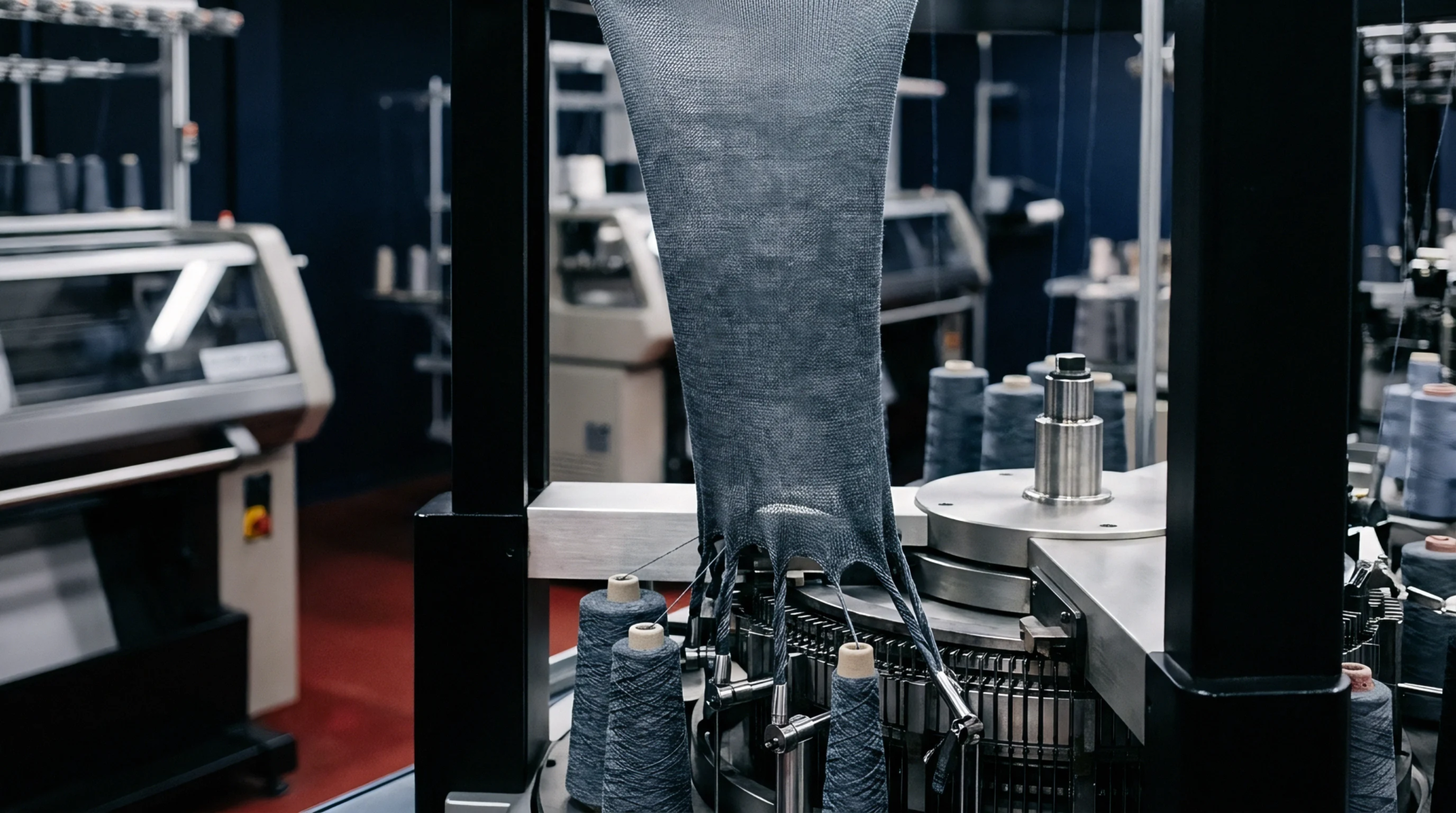
Polyolefin film contamination causes un-dyed resist defects in combed cotton yarn, driving fabric rejection rates above acceptable ASTM D5430 threshold limits.
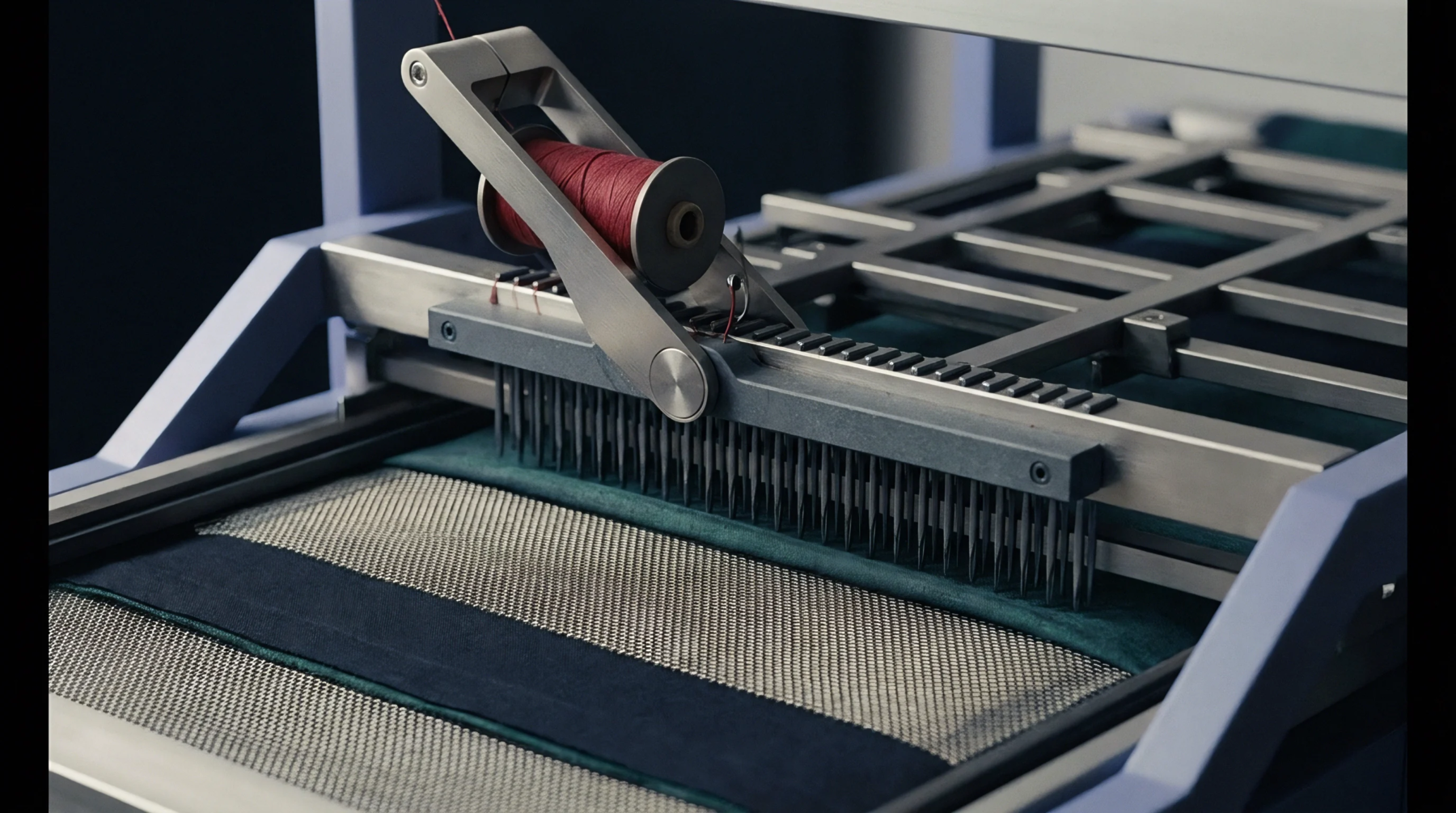
Unified chemical threshold matrices enable multi-market fabric clearance by harmonizing the strictest global limits into single-lot test protocols.

Progressive exponential electrolyte dosing prevents surface strike and core un-dyed voids when reactive dyeing heavy cotton duck in low liquor ratio jet machines.
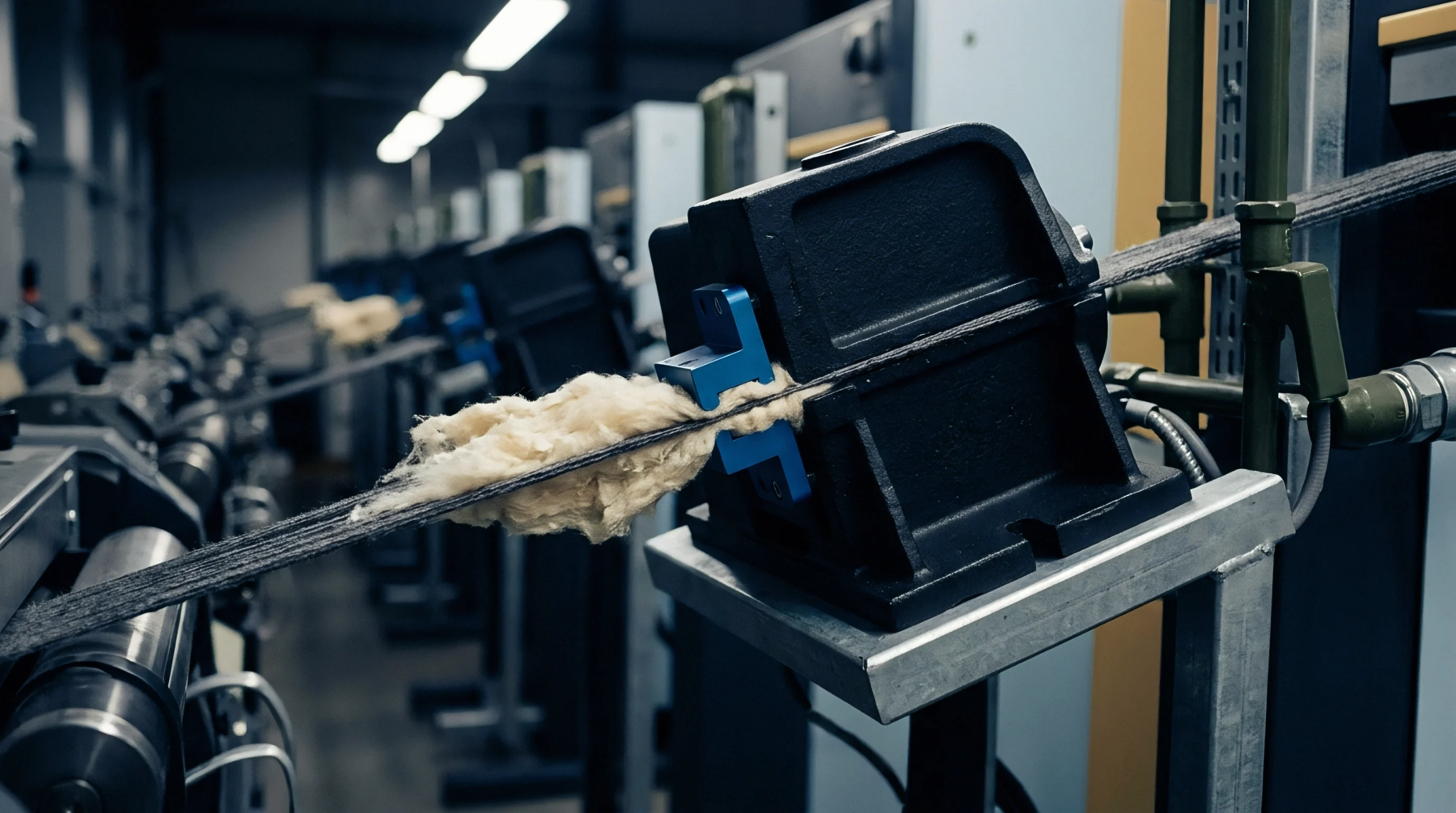
Dynamic nozzle pressure calibration balances liquor velocity and fabric rope speed, preventing mechanical chafe and shade streakiness on dense woven fabrics.

Official moisture regain converts bone-dry wool yarn mass into contractually billable commercial weight, eliminating ambient moisture volatility from financial settlements.

Greige fabric certification demands batch testing of sizing agents, spin finishes, and biocide residues before finishing treatments mask regulated chemicals.

Statistical acceptance sampling for restricted chemical finishes requires composite dilution accounting to protect buyers from hazardous batch contamination.

Standardized formaldehyde acceptance testing relies on ISO 14184 water extraction and ISO 17226 chromatography to quantify residual resin risks before shipment.

Standardizing solvent extraction for recovered staple yarn matches solvent polarity to finish chemistries, isolating non-fibrous mass without core polymer damage.

Gravimetric oven drying determines accurate polymeric fibre regain by measuring dry mass after removing volatile moisture at specified temperatures.

Reconciling cut sample and lea skein mass discrepancies requires applying crimp contraction factors, perimeter edge-loss multipliers, and ISO 139 moisture equilibrium parameters.

Fragment identification via FTIR deconvolution and selective staining corrects quantitative solvent extraction errors in recycled ternary yarn analysis.

Potentiometric control of high-concentration sodium hydroxide liquors requires matrix-matched calibration and derivative titration to correct sodium error and junction potential.

Dynamic baseline compensation algorithms eliminate regain spectral skew in high speed optical sorting, preventing blend misclassification and customs duty penalties.

Continuous pad dyeing of cellulosic blends requires precise wet pickup control, anti-migrant chemistry, and strict thermal limits to prevent shade listing.
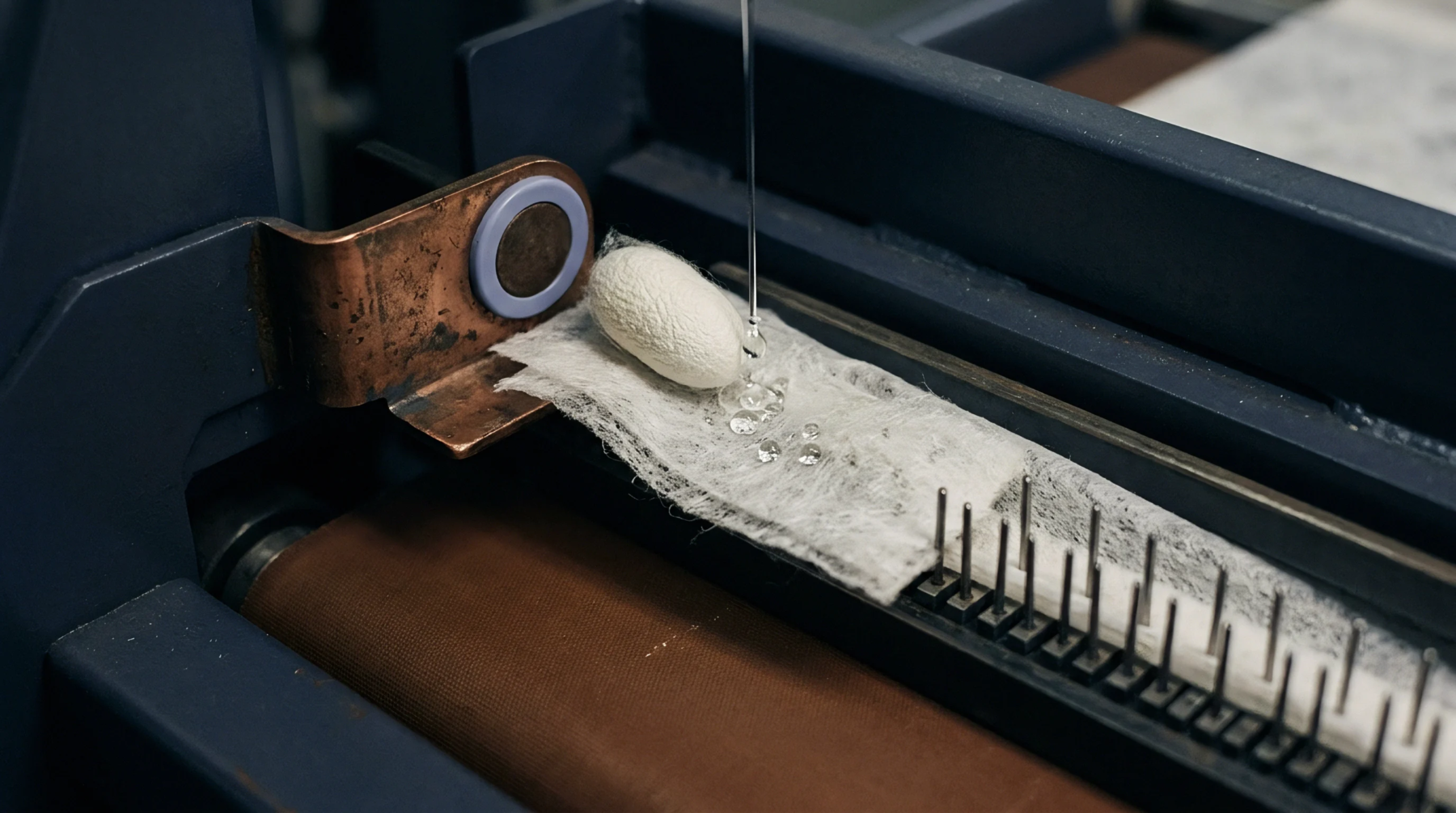
Commercial mass determination reconciles clean dry polymer mass with official regain allowances to secure precise customs compliance and financial settlement.

Polyvinyl chloride compliance demands precise thermal desorption parameters to remove residual solvents and lock phthalate plasticizers within polymer matrices.

Transatlantic textile claims resolve by applying critical difference calculations to inter-laboratory test variances before declaring commercial non-conformity.

Cross-border restricted substance clearance demands aligning solvent extraction parameters, instrument detection limits, and batch sampling protocols across jurisdictions.

Coupled aerodynamic and tribological modeling prevents binary staple segregation during pneumatic convey, securing blend accuracy and avoiding tariff reclassification.

Controlling multi-mill spectral reflectance variance requires standardized d/8° geometry, digital CxF3 master distribution, and strict CIEDE2000 tolerances.

Carding waste selectively extracts short cotton over synthetic staple, shifting sliver ratios by up to 2 percent synthetic enrichment unless compensated in laydown.

Polyether elastane core retention under high shear jet dyeing requires maintaining bath pH between 5.5 and 6.0 while capping nozzle pump pressures below 1.5 bar.
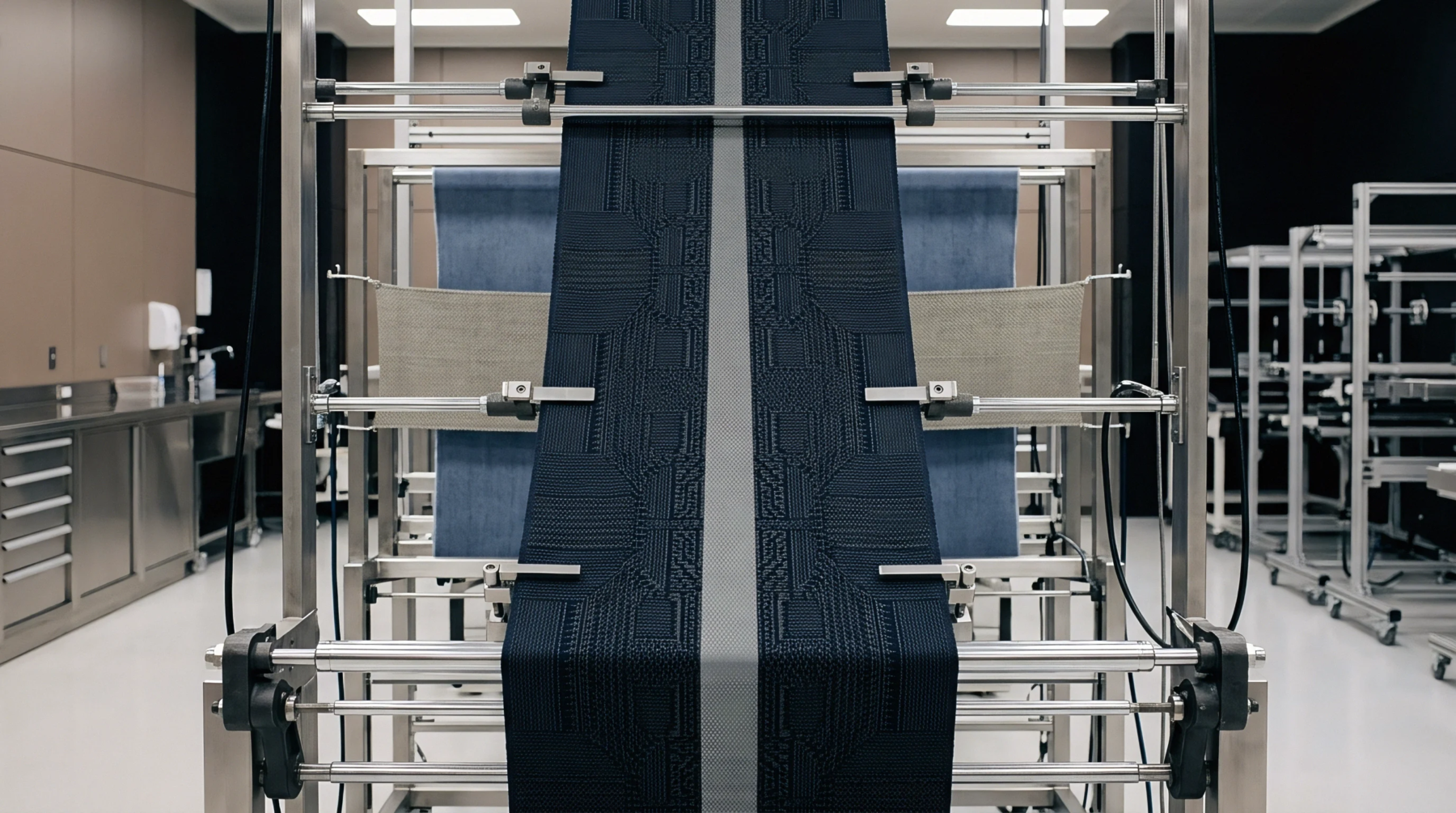
Balancing high gauge tricot warp beam tension within narrow cN per tex bands eliminates fabric weight drift and dynamic horizontal streak defects across bulk runs.

Reduced verification screening matrices replace full quantitative panels on repeat orders with rapid indicator screening and adjusted composite pooling math.

Low liquor ratio cotton dyeing demands progressive alkali profiling to suppress early hydrolysis, match bath exhaustion, and eliminate bulk shade streakiness.

Textile qualification requires mapping baseline chemical limits and physical standards to accredited lot-level test reports before releasing purchase orders.

Uncontrolled greige storage triggers moisture migration, lipid autoxidation, and sizing retrogradation, which impair surface wettability and cause severe dye absorption variances.
Expertise is a utility, not a secret. sentiention™ publishes its working knowledge as open reference: intelligence layer covering the materials it sources, the markets it enters, and the reference that serves both.