
Woven Fabric Weight Tolerances and Linear Metre Yield Calculations
Reconcile woven fabric purchases by calculating linear yield from conditioned mass and usable cuttable width under ISO 3801 and ISO 139 parameters.

Reconcile woven fabric purchases by calculating linear yield from conditioned mass and usable cuttable width under ISO 3801 and ISO 139 parameters.

Uncorrected sodium ion interference and junction drift in high-alkaline reactive dye baths distort pH readings by up to 0.6 units, causing dye hydrolysis and batch off-shade failures.

Subcontracted extract dossiers require temperature coefficient corrections and membrane sorption controls to prevent regulatory non-compliance.

Deamidation artifacts shift peptide mass by 0.984 Da and skew LC-MS curves; resolving them demands integrating modified variant peak areas into standard models.

LC-MS/MS biomarker quantification measures species-specific keratin peptide markers to verify cashmere yarn purity within a 1.0 percent mass limit of quantification.

LC-MS/MS tryptic peptide analysis provides species-specific verification of fine animal fibers, overriding optical scale degradation in processed blends.

Sulfuric acid extraction isolates polyester residue to verify yarn composition against commercial moisture regain standards and tariff weight thresholds.

Uncorrected reference junction potentials in high-alkali dye baths cause hidden pH offsets up to 0.4 units, driving dye hydrolysis and shade off-tones.

Accurate textile extract pH verification requires two-point Nernstian calibration, controlled temperature compensation, and sleeve junction electrodes to prevent electrolyte clogging.

Optical sorter limits depend on tuft opening, duct air velocity, and spectral contrast between white polypropylene and raw cotton fibers.

Optimize air-jet polyurethane wovens by setting stenters to 190°C with +24% overfeed, holding heat setting efficiency above 88% and growth below 2.5%.

High sodium ionic strength distorts electrochemical probe signals in mercerization baths, requiring Pitzer activity corrections to prevent quality defaults.

Solvent extraction coupled with liquid chromatography isolates synthetic yarn cyclic oligomers to set strict delivery specs and stop knitting deposit failures.

Standardizing glass electrodes across wet processing ranges requires bracketed two-point calibration using lithium glass membranes and temperature-corrected buffers.

Continuous dyeing of jammed greige fabrics requires web draft below 0.5 percent to prevent capillary collapse and preserve liquor penetration across yarn cores.

Analytical verification of depolymerized monomer purity requires chromatographic trace contaminant profiling to substantiate cross-border recycled claims.

Chlorinated Soxhlet solvents remove hydrophilic polyether spin finishes completely but risk co-extracting polymer oligomers, shifting baseline dry fiber mass.

Engineering accurate finished width requires combining yarn crimp contraction with wet processing contraction factors during reed selection on the loom.

Polyurethane residual solvent quantitation requires ultrasonic liquid extraction with methanol and GC-MS SIM analysis to verify REACH and OEKO-TEX batch limits.

Transit moisture absorption alters ocean container cargo mass beyond standard laboratory regain corrections, creating financial and customs discrepancies.

Dynamic psychrometric compensation continuously balances evaporation and pickup in pad boxes, preventing dyestuff molarity drift and head-to-tail shade defects.

Pre-extract spin finishes with petroleum ether and apply accurate d-value corrections to ensure precise cotton-viscose gravimetric separation and tariff compliance.
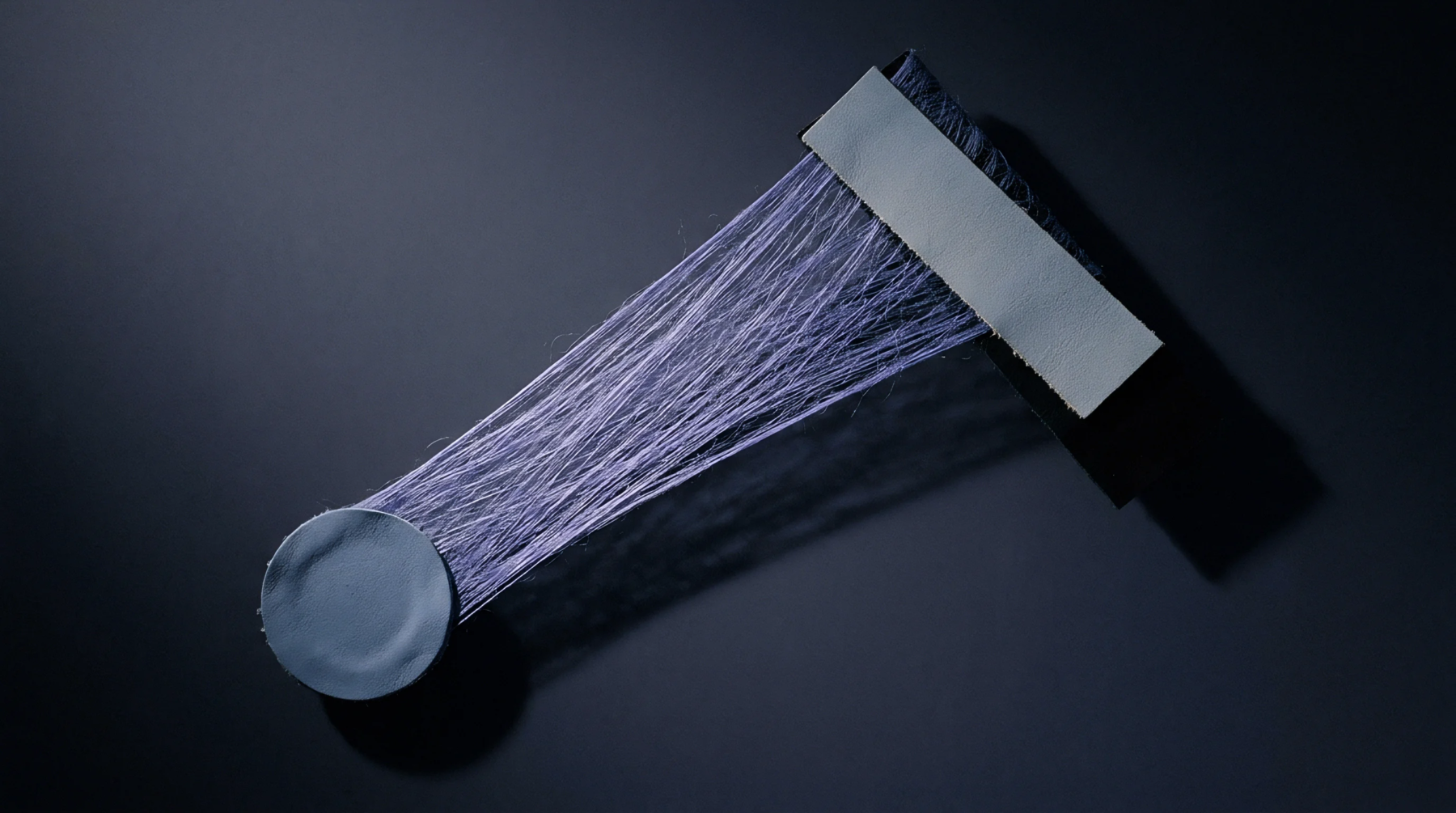
Commercial mass calculations adjust raw import dock weights to certified oven-dry mass plus standard moisture regain values for exact invoice settlement.

Greige warp parameters require calculating loom reed width from finished dimensions while incorporating weave crimp, size pick-up, and shuttleless selvedge waste.

Mathematical overfeed modeling balances longitudinal compressive force against thermal viscoelastic relaxation to lock target crimp geometry and control finished GSM.

Automated multi-point sensor calibration and matrix-corrected titrations generate traceable batch data required to clear border compliance audits.

Calibrate high-speed InGaAs spectroscopic arrays using two-point reference standardization to detect and eject clear polyolefin film in blowroom chutes.

Core sampling raw cotton requires deep core extraction, standard atmosphere conditioning, and calibrated instrument verification to secure commercial payment accuracy.

Establishing dual-route printing tolerances requires CIEDE2000 spectral limits under D65/TL84 illuminants paired with strict ISO 105 fastness verification.

Commercial mass calculations adjust physical scale weight to agreed moisture regains, protecting yarn buyers from paying for excess atmospheric water.
Expertise is a utility, not a secret. sentiention™ publishes its working knowledge as open reference: intelligence layer covering the materials it sources, the markets it enters, and the reference that serves both.