
Correlating Loom Sett and Machine Gauge to Wet Processing Shrinkage
Correlating loom sett and machine gauge to wet shrinkage requires matching grey thread density and stitch length to wet relaxation limits before finishing.

Correlating loom sett and machine gauge to wet shrinkage requires matching grey thread density and stitch length to wet relaxation limits before finishing.

Viscose wool composition drift stems from differing standard moisture regain allowances, requiring dry-mass conversion formulas to protect tariff lines and invoices.

Differential air drag and wire engagement strip cotton at carding zones, forcing synthetic sliver drift that triggers customs tariff threshold penalties.

Harmonize multi-market physical fabric testing by implementing worst-case envelope protocols and validating ISO 17025 laboratory accreditation scopes.

Bayesian acceptance sampling with depth-isolated microtome preparation isolates localized layer non-compliance, reducing consumer import risk below zero point five percent.
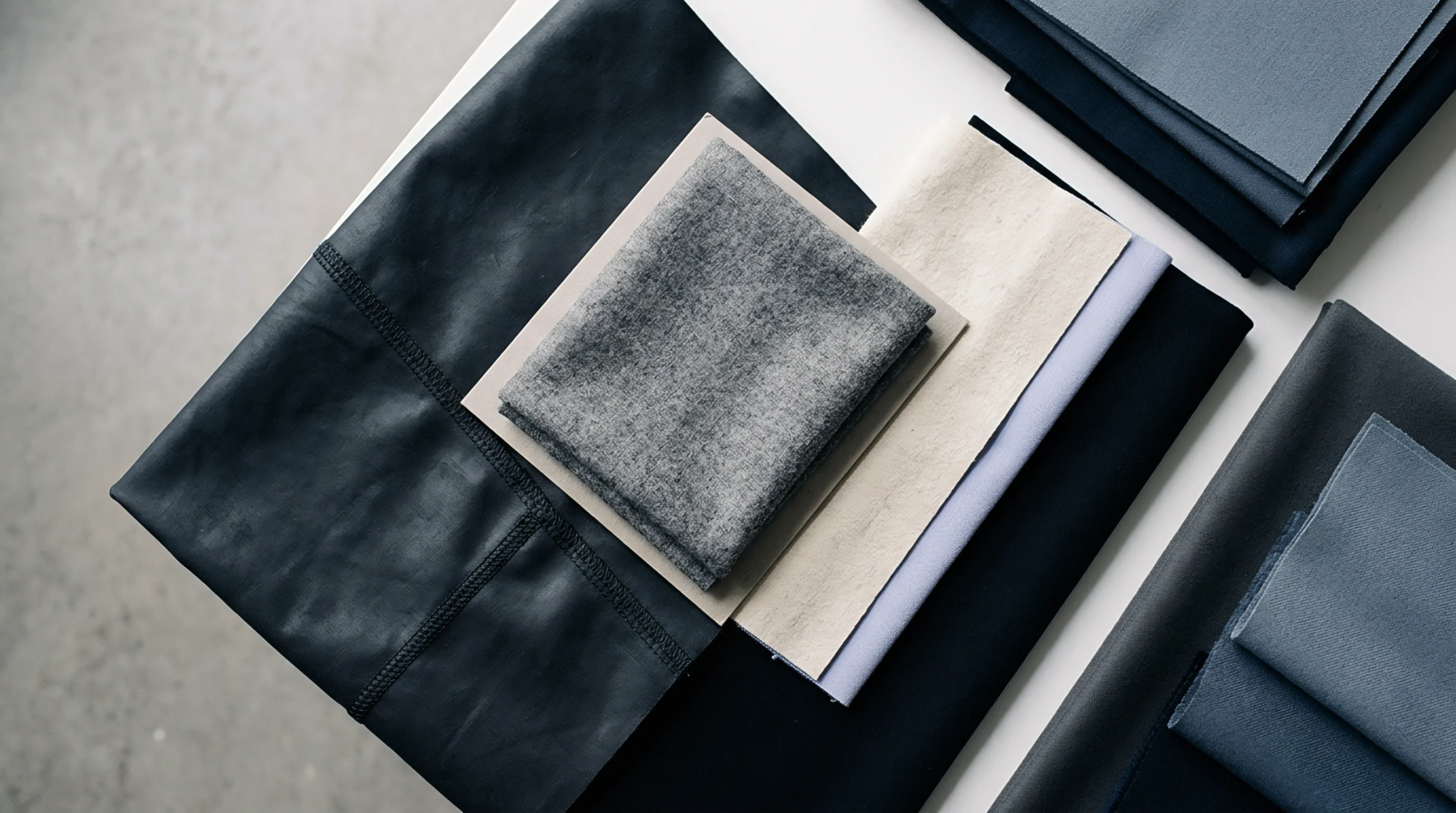
Accurate woven mass calculation requires modeling yarn counts, crimp percentages, sizing removal, and moisture regain across every step from loom shed to final invoice.

Cold pad batch dyeing of dense twills requires low-volume trough turnover, dual-component alkali dosing, and precise rotation to eliminate tailing and core defects.
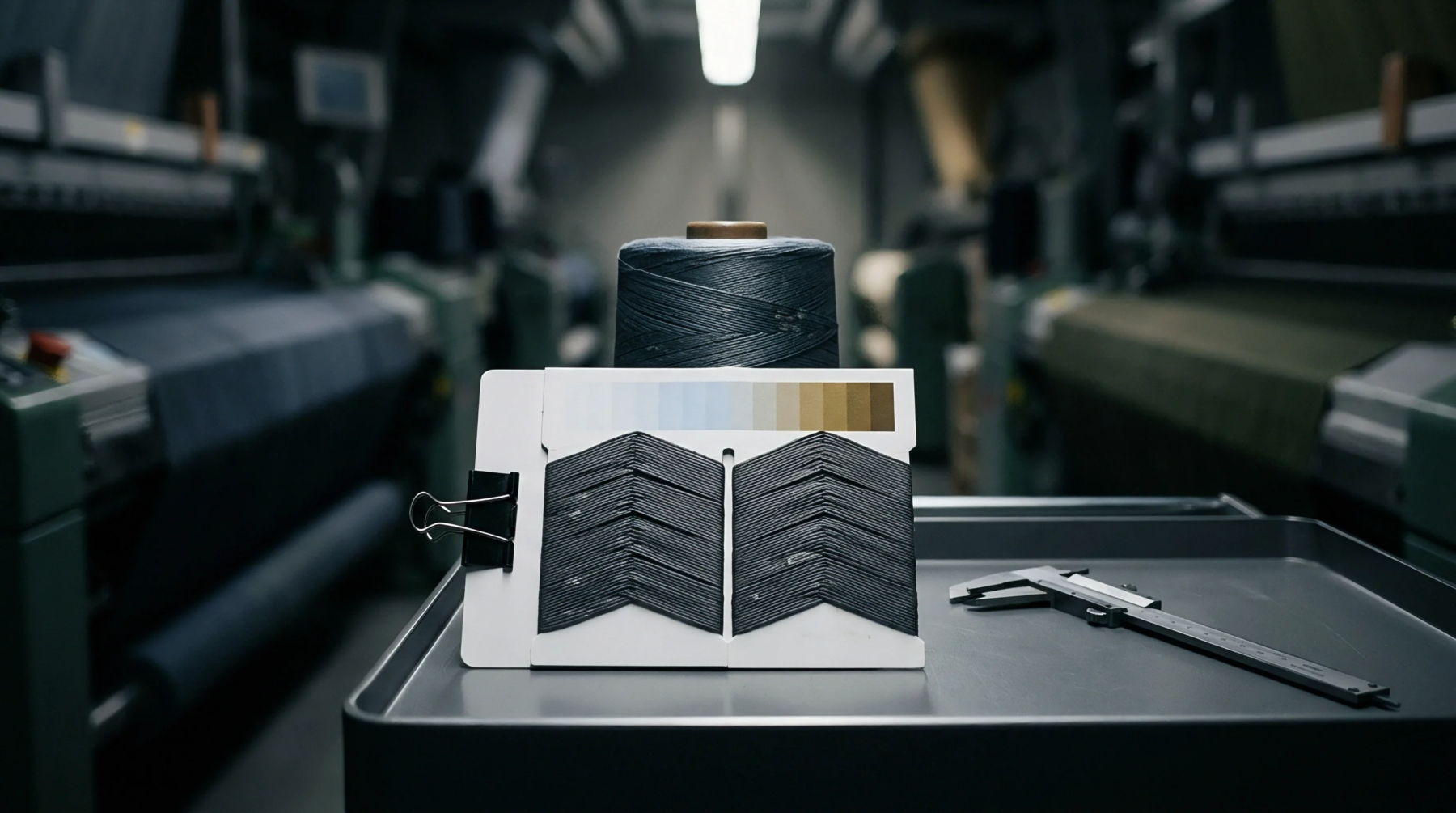
Raw fiber yield calculations require converting gross lot weight to dry commercial mass under ISO 6741 and deducting mechanical waste extractions.

Enforce CIE DE2000 spectrophotometric shade tolerance limits under dual illuminants with strict fabric conditioning to prevent batch rejections.

Type approval certificates prove mill capability, while targeted lot indicator testing on repeat orders verifies shipment conformity before vessel loading.

Regulators demand lot-specific transaction certificates matched to bills of lading, backed by chemical verification and strict mass balance auditing.

When repeat print orders fall below 800 metres, digital printing eliminates rotary screen setup fees and waste, cutting landed costs and lead time.

Buyers verify viscose pulp origin using stable isotope profiling alongside physically segregated chain of custody documentation from pulp mill to yarn.

Weighted commercial regain calculations turn dry mass fractions and standard allowance rates into contractually enforceable net billable yarn shipment weights.

Calculating reactive dye hydrolysis rates in jet dyeing requires tracking bath pH and absorbance over time to optimize alkali dosing and maximize color yield.
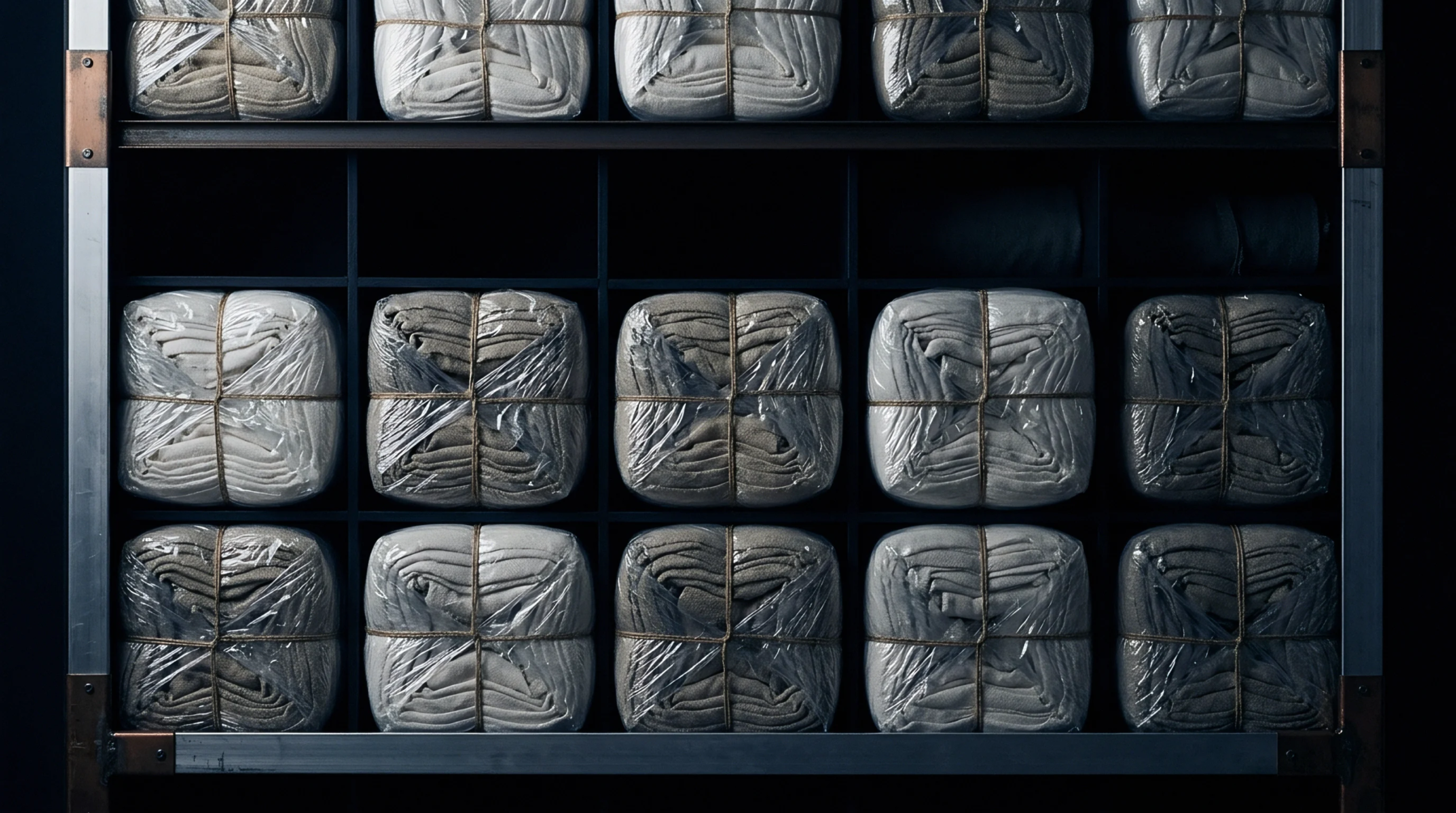
Split dyeing batch shade consistency depends on spectrophotometric reflectance curve matching across multiple illuminants and strict stenter thermal control.

Commercial mass calculations adjust textile shipping weights to standard moisture regain levels, preventing overpayment of invoices and customs import duties.

Preventing filament damage in micro denier elastomeric warp knits demands precise beam tension control, strict stenter thermal capping, and low-shear jet scouring.

Solvent extraction adjustments correct non-fibrous loss and moisture regain to convert raw dry residual weights into accurate commercial mass for tariff settlement.

Low liquor ratio jet dyeing accelerates reactive dye hydrolysis; controlling progressive alkali dosing and boundary layer velocity prevents fabric shade failure.
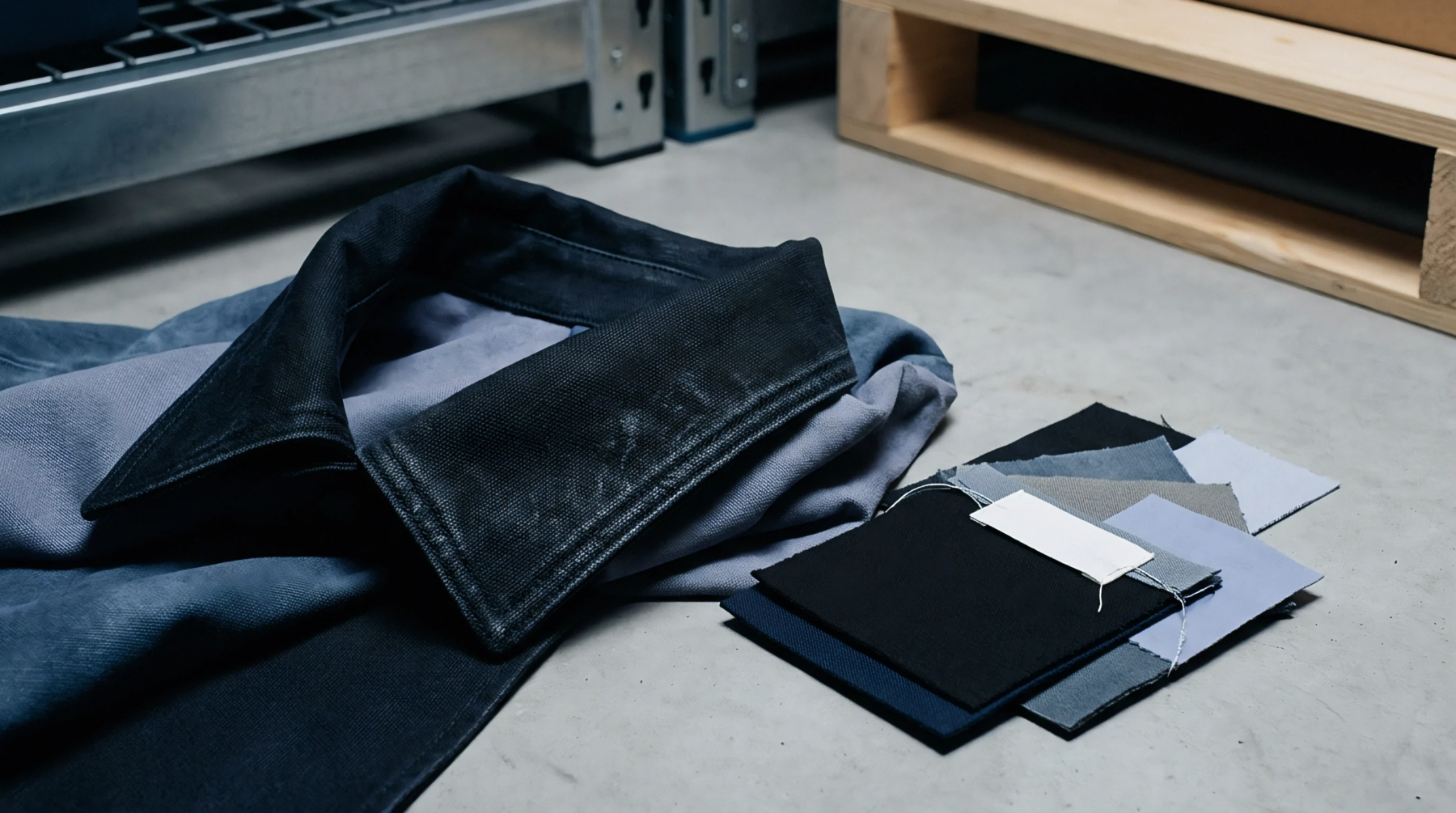
Progressive exponential salt dosing prevents surface strike spikes and forces reactive dye penetration into heavy cotton duck yarn cores.
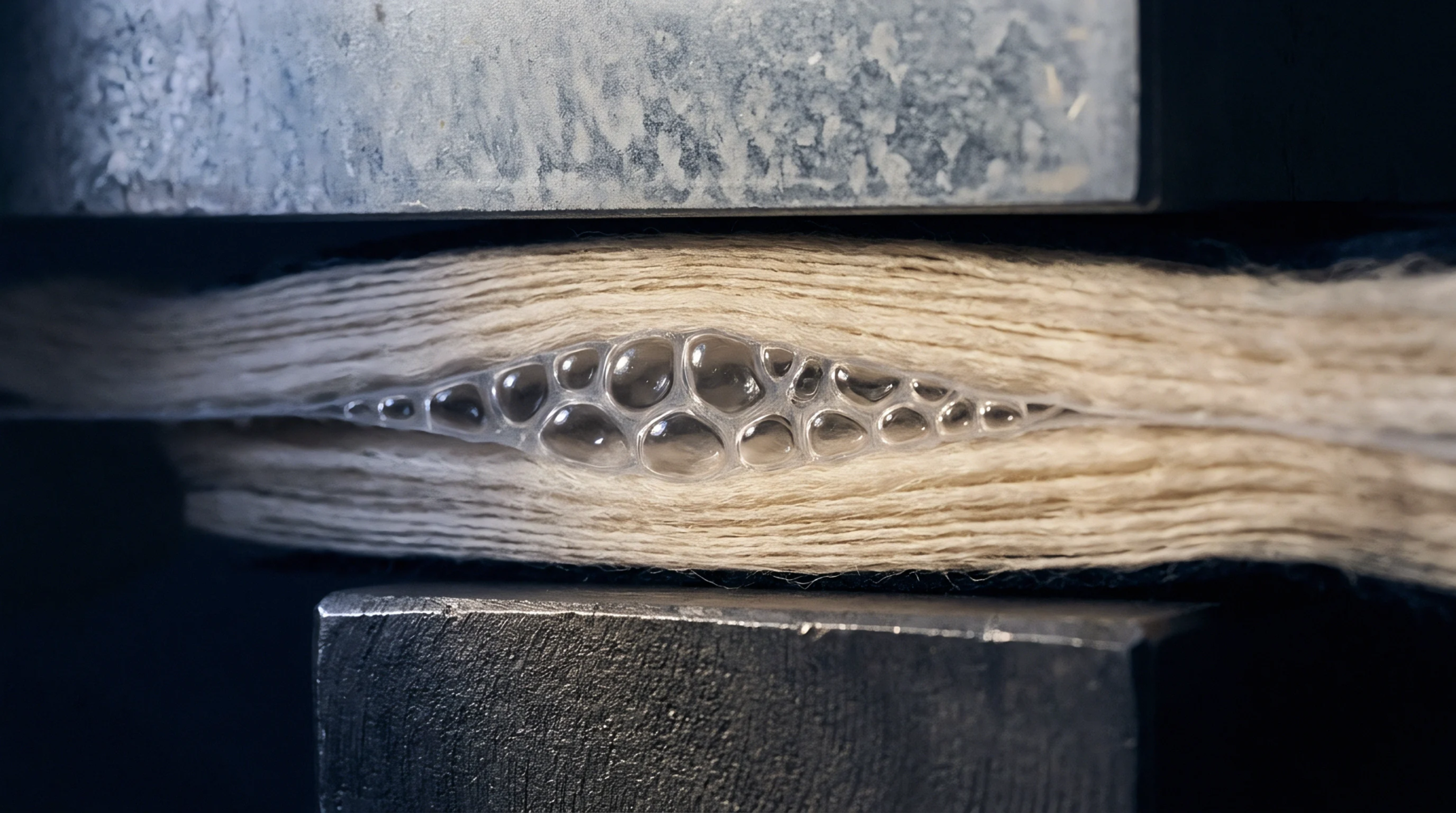
Reconciling moisture regain discrepancies requires calculating net dry mass via gravimetric oven drying and applying standard commercial allowances to correct invoice weights.

Split dyeing aged greige requires pre-bleaching and low-tension wet processing to offset oxidation, equalizing dye uptake while preserving tensile strength.
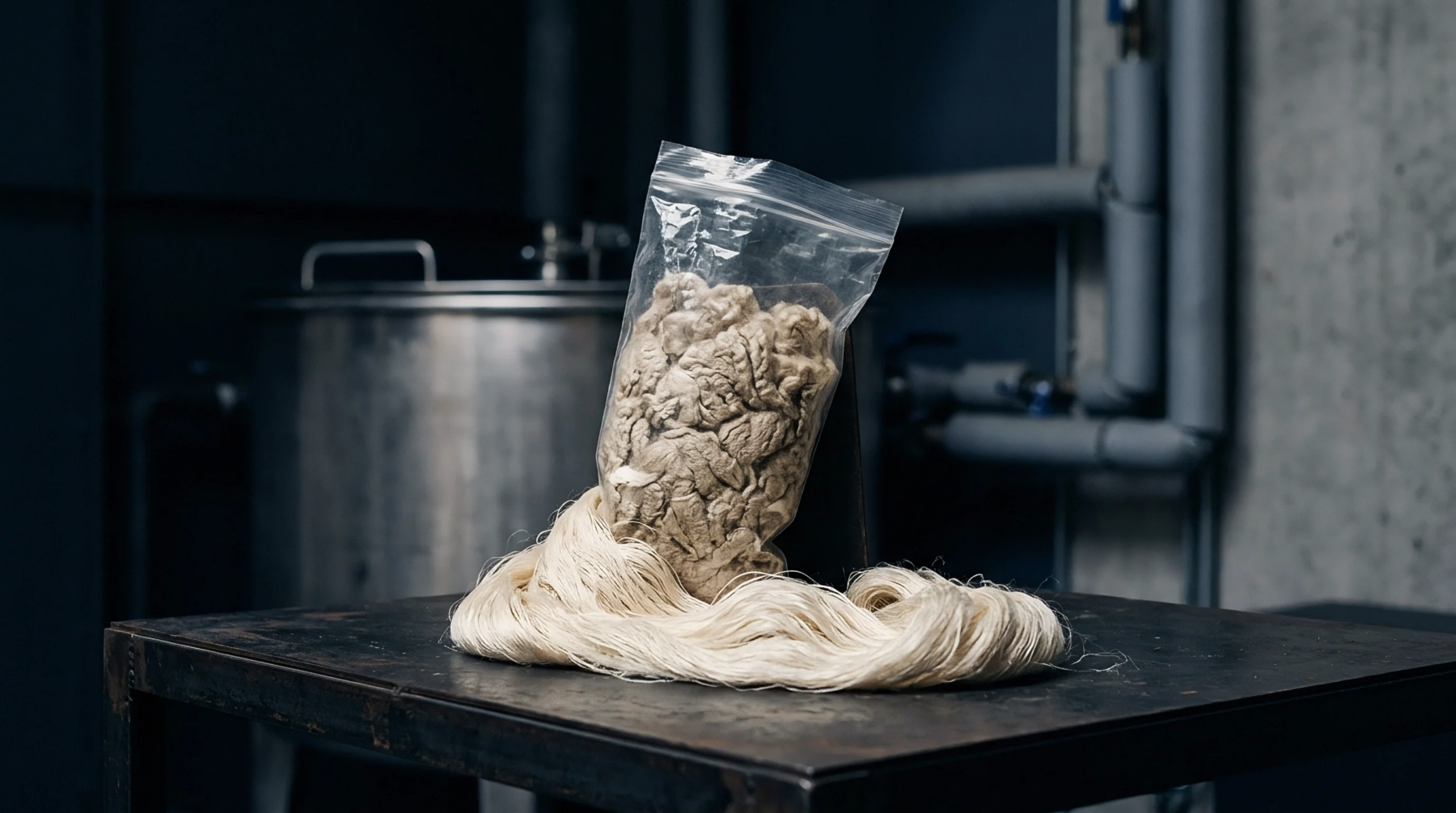
Commercial mass equals oven-dry mass multiplied by standard regain allowances, establishing an immutable billable weight independent of transit moisture shifts.
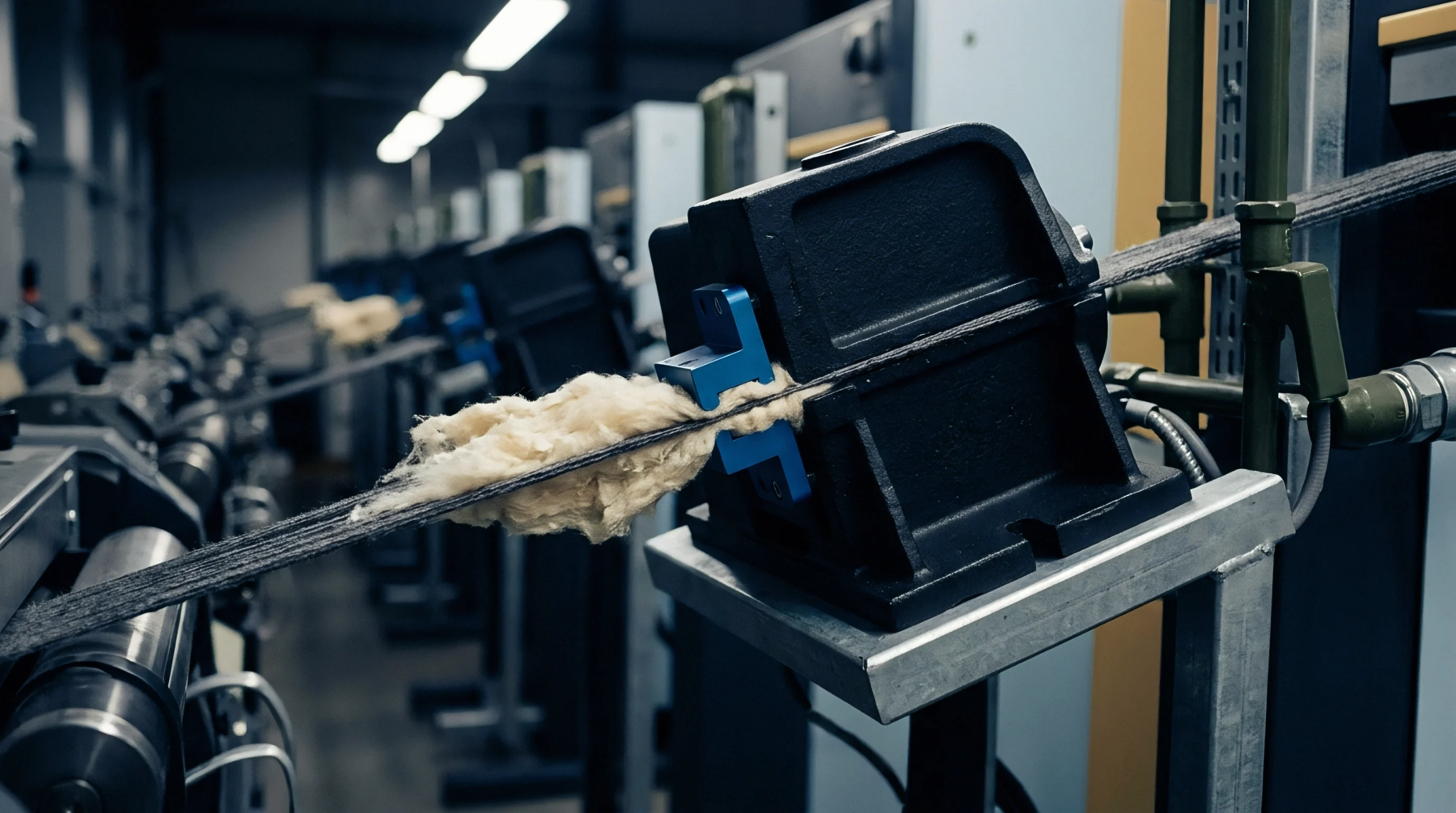
Exceeding 0.35 bar nozzle pressure in micro-denier elastomeric knits ruptures filaments and bare elastane; cap differential pressure to 0.22 bar on overflow jets.

Inline optoelectronic parameterization requires balancing SWIR and polarization gain settings against transport air velocity to remove synthetic polymers without excessive fiber loss.

Subcontracted garment washing introduces unlisted auxiliary contaminants that invalidate scope certificates and require batch-level analytical verification.

Dynamic progressive salt and alkali dosing profiles prevent surface exhaustion and core shade variance in heavy cotton woven dyeing.
Calculating net dry mass adjustment factors requires converting port scale weights to oven-dry mass using ISO 6741 regain standards to prevent paying duty on absorbed water.

Subcontracted wet processing liability requires explicit pass-through indemnity clauses and batch-linked transaction certificates to bind sub-tier dyehouses.
Expertise is a utility, not a secret. sentiention™ publishes its working knowledge as open reference: intelligence layer covering the materials it sources, the markets it enters, and the reference that serves both.