
Quantifying Solvent Extraction Yields in Polyurethane Polyurea Blend Matrix Separation
Quantifying polyurethane polyurea separation yields requires selective tetrahydrofuran Soxhlet extraction followed by high vacuum drying to close mass balances.

Quantifying polyurethane polyurea separation yields requires selective tetrahydrofuran Soxhlet extraction followed by high vacuum drying to close mass balances.

Standard solubility correction factors adjust insoluble gravimetric yields to prevent miscalculation of commercial mass and tariff misdeclarations.

Standardized extraction chemistry and tandem mass spectrometry eliminate inter-laboratory liquid chromatography drift to protect downstream textile shipments.

Tensile verification of elastomeric-centered yarns demands capstan clamps, 0.01 cN/tex pretension, and five-cycle hysteresis logging to catch slippage.
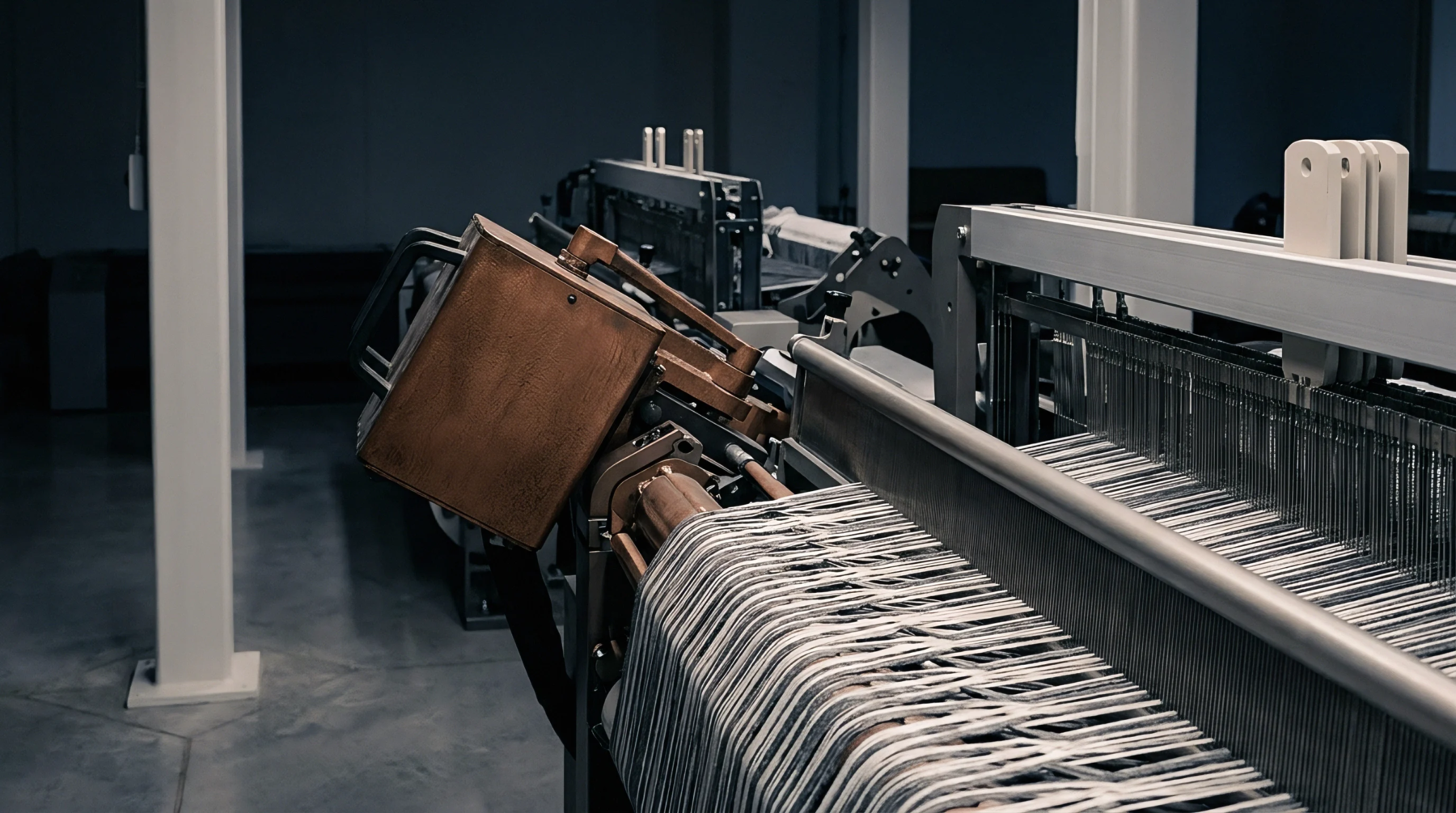
Dynamic tension compensation decouples beam inertia from asymmetric stitch kinematics in high gauge tricot, preventing barre and width-wise shade bands.
Commercial moisture regain converts oven-dry yarn weight into invoiced mass using standardized moisture percentages and finish allowances under ISO 6741.
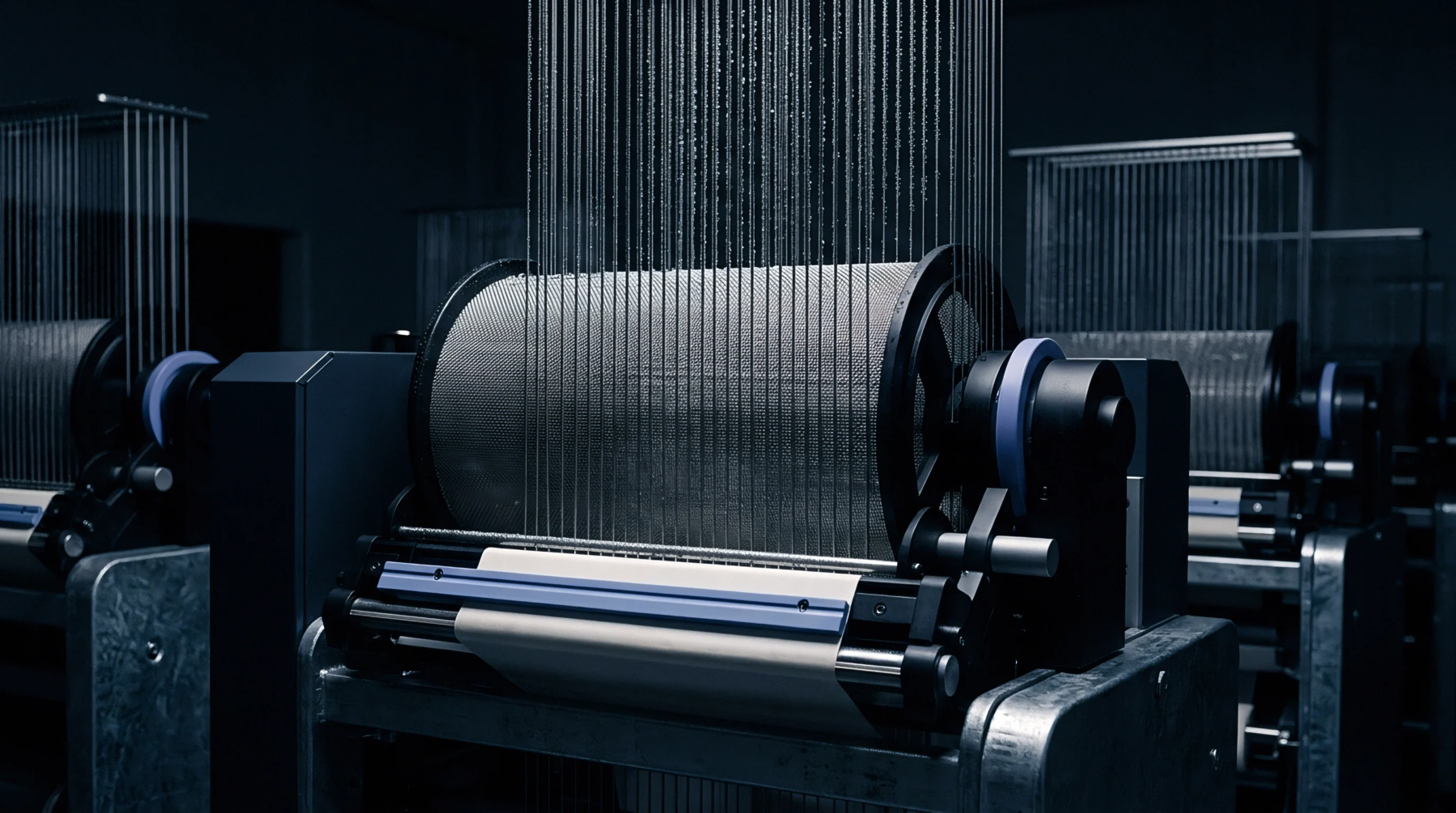
Tricot warp beam tension setup balances linear runner lengths per rack using calibrated let-off drives and spring rails to stabilize fabric loop geometry.
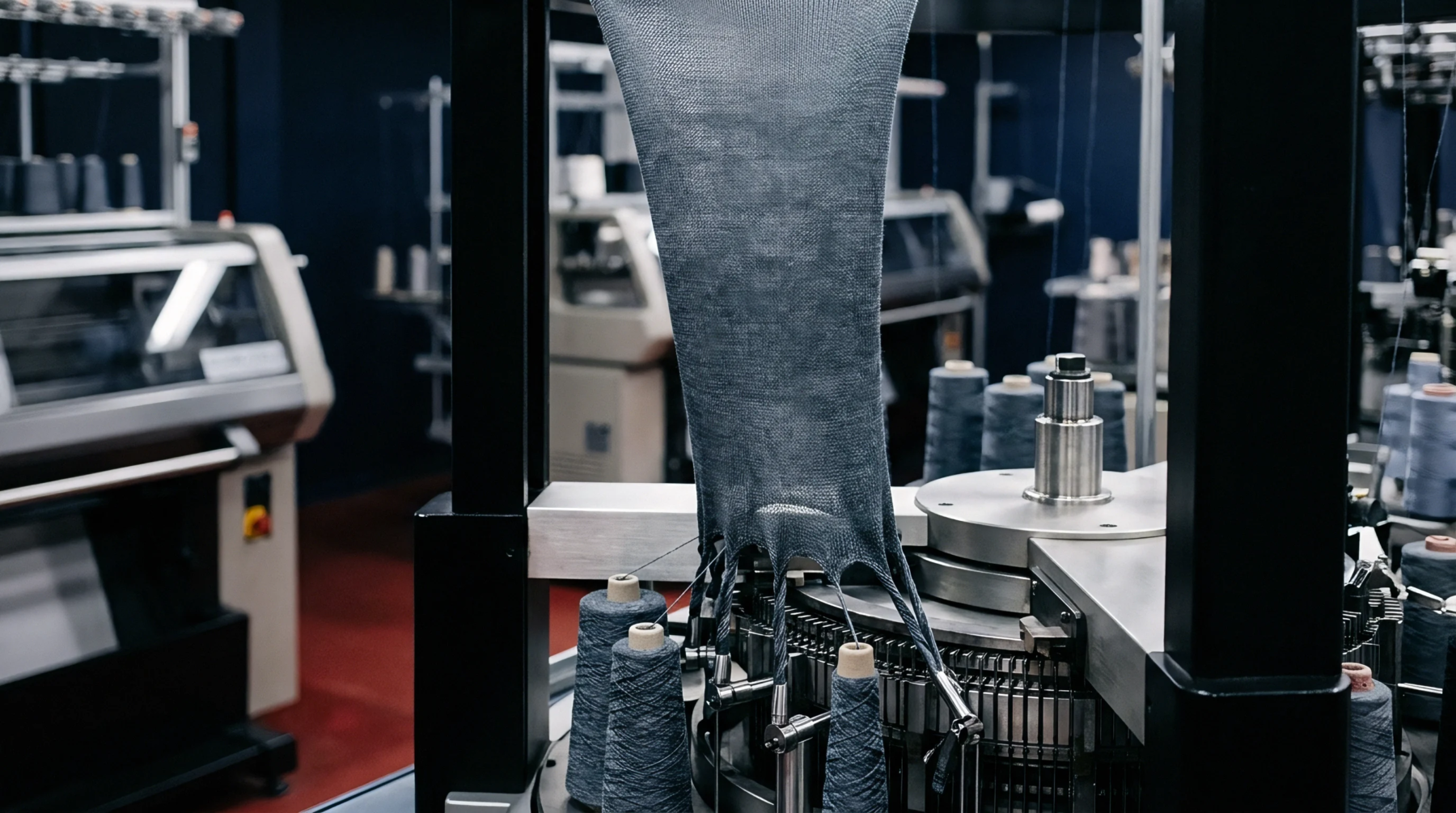
Continuous let-off tension control synchronizes beam spindle speed with needle consumption, preventing cyclic barré and mass variance in fine gauge tricot.

Ratiometric confocal microscopy measures real-time yarn core pH, proving S-curve alkali dosing prevents peripheral fiber swelling and shade ring-dyeing.

Desorption hysteresis inflates combed cotton arrival weight by over one percent, requiring ISO 6741 commercial mass terms to prevent customs value adjustments.
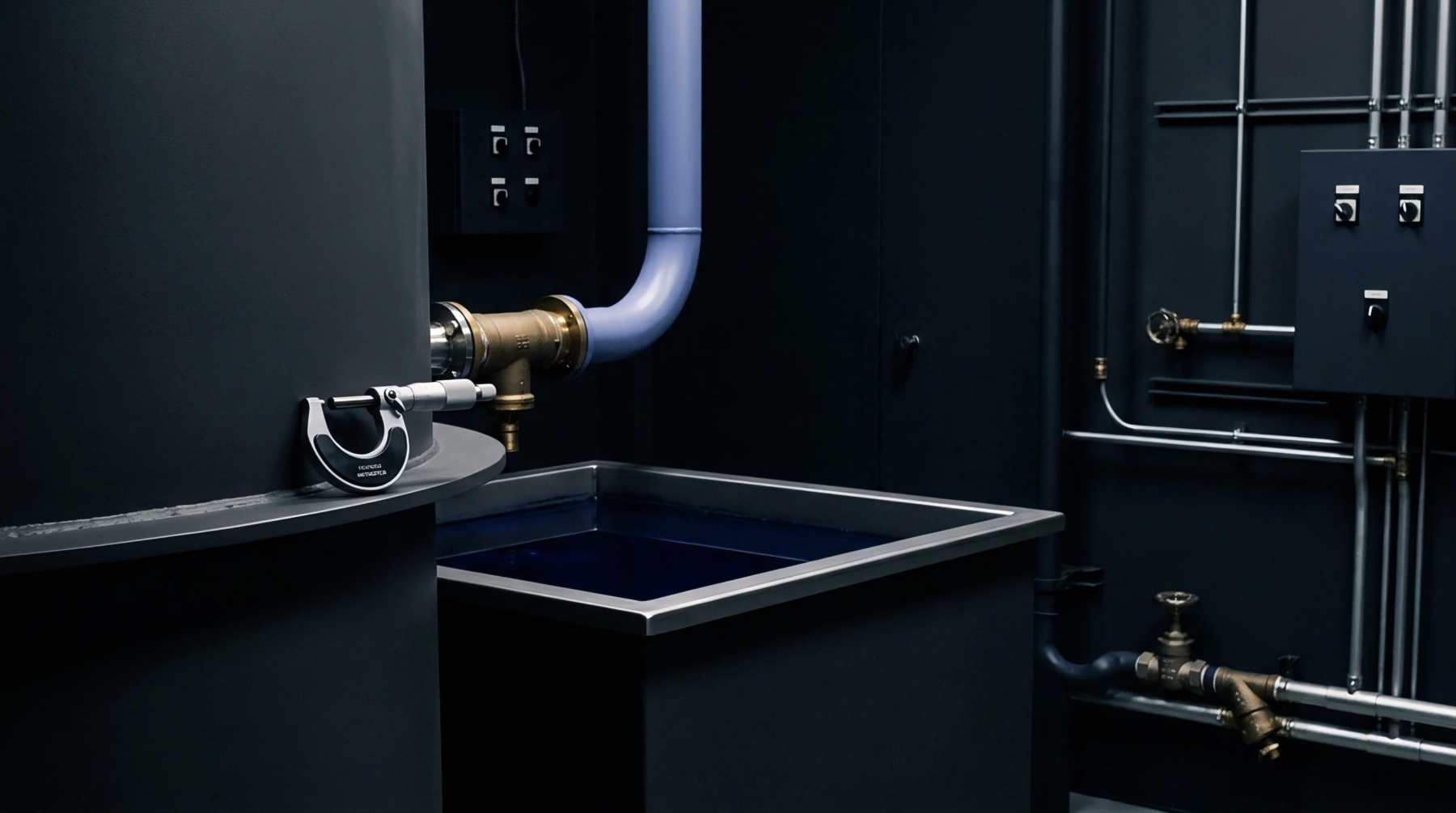
Maintain sodium carbonate bath concentrations between 24 and 28 g/L using hyperbolic dosing curves to balance buffer capacity and prevent dye strike shock.

Invoice corrections reconcile ocean-shipped combed cotton scale mass to official 8.5 percent regain, preventing overpayment for absorbed water.

Commercial mass in ocean freight combed cotton reconciles scale mass to anhydrous dry weight plus official 8.5 percent regain to prevent paying for water.

Resolve coarse hair micron discrepancies by testing referee core samples via IWTO-12 or IWTO-8 rather than airflow, eliminating medullary porosity biases.
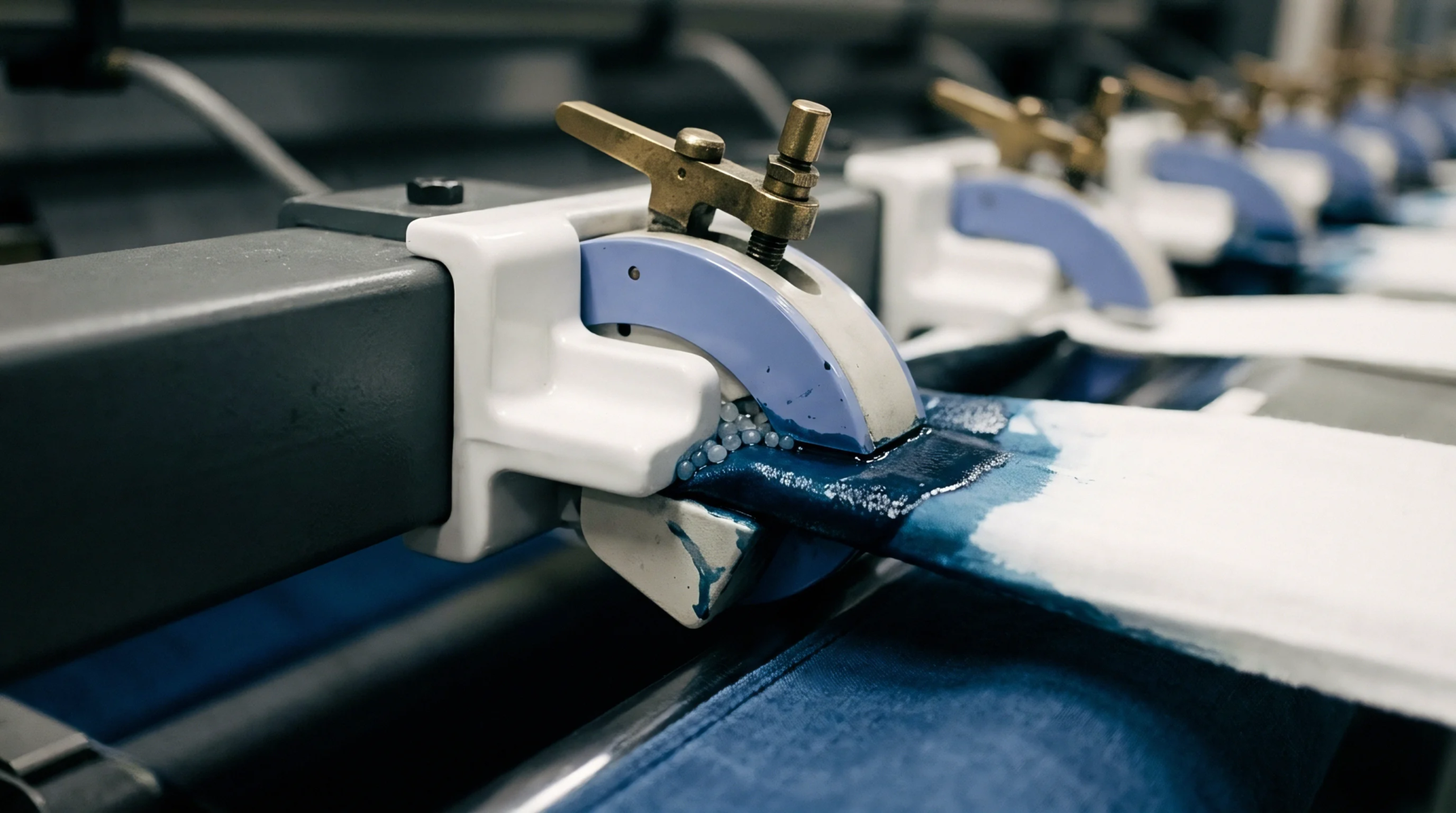
Controlling reactive dye exhaustion kinetics on combed cotton requires controlled electrolyte dosing, metered alkali introduction, and optimal liquor flow.
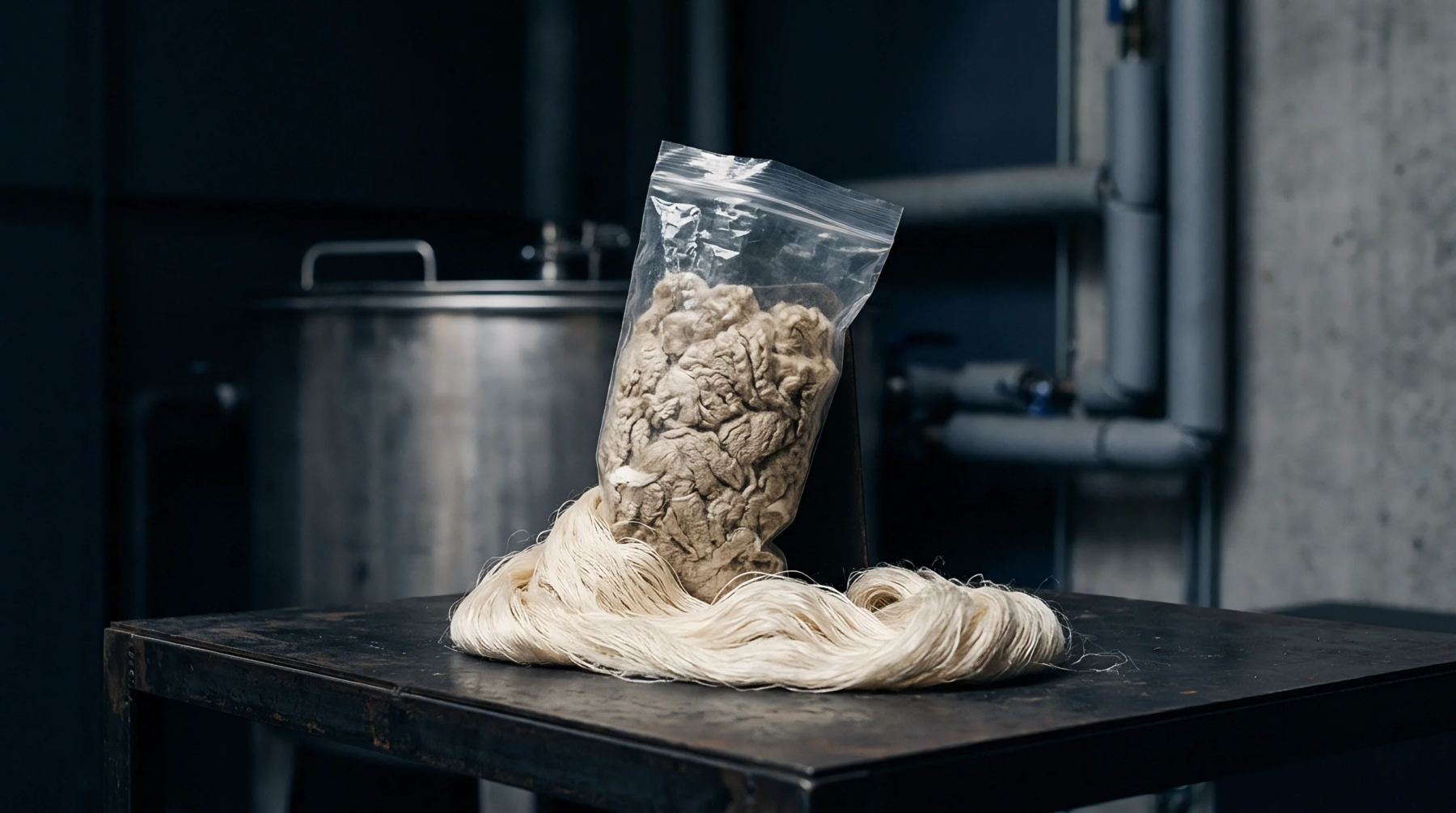
Calibrate OFDA optical thresholds and medullated density adjustments under IWTO-47 to accurately deconvolve bimodal cashmere histograms and verify coarse hair mass.
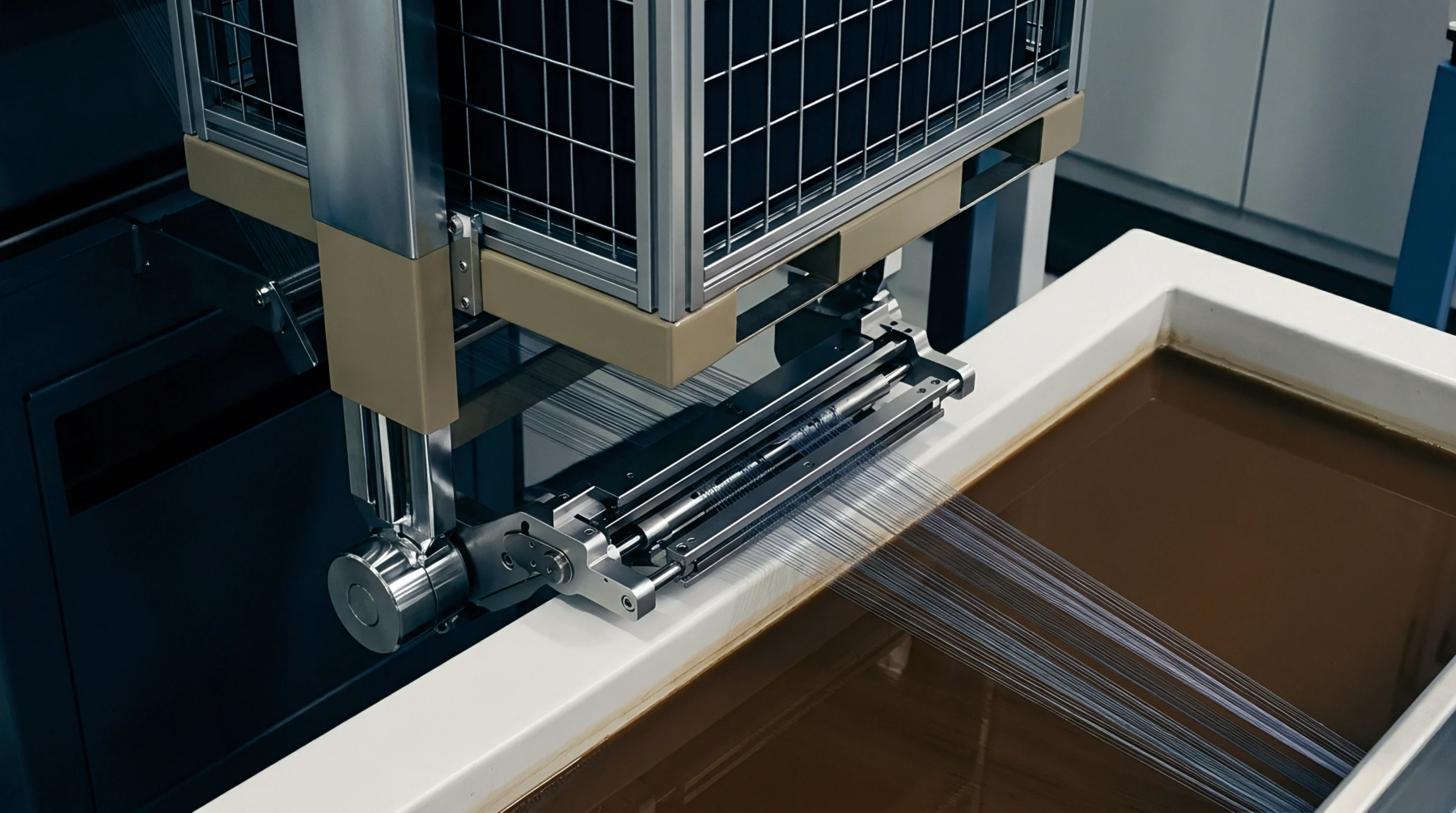
Consolidating restricted chemical limits to governing lowest statutory thresholds and demanding batch-specific digestion reports eliminates border clearance failure.

Tube core sampling and laboratory card dehairing determine clean down yield, adjusting raw lot costs against moisture regain and industrial carding losses.

Reconciling cashmere DNA barcoding with electron microscopy requires binding contracts that use microscopy for mass ratios and genomics for trace screening.
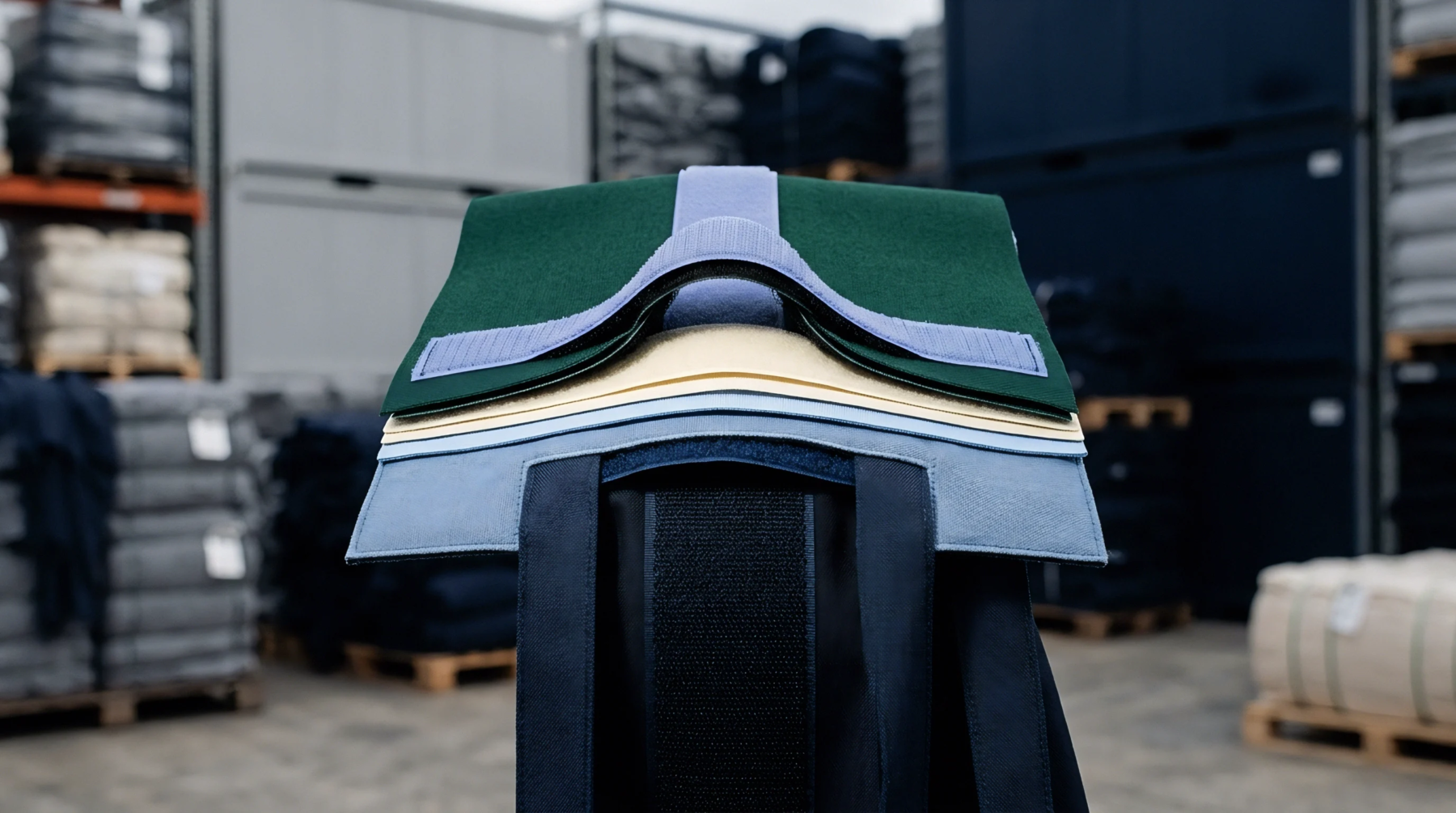
Verify greige chemical compliance through physical sizing cooker isolation, mass-balance audit trails, and matrix-compensated laboratory solvent extractions.
Unfinished woven and knitted substrates carry sizing biocides, needle oils, and surfactants that require selective solvent extraction to prevent border seizures.

Greige fabric compliance requires lot-specific chemical screening of sizing and needle oils, as finished fabric certificates provide zero border legal coverage.

Thermal greige storage recrystallizes sizing starches and oxidizes softeners, demanding multi-enzyme remediation to prevent costly dyeing rejections.

Composite testing dilutes chemical contaminants; operating characteristic curves map true detection probabilities against regulatory action limits.
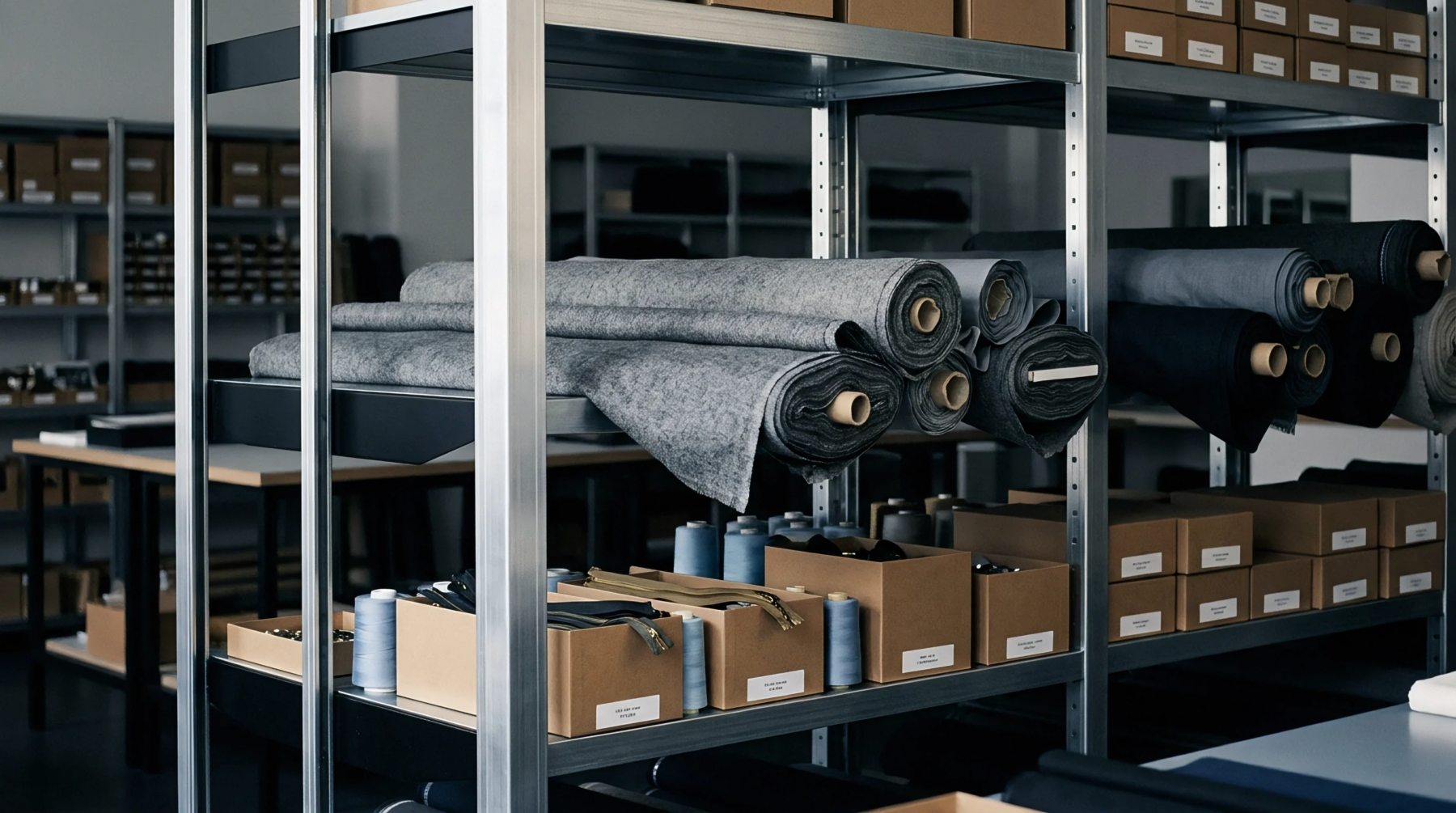
Bayesian modeling of spatial chemical gradients prevents customs detentions by replacing deceptive composite testing with edge-weighted risk quantification.

Select c equals zero attribute plans or variables methods to verify chemical limits without exhausting operating margins on destructive lab fees.
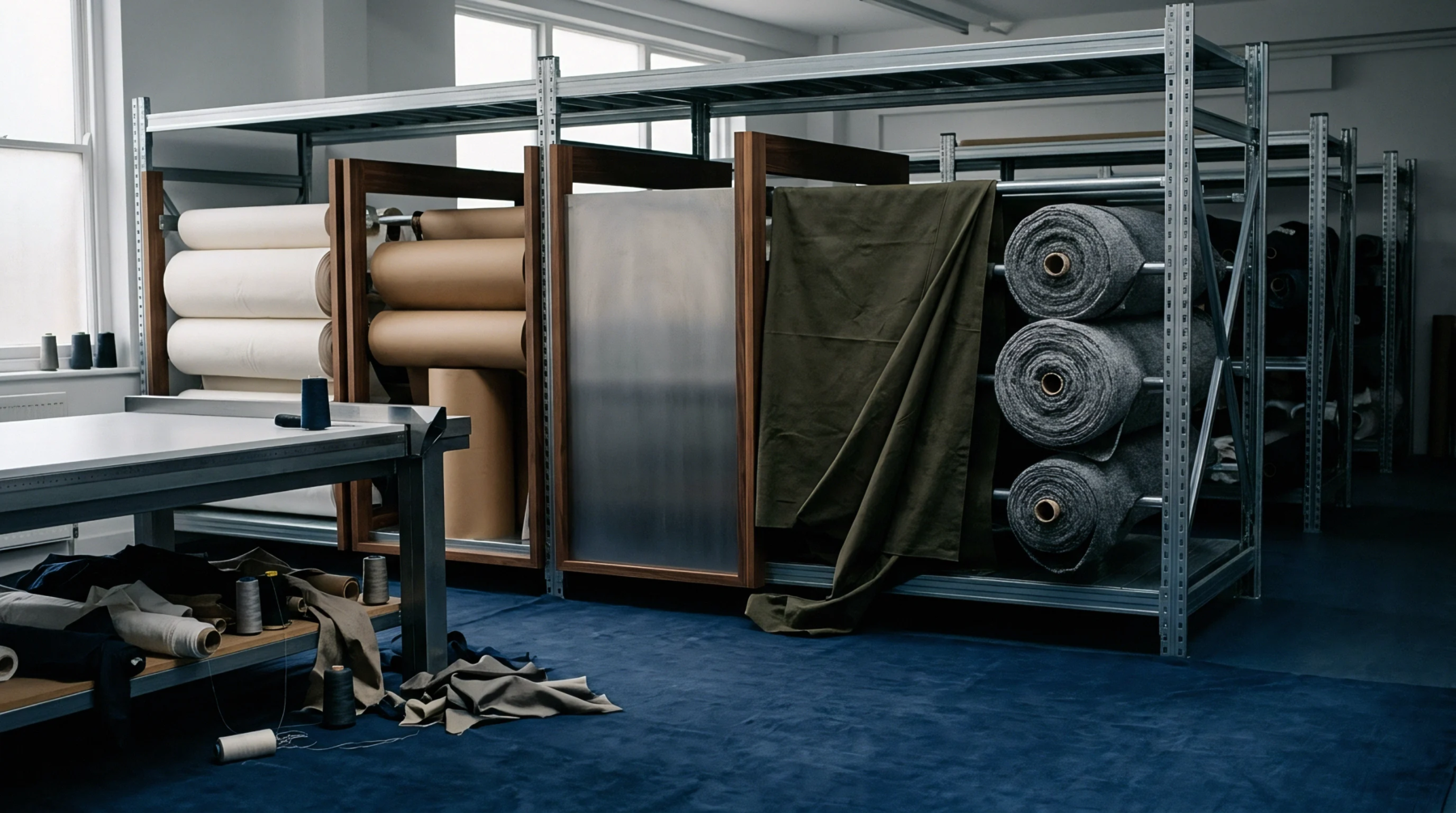
Autoxidation cross-links residual spinning lubricants into insoluble resins during storage, creating hydrophobic barriers that disrupt dye strike and color yield.

Warehouse relative humidity directly shifts greige yarn moisture regain, altering single-end tensile strength, unwinding tensions, and invoiced commercial weight.
Reversible DMDHEU hydrolysis during ocean transit constitutes an inherent manufacturing defect, requiring pre-shipment vapor testing and explicit indemnity terms.
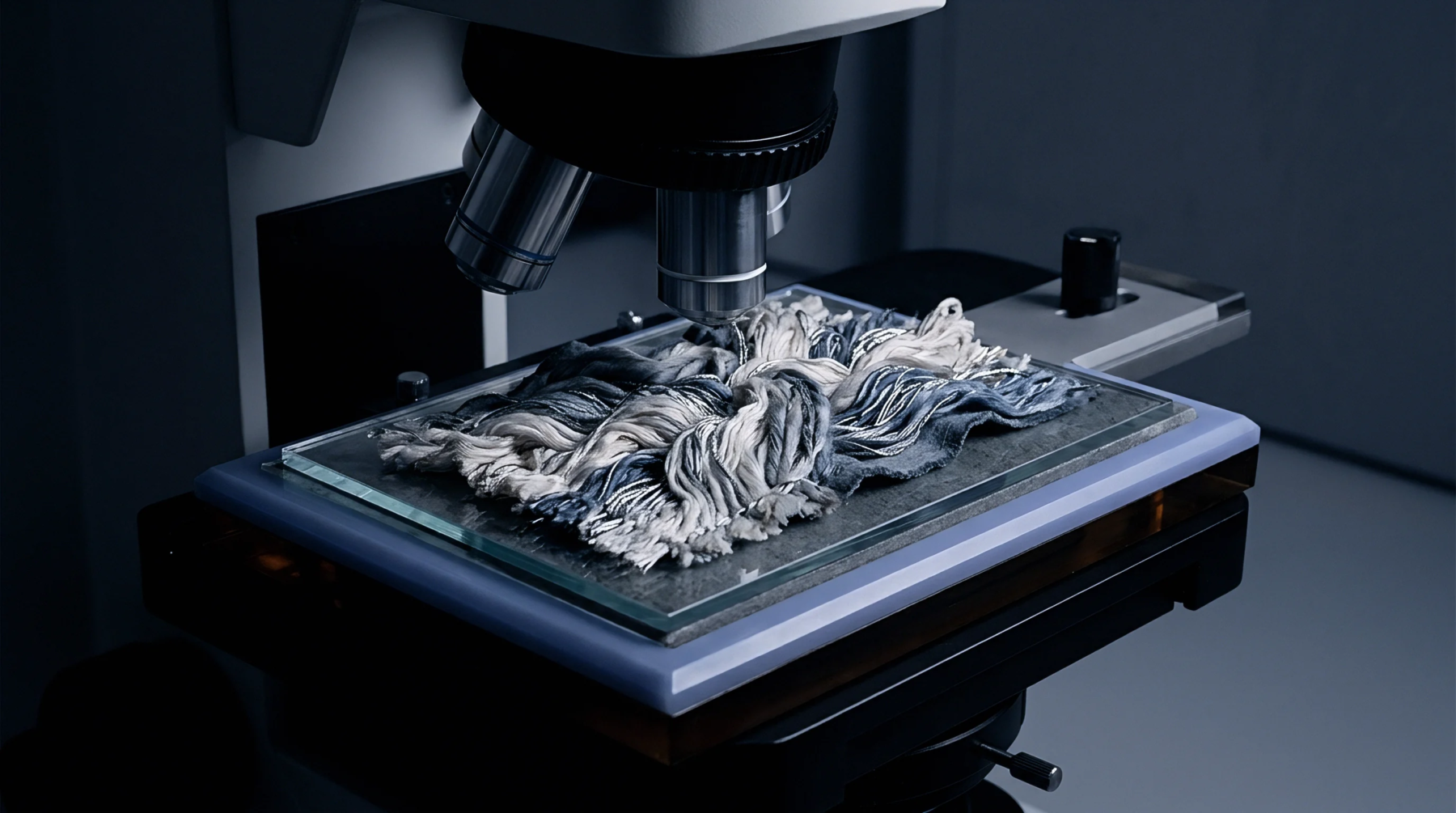
ISO 17751 interlaboratory reproducibility hinges on SEM validation over optical microscopy to prevent diameter skews and descaled wool from distorting blend ratios.
Expertise is a utility, not a secret. sentiention™ publishes its working knowledge as open reference: intelligence layer covering the materials it sources, the markets it enters, and the reference that serves both.