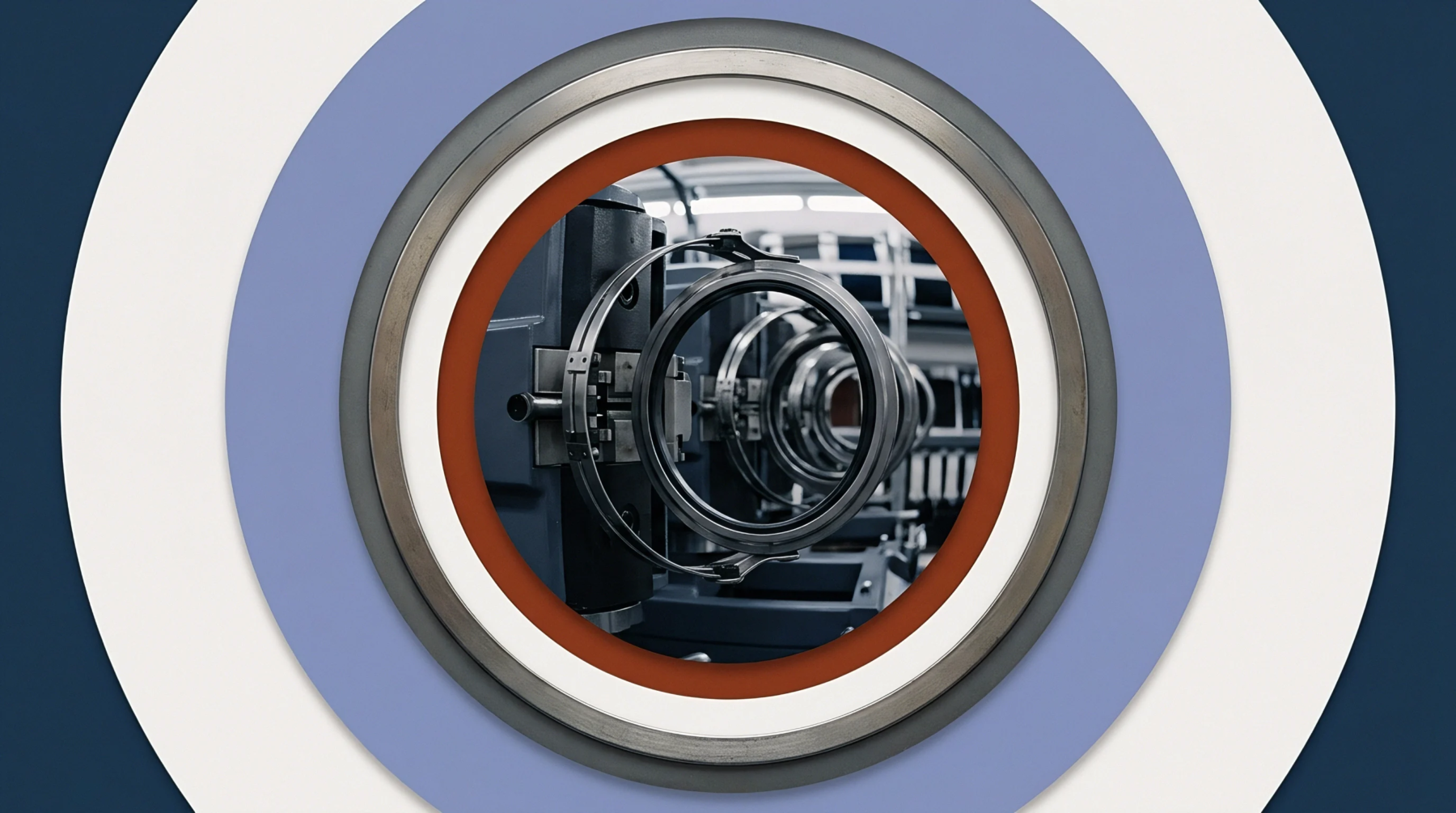
Loop Cleaving Component
Loop-forming systems in warp and weft knitting machines incorporate a fixed steel rail with a polished profiled edge that supports previously formed fabric loops while new yarn is drawn through to build subsequent stitches. The knock over bar serves as the physical foundation across which the needle retreats, securing the old loop so the advancing needle head can pull fresh yarn cleanly through the stitch matrix. Precise vertical and horizontal alignment relative to the needle path governs uniform stitch formation, and this component ceases to control yarn movement once the newly cast loop slides off the needle head into the completed web.
Mechanical Action Sequence
Stitch formation requires an unyielding edge to arrest fabric movement while needles reciprocate along their stroke path. When needles descend from their highest clearance point, the knock over bar retains the fabric ground, preventing the fabric sheet from rising with the retracting needle hooks. As the needle hooks pass the upper surface of the bar, the old stitches are stripped over the closed needle latches and fall into the body of the fabric.
The bar sustains substantial localized friction and structural wear as millions of abrasive synthetic or natural yarns drag across its upper lip.
Surface Wear Dynamics
Constant yarn passage erodes tiny grooves into the steel profile over extended production schedules. A worn knock over bar produces snagged filaments, hairy fabric surfaces, and inconsistent loop lengths across the finished goods. Polished, hardened steel surfaces or specialized ceramic coatings are mandatory to prevent micro-abrasions from slicing fine synthetic filaments.
Regular quality audits include tactile and optical checks of this working edge, as minute surface burrs inevitably split delicate textured yarns during aggressive loop clearing sequences.
Quality Verification Checkpoint
Uneven fabric weight, unformed loops, and intermittent drop-stitches frequently point to mechanical misalignment of this rail. Setting the knock over bar too high increases yarn strain, snapping structural threads and generating holes throughout the fabric body. Setting the bar too low prevents complete loop clearing, which causes yarn accumulation on the needle stems and induces devastating machine lockups.
Inspecting the mechanical clearance across the entire bed width confirms uniform fabric tension and consistent gram-per-square-metre performance across full production runs.