
Liquid Chromatography Verification of Resin Hydrolysis in Cellulosic Textiles
Liquid chromatography with DNPH derivatization eliminates dye interferences, accurately verifying formaldehyde hydrolysis limits in resin-finished textiles.

Liquid chromatography with DNPH derivatization eliminates dye interferences, accurately verifying formaldehyde hydrolysis limits in resin-finished textiles.

ISO 14184-1 quantifies free formaldehyde via water extraction at 40°C and spectrophotometry at 412 nm, enforcing batch release limits from 16 to 75 mg/kg.

Controlling abrasion limits and Delta E under low liquor ratios requires balancing nozzle pressure below 0.35 bar with rope cycle times under ninety seconds.

Raw cashmere verification requires coupling OFDA diameter distribution limits with MALDI-TOF mass spectrometry to prevent low-micron wool substitution.
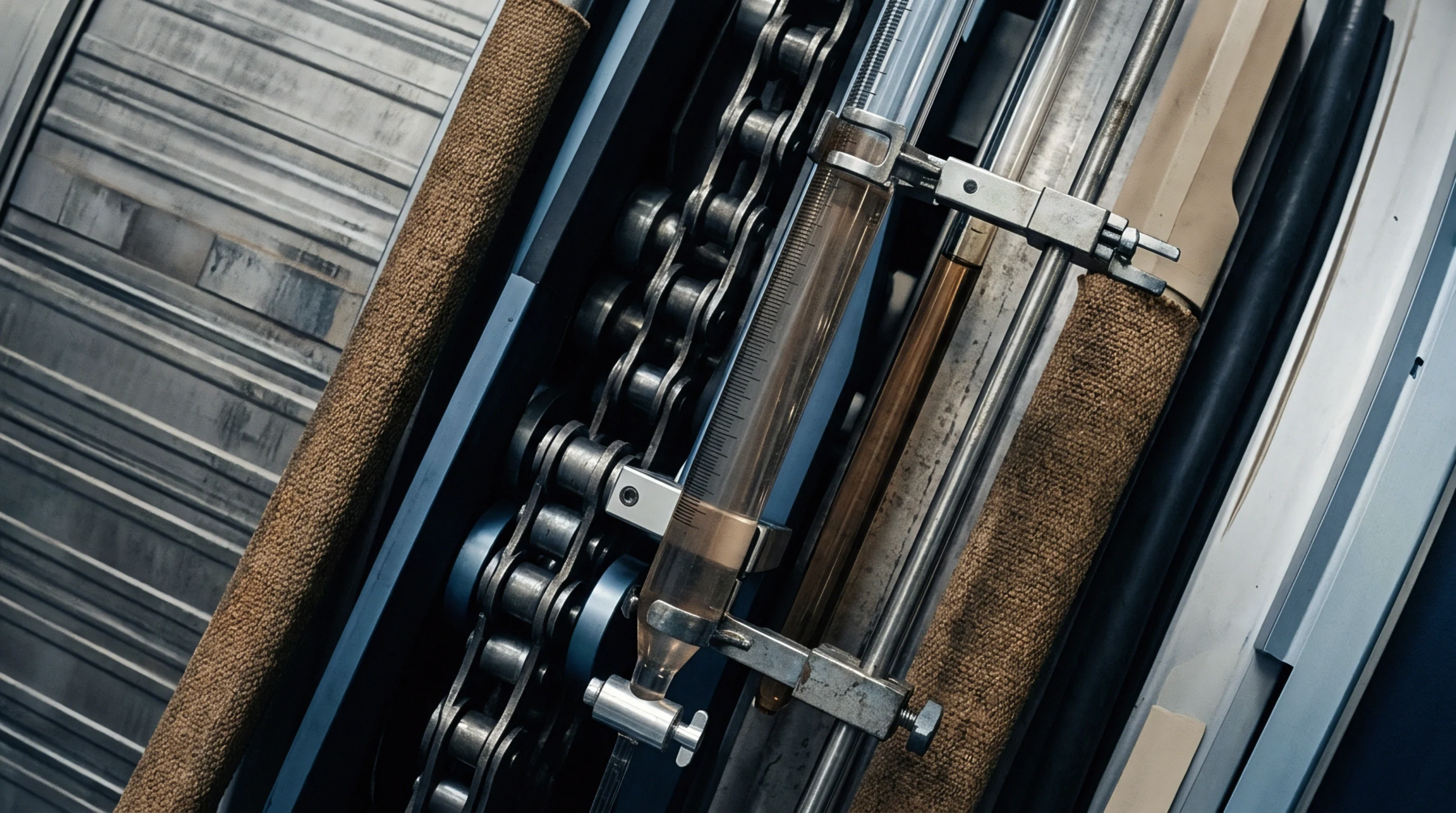
Liquid junction drift in hot caustic mercerizing sensors is controlled by using pressurized flowing junctions verified against manual shift titrations.

Audit chemical polycondensation mass balance by deducting reaction water losses, tracking volatile oligomers, and enforcing proportional loss allocations.

Hydrodynamic shear controls dyebath exhaustion by thinning the liquid boundary layer; excess velocity damages yarns, mandating precise pressure-flow balancing.

Customs verification of chemical mass balance recycled polymers requires site-level conversion ledgers and registry certificates instead of lab testing.

Physical verification of mechanically recycled polyester filament relies on quantifying isophthalic acid, diethylene glycol, and sub-micron polyolefin debris.
Restricting vessel volume below fifteen litres ensures complete bath turnover within three minutes, stopping reactive dye hydrolysis and knit loop distortion.

Humid air plasticizes sizing dust into sticky cakes inside relay nozzle bores, distorting airflow profiles and causing costly pick insertion stops.

Balance PVA-starch ratios between 30:70 and 50:50 to secure film elongation above 7 percent, limiting loom stops while controlling desize COD load and size costs.

Lock spectrophotometer geometry to d/8 specular included, mandate monthly BCRA tile profiling across all partner mills, and cap metamerism under secondary lighting at 0.60.
Dynamic moisture regain hysteresis in recycled staple mixtures causes commercial weight errors that require dry-mass testing rather than linear calculation.

Air jet weaving success hinges on low warp hairiness, high splice integrity, uniform size penetration, and consistent beam density to prevent loom stops.

Commercial mass equals oven dry mass multiplied by one plus the weighted sum of official fiber moisture regain allowances.
Thermodynamic sorption corrections convert ambient multi-fiber invoice weights to legal dry commercial mass, eliminating excess water charges and tariff overpayment.
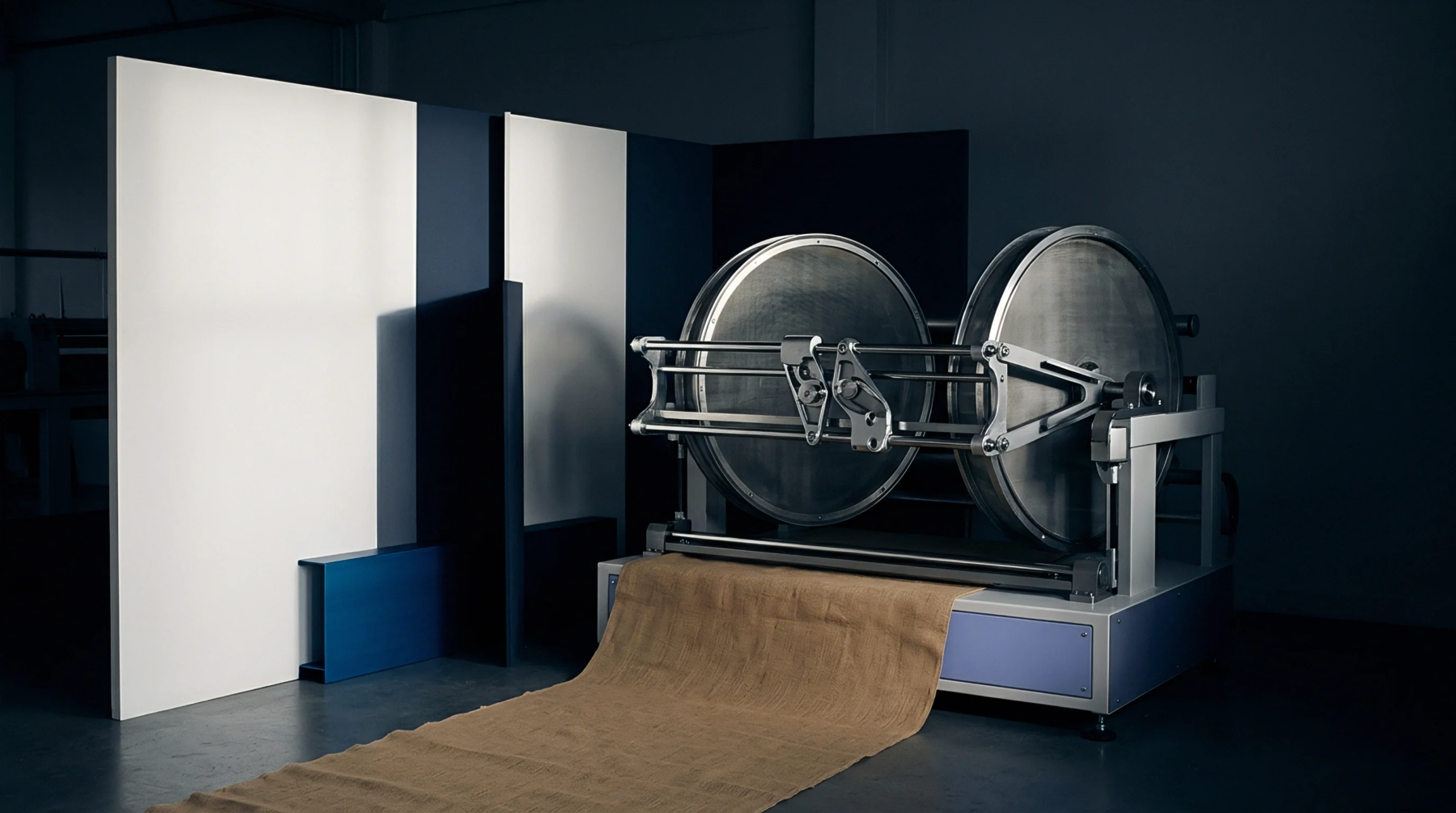
Cross-polarized darkfield line-scan arrays eliminate specular glint on bicomponent microfibers, cutting false defect scrap rates below one percent.
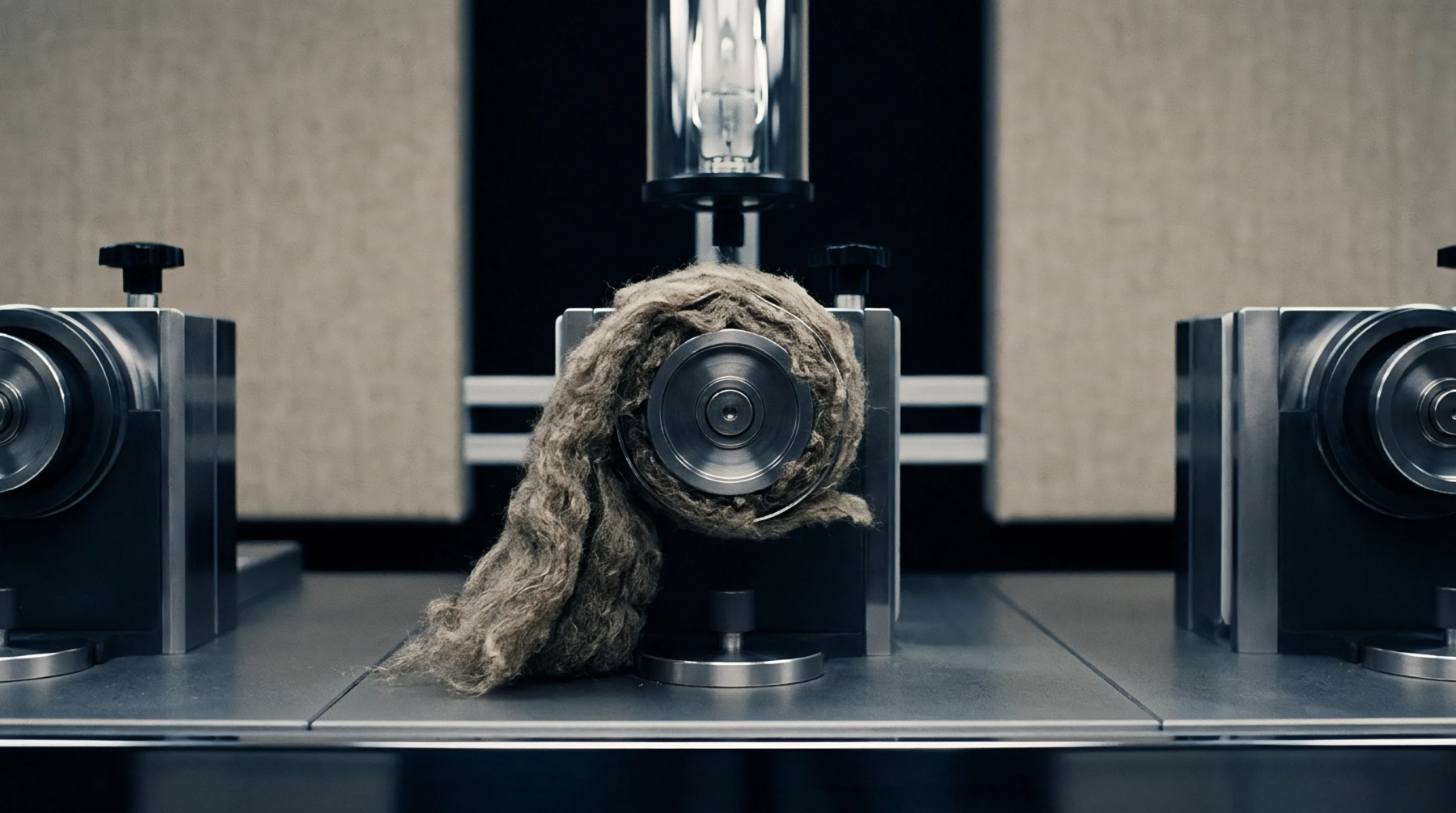
Inline NIR synthetic blend quantification demands Extended Multiplicative Scatter Correction to eliminate titanium dioxide scatter and prevent costly tariff misclassification.
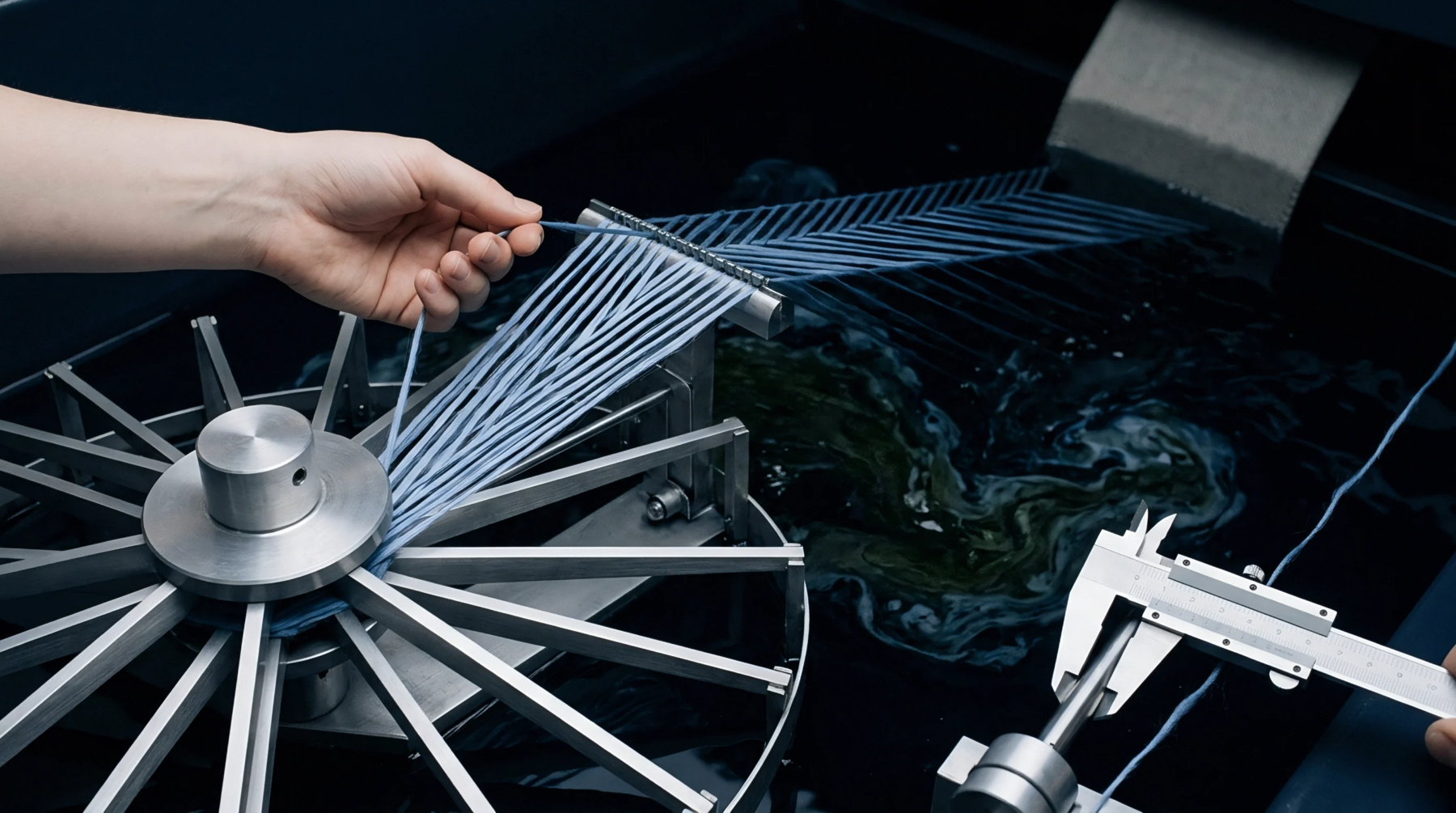
Infragold diffuse reflectance cavities provide thermally stable, non-hydrocarbon NIR baselines that preserve blend quantification on high speed sorting lines.
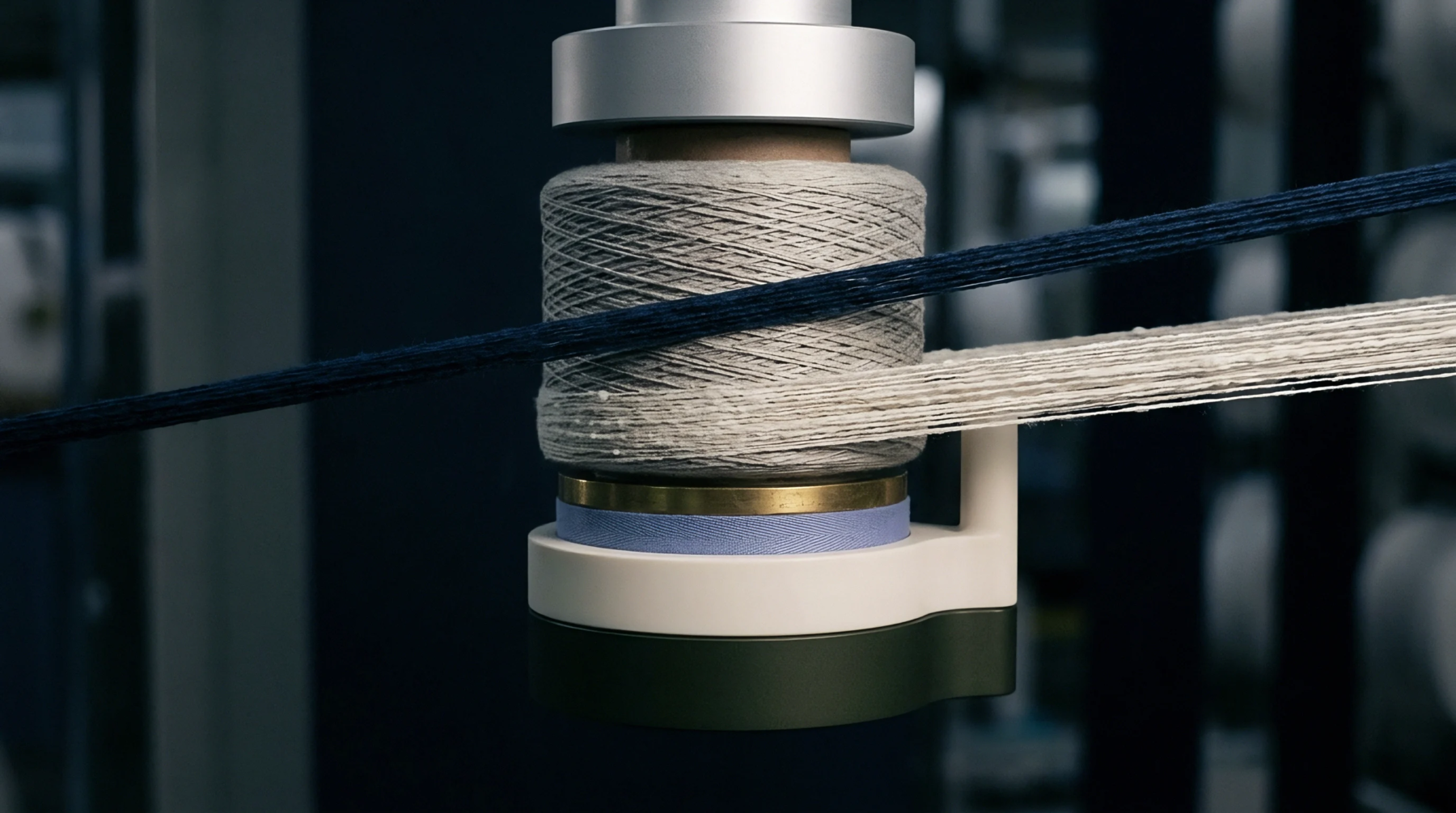
Commercial mass adjustments correct raw cotton delivery weights to an 8.5% standard regain baseline using oven dry core testing to prevent water billing errors.
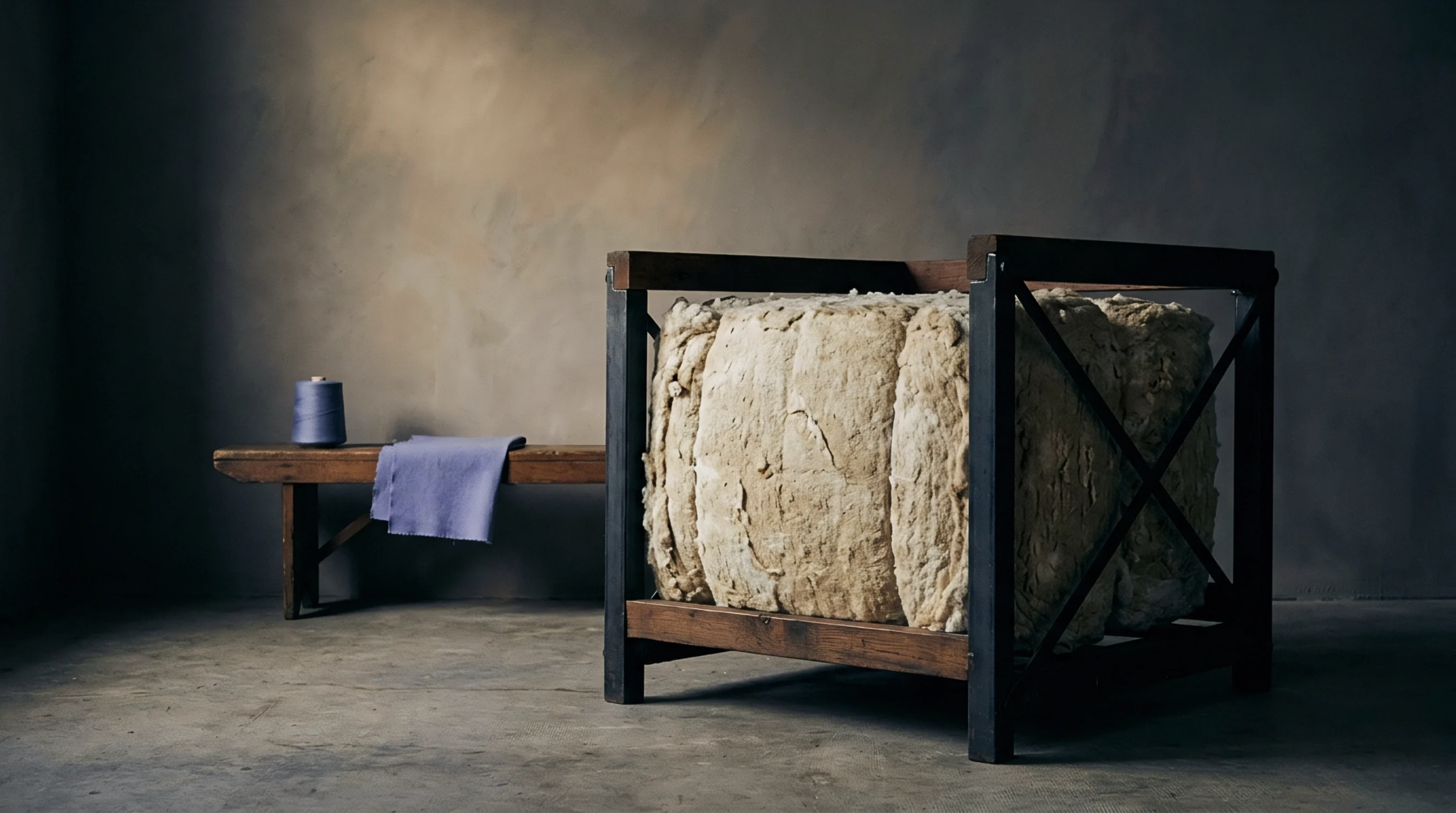
Statistical variance in cotton core testing stems from sample conditioning, instrument calibration drift, and internal bale structural heterogeneity.
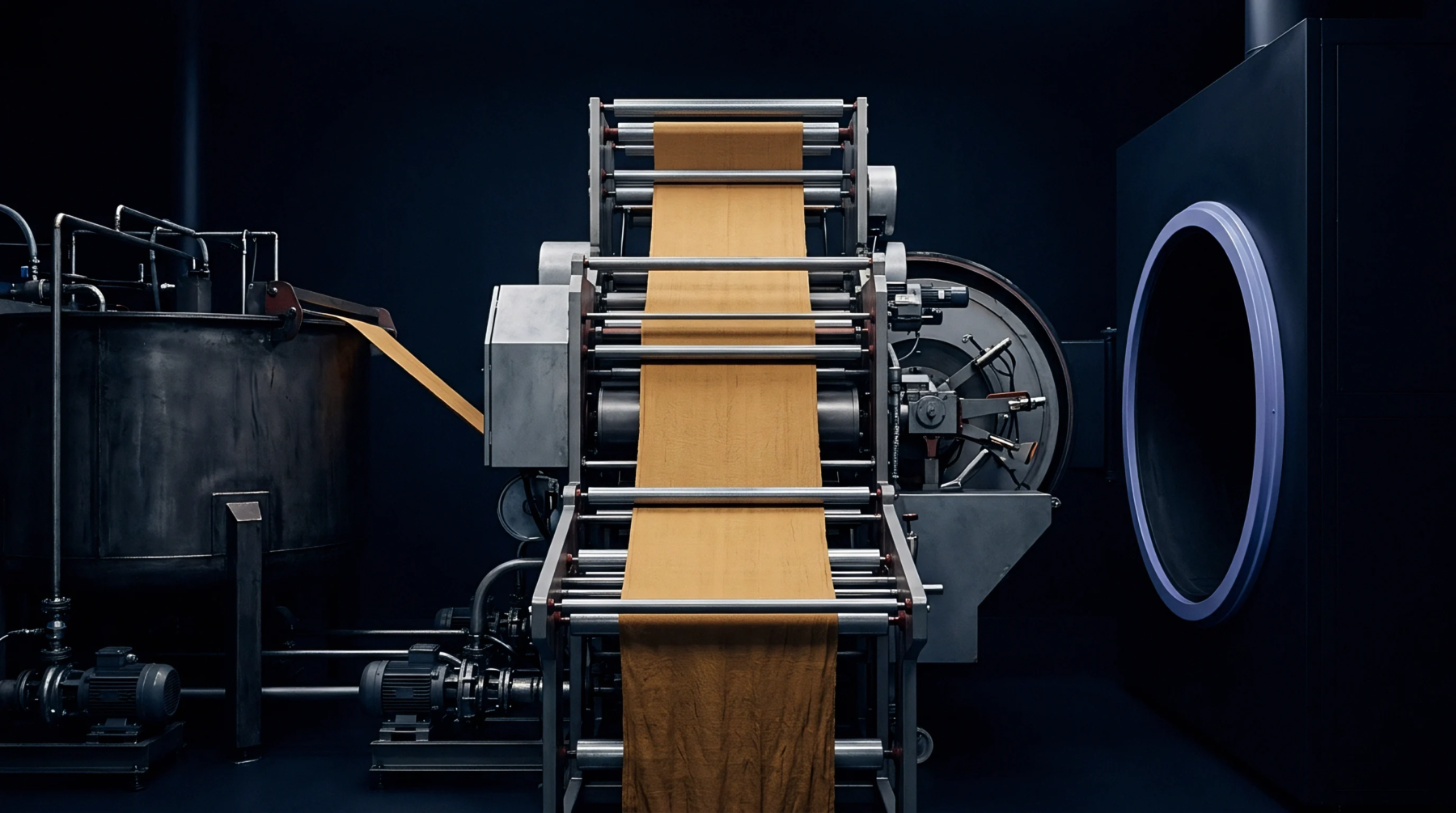
Implementing CIEDE2000 with 2:1:1 parametric weighting on continuous dye lines eliminates corner sorting errors and halves false rejects on textured goods.

Automated two-endpoint potentiometric titration separates active hydroxide from carbonate impurities, preventing false hydrometer readings in mercerizer baths.

Digital color measurement relies on standardized optical geometry, CIEDE2000 metrics, and controlled conditioning to prevent bulk shade rejections.

Predictive geometric loop length control synchronizes electronic beam let-off with elastomeric draft mechanics to ensure absolute structural consistency.
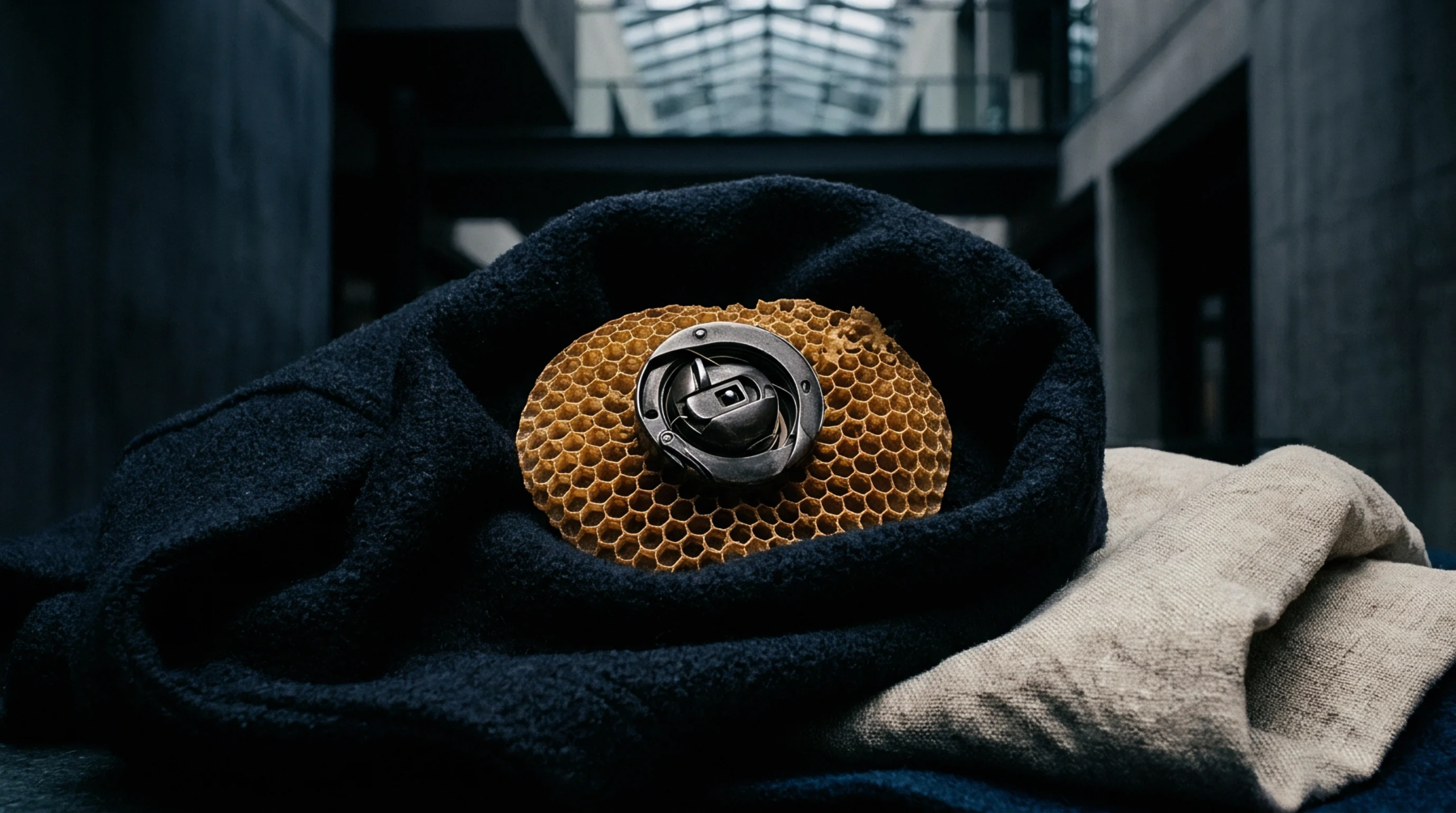
Rotary mechanical core sampling extracts representative lint strata from high-density cotton packages while preserving fibre length profiles for accurate arbitration.

Mathematical regain corrections adjust raw HVI strength and length to 7.0% moisture targets, preventing misclassification from sorption hysteresis.

Potentiometric titration using barium chloride precipitation isolates active sodium hydroxide from carbonate impurities, preventing commercial billing losses.
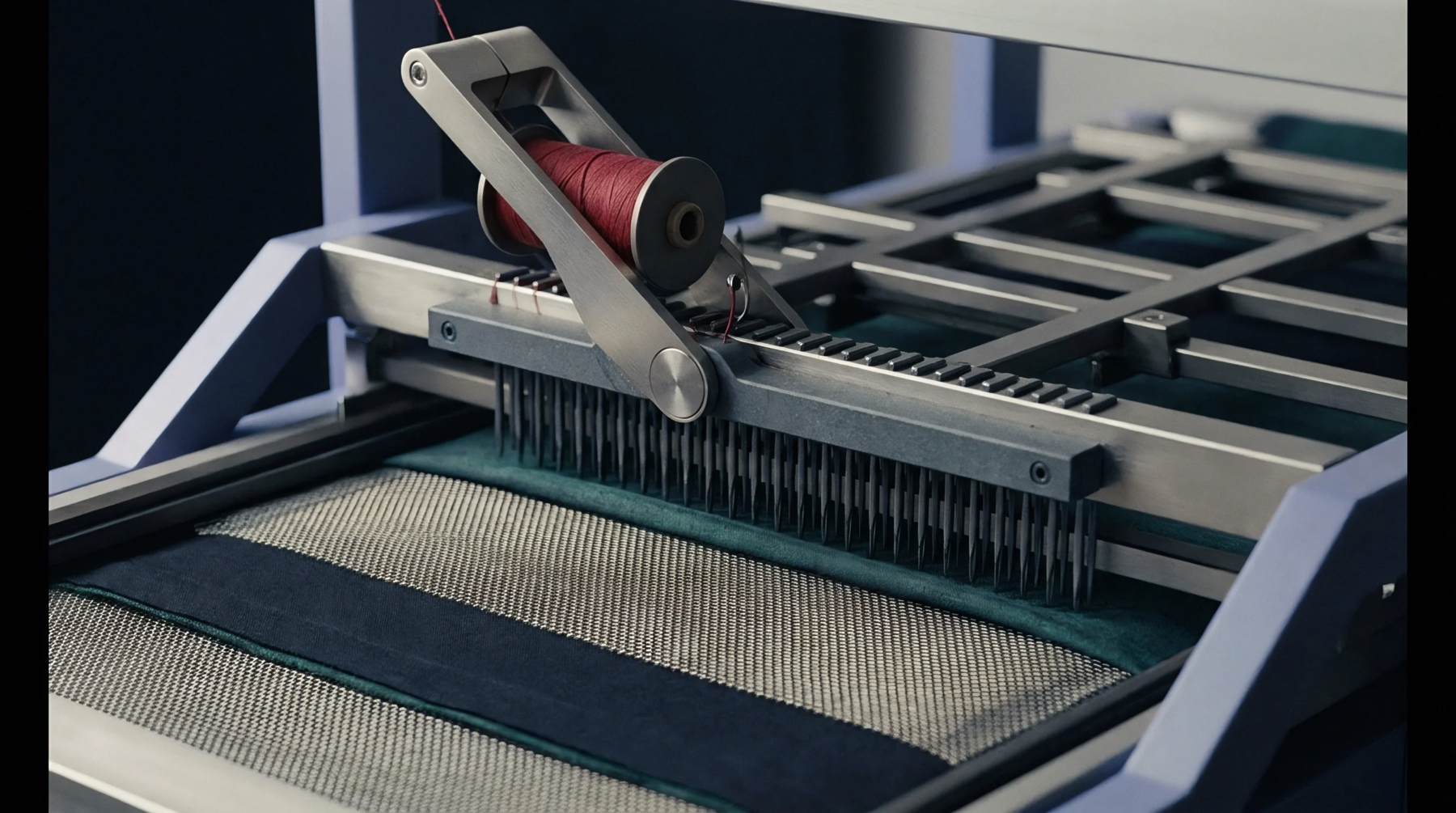
Balance positive feeder tape speeds and stitch cam depths to hold yarn run-in within one percent across feeds, eliminating structural barré in finished knits.
Expertise is a utility, not a secret. sentiention™ publishes its working knowledge as open reference: intelligence layer covering the materials it sources, the markets it enters, and the reference that serves both.