
Decoupling Fiber Maturity from Linear Density in High Speed Ring Spinning Blends
Decoupling maturity from linear density prevents high-speed ring spinning ends-down and dye resist neps by specifying double airflow and individual fiber optics.

Decoupling maturity from linear density prevents high-speed ring spinning ends-down and dye resist neps by specifying double airflow and individual fiber optics.

Plied yarns neutralize torsional spirality within the strand cross-section, while alternate feeds distribute opposed stresses across alternating courses.

Dynamic thermal cycling drives surface phthalate exudation when cooling phases induce rapid supersaturation that exceeds matrix solubility limits.

Thermal oven clearance of aprotic solvents from coated PVC requires balancing dwell kinetics against plasticizer bonding to satisfy destination testing limits.

Predictive loop length modeling establishes exact single jersey finished weight and dimensions by linking yarn count to Munden relaxation constants.

Solvent extraction of ortho-phthalates requires complete polymer solvation in tetrahydrofuran prior to GC-MS analysis to prevent false compliant test results.

Evaluating resin degradation under industrial laundering requires measuring covalent ether bond scission against tensile loss over fifty ISO 15797 cycles.

Airflow micronaire measures specific surface area resistance, combining perimeter and wall maturity into one value that governs processing waste and price.

Single jersey spirality is controlled by capping yarn twist multiplier below 3.5, optimizing loop tightness, and autoclaving to neutralize torsional torque.

Extended SWIR calibration between 1650 and 2200 nm using rare earth oxides enables detection of polypropylene in cotton at high speeds.

Resolve transatlantic chemical compliance boundary disputes by embedding JCGM 106 guard-banded decision rules and referee lab protocols into contracts.

InGaAs SWIR line scan cameras isolate colourless foreign polyolefins from raw cotton by tracking differential moisture and polymer absorption bands.

Shortwave infrared sensors detect transparent polyolefin contaminants in cotton tuft streams by measuring carbon-hydrogen overtones absent in cellulose.
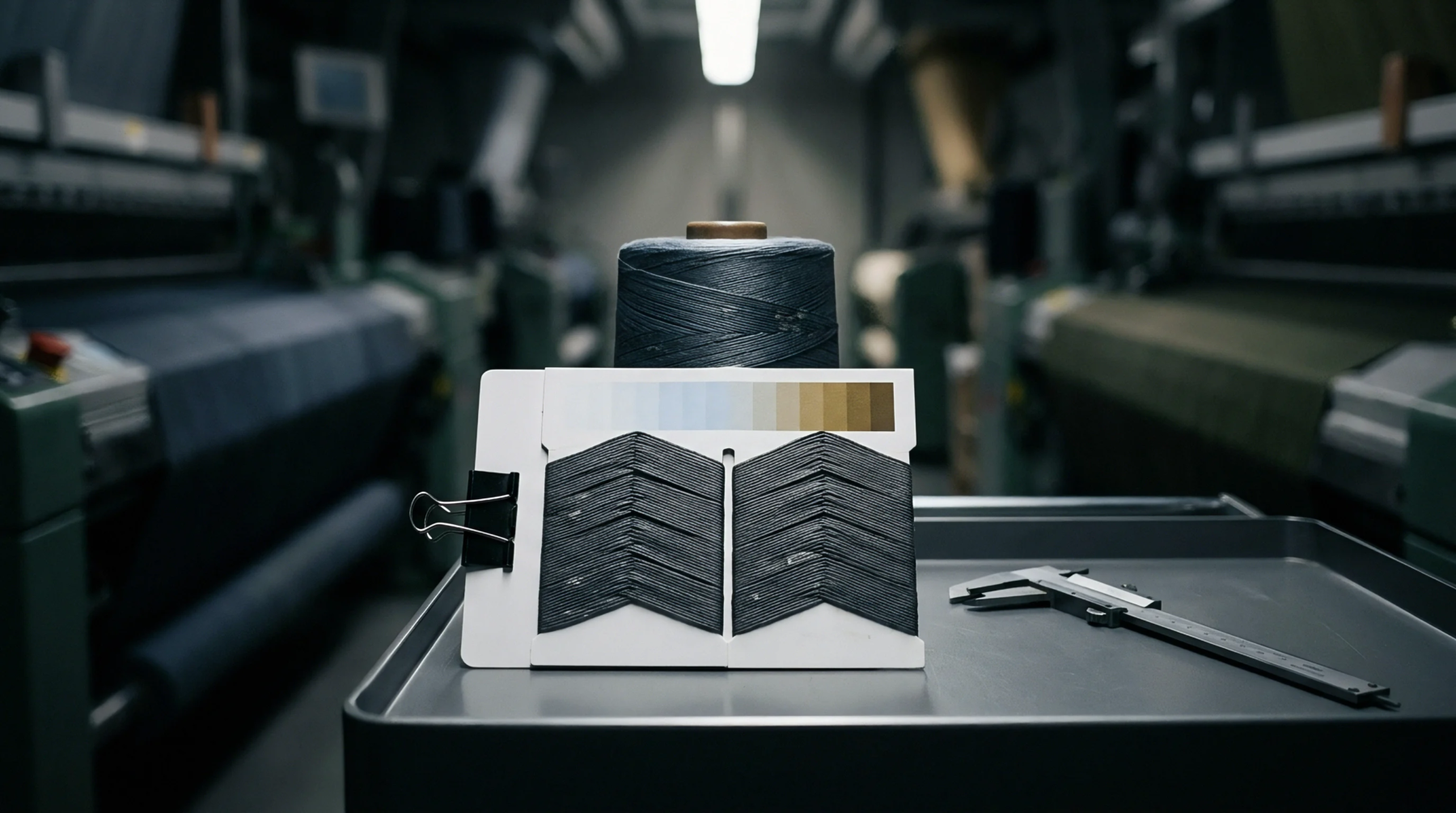
Enforce textile custody across commission finishing by combining physical selvage tracers, strict mass balance boundaries, and enforceable bailment terms.

Axial tension accelerates solvent uptake and chain relaxation in oriented yarns; controlling line tension prevents fibrillar shearing and catastrophic bundle creep.

Solvent scouring plasticizes synthetic filaments and accelerates chain scission; process baths above critical temperatures destroy intrinsic viscosity.

Secondary heat exposure drives disperse dyes into surface finishing oils; specify high-energy dyes and heat-tested rub fastness after stenter finishing.

Audit scopes must encompass spinning inputs through subcontract finishing lines to hold prime vendors liable for latent wet processing defects.
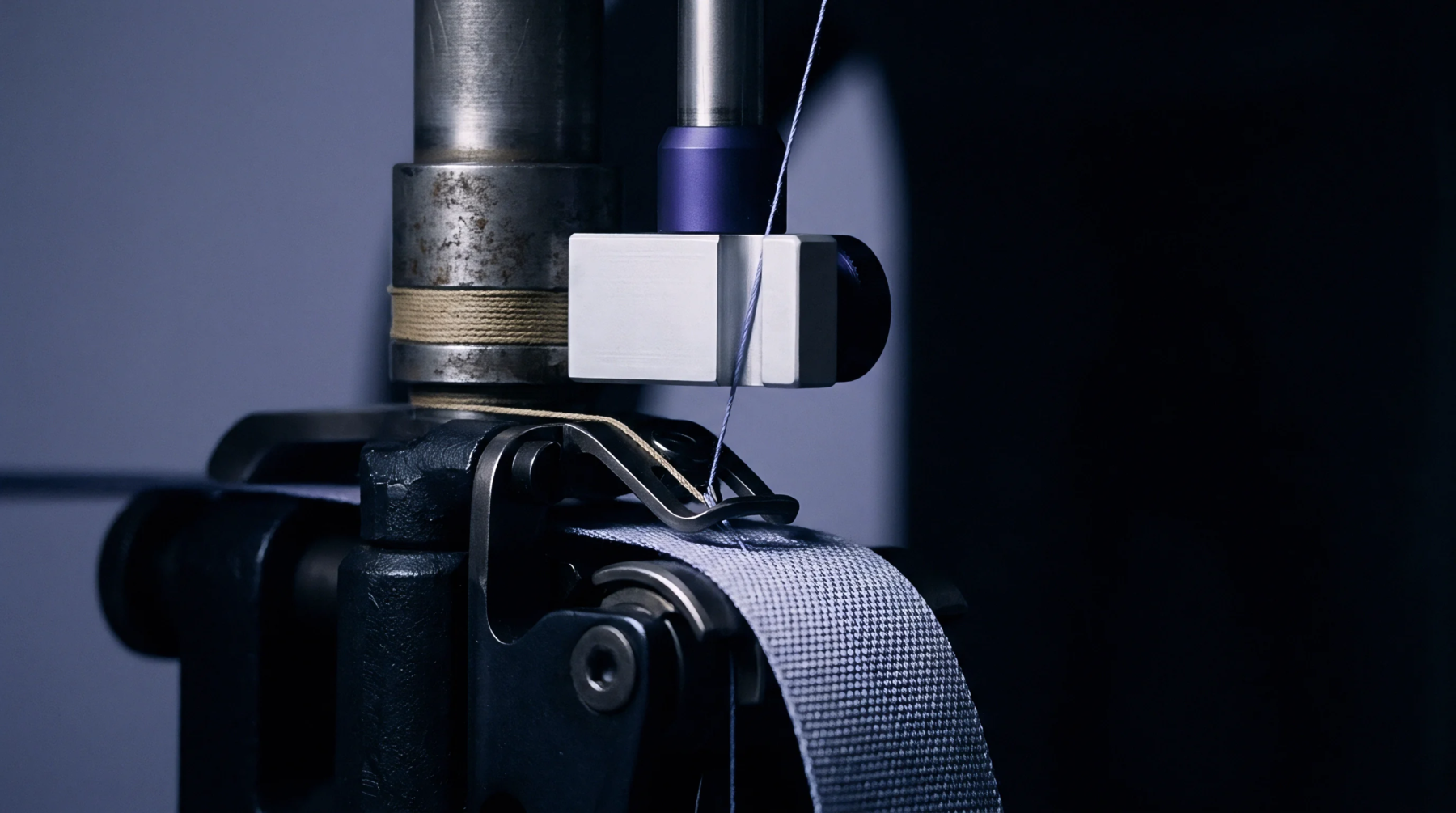
Chlorinated solvents dissolve high tenacity yarns at distinct thermodynamic thresholds, enabling precise quantitative separation and customs verification.

Real-time conductivity-controlled electrolyte dosing stabilizes dye uptake on variable greige duck by throttling salt delivery to match fiber wetting rates.
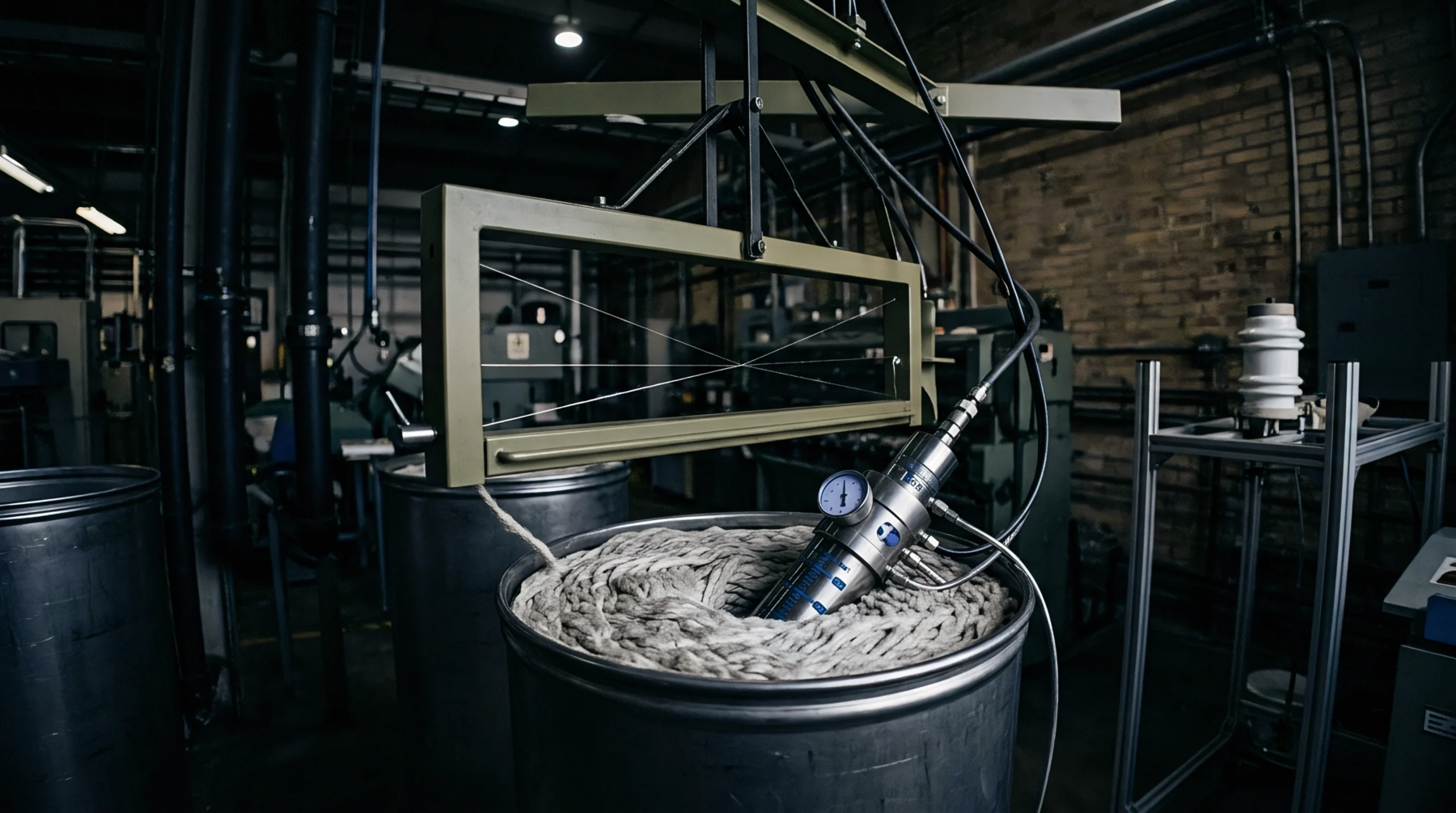
Controlled depressurization below 1 MPa per minute prevents cavitation and mass loss during elevated pressure extraction of polyurea elastomer matrix finishes.

Parabolic salt dosing prevents ring dyeing in heavy duck by matching electrolyte delivery to liquor diffusion rates across compact yarns.

Pressurized fluid extraction using dimethylacetamide at 115 C and 10.5 MPa isolates elastane in fifteen minutes while limiting polyamide mass loss to under 0.3%.

Inter-laboratory textile test discrepancies represent statistical reproducibility dispersion that must be governed through contractual guard bands.

Controlled progressive dosing of neutral electrolytes prevents premature reactive strike and surface ring dyeing across dense plied cotton duck yarns.

Automated solvent extraction eliminates knitting oils and silicone finishes from elastomeric organic knits to ensure compliant blend analysis.

Statistical precision limits define allowable repeatability and reproducibility corridors, preventing false batch rejections in cross-border textile trade.

Interlaboratory calibration gaps for fluorochemicals in recycled synthetic blends stem from unstandardized solvent swelling and severe oligomer ion suppression.

Dynamic yarn cross-sectional flattening expands major axis boundaries, defining absolute physical weaving limits and preventing bulk loom jamming failures.

Reconcile dock scale variances by calculating commercial mass from clean oven-dry weight plus statutory tariff regain schedules rather than ambient mass.
Expertise is a utility, not a secret. sentiention™ publishes its working knowledge as open reference: intelligence layer covering the materials it sources, the markets it enters, and the reference that serves both.