Calibration Procedure
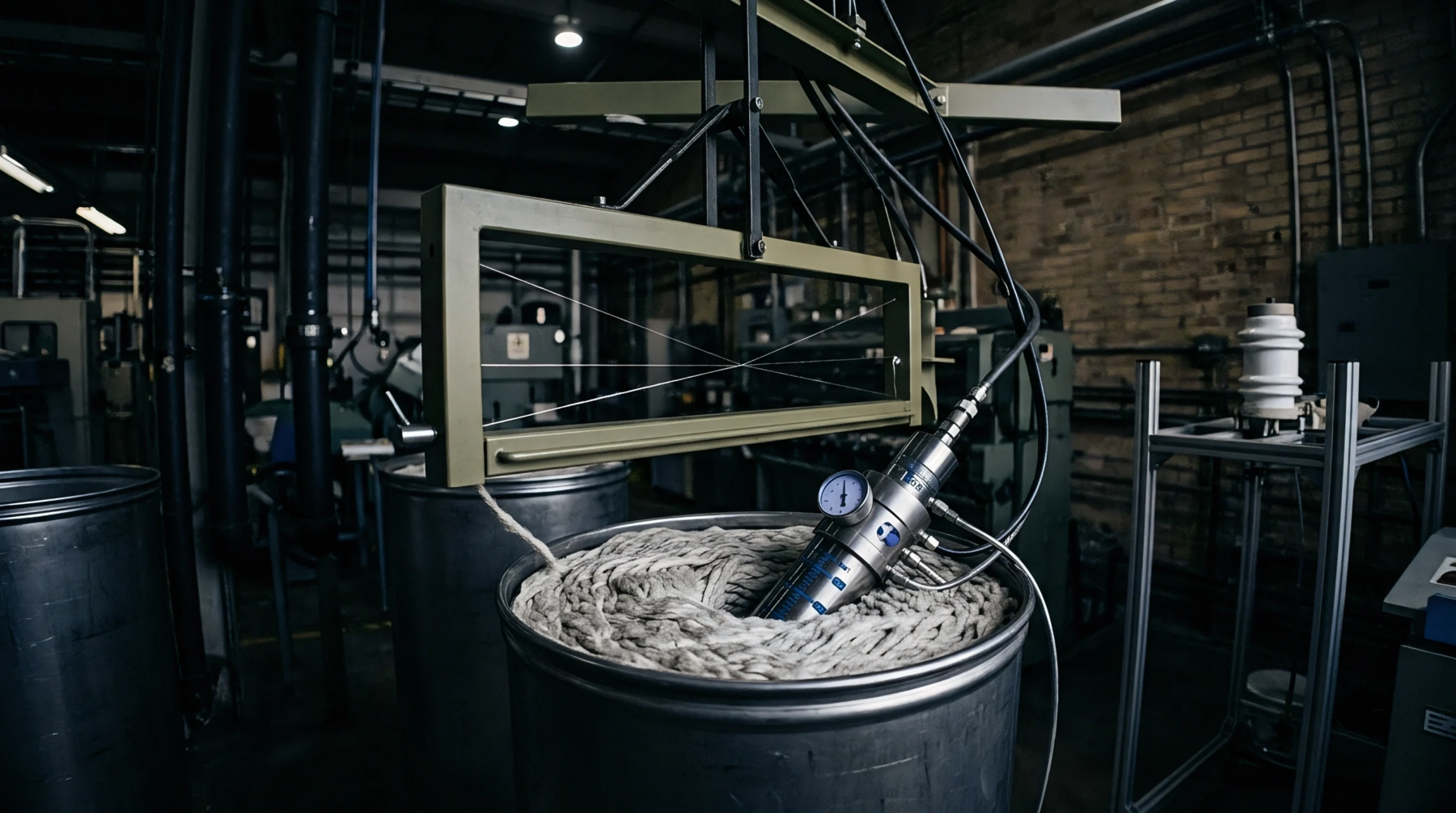
Electronic instrument testing ensures that differential pressure sensors in pressurized dyeing vessels generate precise output signals under high temperature conditions. Technicians carry out dp transducer calibration to maintain correct flow rate calculations in yarn and fabric dye machines. Transducers translate the physical pressure drop across a restriction into an electrical signal that regulates pump speed.
Monitoring Phase
During the maintenance schedule, engineers apply known pneumatic pressures to the high pressure port of the sensor while leaving the low pressure port open to the atmosphere. Adjustments are made at zero, midpoints, and maximum pressure values to confirm linear response. Continuous operation without this step leads to drift.
Pressure Range
Operating limits for these sensors extend from zero to five hundred kilopascals in typical beam dyeing applications. When calibration drifts, the control system receives false pressure data, which can cause either inadequate penetration or fabric damage from excessive flow. Keeping deviations under half a percent of the span prevents pump errors.
Routine verification at ninety day intervals maintains this level of process security.
Flow Effect
Accurate pressure measurement protects delicate knit structures from the high hydraulic forces generated by overactive pumps. Consistent flow distribution guarantees that dyes penetrate evenly through dense yarn packages. Consequently, final products show no core to cake shade differences.