Radiometric Target Calibration in High Dust Textile Environments
High dust textile radiometric calibration requires active laminar air purges, anti-static targets, and dark-current subtraction to prevent blend errors.


Beam
Photometric sensors on high-speed spinning lines and automated fiber sorting chutes suffer rapid signal degradation from suspended airborne particulate. Textile processing environments generate dense particulate clouds composed of cotton fly, synthetic microfibres, size starch droplets, and mineral soil. Airborne dust attenuates radiant flux through elastic light scattering and wavelength-dependent absorption.
When light travels from a stabilized halogen or light-emitting diode source through a particulate cloud to an online spectrophotometer, photon energy is spatially redistributed before reaching the measurement target or reference calibration tile.
The magnitude of optical extinction follows the Beer-Lambert formulation adapted for aerosol scattering, where the transmission ratio depends on path length and aerosol extinction cross-section. Particle diameter governs the dominant scattering regime. Microfibres and coarse cotton trash with effective diameters between 10 micrometres and 100 micrometres exhibit geometric optics scattering, projecting strong forward scatter that shifts the spectral baseline across the entire visible and short-wave infrared spectrum.
Fine lint fragments and sizing dust ranging from 0.5 micrometres to 5 micrometres fall within the Mie scattering domain, where scattering efficiency varies non-linearly with wavelength.

Airborne Fiber Scattering Mechanics
Atmospheric dust in spinning blowrooms introduces distinct spectral features that alter raw radiance measurements. Cotton fly consists predominantly of crystalline cellulose microfibrils that absorb light strongly in the near-infrared region at 1480 nanometres and 1940 nanometres due to hydroxyl group vibrational overtones. Polyester microfibres suspended in the air path introduce sharp absorption doublets near 1660 nanometres and 2130 nanometres corresponding to aromatic carbon-hydrogen stretching.
Airborne particles moving through high-velocity carding zones accumulate significant triboelectric charges, causing particulate clouds to organize along local electrostatic fields. This alignment forces non-spherical fiber fragments into parallel orientations relative to the optical path, inducing polarization-dependent extinction. Standard unpolarized radiometric calibration routines fail when encountering polarized background scattering, introducing systematically skewed reflectance values into the sensor signal processor.
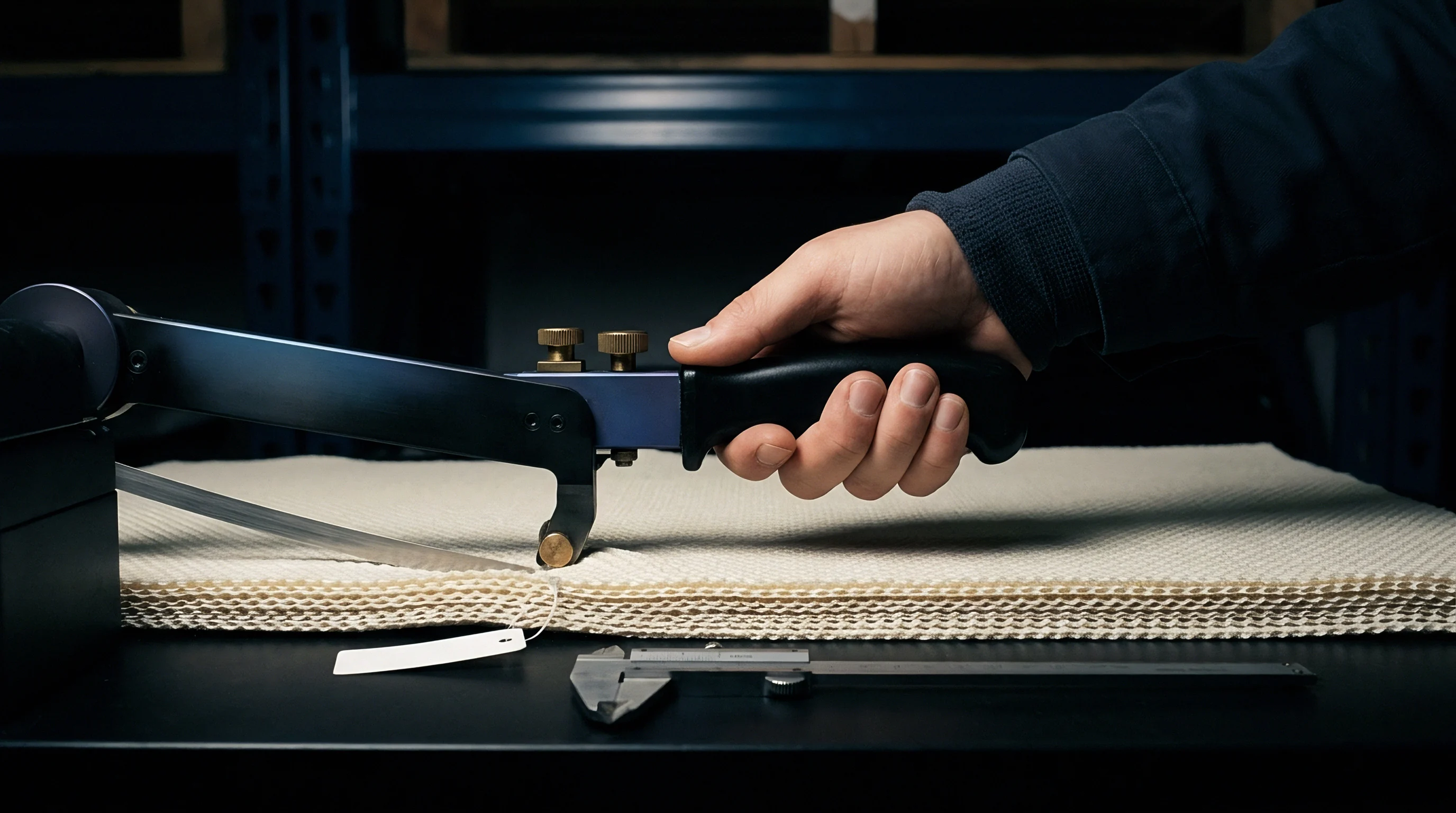
Spectral Extinction across Infrared Wavelengths
Measurement degradation varies across optical bands depending on particulate concentration and relative humidity within the mill environment. At relative humidity levels above 65 percent, hygroscopic fibers such as cotton and viscose swell, increasing their effective cross-sectional area by up to 18 percent and doubling their scattering efficiency in the short-wave infrared region.
| Processing Zone | Dust Mass Density (mg/m³) | Dominant Particle Type | Extinction Coefficient at 850 nm (m⁻¹) | Extinction Coefficient at 1650 nm (m⁻¹) |
|---|---|---|---|---|
Operating radiometric sensors without accounting for dynamic optical depth changes introduces an uncalibrated signal shift that propagates directly into composition verification algorithms. A baseline shift of 0.03 absorbance units at 1650 nanometres alters calculated cotton-to-polyester blend ratios by as much as 4.2 percent, resulting in incorrect customs classifications, unexpected yarn dyeing anomalies, and costly lot rejections.

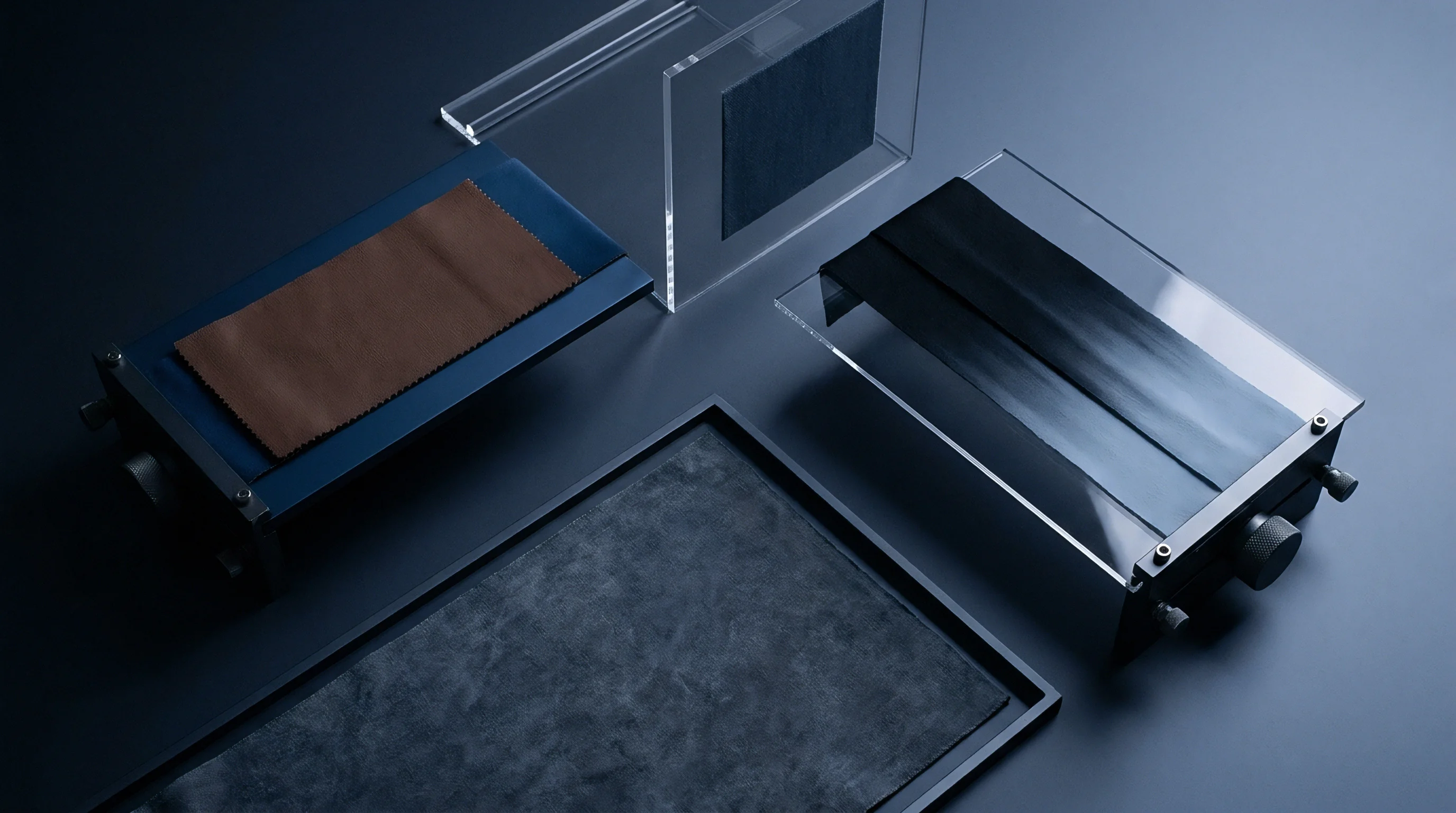
Lint
Physical contamination of calibration surfaces presents a continuous challenge to maintaining radiometric precision on the factory floor. Radiometric target surfaces designed for diffuse reflectance calibration rely on precise microscopic surface topographies to produce Lambertian light distribution. Airborne lint, oil mist from high-speed bearings, and mineral soil settle onto target surfaces through gravitational sedimentation, electrostatic attraction, and thermophoretic deposition.
Raw cotton fly transfers residual natural waxes, fats, and pectin compounds directly onto calibration tiles upon physical contact. Synthetic microfibres carry spin finishes composed of ethoxylated ester lubricants and antistatic surfactants. These organic compounds form a hydrophobic film over target micro-grooves, permanently altering the surface energy and optical reflection profile of diffuse white targets.
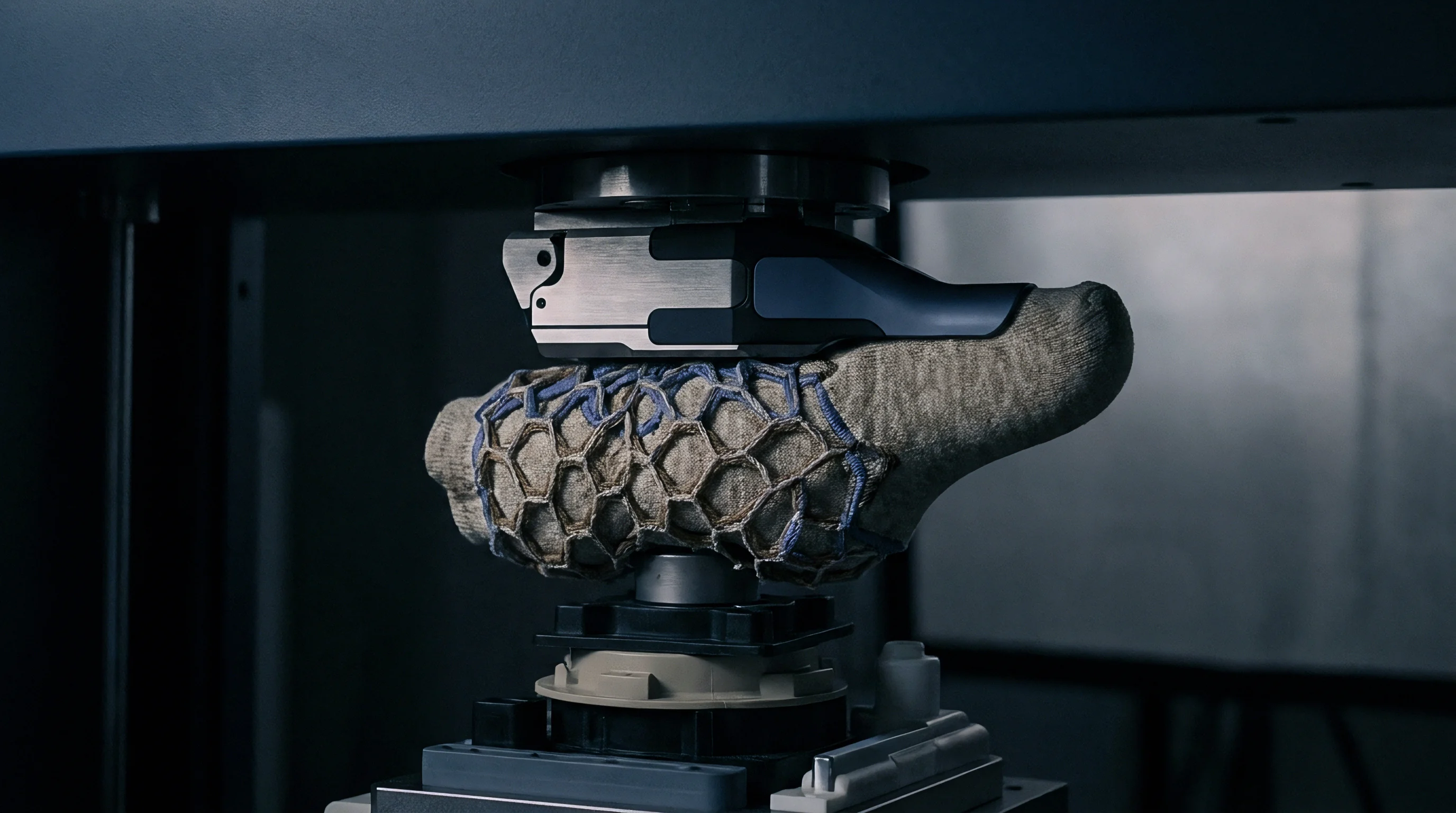
Target Contamination Pathways
Accumulation of particulate matter proceeds through distinct stages over operating hours. Initial deposition occurs when charged microfibres adhere to target edges, creating localized fringe interference. Subsequent dust buildup forms a non-uniform particulate cake across the primary active optical zone.
This non-uniform layer scatters incident light specularly rather than diffusely, causing severe target gain errors across all spectral channels.
- Electrostatic Adhesion drives fine synthetic microfibres onto insulating target substrates, resisting gravity and low-velocity convective air currents.
- Oil Vapour Condensation binds dry fiber dust onto optical surfaces, creating a stubborn gel layer that resists dry compressed air blasts.
- Mechanical Embedment occurs when automated target positioning arms force target surfaces against dirty mechanical stops or housing seals.
- Hygroscopic Cake Formation takes place when ambient moisture causes airborne size starch and fiber fragments to cross-link directly on calibration tiles.
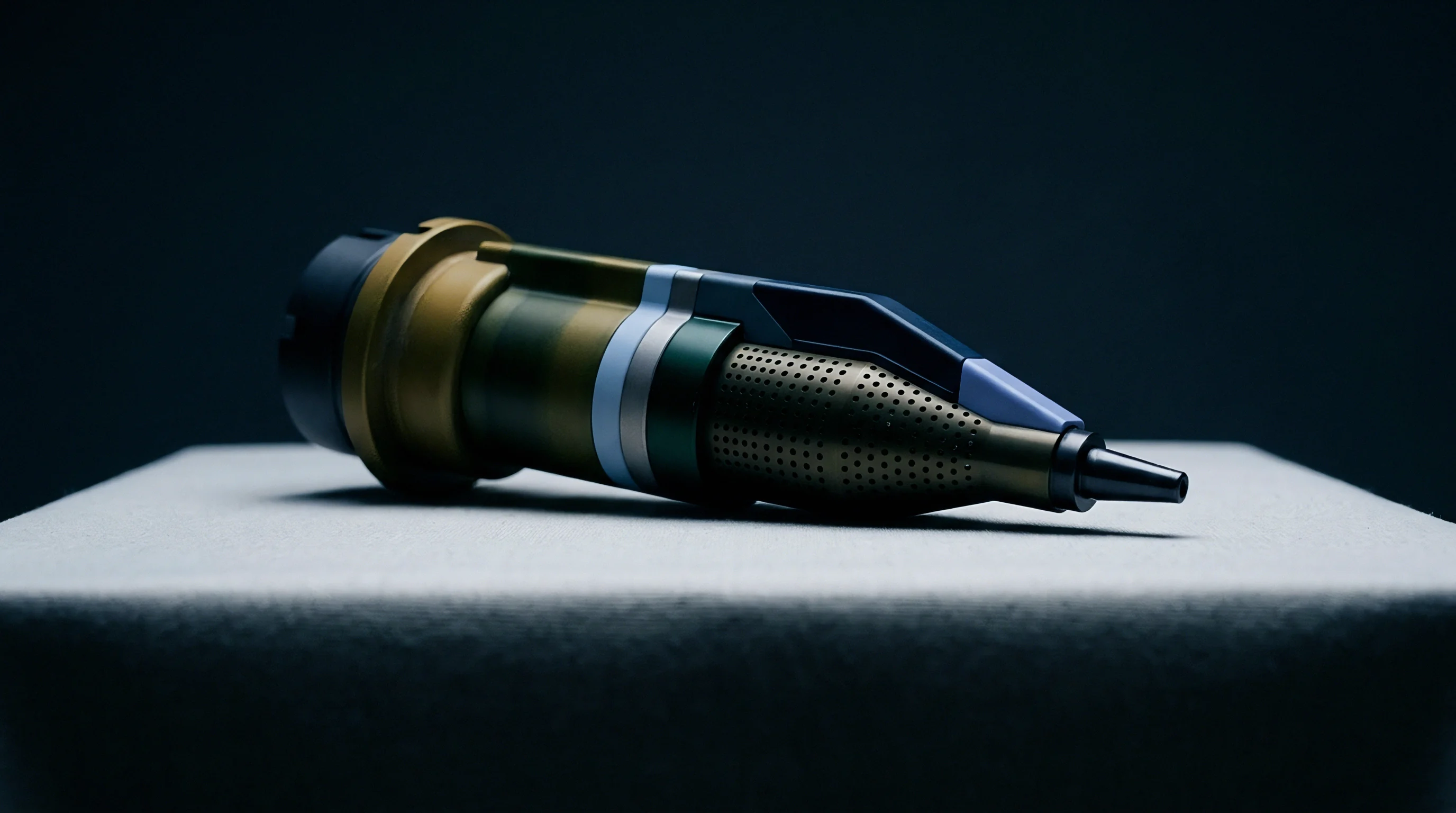
Surface Deposition and Charge Transfer
Target substrates constructed from sintered polytetrafluoroethylene generate substantial negative static charges through friction with moving dry air currents. Triboelectric friction between fast-moving clean air purges and sintered polytetrafluoroethylene target tiles charges the substrate surface up to 3.5 kilovolts. This electrical field actively attracts positively charged cotton fibers from surrounding room air, accelerating surface fouling immediately after a cleaning cycle completes.
Relative humidity maintained between 55 percent and 60 percent reduces static charge accumulation on target substrates while preventing fiber swelling.
Optical contamination shifts spectral response non-uniformly, hitting shorter UV and visible wavelengths harder than longer SWIR bands. Internal baseline compensation algorithms do not eliminate the need for physical calibration target maintenance in dusty mill environments. Technicians who rely on software compensation without physical target protection experience baseline reflectance dropoffs exceeding 12 percent within 72 hours of uninterrupted operation.

Reflectance
Standard calibration targets perform predictably under pristine laboratory conditions but exhibit distinct degradation profiles when exposed to textile dust streams. Sintered polytetrafluoroethylene provides high hemispherical reflectance exceeding 98 percent across the 250 nanometre to 2500 nanometre spectral range, making it the primary material choice for laboratory radiometric standards. In high-dust mill environments, however, its microporous structure traps micro-particles smaller than 2 micrometres, rendering standard solvent washing ineffective.
Dense ceramic diffuse targets offer superior mechanical hardness and resistance to particulate embedment. High-purity alumina ceramics display hemispherical reflectance between 92 percent and 96 percent across visible and near-infrared bands. Ceramic targets tolerate aggressive mechanical wiping and chemical solvent baths, though their sub-surface scattering properties change slightly when ambient oil vapors fill their surface micro-pores.

How Does Suspended Fly Bias near Infrared Reflectance Counts?
Particulate matter floating between sensor optics and calibration target tiles introduces spurious absorption features into the reference optical beam. Floating cotton fibrids absorb energy at 1450 nanometres and 1930 nanometres due to bound water contained within the fiber matrix, reducing reference radiance values at these wavelengths. When sensor software normalizes subsequent fabric sample readings against this degraded reference spectrum, the sample spectrum displays false reflection peaks, overestimating dry fiber weight and underestimating actual moisture regain.
| Substrate Material | Initial Reflectance (400-1100 nm) | Micro-Pore Size (µm) | Static Charge Retentivity | Cleanability Method | Reflectance Loss per 100 Hours Dust Exposure |
|---|---|---|---|---|---|

Substrate Material Stability
Gold-coated diffuse metal targets provide excellent durability and flat high spectral reflectance throughout the short-wave and mid-wave infrared spectrum beyond 1000 nanometres. Anodized gold surfaces lack optical response in the ultraviolet and blue visible spectra, limiting their application to dedicated infrared fiber composition analyzers. Gold coatings remain susceptible to mechanical scratching from sharp mineral silica particles present in uncleaned raw wool and low-grade cotton bales.
Sapphire-windowed sealed calibration targets protect the underlying diffuse polytetrafluoroethylene core beneath an optically flat, single-crystal sapphire cover. Indium tin oxide thin-film coatings applied to the outer sapphire surface conduct static charges to ground, preventing particle adhesion while allowing 92 percent optical throughput across the NIR spectrum. Sintered target surface micro-structure degradation under repeated dust impacts raises the unresolved question of whether micro-abrasion permanently alters Lambertian scattering profiles before spectral shift becomes detectable by standard quality control monitors.


Purge
Protecting calibration targets requires engineered mechanical barriers that isolate optical surfaces from surrounding room air during both active measurement and reference baseline acquisition. Positive-pressure air enclosures build a local clean air zone around calibration targets using filtered compressed air streams. The clean air delivery system must eliminate oil droplets and water vapor, maintaining a pressure differential of at least 15 pascals relative to the ambient mill floor.
Laminar flow air knives positioned across target housing openings create high-velocity air curtains that deflect airborne cotton fly and heavy dust particles. Air knife velocity must exceed 28 metres per second at the orifice to overcome kinetic momentum carried by coarse trash particles thrown off high-speed carding cylinders.

Aerodynamic Barrier Engineering
Sensing systems utilize automated mechanical shutters to seal reference targets inside isolated chambers when not in active use. Shutter seals require resilient elastomeric gaskets to block fine microfibre ingress. Fluorocarbon seals resist oil degradation and maintain elasticity better than standard nitrile rubbers in warm spinning mill environments where ambient temperatures frequently exceed 38 degrees Celsius.
Electrostatic ionizing bars integrated into the air purge stream neutralize surface charges on both the reference target and incoming air molecules. Ionizing bars emitting balanced positive and negative alternating-current ion streams reduce electrostatic particle deposition on target substrates by up to 91 percent compared to un-ionized purge streams.

Target Housing Mechanics
The sequence below defines the required mechanical validation protocol for deploying an inline pneumatic target protection assembly in high-dust spinning lines.
- Verify compressed air supply purity according to ISO 8573-1 Class 1.2.1 standards, ensuring oil content remains below 0.01 milligrams per cubic metre and pressure dew point stays below minus 40 degrees Celsius.
- Adjust pneumatic regulator to establish a continuous positive housing enclosure pressure of 20 pascals during baseline target acquisition cycles.
- Activate the electrostatic ionization bar and verify ion balance remains within plus or minus 15 volts using a charged plate monitor positioned 50 millimetres from the purge exit slot.
- Initiate mechanical shutter cycling through 50 test actuations, checking optical limit switches for complete closure without mechanical binding or seal deformation.
- Measure total optical radiance output while operating the air knife at maximum flow velocity to confirm that air density fluctuations do not induce refractive index noise into the optical beam.
Air filtration units failing to trap sub-micron oil mist turn pneumatic target purges into contaminant distribution networks across optical tiles.
Setting target purge airflow velocities above critical turbulence thresholds introduces thermal gradients and refractive index noise into the optical path, corrupting reference scans through atmospheric micro-lensing.


Bench
Operational recalibration workflows in high-dust textile facilities rely on systematic multi-stage referencing protocols to decouple instrument drift from optical target contamination. Single-point white reference calibration fails to isolate target soiling from light source aging and detector thermal shift. Advanced radiometric calibration routines combine dark-current subtraction, primary internal reference standard checking, and external transfer standard verification.
Dark-current acquisition captures thermal noise produced by photodiode arrays and read-out electronics in the complete absence of incident light. In textile plants where ambient temperatures fluctuate by up to 15 degrees Celsius between day and night shifts, acquiring dark-current spectra every 15 minutes prevents thermal baseline drift from corrupting fiber identification models.

Multi Reference Spectral Compensation
Internal reference channels split the primary illumination beam using a secondary optical path isolated entirely within a dust-sealed optics engine housing. This sealed internal reference target provides an uncorrupted baseline for light source intensity fluctuations. Comparing the ratio of the external target signal against the internal target signal allows software algorithms to isolate external target contamination rates in real time.
Dual-target calibration systems employ both a primary diffuse white target and a secondary grey reference target with 20 percent nominal reflectance. Dual-target referencing verifies linearity across the sensor dynamic range, detecting non-linear response induced by dirt accumulation on detector windows.
Recalibration Frequency Limits
The following checklist defines the technical decision requirements for selecting an online radiometric calibration strategy based on mill operating parameters.
- Ambient Dust Loading Assessment establishes whether processing zones require continuous air-knife target purging or periodic mechanical shutter protection.
- Spectral Range Selection dictates substrate target choices, matching sintered polytetrafluoroethylene to UV-Vis-NIR applications and anodized gold to dedicated SWIR composition systems.
- Thermal Compensation Bandwidth determines dark-current acquisition intervals based on local mill ambient temperature swing profiles.
- Mechanical Actuation Limits define shutter duty cycles, balancing target wear against baseline drift rate requirements.
The checklist below defines the mandatory documentation elements required in an accredited radiometric calibration dossier for cross-border textile blend verification systems.
- NIST Traceable Calibration Certificate specifying hemispherical reflectance factors for primary reference tiles across all operational spectral channels.
- Clean Target Baseline Spectrum Dossier recording initial raw radiance profiles, dark-current values, and signal-to-noise ratios under factory clean conditions.
- Purge Air Quality Test Verification Report documenting compliance with ISO 8573-1 air purity standards for oil, moisture, and particulate content.
- Drift Tolerance Threshold Matrix defining maximum allowable spectral deviations before mandatory manual target cleaning and re-zeroing triggers automatically.
| Spectral Band (nm) | Application Focus | Max Allowable Reflectance Drift | Auto-Correction Trigger | Mandatory Manual Bench Recalibration |
|---|---|---|---|---|
Purchase contracts specifying online fiber composition monitoring require primary calibration targets to maintain NIST-traceable reflectance within plus or minus 0.2 percent across all trade contract bands.
Standard purchase clauses governing automated spectral composition monitoring specify that equipment suppliers must provide automated target drift logging, failing which all automated composition batch rejections default to neutral laboratory wet-chemistry arbitration under ISO 1833 standards.


Ledger
Uncorrected radiometric drift directly degrades the financial accuracy of high-volume textile manufacturing and international yarn purchasing. Automated fiber sorting lines, inline fabric dyeing machines, and recycled fiber blend analyzers depend on precise optical reflectance ratios to calculate material composition per kilogram of finished product. Small errors in target calibration propagate into massive commercial discrepancies when applied across multi-tonne bulk fiber shipments.
When airborne dust darkens a calibration target, the spectrophotometer interprets the reduced reference light level as an increase in sample absorption. The instrument overestimates the percentage of expensive high-absorption fibers in a blend, such as extra-long staple cotton or cashmere, while underestimating synthetic or recycled content ratios.

Commercial Impact of Spectral Shift
A radiometric reference target suffering an uncorrected 1.5 percent baseline drop in the short-wave infrared spectrum causes an inline analyzer to misclassify standard 60/40 cotton/polyester yarn as a 64/36 blend ratio. In cross-border trading under Harmonized System tariff codes, this artificial shift alters the chief weight determination, moving the commodity from a synthetic-predominant lower duty classification to a natural-predominant higher duty bracket.
Misclassification exposes the importer to customs penalties, back-duty assessments, and shipment seizures at receiving ports. Inside the mill, incorrect blend monitoring causes incorrect dye recipe dosing, leading to uneven dye levelling, shade batch variations, and thousands of metres of scrapped fabric.

Worked Cost Sensitivity Model
Consider a continuous rotor spinning operation producing 50 tonnes of combed cotton/polyester ring-spun yarn per week, operating on a target blend specification of 50.0 percent combed cotton and 50.0 percent recycled polyester staple fiber. Raw combed cotton costs $2.40 per kilogram delivered, while recycled polyester staple costs $1.10 per kilogram delivered, establishing a raw material input baseline cost of $1.75 per blended kilogram, or $87,500 per 50-tonne weekly batch.
Assume an uncleaned radiometric reference target drifts downward by 2.2 percent in reflectance at 1650 nanometres due to cotton fly cake deposition over 5 days of continuous operation. The automated inline fiber feeder relies on NIR reflectance counts to control pneumatic blending valves, adding extra cotton to compensate for perceived synthetic excess. The actual produced yarn blend shifts to 53.5 percent cotton and 46.5 percent polyester, while remaining within nominal strength tolerances and passing standard physical appearance tests.
The actual raw material consumption cost for this 50-tonne production run increases to $1.7955 per kilogram, raising weekly material input expenditure to $89,775. Uncorrected target calibration drift generates an unrecoverable raw material cost overrun of $2,275 per week per spinning line. Over a 50-week operating year, a single uncalibrated sensor line burns $113,750 in unrecovered fiber costs without delivering any added commercial value or price premium on finished yarn invoices.
Automated inline composition monitoring systems protect profit margins only when optical targets undergo systematic, verified calibration regimes that account for atmospheric optical depth and physical target contamination.