
Analytical Detection Tolerances for Banned Arylamines in Recycled Polyester Blends
Analytical tolerances for banned arylamines in recycled polyester demand LC-MS verification to eliminate oligomer false positives above 20 mg/kg.

Analytical tolerances for banned arylamines in recycled polyester demand LC-MS verification to eliminate oligomer false positives above 20 mg/kg.
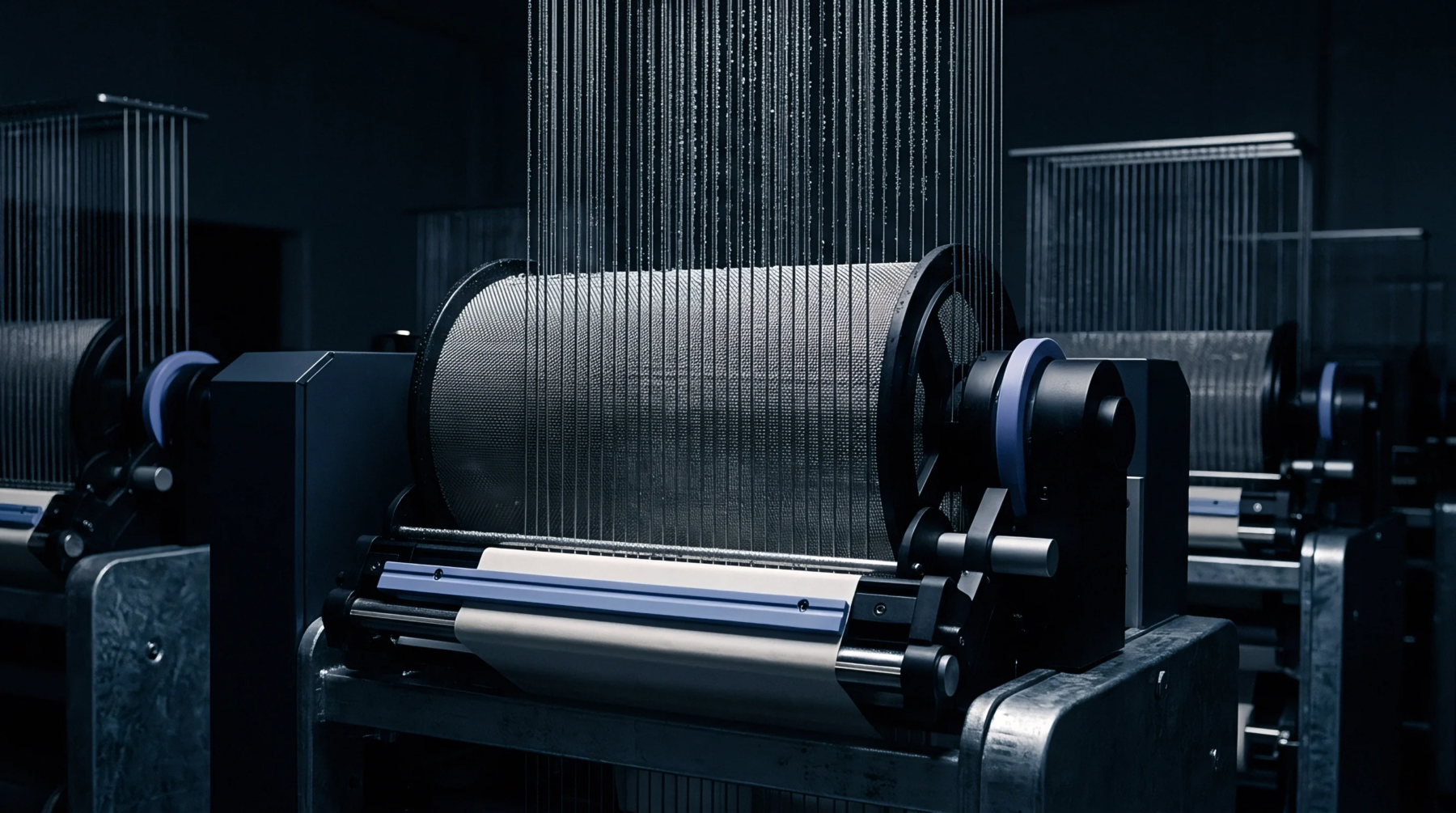
High warp density restricts transverse fluid penetration during continuous padding, requiring hard-roll high-pressure nips to prevent ring-dyeing.

Maintain uninterrupted textile compliance by requiring scope certificate validity sixty days past vessel arrival and tying payment release to valid transaction certificates.

Verifying off-loom thread density after four hours of tension-free conditioning prevents bulk specification disputes and costly finished cloth rejections.

Standardizing extraction temperature and specimen surface area resolves non-equilibrium desorption variances across dense polyurethane barrier membranes in audits.

Quantitative evaluation of sorption hysteresis and hydrolytic decay in laminate tie-layers establishes real durability and regulatory compliance limits.

Hot Soxhlet extraction thermally volatilises low-MW alkoxylated polyethers, skewing gravimetric finish content and corrupting clean fiber blend declarations.

ISO 14184-1 extracts free formaldehyde at 40 °C for 60 min, forming a 412 nm lutidine complex where dye leaching requires HPLC-UV verification.
Chlorinated solvent reflux extracts structural polymer oligomers alongside spin finishes, distorting quantitative gravimetric composition analysis unless corrected.
Quantitative spin finish removal demands targeted binary solvent extraction to prevent gravimetric error in customs fibre composition analysis.
Quantify commercial blend mass through oven desiccation and statutory regain allowances to eliminate hysteresis and condensation errors in customs audits.
Concentrated alkali silicate baths skew glass electrode pH readings via liquid junction potentials and diaphragm fouling, requiring differential sensors or titration.
Marine container moisture gain alters physical weight on arrival; commercial settlement under ISO 6741 requires adjusting clean oven-dry mass to standard regain.
Preconditioning dispute samples at 50°C and 15% RH eliminates sorption hysteresis, ensuring repeatable multi-mill mass and physical testing acceptance.
Commercial moisture regain corrections adjust oven-dry cellulosic fibre mass using statutory allowances to prevent buyers paying pure water rates on dry matter.

Accurate cellulosic blend analysis requires pairing strict solvent reflux kinetics and d-factor scission corrections with standard commercial regain adjustments.
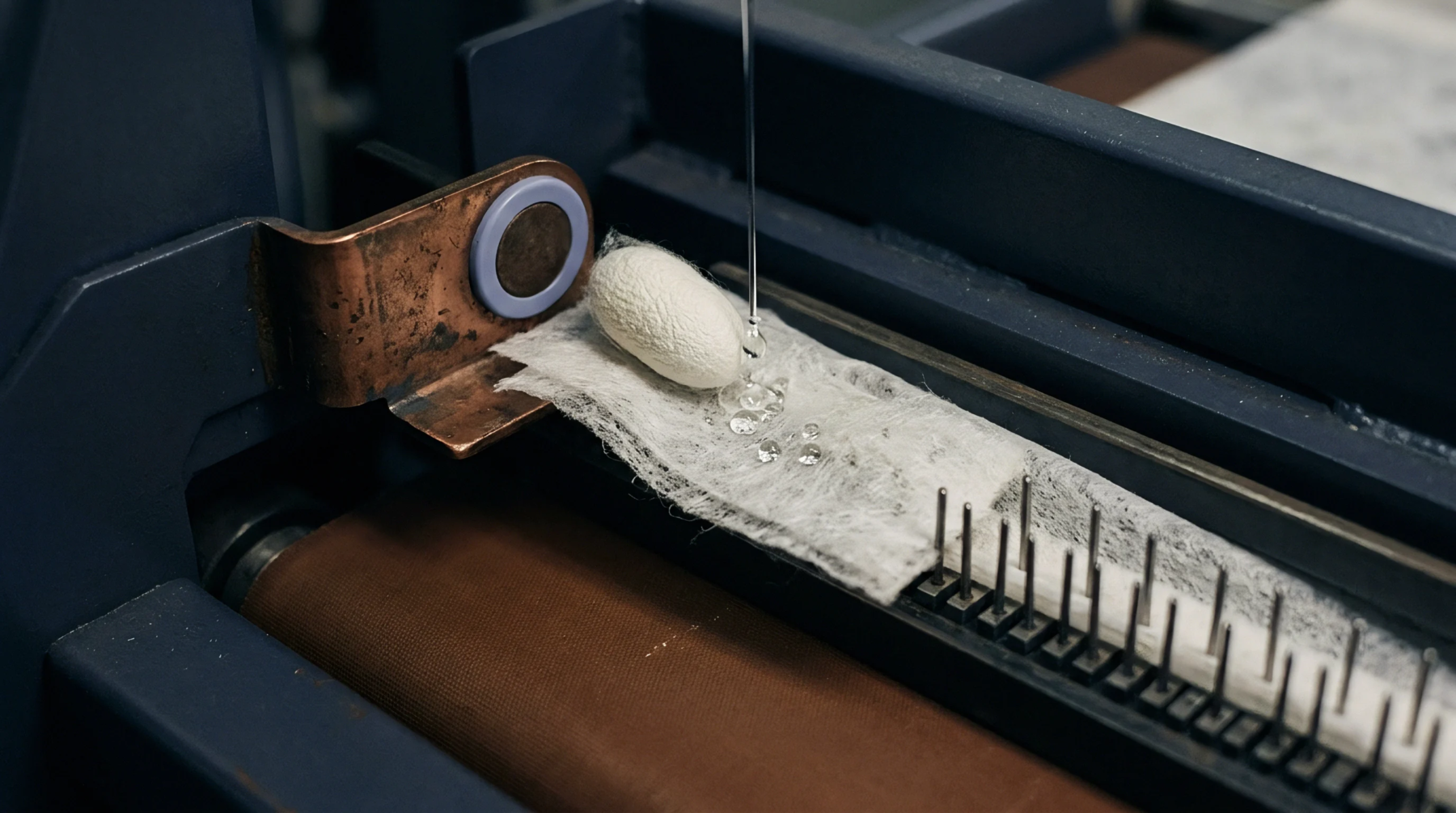
Calibrating empirical acid extraction factors for mercerized fiber prevents under-reporting cotton content and avoids costly customs reclassification disputes.

Alkaline error in glass electrodes causes uncorrected pH readings in high-salt reactive dyebaths to read up to 0.85 pH units lower than true solution activity.

Accounting for wet finishing mass additions separates greige fiber weight from chemical solids to prevent yield overbilling and structural fabric downgrades.

Commercial weight recalculation adjusts raw fiber invoice mass by adding official contractual moisture regain allowances to laboratory verified oven-dry fiber mass.

Determine commercial moisture regain standards through representative bale core sampling and forced-draft oven drying to convert net shipping mass into billable commercial weight.

Mandating ISO 1833 acid hydrolysis pre-treatment eliminates false synthetic mass figures caused by crosslinked resin residues in cotton solvent extraction.
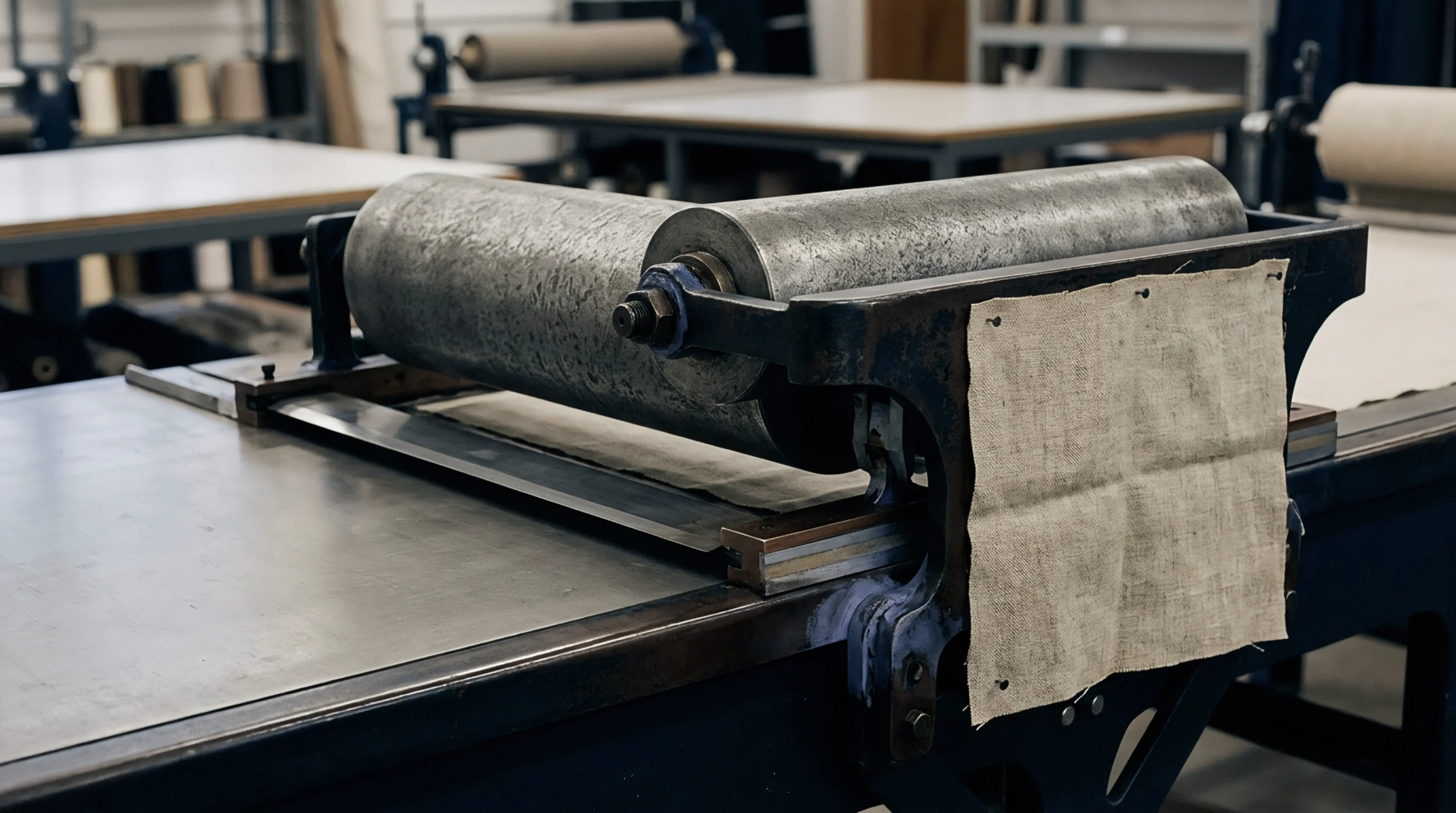
High ionic strength dye baths distort glass electrode pH readings through activity shifts and liquid junction potential offsets that demand matrix-matched buffer calibration.

Calibrating short-wave infrared sensors using dynamic dual-band ratioing isolates white polypropylene from cotton lint while preventing false ejection cycles.

Statistical verification of laboratory thermal slope logs prevents false negative restricted substance dossiers and protects importers from customs detentions.
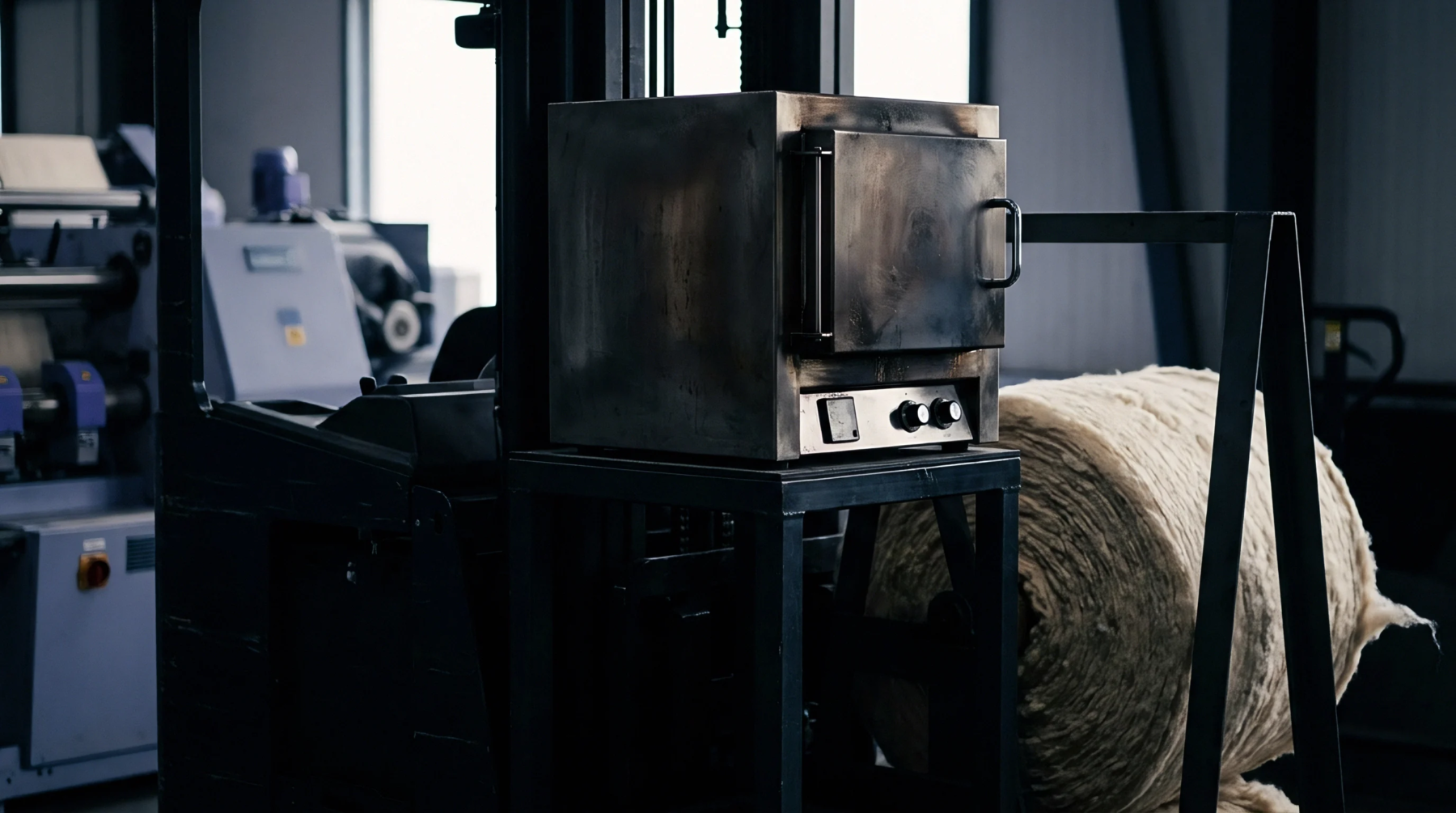
Controlling textile extract measurement temperature within 20 °C ± 1 °C prevents temperature-induced pH drift and false ISO 3071 compliance rejections.

Mixed hydroxide and carbonate dye liquors require temperature-adjusted titration protocols and ionic activity corrections to control thermodynamic fixation drift.

Determining recovered yarn linear density involves unraveling measured lengths, removing crimp under standardized tension, and correcting dry mass for size.
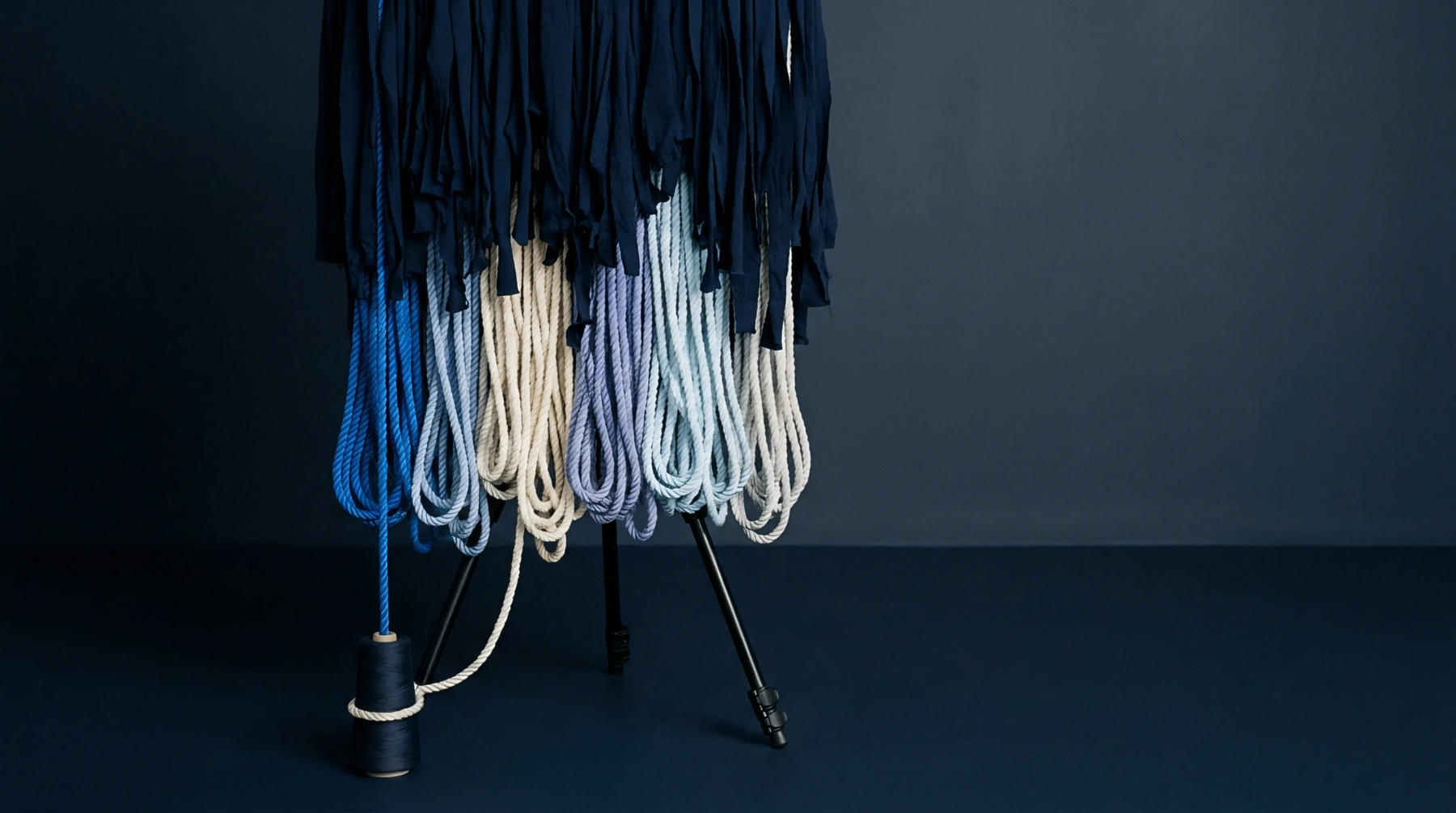
Moisture regain claims rely on oven dry mass calculations under ISO 6741, adjusting invoice weight to standard 8.5 percent regain and protecting fiber tenacity.

Verify high volume raw fibre shipments using ISO 3951 variable sampling to enforce statistical bundle strength and micronaire limits before mill laydown.
Expertise is a utility, not a secret. sentiention™ publishes its working knowledge as open reference: intelligence layer covering the materials it sources, the markets it enters, and the reference that serves both.