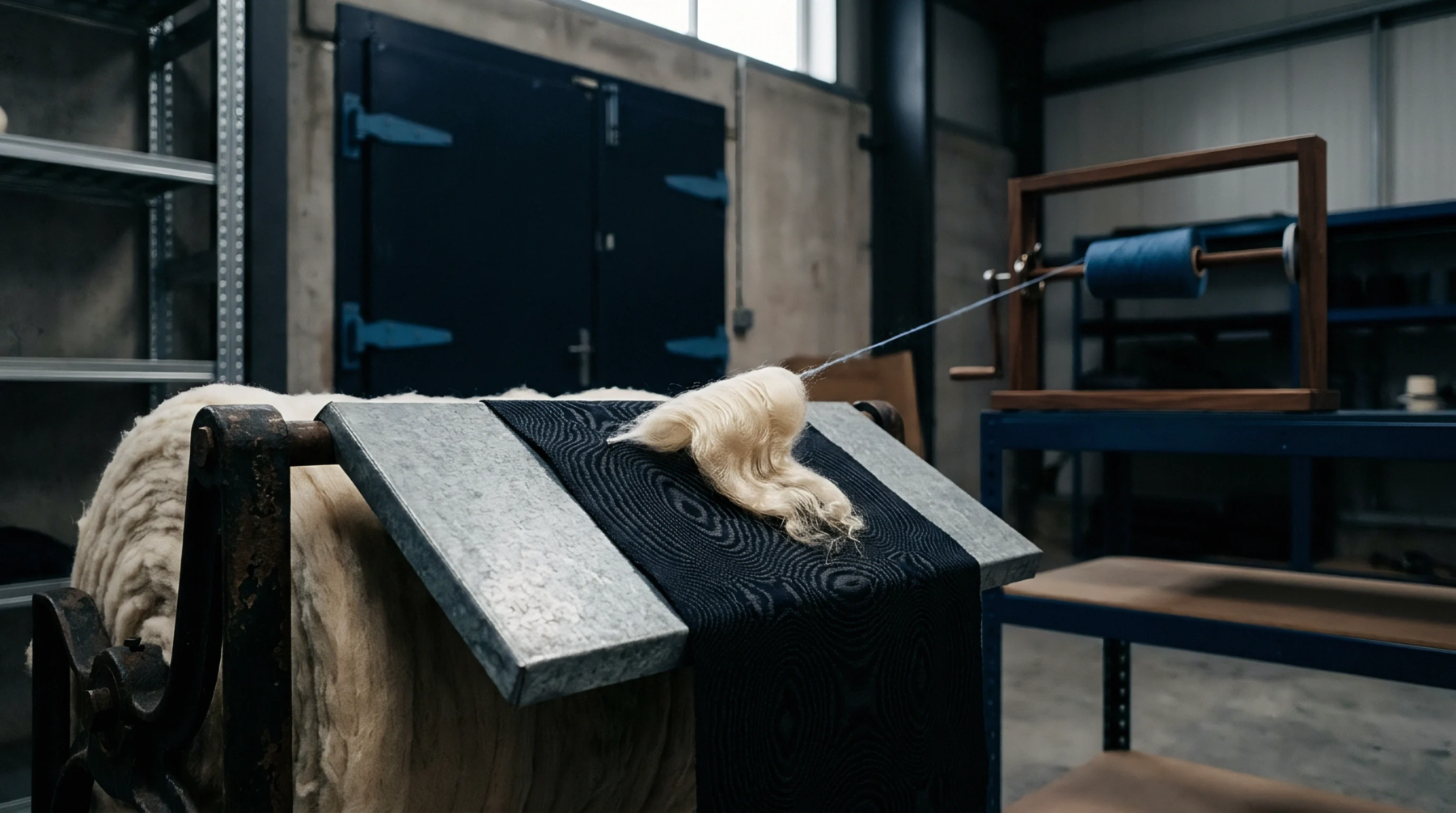
Goat Sequence
Fibrous structural proteins found in the protective outer coat of the domestic goat constitute the molecular basis for identifying premium cashmere fibers. When laboratories analyze luxury yarn, capra hircus keratin provides the diagnostic amino acid sequences that distinguish goat hair from sheep wool. These protein sequences are highly conserved within the species but possess distinct point mutations compared to other ruminants.
Peptide Distillation
Enzymatic digestion of yarn extracts breaks down the polypeptide chains into smaller, soluble fragments that can be separated by liquid chromatography. This chemical process releases unique marker fragments from capra hircus keratin that do not occur in any other textile fibers. These fragments carry specific mass values that are registered in reference databases to confirm the presence of authentic cashmere.
Tryptic Cleavage
Trypsin targets the arginine and lysine residues within the protein structure to generate a predictable mixture of peptides. For capra hircus keratin, the resulting mixture contains diagnostic fragments that survive the harsh conditions of textile scouring and dyeing. Inspecting these fragments allows laboratories to verify the fiber content of bulk shipments before customs clearance.
Commercial Origin
Quantitative analysis of the generated peptides provides the final weight percentage of goat fiber in blended apparel. If the abundance of capra hircus keratin is low, the shipment is mislabeled. Brands use this molecular assay to protect their supply chains from fraudulent substitution with sheep wool or synthetic fibers, which otherwise compromises the thermal efficiency and softness of the final garment.
Retailers run these tests on random samples from every production run to enforce compliance with international textile labeling acts before distributing the goods to stores.