
Mercerized Cotton Twill Dyeing Mechanics and Dye Penetration Fundamentals
Mercerization converts cotton to Cellulose II, expanding mesopores to boost dye absorption and requiring controlled salt and alkali dosing to prevent twill core ring dyeing.
Mercerization converts cotton to Cellulose II, expanding mesopores to boost dye absorption and requiring controlled salt and alkali dosing to prevent twill core ring dyeing.
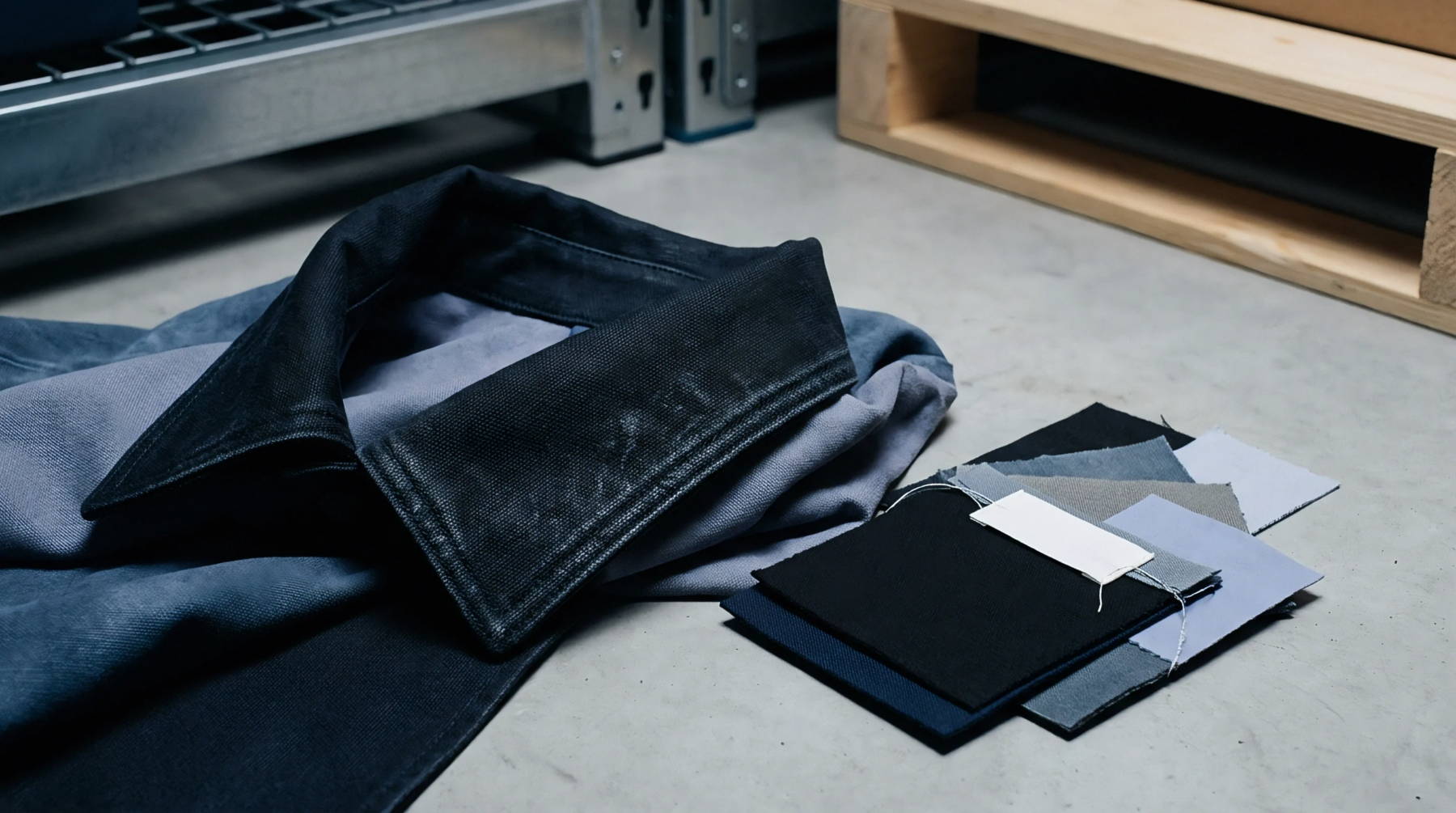
Secondary heat exposure drives disperse dyes into surface finishing oils; specify high-energy dyes and heat-tested rub fastness after stenter finishing.
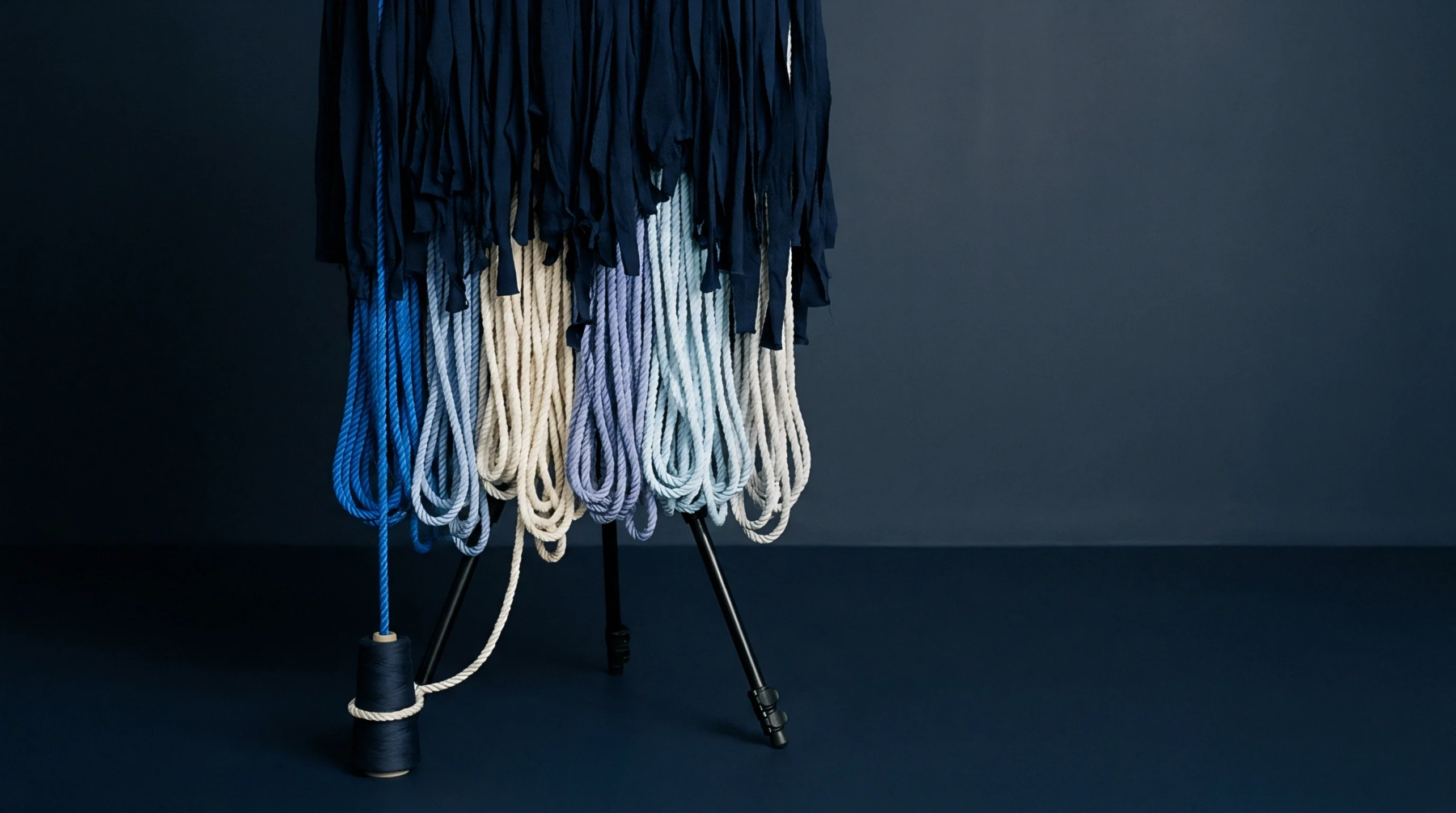
Controlled progressive dosing of neutral electrolytes prevents premature reactive strike and surface ring dyeing across dense plied cotton duck yarns.

Differential pressure thresholds above 2.2 bar are required to overcome capillary swelling resistance and achieve yarn core dye penetration in compact weaves.

Low liquor ratio cotton dyeing demands progressive alkali profiling to suppress early hydrolysis, match bath exhaustion, and eliminate bulk shade streakiness.

Establishing dual-route printing tolerances requires CIEDE2000 spectral limits under D65/TL84 illuminants paired with strict ISO 105 fastness verification.
Expertise is a utility, not a secret. sentiention™ publishes its working knowledge as open reference: intelligence layer covering the materials it sources, the markets it enters, and the reference that serves both.