Weaving Layout
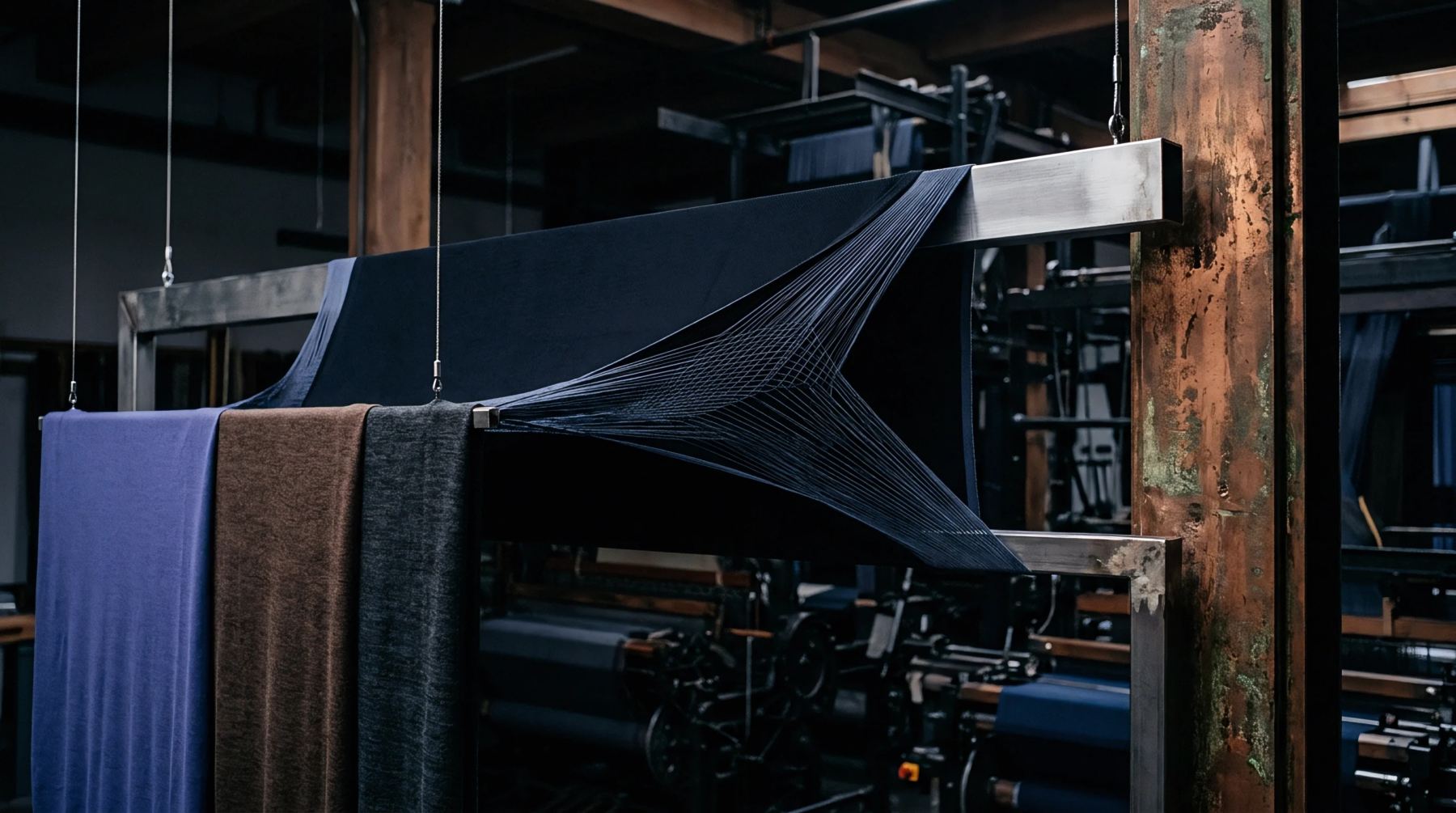
The spacing of the vertical metal wires in a loom’s reed determines the width and horizontal thread density of the woven fabric. Weave planners specify reed density to control the distribution of the warp ends before the weaving process begins. This mechanical setting represents the number of dents per unit length across the reed bar.
It acts as the primary physical constraint on the fabric width and the maximum warp density that can be achieved on the loom.
Fabric Influence
Fabric influence is seen in how the spacing of these wires dictates the final properties of the finished cloth. If the reed has too few wires per inch, the warp yarns will be spread far apart, resulting in an open, lightweight fabric that may be unstable. Conversely, a high reed density compresses the warp yarns closer together, creating a thick, heavy structure with excellent mechanical strength.
This selection is critical for ensuring the fabric meets its technical specification sheet.
Density Calculation
Density calculation is based on the number of warp ends required in the fabric and the number of yarns drawn through each individual dent. For example, a reed with twenty dents per inch can accommodate forty warp ends per inch if two yarns are drawn through each dent. This calculation allows weavers to adjust the final fabric density without buying new reeds for every design.
It provides a highly flexible method for varying the yarn count on a single loom setup.
Production Control
Production control requires regular audits of the reed to prevent wear or build-up from damaging the warp yarns during weaving. Damaged reed wires can cause uneven yarn spacing or yarn breaks, resulting in long-running warp defects that ruin the fabric roll. Maintainers clean and inspect the reeds between runs to ensure consistent fabric quality.