Alkali Penetration Kinetics in Viscose Crepe Yarn Wet Processing
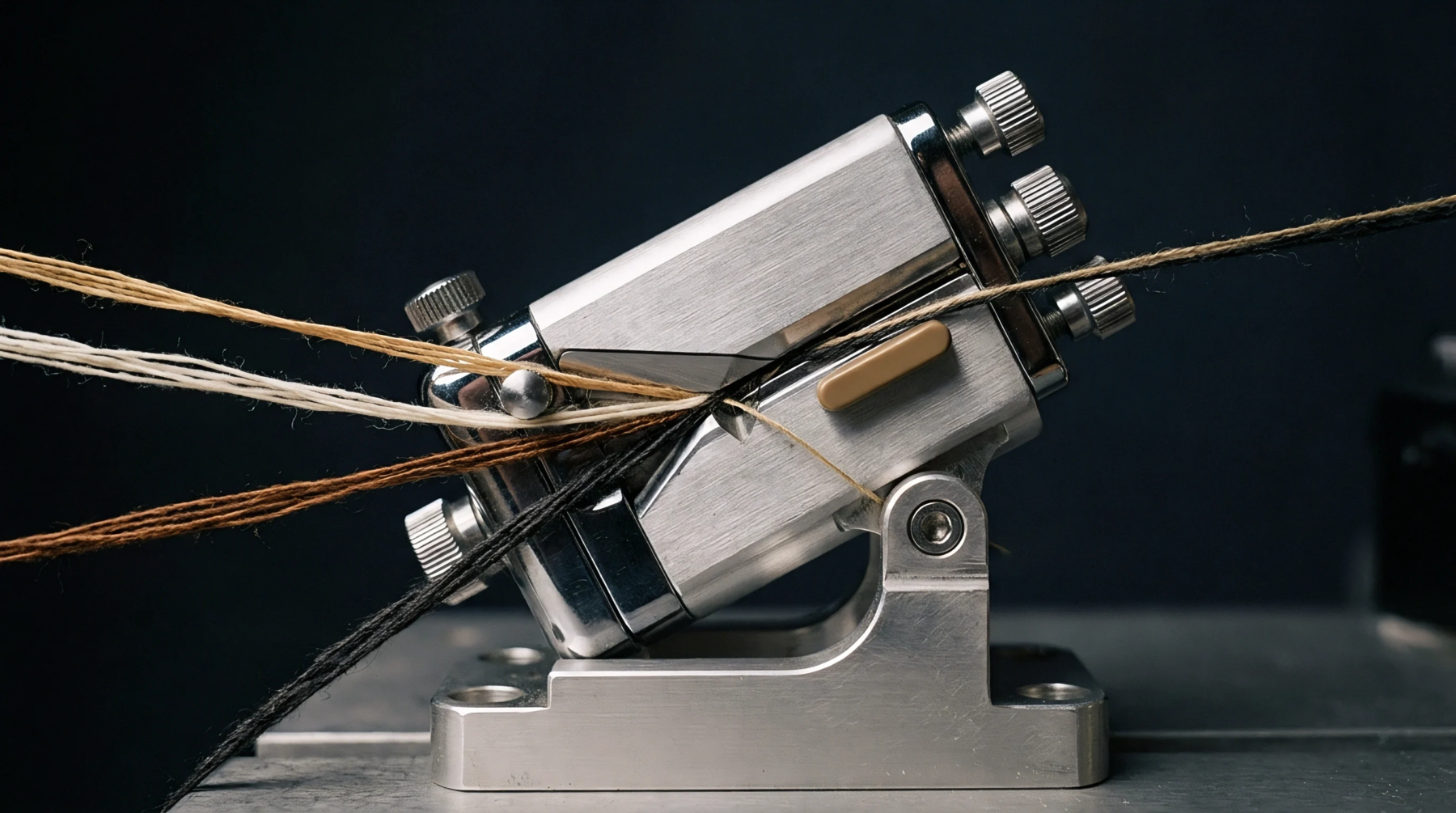
Caustic penetration kinetics govern torque release in high-twist viscose crepe yarns, where incomplete core swelling produces ring dyeing and dimensional instability.

Caustic penetration kinetics govern torque release in high-twist viscose crepe yarns, where incomplete core swelling produces ring dyeing and dimensional instability.

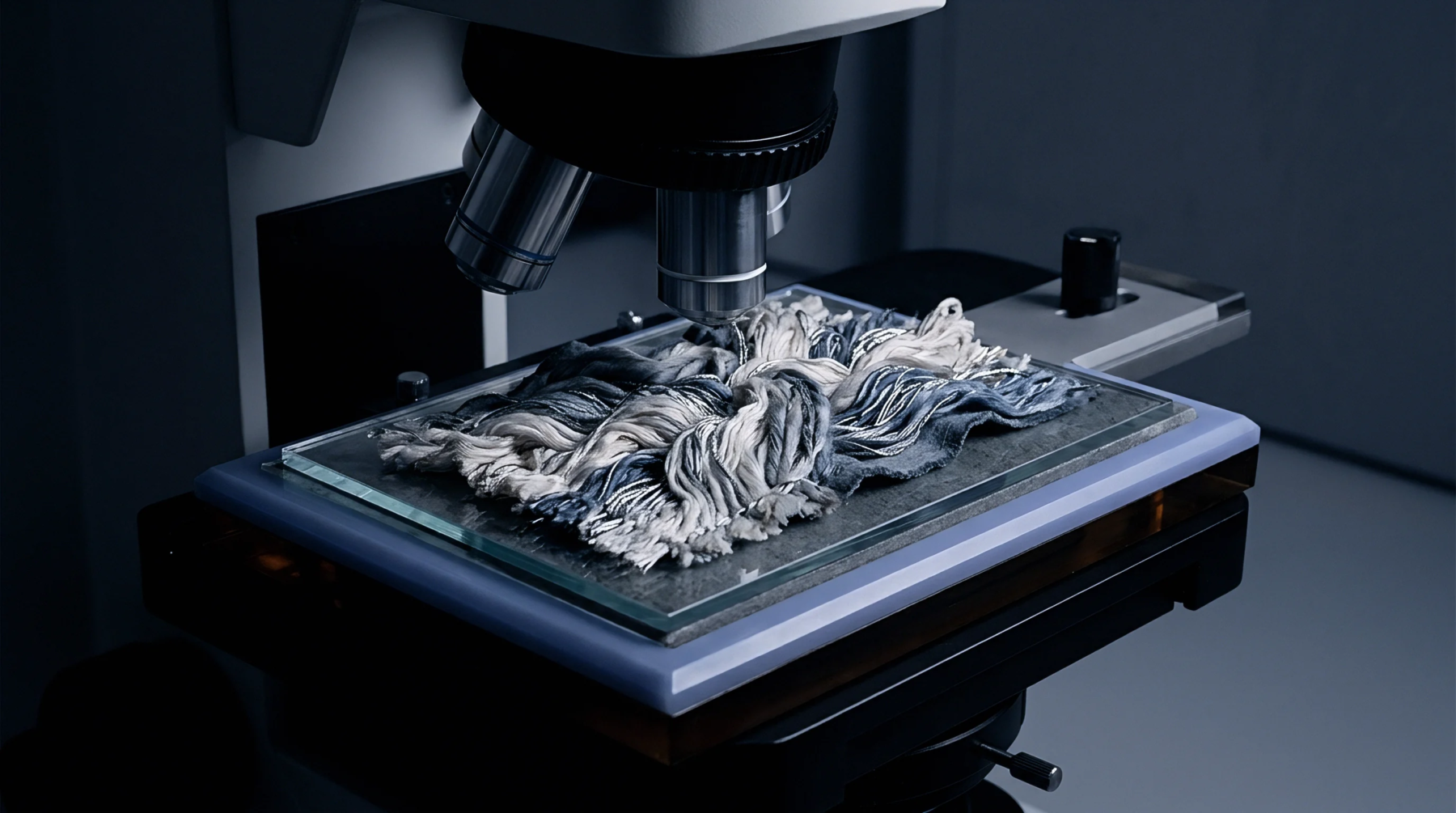
Cross-sectional profiling verifies internal fiber dye diffusion to prevent fastness failures caused by ring dyeing in fine synthetic yarns.

Caustic mercerization lowers dye activation energy to 38 kJ/mol, requiring precise salt ramps below 60 g/L to prevent core unlevelness in package dyeing.
Bayesian headspace gas chromatography quantifies volatile solvent compliance by combining historical batch priors with chromatogram peak variance models.

Swollen cellulose pore geometry dictates reactive dye diffusion rates, where unbalanced fixation alkali triggers ring dyeing and catastrophic rub fastness loss.

Oven dry mass determination isolates clean binary cellulosic ratios through thermal desiccation and selective chemical dissolution before applying statutory regain.

Container heat and moisture drive DMDHEU crosslink hydrolysis, elevating textile formaldehyde and requiring destination-based warranty terms and scavengers.

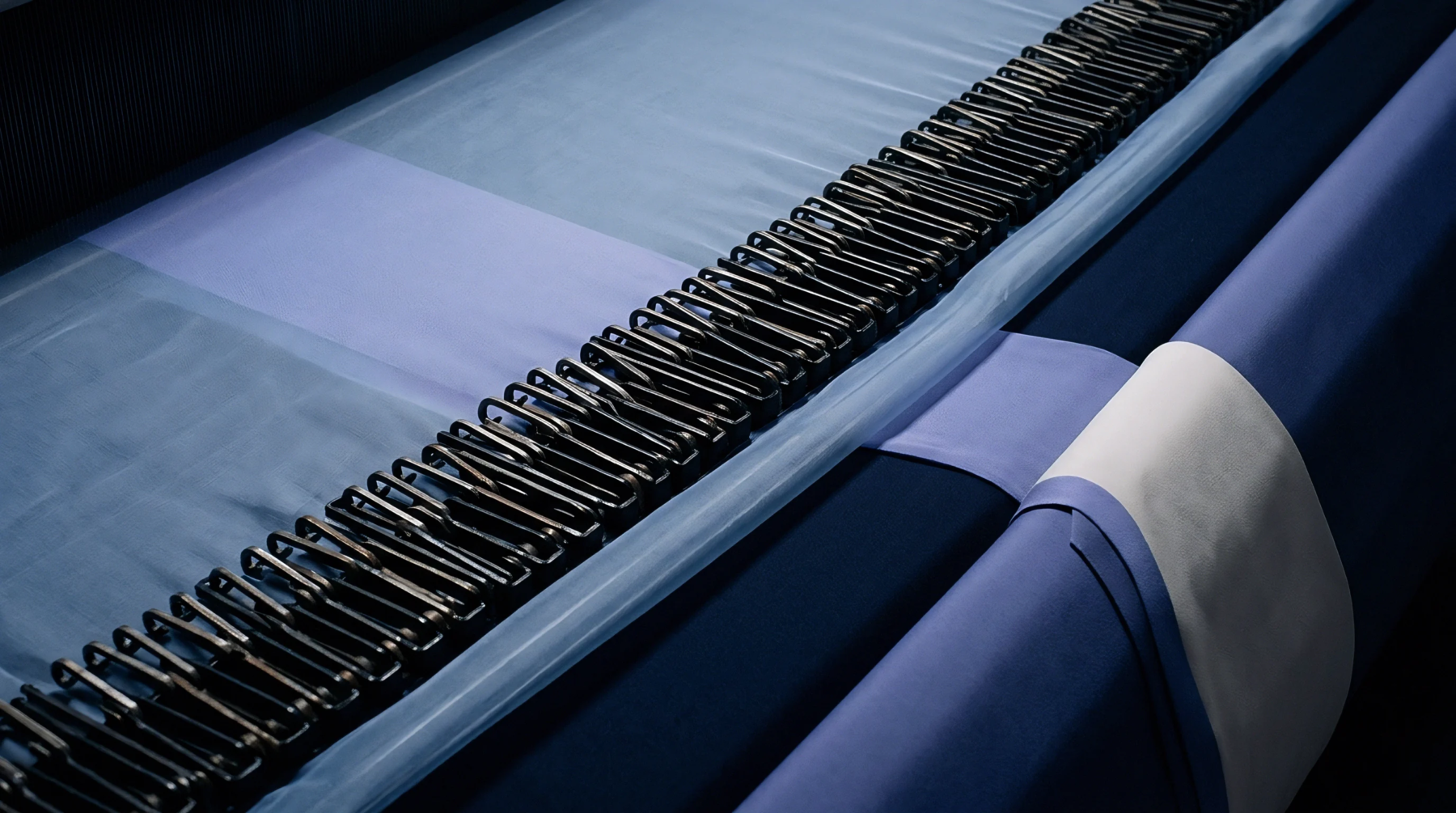
Hermetic foil containment at the tenter exit coupled with calibrated static headspace gas chromatography prevents false negative solvent compliance results.

Cyclic strain accelerates hydrothermal cleavage in polyether elastane microfilaments by lowering activation energy and expanding water diffusivity.

Commercial regain allowances convert variable net delivered fiber weight to an invariant billing mass calculated from laboratory oven-dry cellulose.

Textile formaldehyde volatility testing requires matching vapor or liquid methods to transit conditions, fiber chemistry, and target market regulations.

Melt degassing extracts low-boiling contaminants through thin films, while cyclic oligomers and heavy migrants resist vacuum removal and demand feedstock control.

Hydrolytic chain scission in elastane follows temperature and pH-dependent Eyring kinetics, destroying core filament recovery unless bath conditions match polymer chemistry.

Quantifying spin finish decomposition requires isokinetic sheath sampling coupled with dual-solvent extraction to capture both volatile and cross-linked fractions.

Micro deposits on vortex spinning collector tips increase fiber friction, disrupting wrapper formation and escalating Zweigle s3 hairiness and fabric pilling.

Pressurized jet dyeing degrades polyurethane via hydrothermal cleavage; capping bath temperatures at 125°C and maintaining pH 5.0 preserves elasticity.

Kinetic modeling predicts cyclic trimer volatilization and end group formation during rPET extrusion to optimize vacuum degassing and prevent die plate-out.

Permanent set in high-gauge knits is minimized by maintaining 188-192°C core dwell for 12-15 seconds with 22-28% overfeed to prevent irreversible plastic loop strain.

Dual nozzle air spinning forces finer fibers into yarn sheaths, creating radial composition gradients that distort surface durability and customs declarations.
Polyethylene terephthalate decontamination requires vacuum below one millibar and moisture under thirty parts per million to limit extrusion viscosity drops to 0.03 dL/g.

Polyether elastane hydrolysis kinetics accelerate exponentially above 80 C, demanding strict pH control and extracted core tensile tests to prevent latent bagging.

Aerodynamic shear inside vortex chambers strips spin finishes, causing spindle deposits, wrapper loss, and high yarn hairiness unless viscosity is maintained.

Differential pneumatic stripping removes short cotton fibers faster than polyester, altering yarn composition by two percent and shifting tariff lines.

Reconciling mass-balance ledger discrepancies requires adjusting virtual allocations directly to invoice dry weights, netting out spin finishes and moisture.
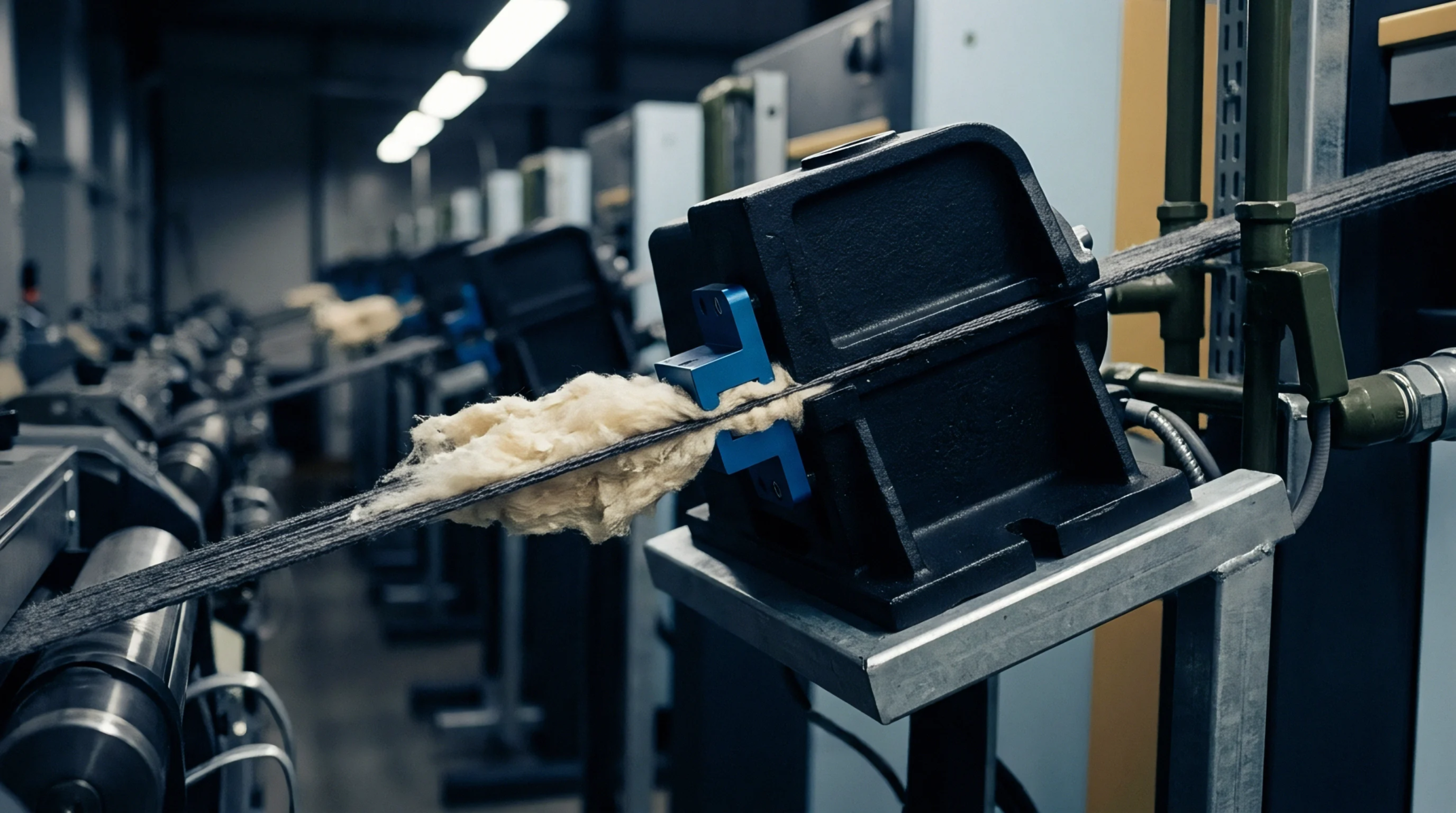
Differential aerodynamic stripping in air jet spinning ejects short cotton fibers, skewing intimate mixture ratios and altering delivered yarn costs.

Predictive gravimetric modeling pre-adjusts sliver blend ratios to counteract selective aerodynamic fiber waste, ensuring exact finished yarn composition.

Cross-border multi-site credit transfers fail customs clearance because statutory border agencies demand batch-level physical traceability over virtual ledgers.

Vortex spinning waste falls from eight percent in combed cotton to one percent in polyester as synthetic staple tenacity resists nozzle air drag.

Thermal fixation of polyamide elastane requires 188 to 195 degrees Celsius for 15 seconds to hold shrinkage under 3 percent without elastic recovery losses.

Cotton sliver length distribution parameters dictate drafting wave severity, hook reversal efficiency, comber noil waste cost, and ring yarn break rates.
Expertise is a utility, not a secret. sentiention™ publishes its working knowledge as open reference: intelligence layer covering the materials it sources, the markets it enters, and the reference that serves both.