
Quantitative Assay Procedures for Dimethyl Terephthalate Recycled Grade
Assaying recycled dimethyl terephthalate requires combined gas chromatography and spectroscopic determination of ester purity, aldehyde isomers, and metal residues.

Assaying recycled dimethyl terephthalate requires combined gas chromatography and spectroscopic determination of ester purity, aldehyde isomers, and metal residues.

Dynamic headspace desorption mapping reveals center-roll aprotic solvent concentrations up to 80 percent higher than selvedges, risking REACH border detentions.

Accurate GC-MS quantitation of dimethylformamide in polyurethane roll goods demands complete polymer swelling in solvent to extract bound residual solvent prior to border testing.
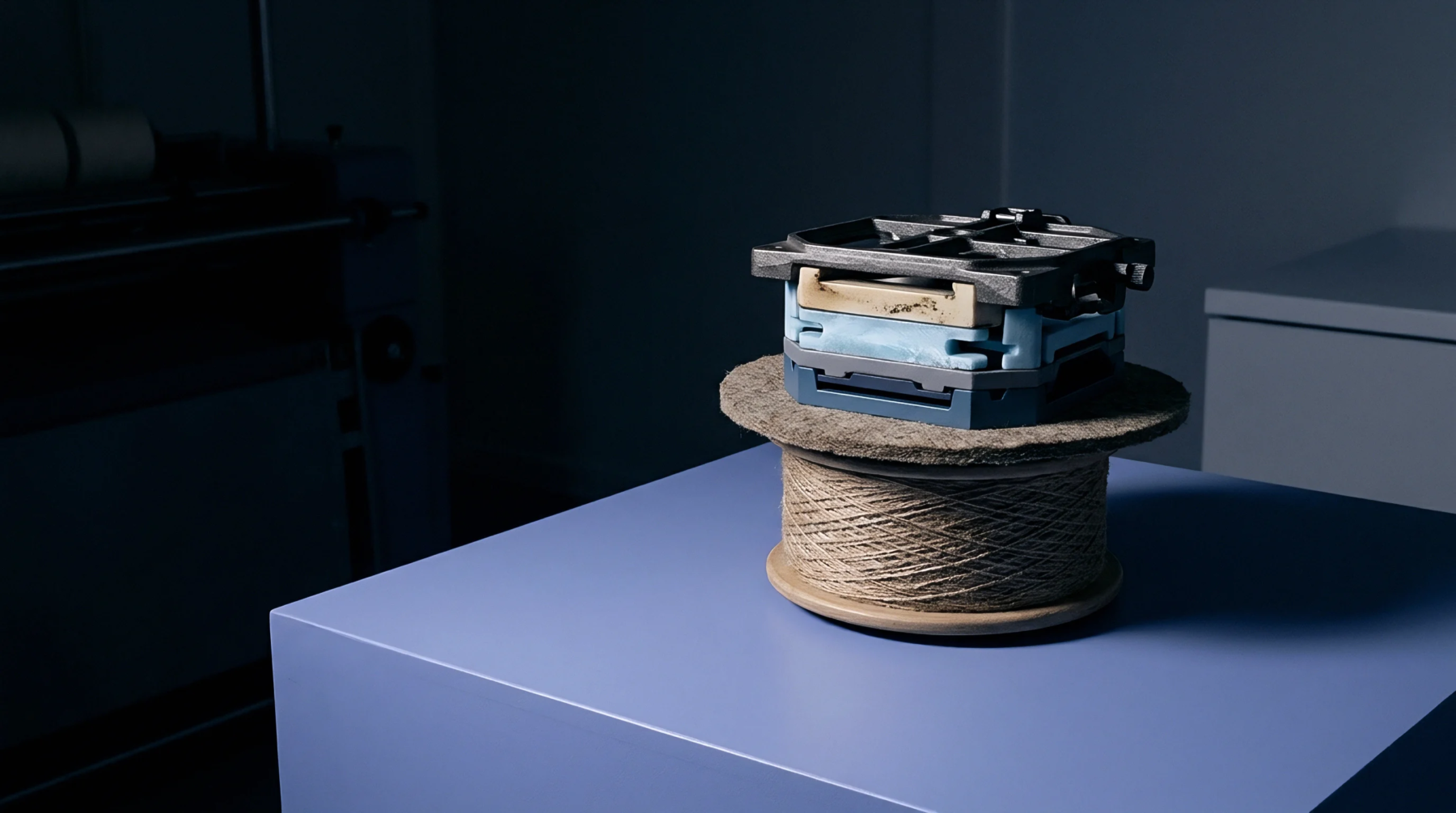
Core retraction in stretch yarn is controlled through calibrated draft ratios, uniform spinning triangle tension, and precise stenter heat setting.
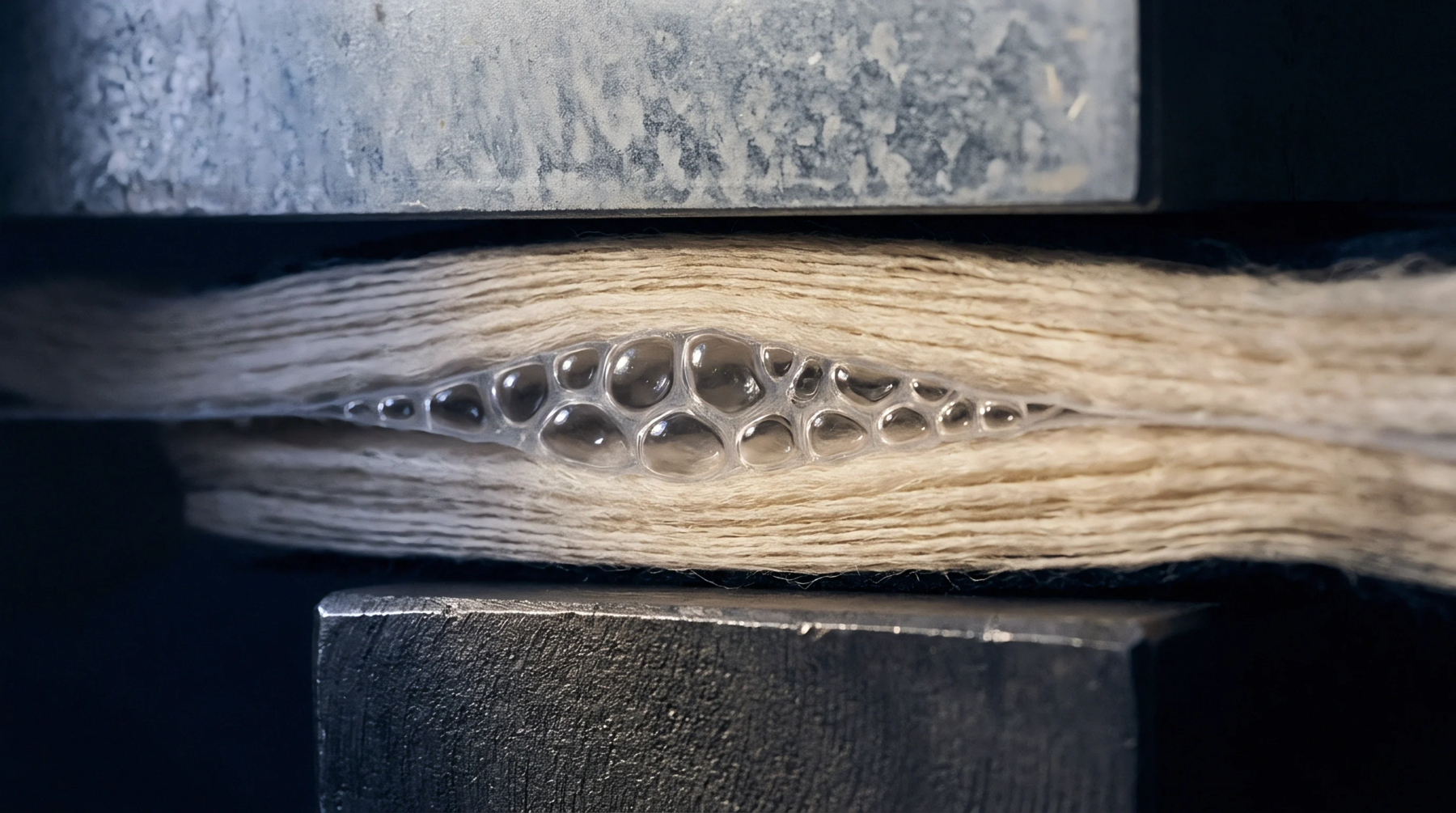
Predictive mass balance models isolate dry chemical add-ons during quantitative testing to protect declared fibre blend ratios under customs audits.

Scouring losses and stoichiometric water addition must be calculated on an oven-dry basis to prove actual synthetic fiber weight for tariff verification.
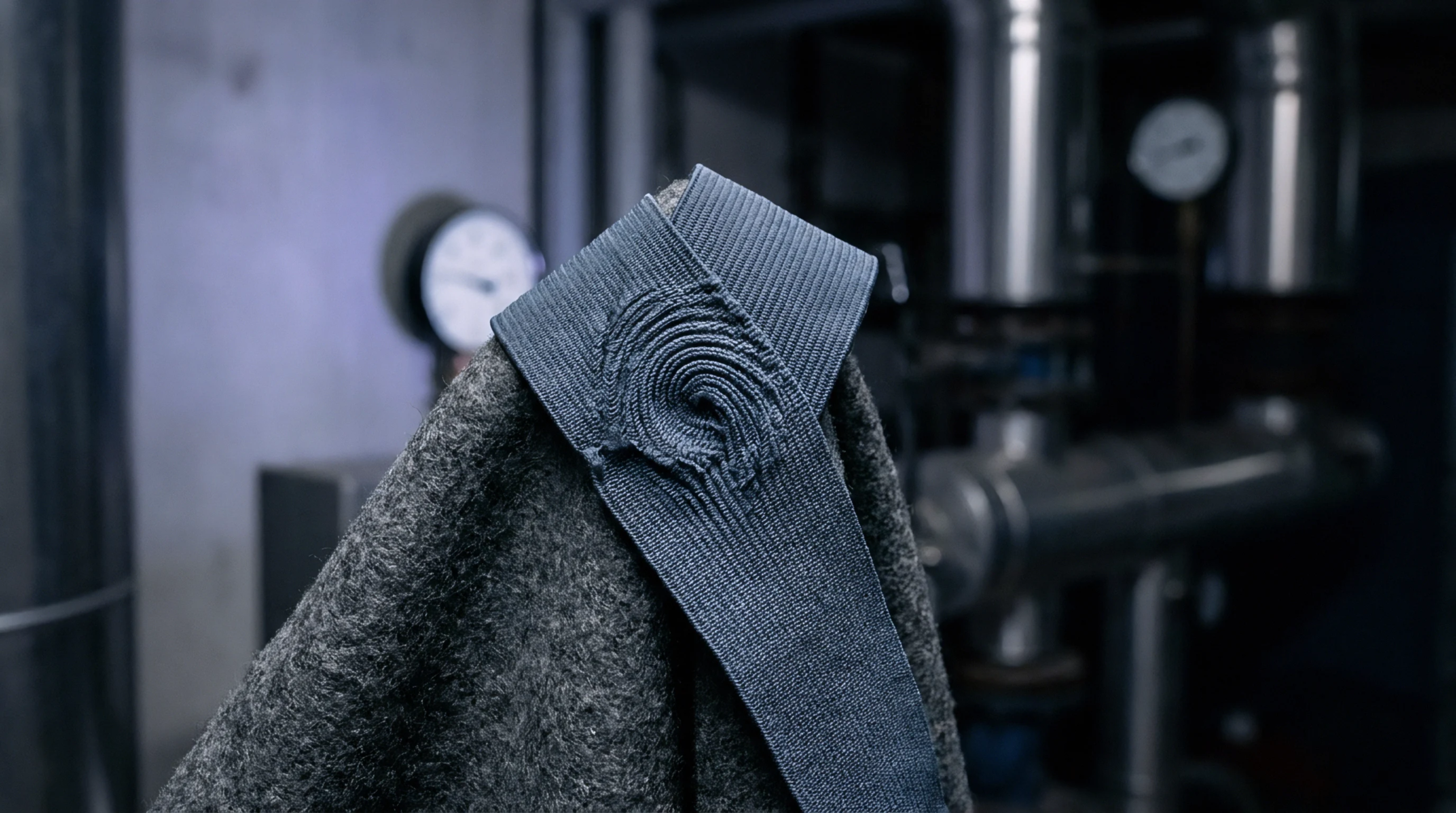
Commercial moisture regain calculations convert oven-dry clean mass into billable weight, preventing buyers from paying fiber prices for absorbed water.

Verification of nonlinear fabric contraction requires measuring core elastomer relaxation alongside sheath thermal shrinkage under controlled humidity and heat.
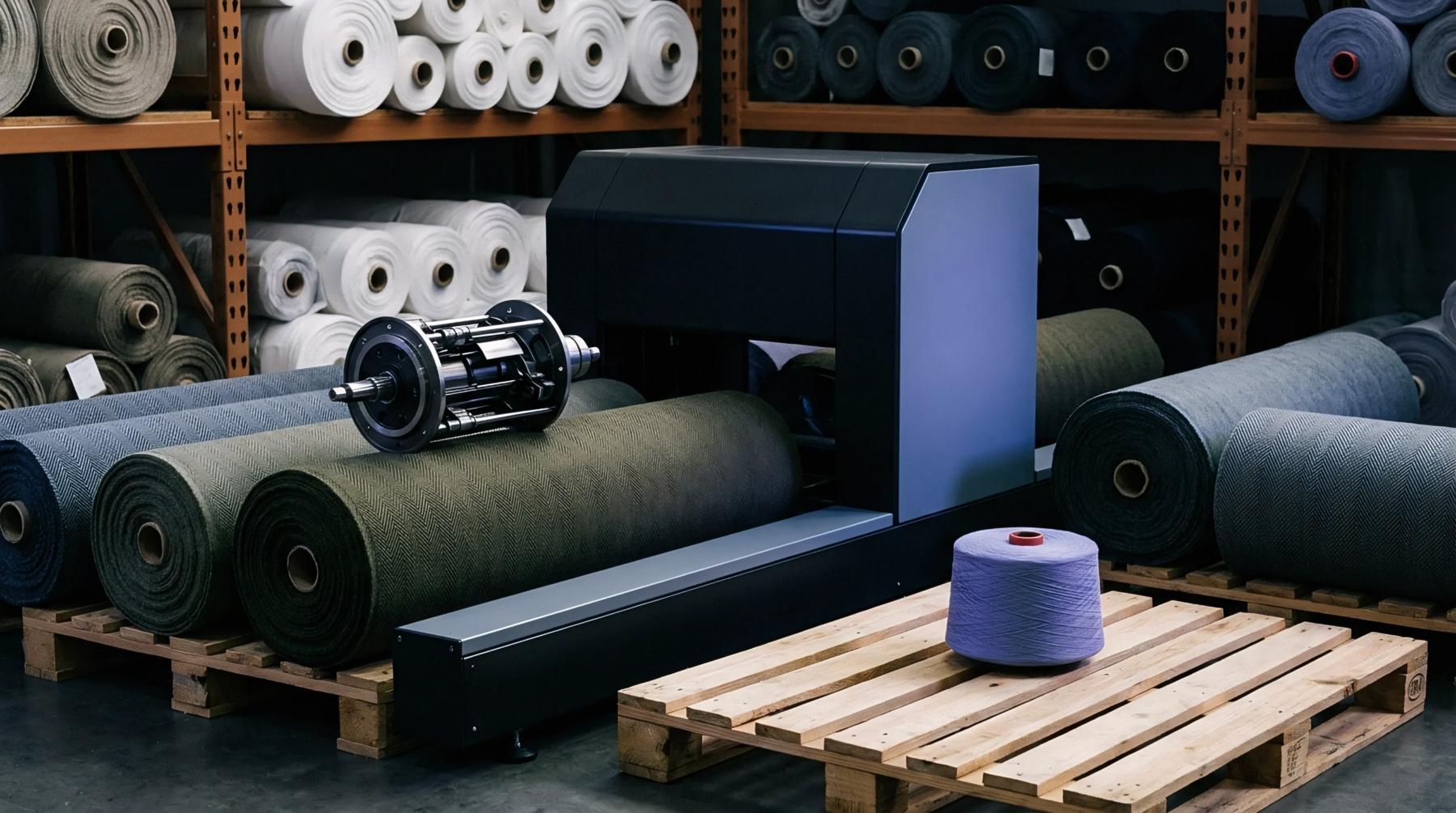
Active digital valve throttling stabilizes liquor circulation and port pressure balance across rapid heating ramps, preventing unlevel shade formation.
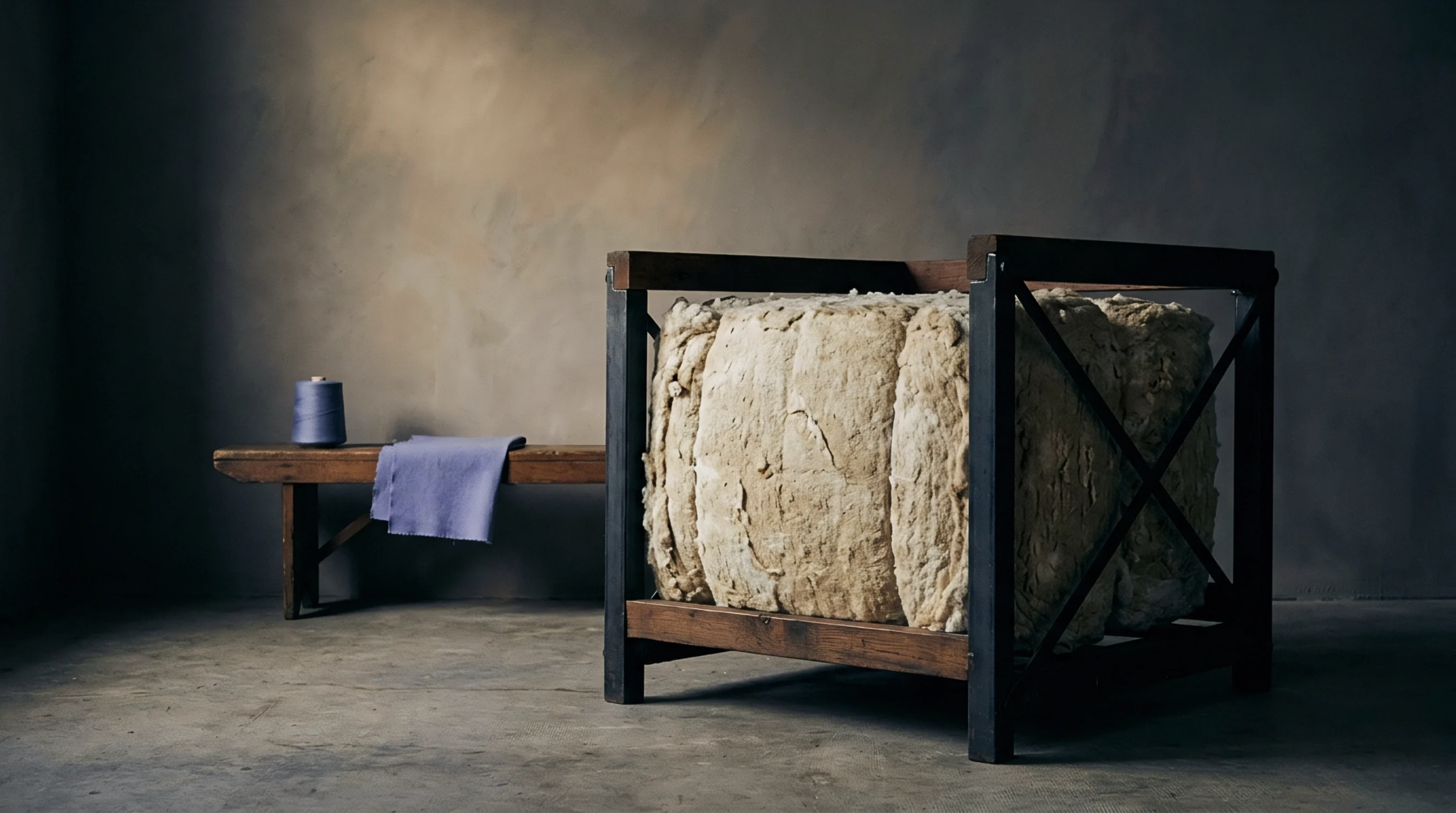
Differential contraction and soluble mass loss alter composition ratios, driving fabric dimensional collapse and shifting landed customs tariff lines.
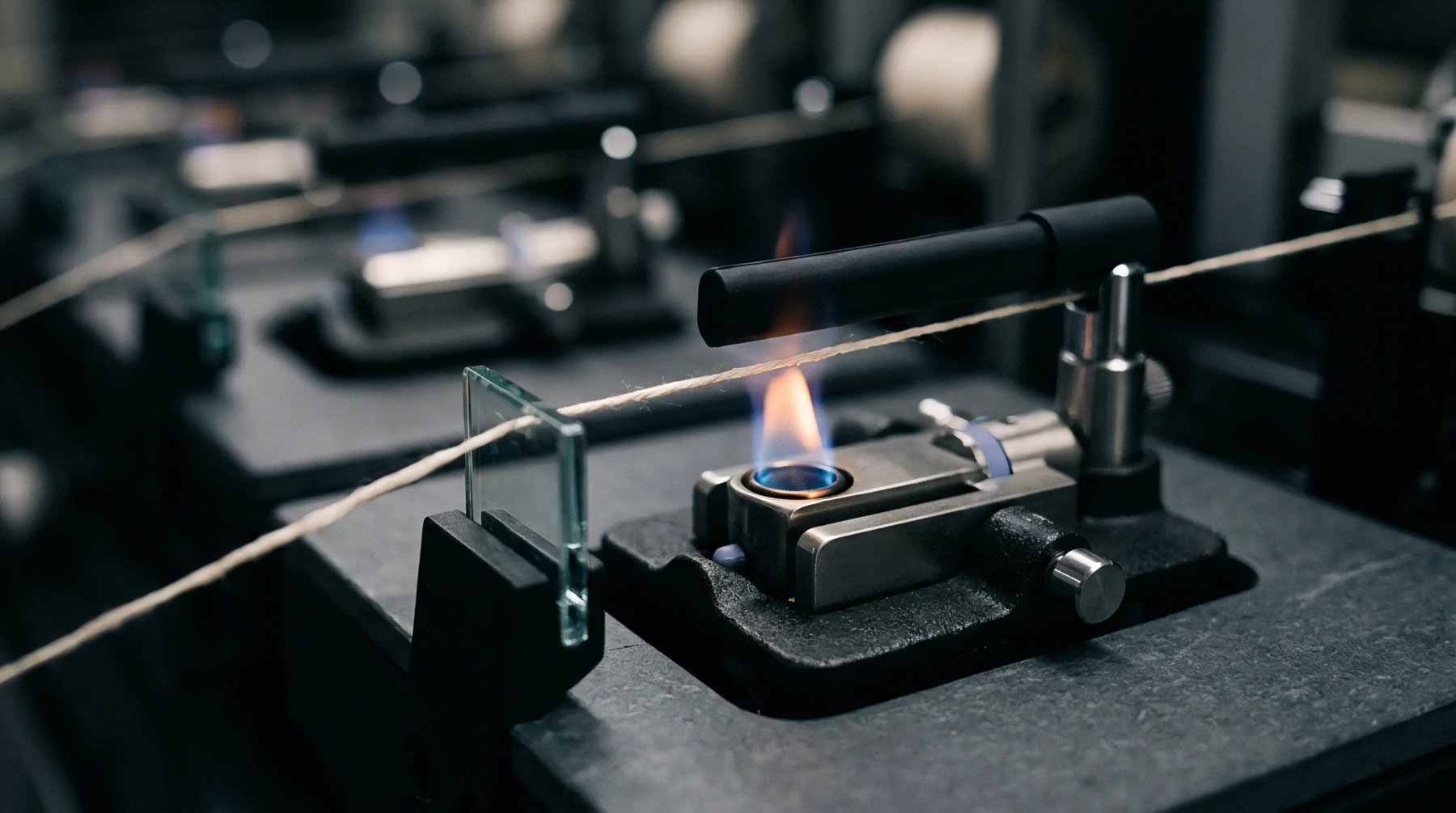
Standard testing for residual solvents uses headspace gas chromatography mass spectrometry to quantify polar aprotic carrier residues below regulatory limits.
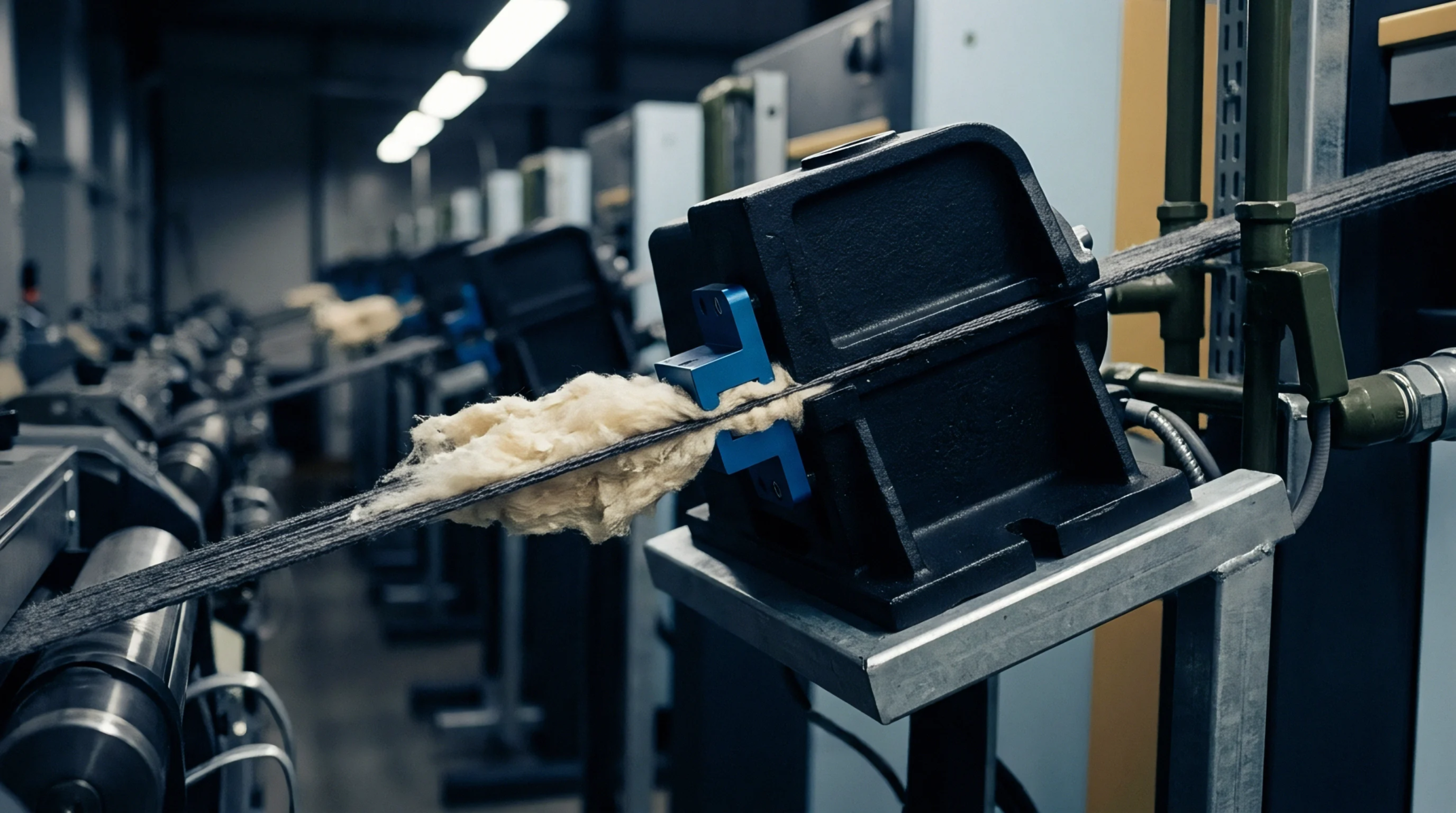
Static pressure cushions above saturation limits eliminate venturi nozzle cavitation during rapid thermal ramps in high temperature jet fabric dyeing
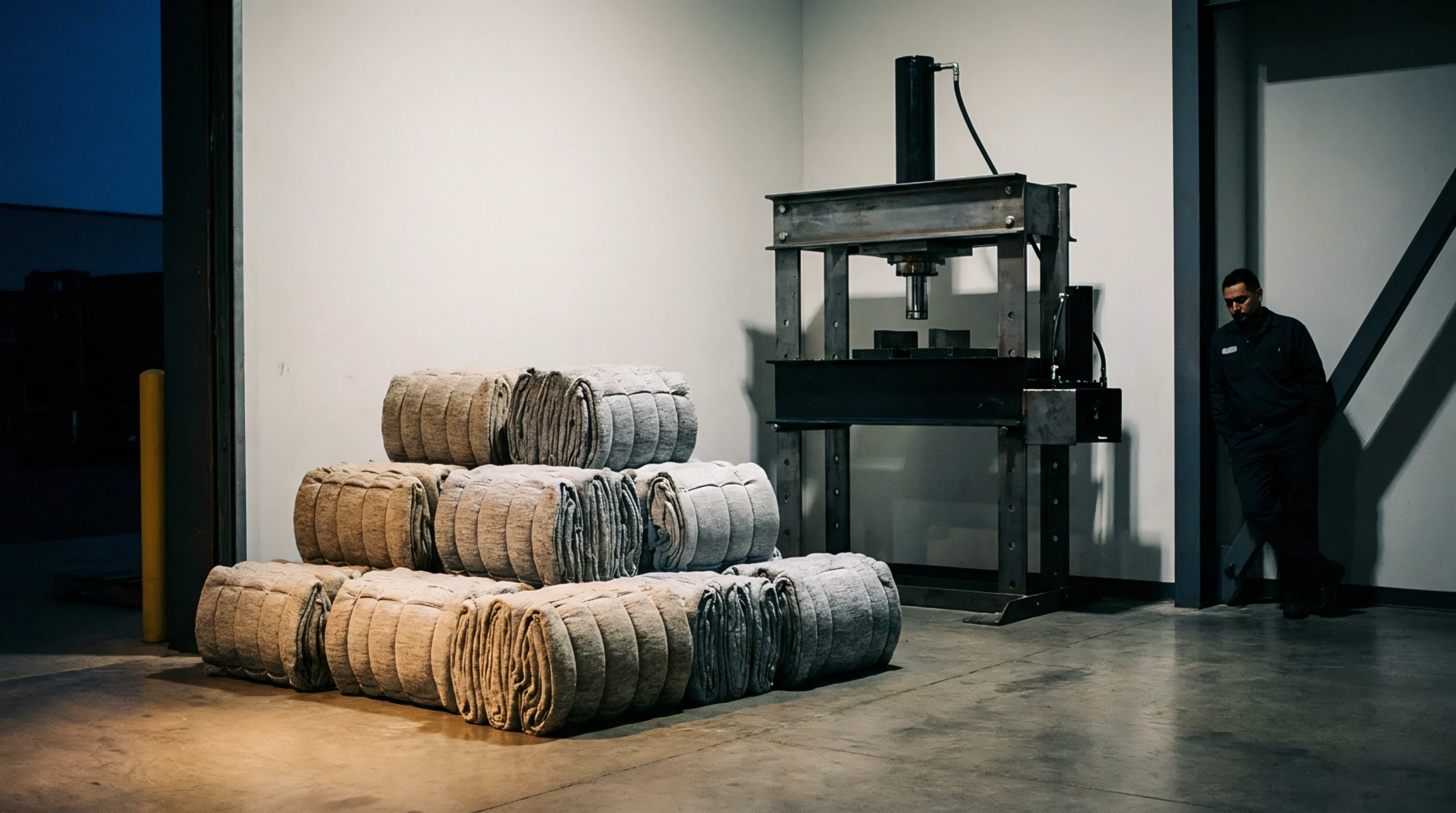
Symmetrical reverse-return pipe headers and calibrated orifice plates stabilize nozzle pressure across parallel jet dyeing chambers to eliminate shade variance.
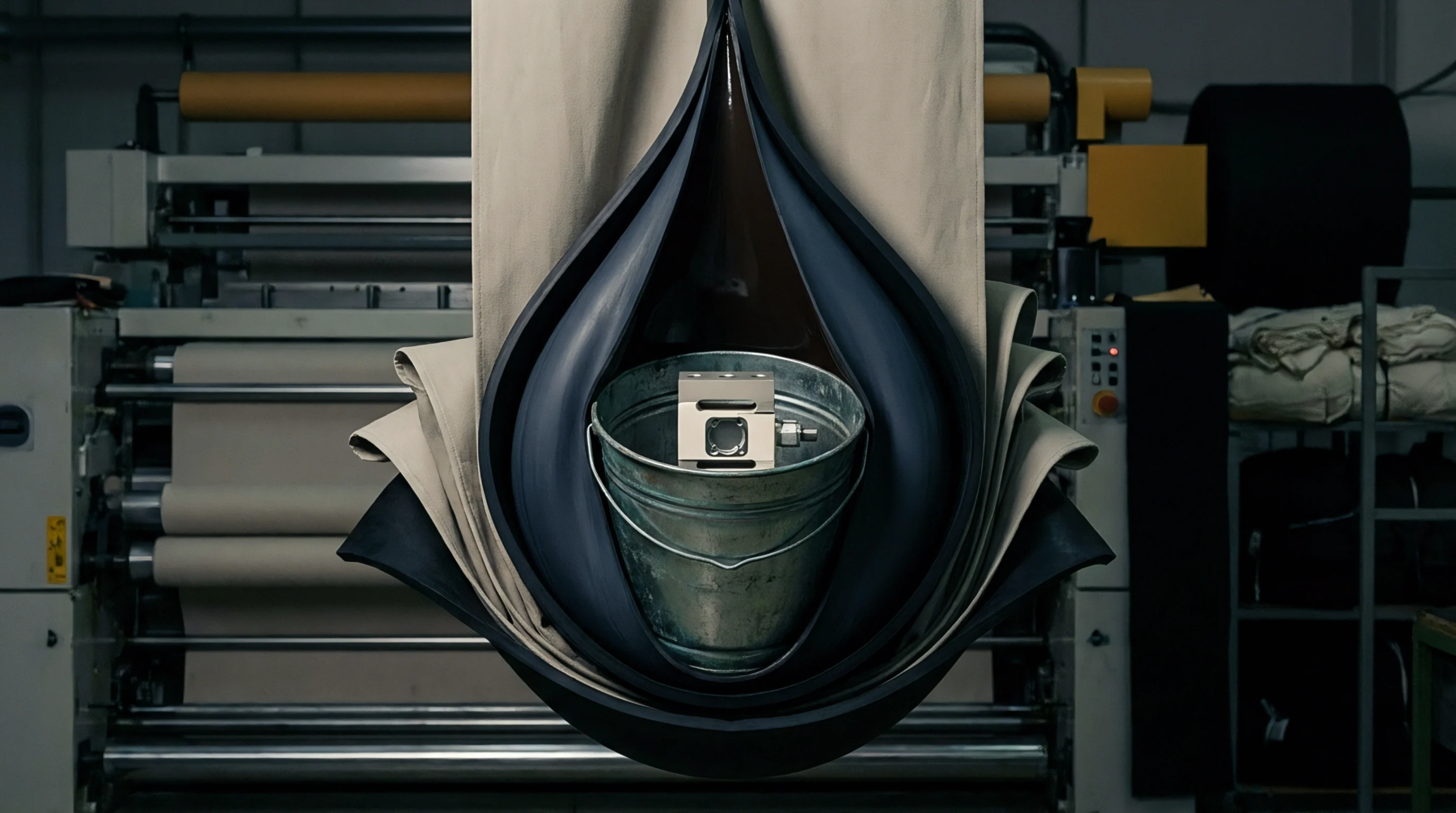
Wet processing dimensional contraction increases fabric weight per square metre, pushing imported textiles across critical tariff thresholds and triggering mandatory tariff reclassification.
Finishing compaction increases the relative dry mass density of shrinking fibres, shifting verified finished composition percentages past nominal greige specs.

Commercial moisture regain correction converts oven dry chemical dissolution values to legal customs chief weight percentages in borderline cotton blends.

Deriving grey yarn specifications requires compounding dry relaxation contraction, aqueous mass loss, and finishing stretch into linear density calculations.

Correcting dry solvent extraction weights with standard commercial regain percentages prevents improper customs reclassification and tariff penalties on viscose mixes.
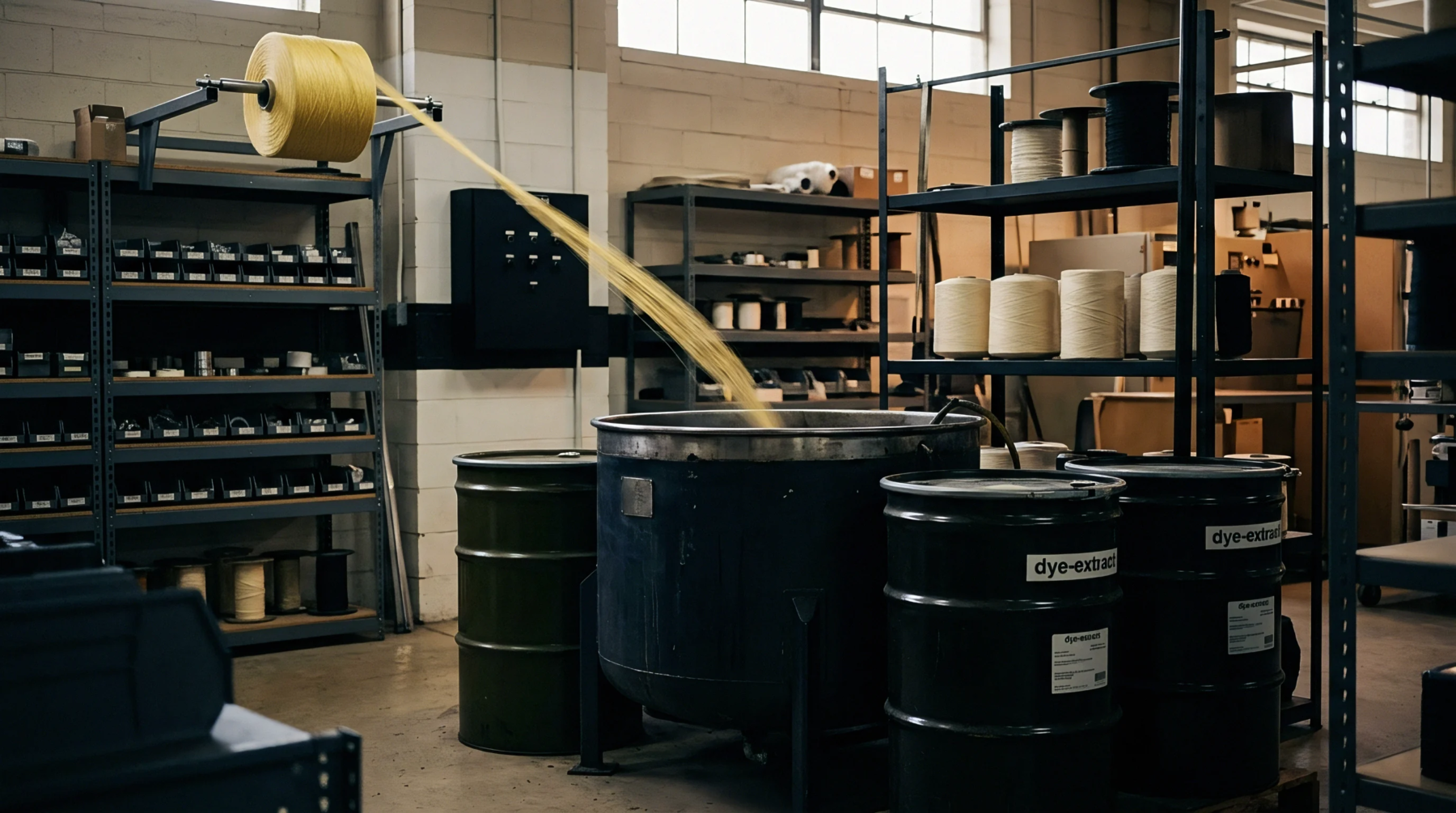
Dynamic viscosity shifts in concentrated dye liquors disrupt multi-chamber circulation flow, requiring real-time shear monitoring to secure level bulk dyeing.

Electromagnetic magmeters with PFA linings provide accurate dyebath velocity monitoring at 130°C while differential pressure taps require purge lines.

Solid state sensors need high salt ionic strength matched calibration and polymeric reference junctions to prevent liquid junction fouling in reactive dye baths.

Double-junction glass electrodes combined with Gran plot transformations eliminate high-electrolyte junction errors during automated reactive dyebath titrations.
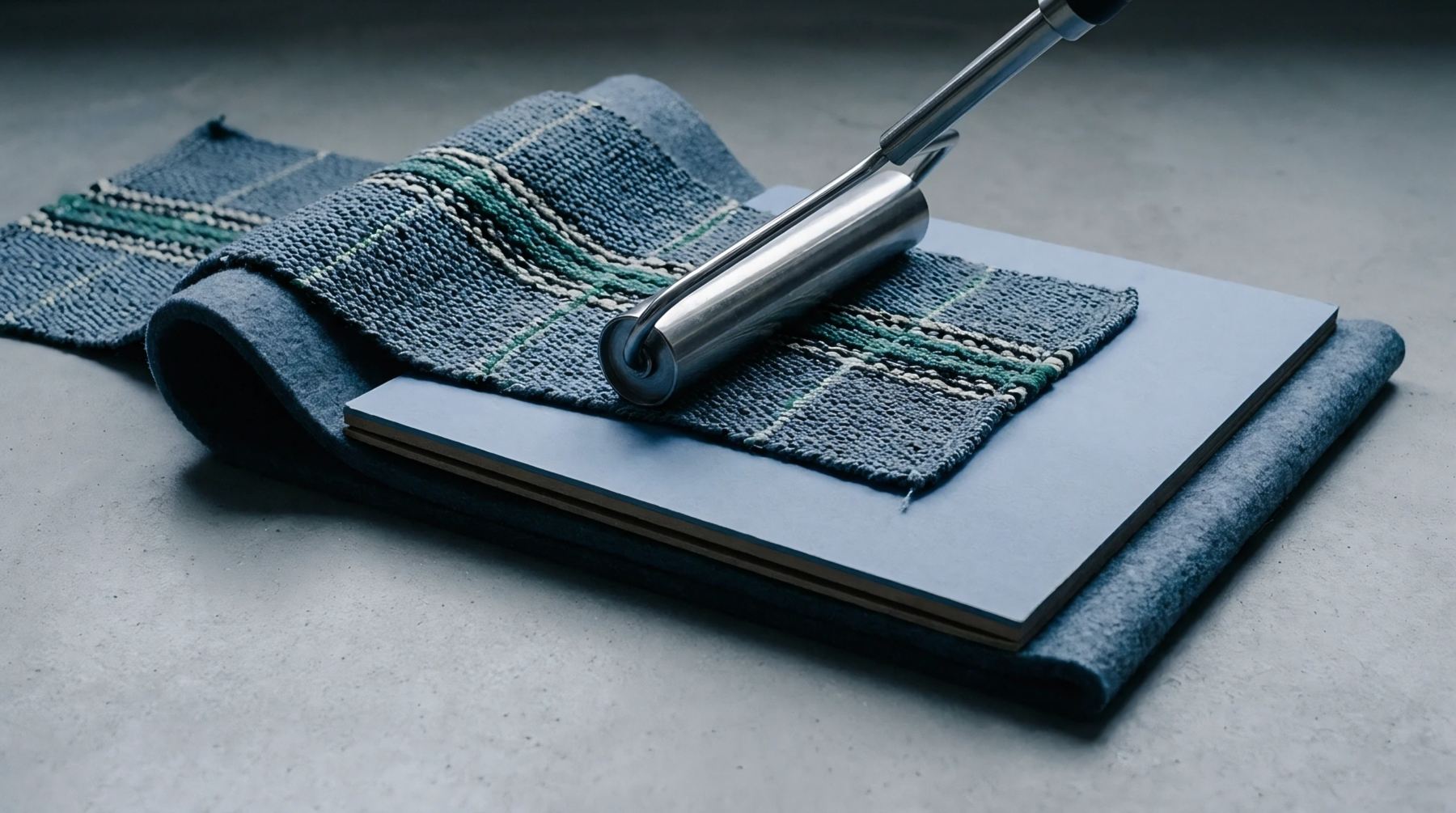
Differential pressure balancing across multi tube soft flow dyeing machines prevents tube to tube shade variation and physical fabric surface abrasion.

Active alkali control in dye baths relies on potentiometric activity measurement over total chemical dosing to optimize dye fixation and prevent hydrolysis.

Enzymatic PET depolymerization batch verification requires logging water delta 18O to bound ester cleavage fractionation drift against virgin monomer profiles.

Dynamic hydrodynamic balancing synchronizes venturi liquor velocity with lifter reel speed, eliminating shear pilling and rope marks on micro denier synthetics.

Reverse return manifolds equalize hydraulic path length across all tubes, eliminating pressure differentials and ensuring uniform dye liquor turnover.
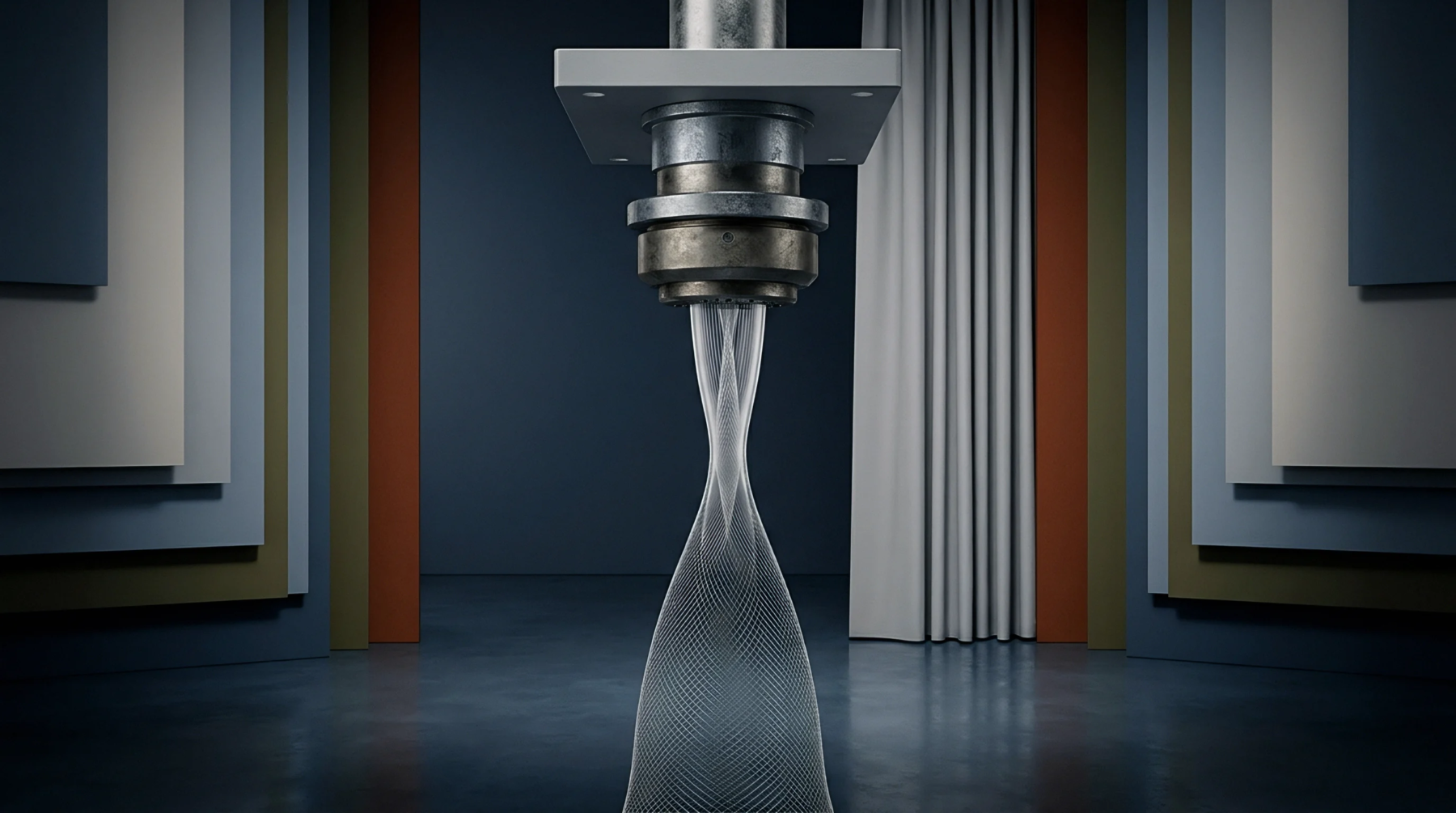
Nozzle pressure drop sets hydraulic draft force, where differential tuning between 0.2 and 0.8 bar balances fabric transport speed against surface abrasion.

Continuous flow isotope mass spectrometry proves chemical recycled PET monomer authenticity by detecting oxygen-18 depletion and carbon-13 mixing ratios.

Dense greige setts contract predictably under wet processing when modeled using yarn jamming thresholds, hydrodynamic bath drag, and swelling crimp interchange.
Expertise is a utility, not a secret. sentiention™ publishes its working knowledge as open reference: intelligence layer covering the materials it sources, the markets it enters, and the reference that serves both.