Stretching Constant
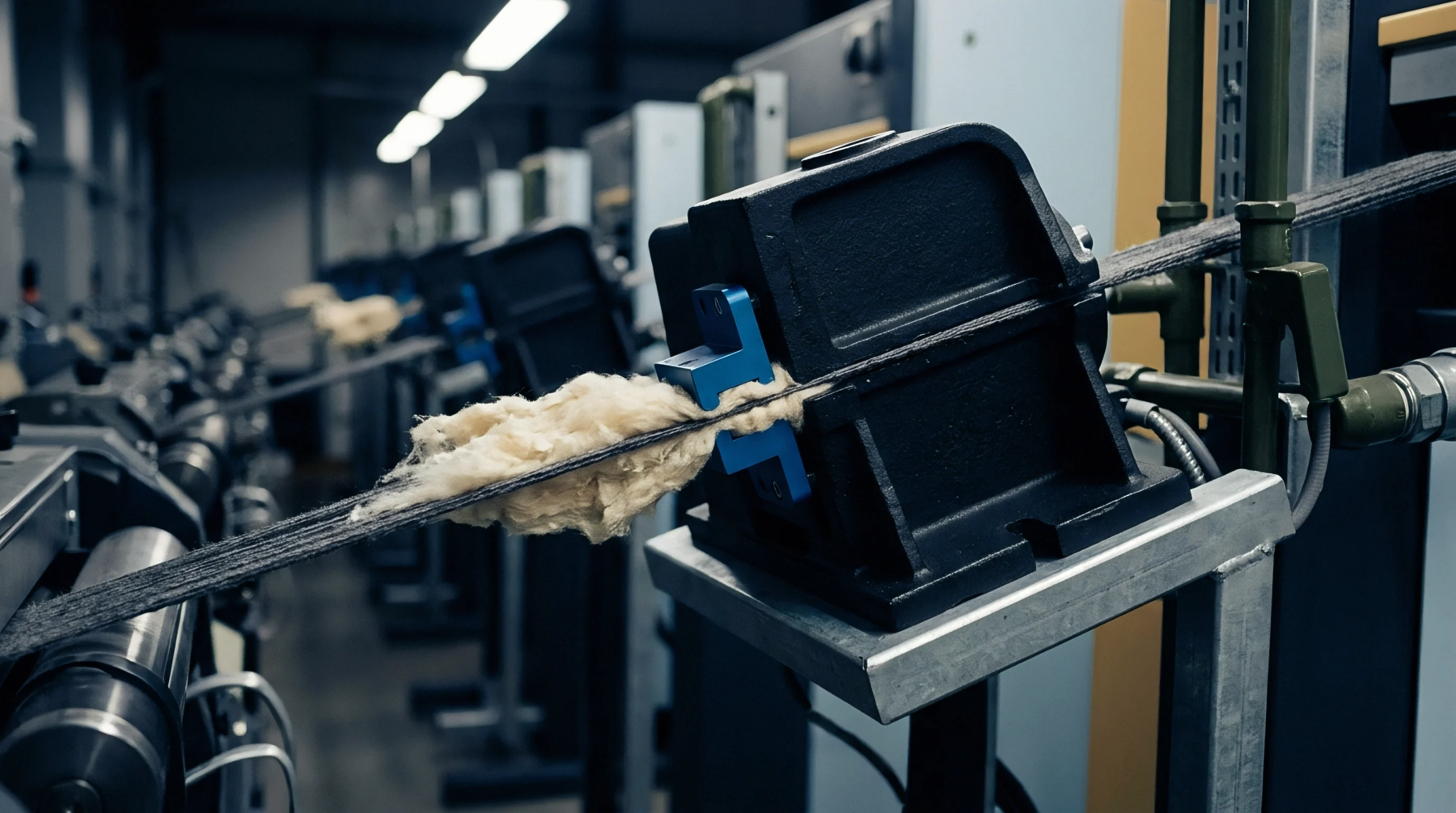
Extension measurement characterizes the elastane draft ratio, a value defined by the ratio of the output speed of a spinning frame to the input speed of the elastomer filament during the yarn formation phase. This numerical relationship governs the degree of tension applied to the synthetic core before it integrates with the surrounding sheath fibres. The calculation applies exclusively to composite core-spun yarns where a polyurethane filament sits under controlled strain.
Technicians calibrate this factor to manage the residual stretch properties of finished garments. Excessive elongation causes filament breakage within the yarn path, while insufficient tension leaves the core loose and prone to loop formation. Operators verify this performance index during the spinning setup by comparing surface speeds at the delivery rollers against the intake feed rollers.
Mills document the input and output velocities to maintain consistency across production runs of high-stretch denim and shirting fabrics.
Processing Baseline
Mechanical adjustments dictate how the elastane draft ratio influences the recovery force of a woven or knitted textile. Engineers manipulate the feed system to pre-stretch the elastomer to a predetermined percentage of its ultimate elongation capacity. Higher values decrease the linear density of the final yarn, which thins the product and alters the hand feel of the processed goods.
Fabrics containing yarns stretched beyond their optimal limit often exhibit poor dimensional stability after domestic laundering cycles. Production teams control this tension through gear changes or electronic motor synchronization on the spinning frame. A precise balance prevents puckering at the seam line while allowing the material to return to its original shape after frequent usage.
Laboratory quality managers validate the resulting fabric extension by performing cyclic testing on small samples cut from bulk batches.
Operational Variance
Production equipment configuration defines the consistency of the elastane draft ratio across different machine types. Ring spinning frames require rigorous synchronization of the drafting rollers to prevent inconsistent filament diameter. Friction variations between the elastomer and the delivery components alter the effective tension even when the machine speed remains constant.
Technicians compensate for these physical shifts by testing the yarn modulus in a humidity controlled environment. Any deviation from the target ratio indicates a failure in the mechanical feed system or a change in the physical properties of the incoming raw filament spool.
Market Standard
Quality specifications denote the elastane draft ratio as a critical parameter for verifying the performance of synthetic blends before shipping to apparel manufacturers. Commercial agreements typically stipulate a permitted range for this value to ensure predictability in the weight and drape of the final textile product. Suppliers submit test certificates that confirm the draft applied during yarn creation meets the technical requirements of the buyer.
Fabrics manufactured with an incorrect ratio fail to provide the intended stretch profile expected in modern performance wear. Precision in maintaining this constant remains the primary factor for achieving uniform fabric quality across diverse manufacturing batches.