Aerosol Emission
Droplet release from cooling towers and open washing basins represents a source of chemical dispersion in textile mills and finishing plants. In industrial finishing, process water drift occurs when water droplets containing dissolved dyes, salts, and processing chemicals are carried into the surrounding air by ventilation currents or steam plumes. This emission can contaminate the work environment and contribute to particulate emissions.
Controlling drift is necessary to maintain air quality and satisfy environmental regulations, especially in dense industrial zones.
Chemical Carryover
Dissolved solids and auxiliary agents remain in the water droplets as they escape from the treatment machines. When these droplets evaporate in the air, they leave behind fine chemical residues on machinery and surfaces. This can lead to corrosion of steel structures and contamination of dry fabrics.
Proper ventilation design helps to capture these aerosols.
Mitigation Technology
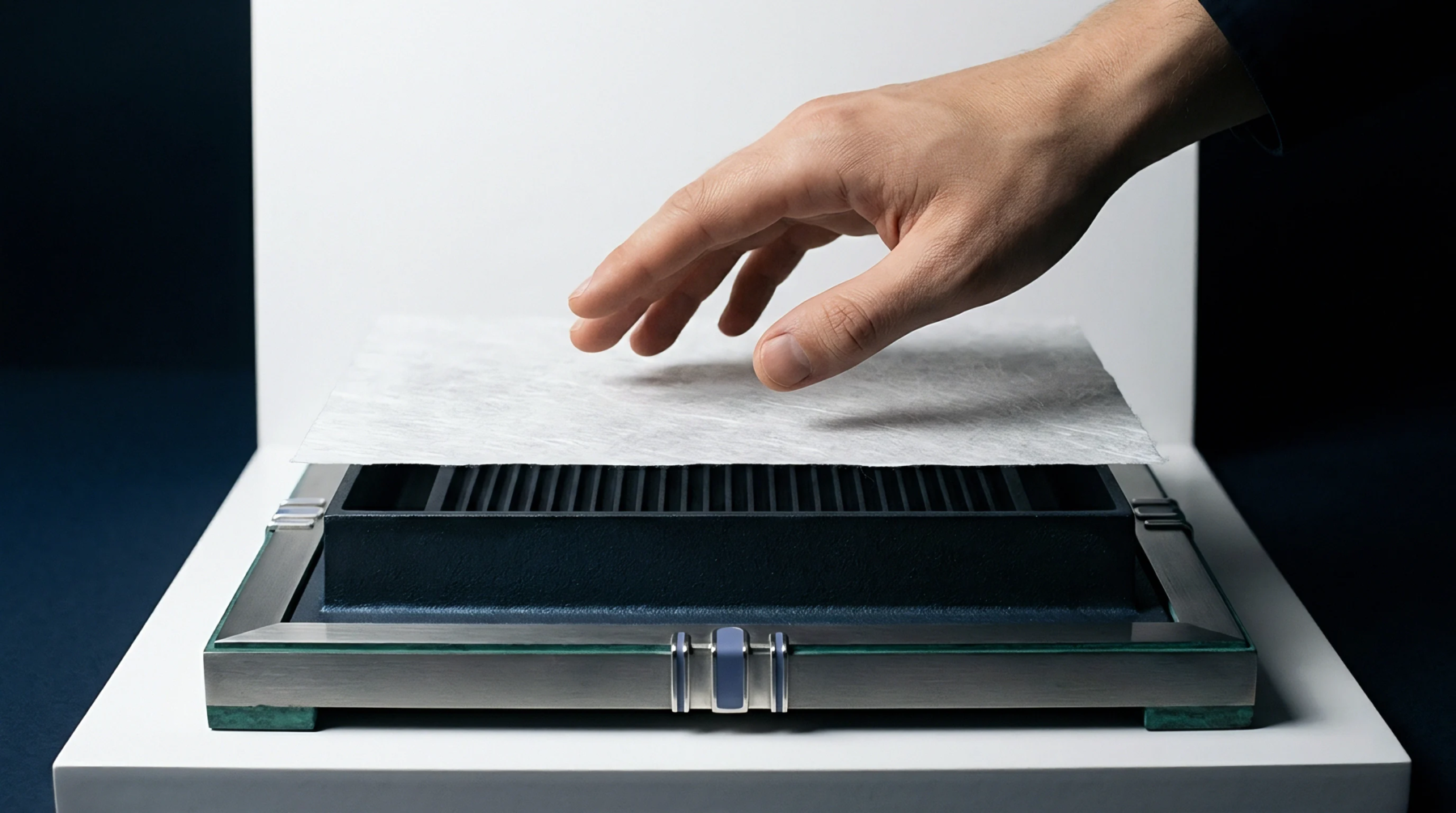
Drift eliminators and mist extractors are installed in exhaust stacks to trap airborne droplets before they leave the building. These devices force the air to change direction rapidly, causing the heavy water droplets to collect on baffle plates and drain back into the system. This recapture reduces chemical losses and environmental impact.
Clean exhaust protects the local area.
Monitoring Practice
Regular testing of air quality around the stenter frames and finishing lines identifies high aerosol concentrations. Mills use particulate counters to measure the volume of airborne droplets and ensure they remain below occupational safety limits. This monitoring protects workers from inhaling chemical residues.
Regular maintenance of mist eliminators ensures long-term effectiveness.