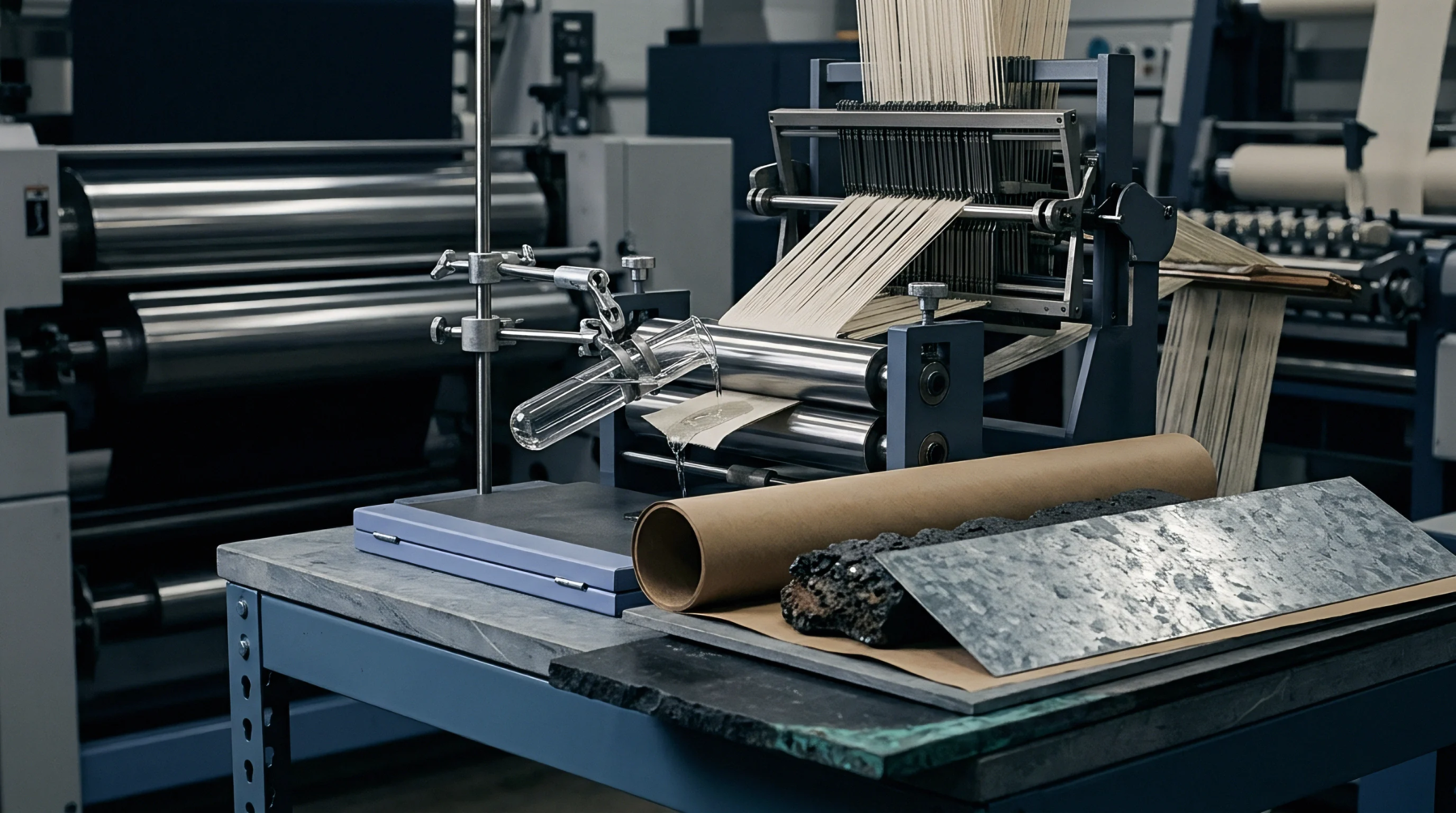
Verifying Subcontracted Laboratory Thermal Ramps for Textile Compliance Extractions
Auditing raw thermocouple log files from subcontracted laboratories prevents false negative compliance clearances caused by truncated thermal solvent ramps.

Auditing raw thermocouple log files from subcontracted laboratories prevents false negative compliance clearances caused by truncated thermal solvent ramps.

Establishing modified ISO 1833 extraction parameters requires acid pre-hydrolysis and calibrated d-values to ensure accurate gravimetric blend analysis.
Temperature coefficient corrections prevent false pH failure rejections in low ionic strength textile extracts under ISO 3071 and OEKO-TEX audits.
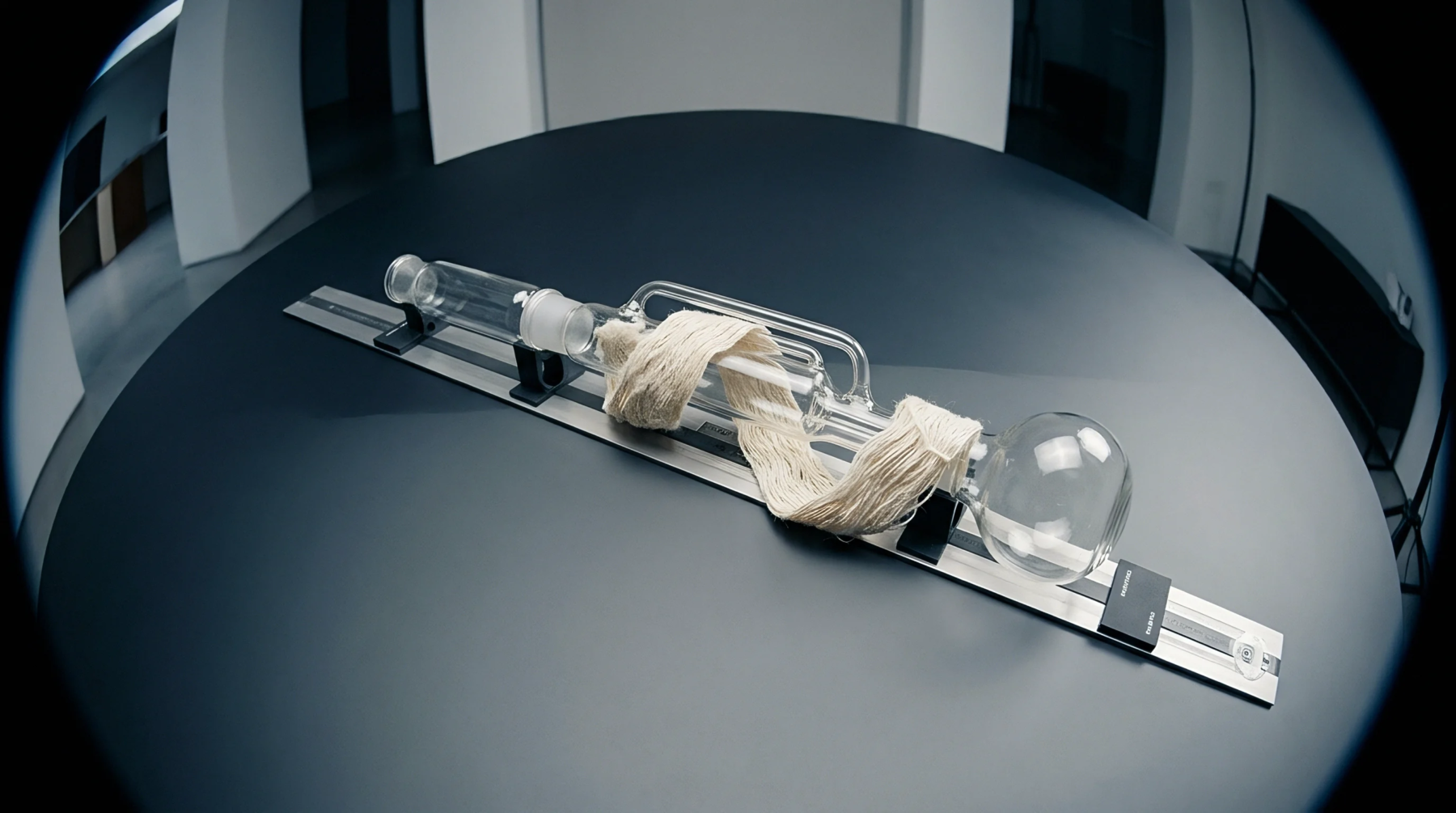
Statistical acceptance sampling uses ISO 3951-1 variables plans on conditioned HVI metrics to lower sample sizes and catch off-spec raw cotton lots.
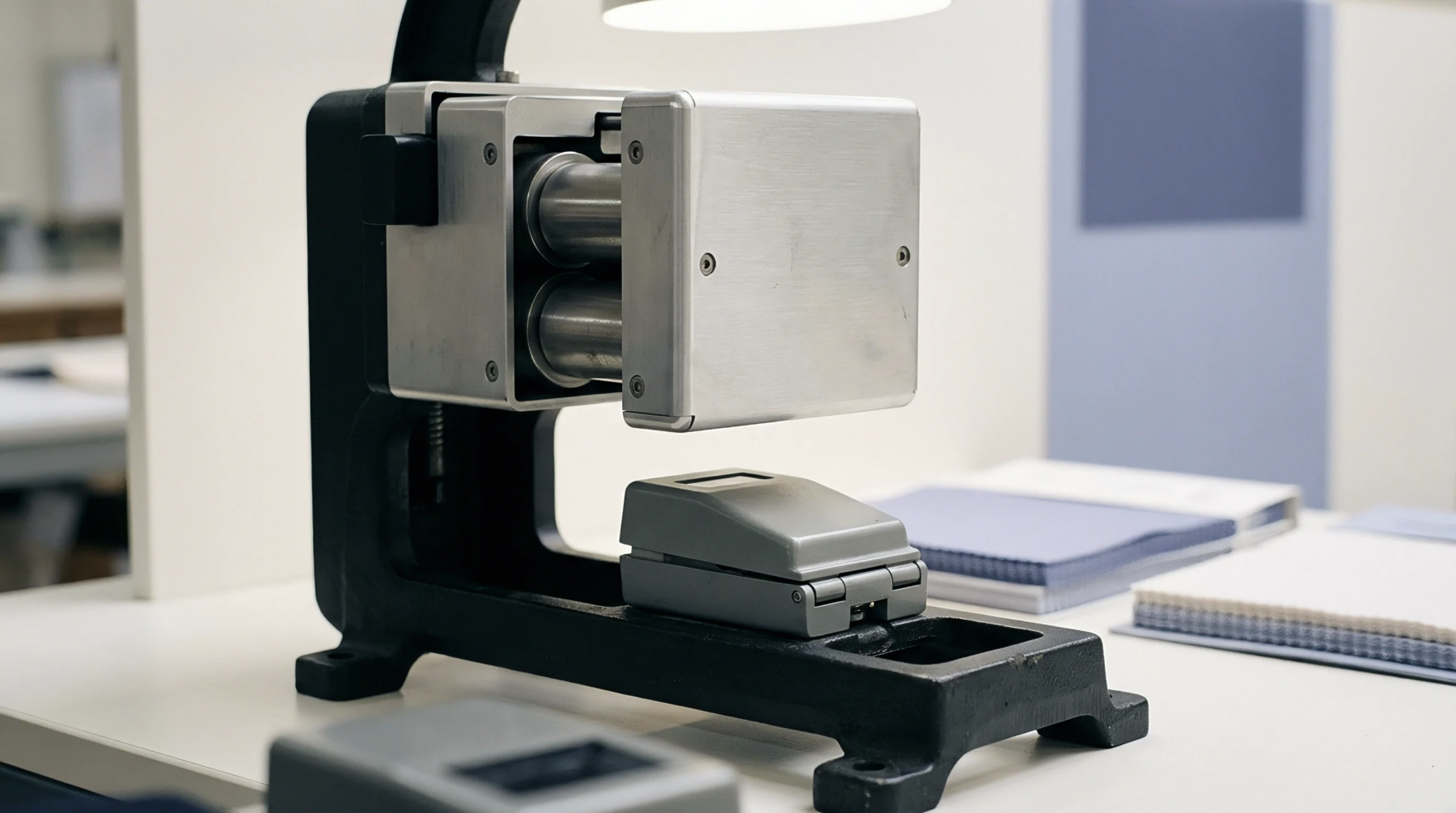
Commercial regain additions shift dry chemical separation ratios toward hydrophilic fibres, altering chief weight tariff classifications on borderline goods.
Precise ISO 3071 pH testing requires matching extract and buffer temperatures within 1.0 °C to prevent severe unbuffered measurement errors.
Acid hydrolysis pre-treatment removes crosslinking resins to prevent false gravimetric readings during quantitative blend testing of resin-treated fabrics.
Tariff classification for blended yarns follows the single fibre component predominating by weight after applying ISO 6741 commercial moisture regain.
Chemical separation of post-consumer blends requires sample-specific correction factors to account for altered polymer solubility and fine particle filtration losses.
Quantitative gravimetric correction factors compensate for non-target cell wall mass loss during acid digestion, preserving accurate customs and blend declarations.
Reconciling dissected yarn crimp and non-fibrous finish loss requires subtracting chemical extractables from raw thread mass before calculating true bare Tex.
Accurate recovered yarn count calculation demands measuring unraveled yarn crimp under ISO 7211-3 alongside oven-dry mass adjustments per ISO 2060.

Measuring woven yarn linear density requires chemical finish stripping, precise pretensioning to eliminate crimp, and moisture regain adjustment on oven-dry fiber mass.

Water extract pH compliance demands verifying extraction media, liquor ratios, and destination border standards to prevent costly port detentions.

Standardize extracted yarn pretension to 0.5 cN/tex for spun threads to eliminate crimp errors, align laboratory density audits, and prevent commercial disputes.
Specimen tensioning decrimps ring spun yarns prior to cutting, causing excised discs to contract and register artificially elevated areal weights during audits.
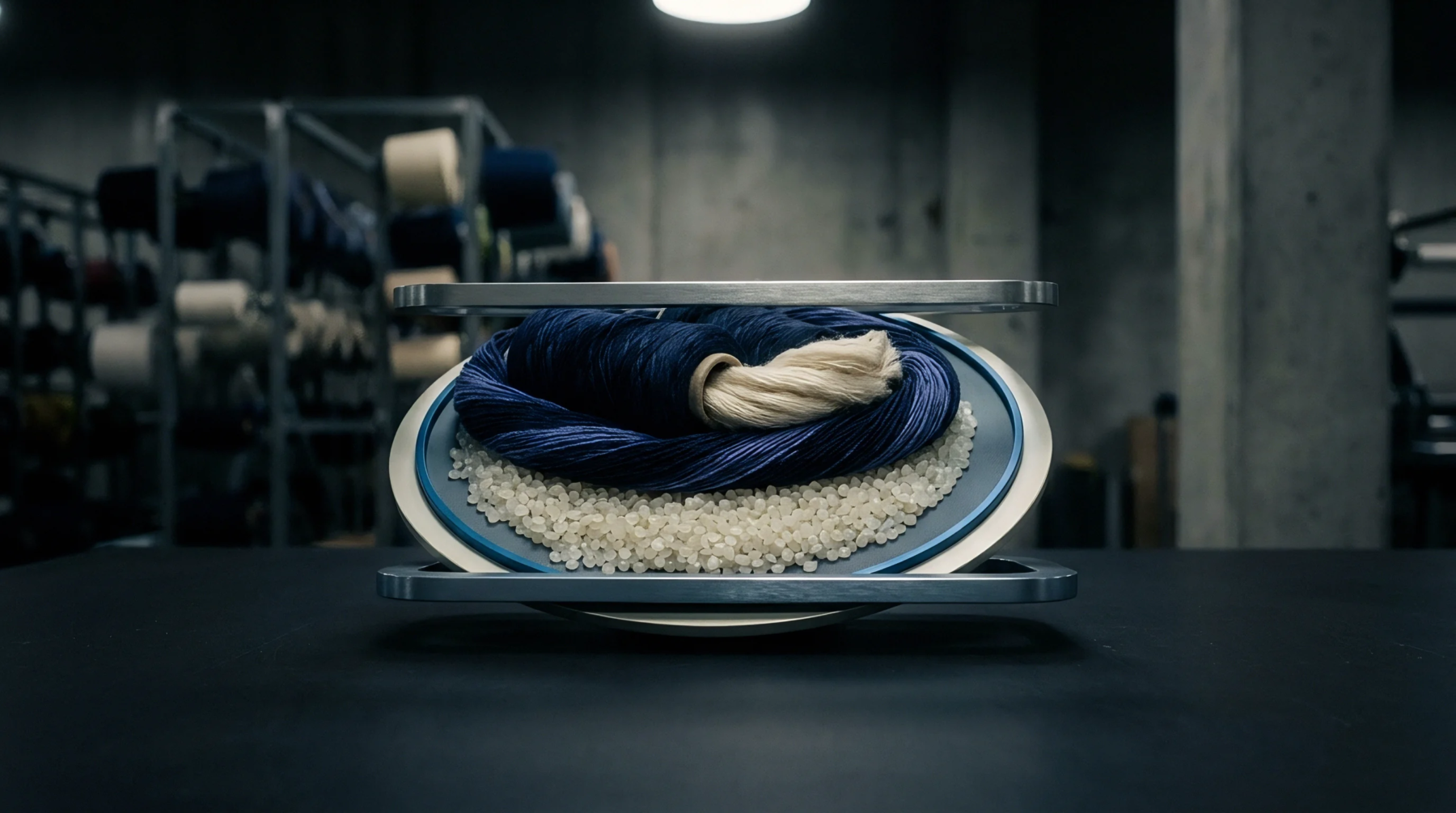
Calibrating yarn pretension weights at 0.5 cN per tex removes crimp without permanent elongation, securing precise linear density figures across laboratory tests.

Binary synthetic separation demands selective thermodynamics: Hansen parameter distance, temperature control, and insolubility of the retained phase.
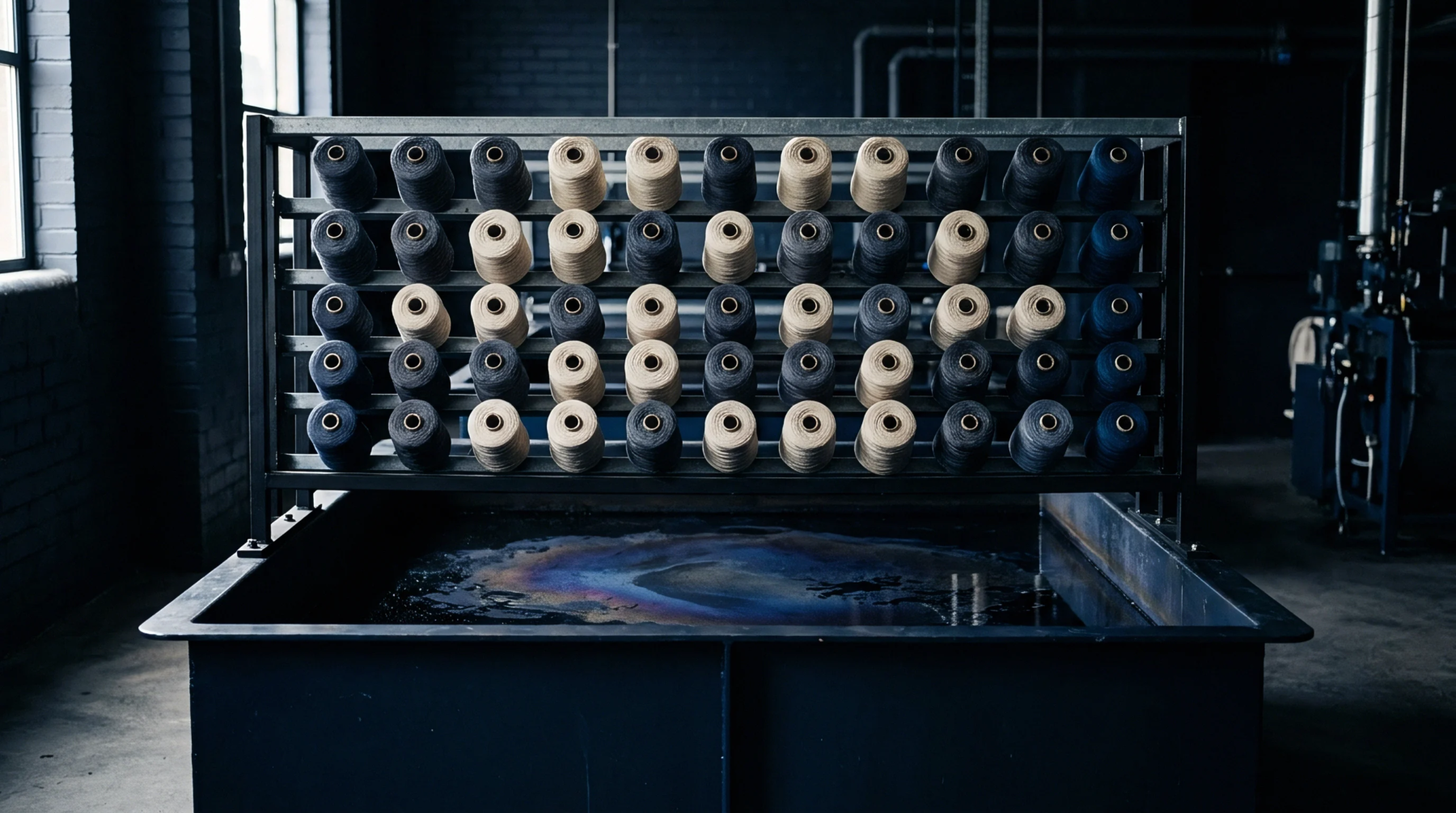
Package density variance over two percent triggers fluid channeling and core blinding during hydrophilic yarn swelling, requiring dynamic pump pressure limits.
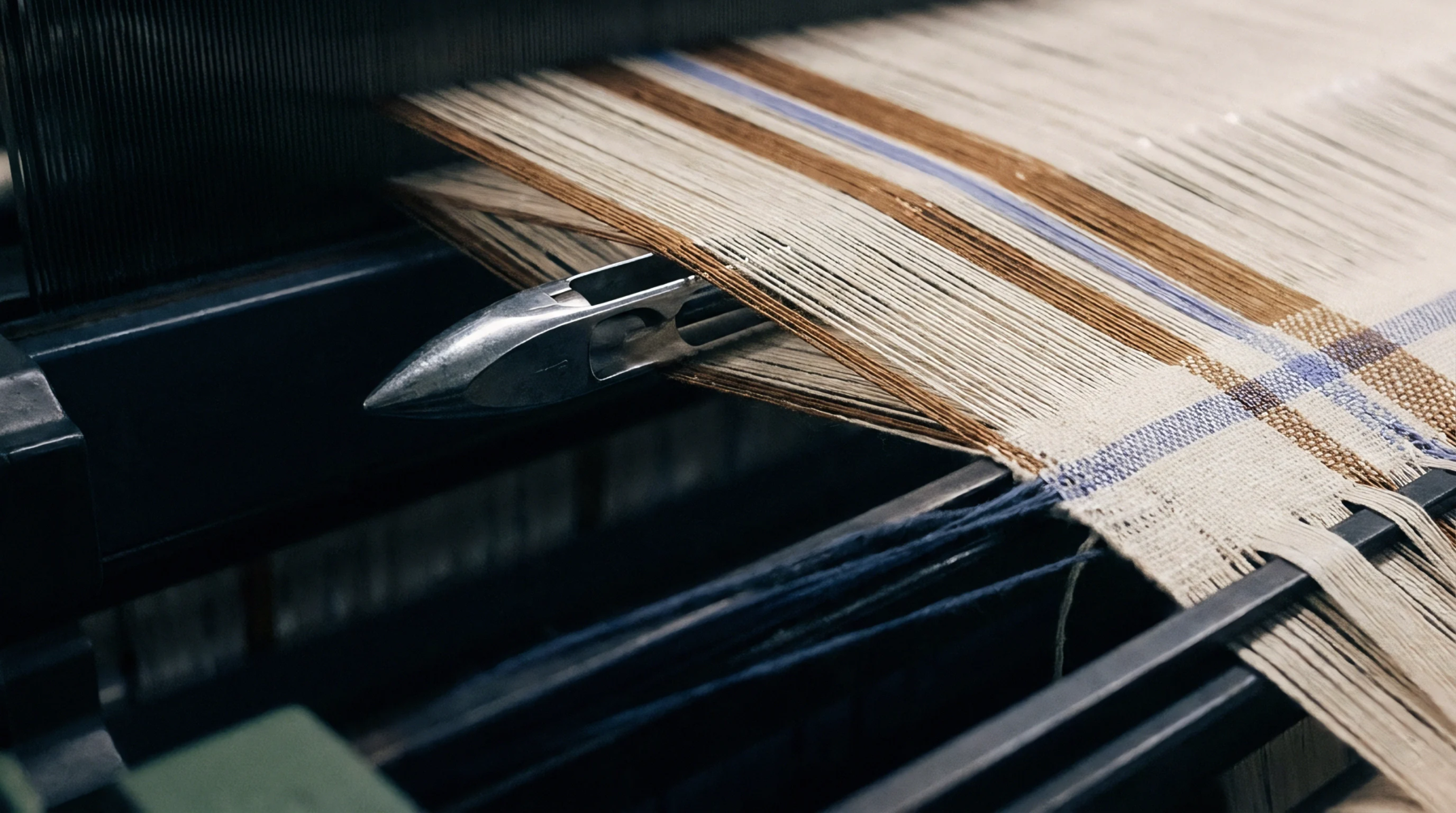
Core sheath flow centering and multi-angle projection correction resolve hydrodynamic shear deformation, preventing false down fibre classification.
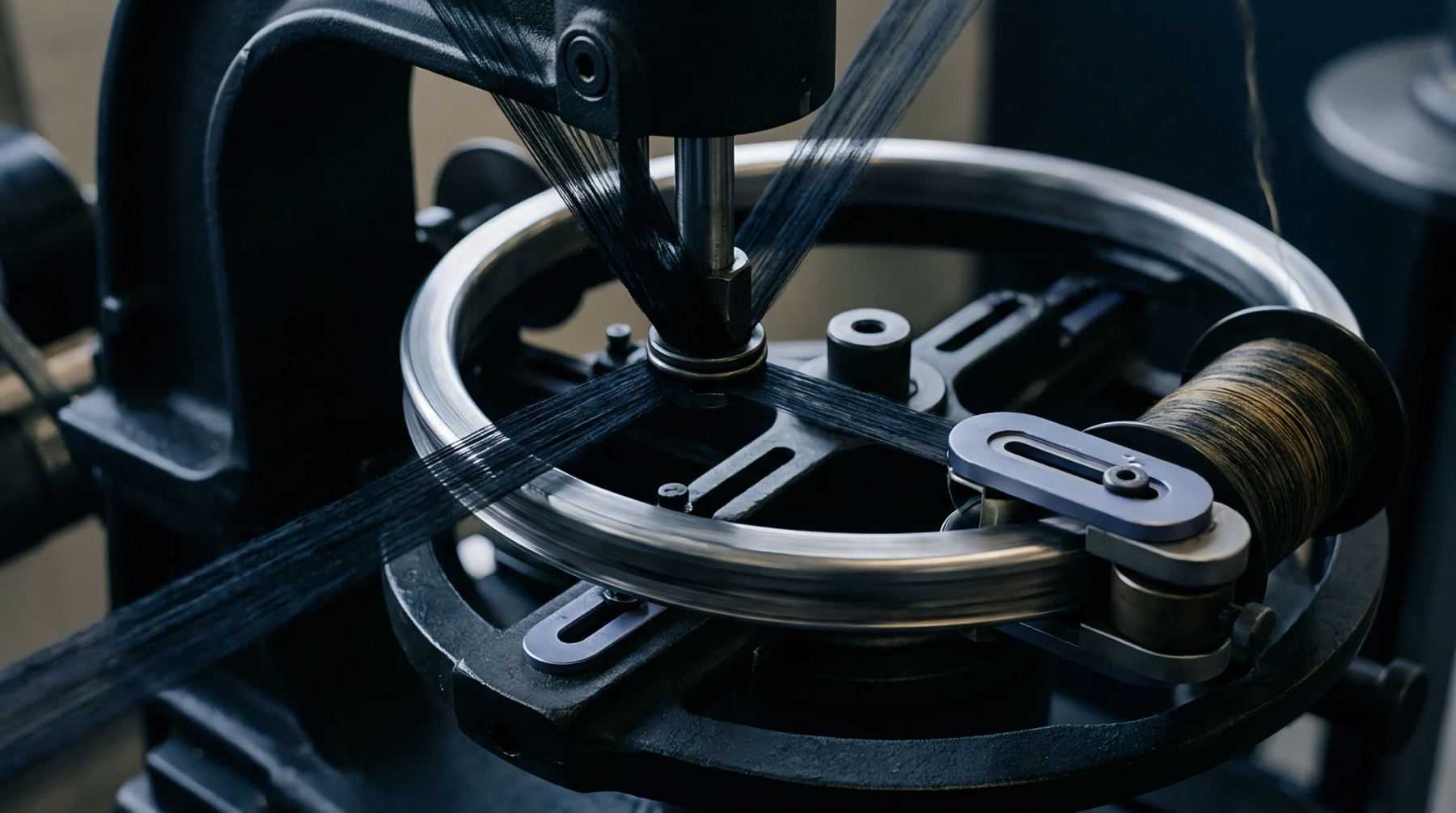
Bicarbonate bath calibration requires dynamic activity-coefficient and CO2 desorption corrections to prevent severe pH drift and unreacted dye hydrolysis.
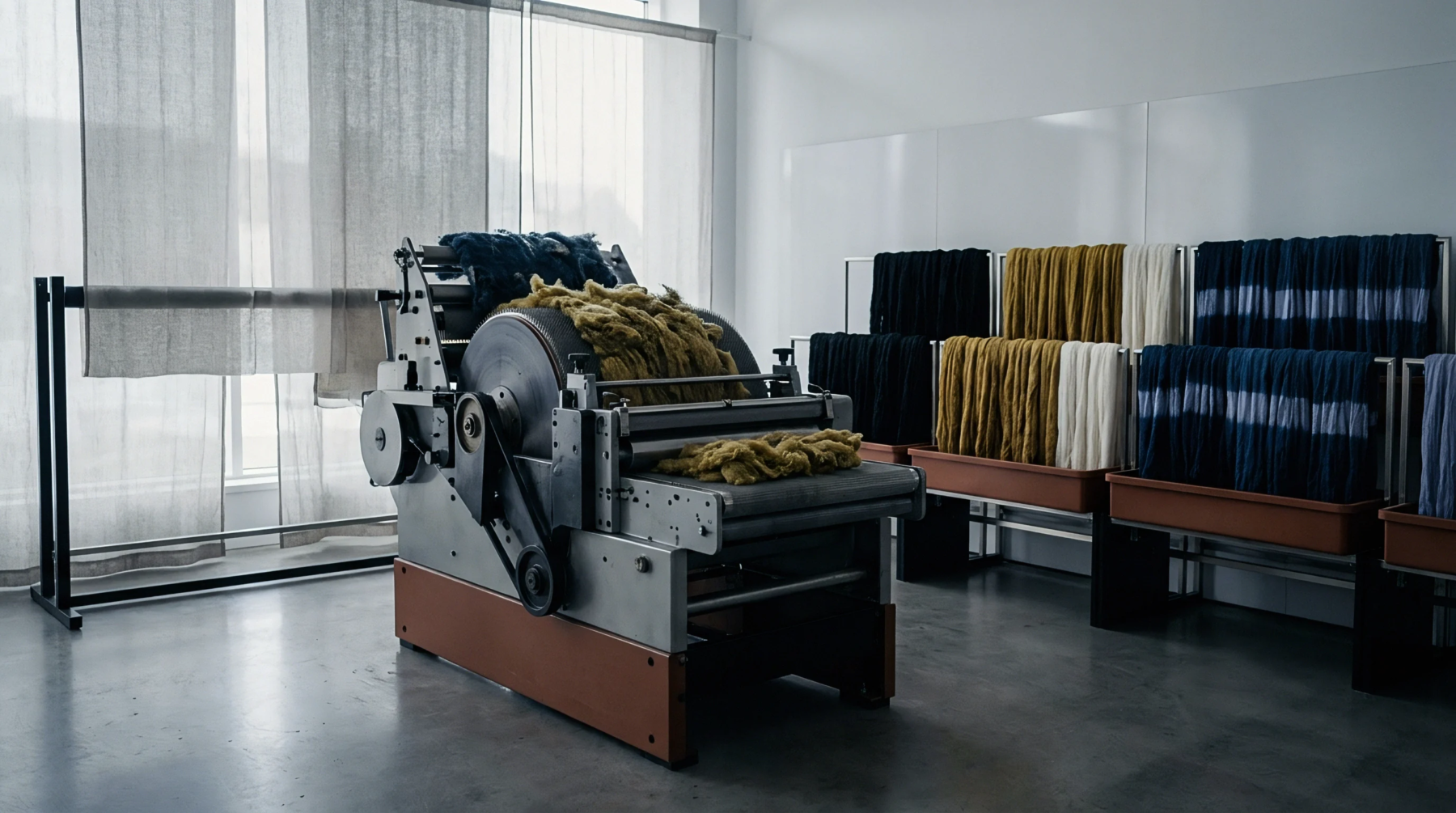
Commercial cotton yarn mass standardizes through gravimetric oven-drying, removing ambient moisture, then applying statutory commercial regain allowances to net mass.

Potentiometric pH measurement in high-ionic strength dye liquor demands dual correction for Nernst slope scaling and non-ideality ion activity shifts.

Standard regain corrections adjust measured cotton yarn mass to an 8.5 percent moisture baseline, eliminating ambient air humidity errors from count and billing.
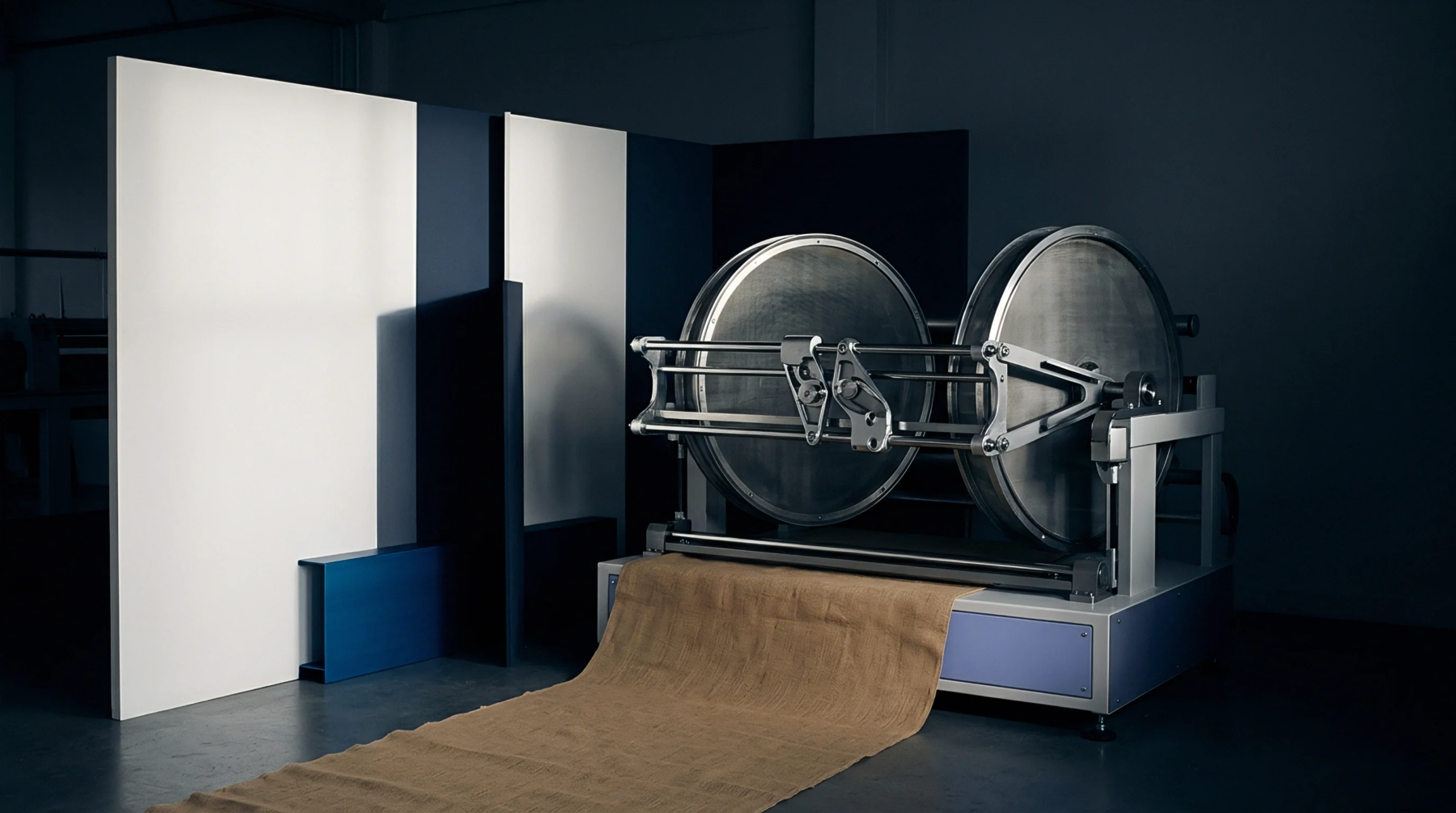
Intra-yarn diffusion governs continuous washing of dense wovens, demanding mechanical dewatering and high temperatures to breach stagnant hydrodynamic layers.
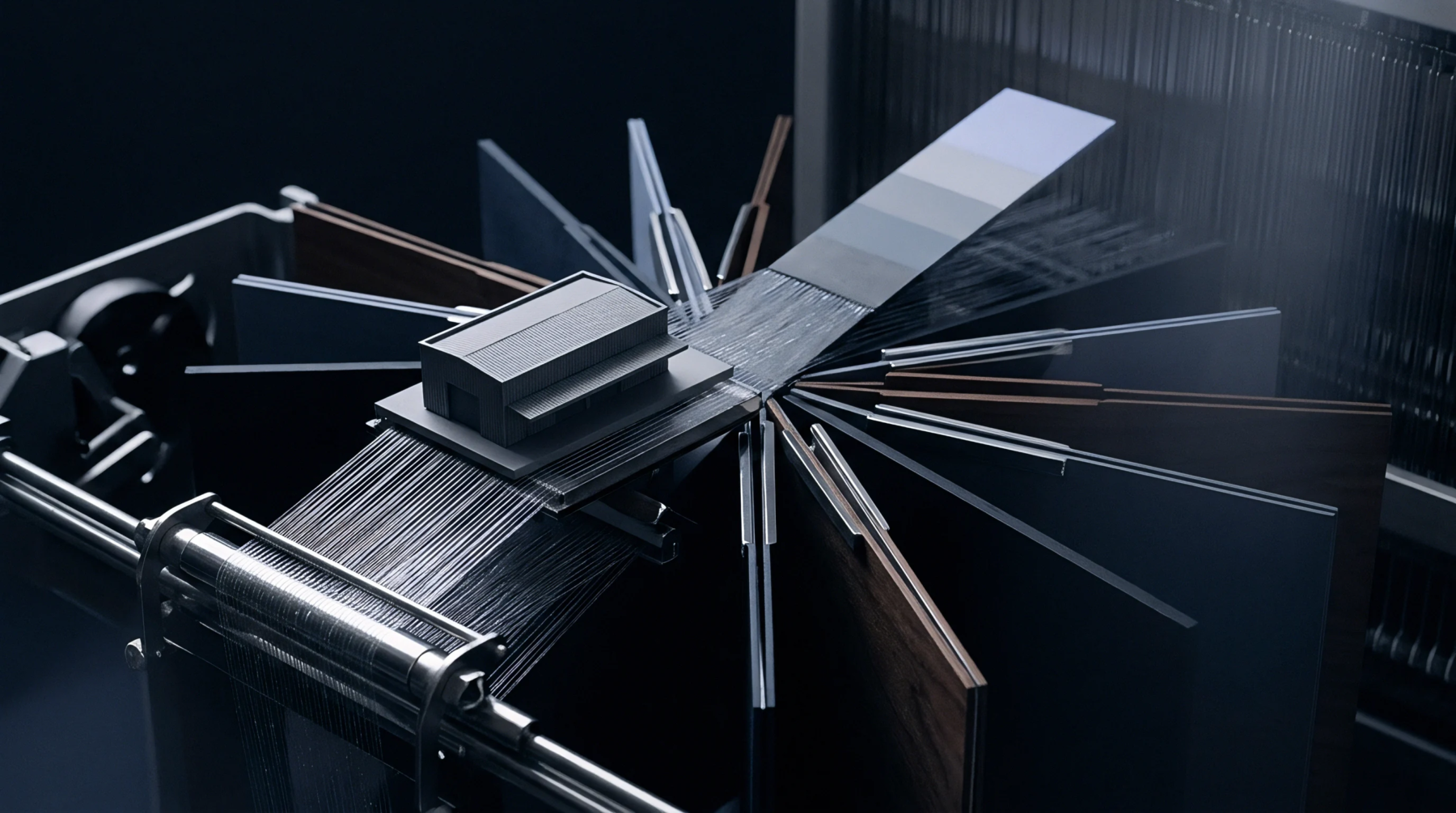
Counter-current cellulosic washing rate constant models optimize bath temperatures and intermediate nip squeezes to maximize solute extraction per litre of water.

Optimizing continuous reactive wash-off demands high-temperature counter-current cascades that alter desorption isotherms and strip stagnant boundary layers.
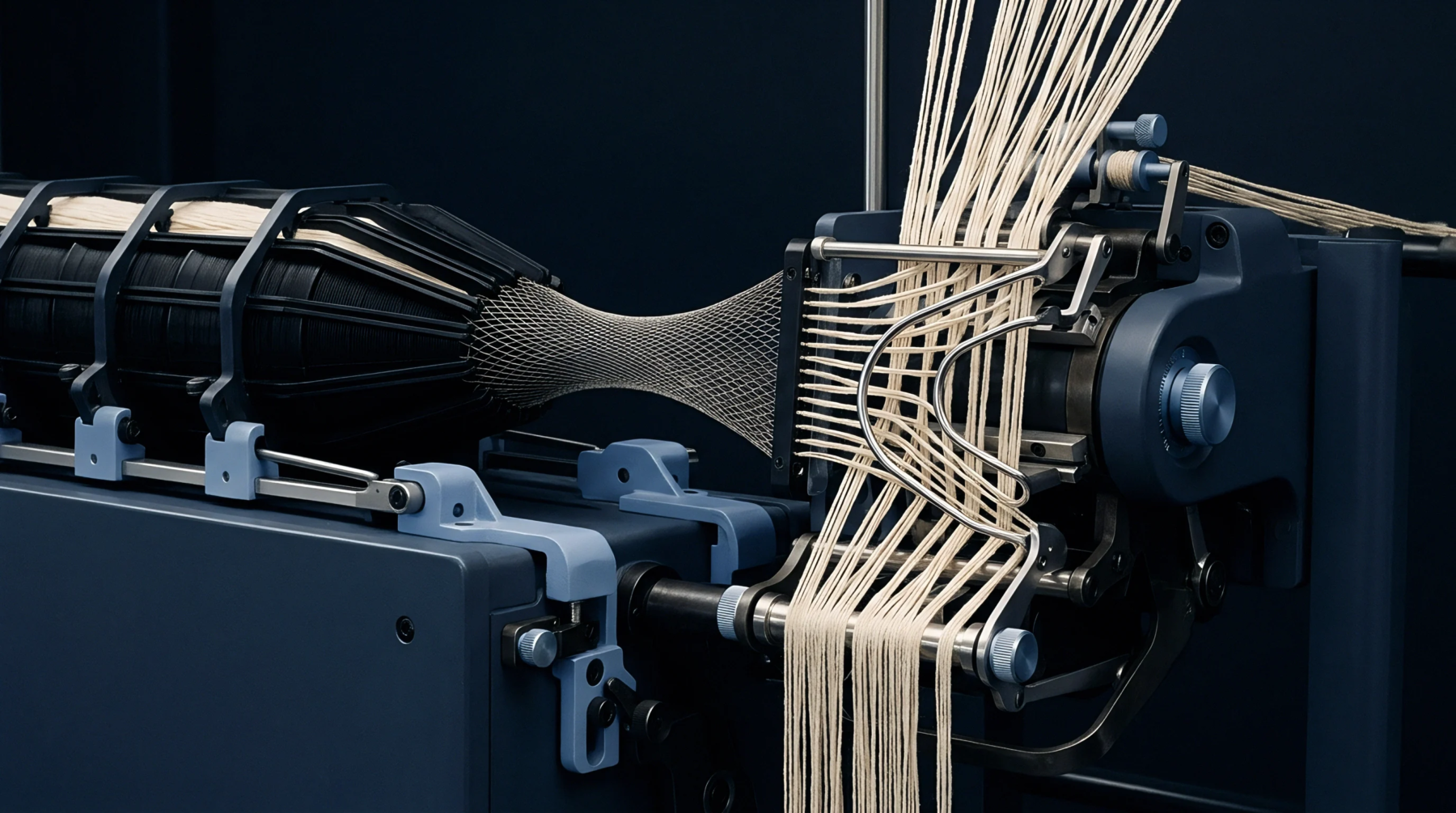
Integrating aspect ratio correction into automated optical down analysis prevents fiber misclassification and defends down purity tariff lines.
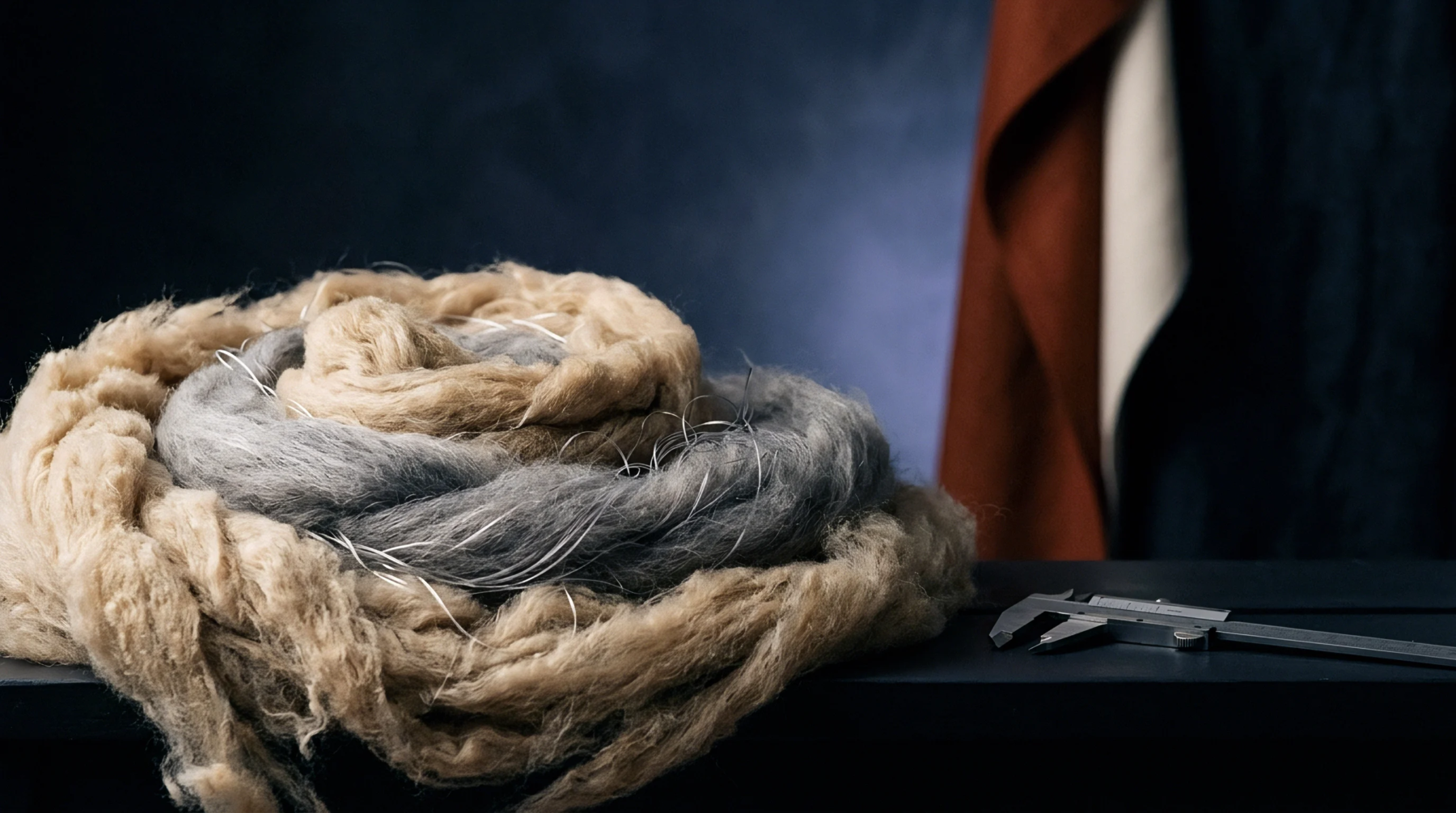
Optical measurement bias in elliptical cashmere down is resolved by applying cross-sectional aspect ratio corrections under ISO 17751 electron microscopy.
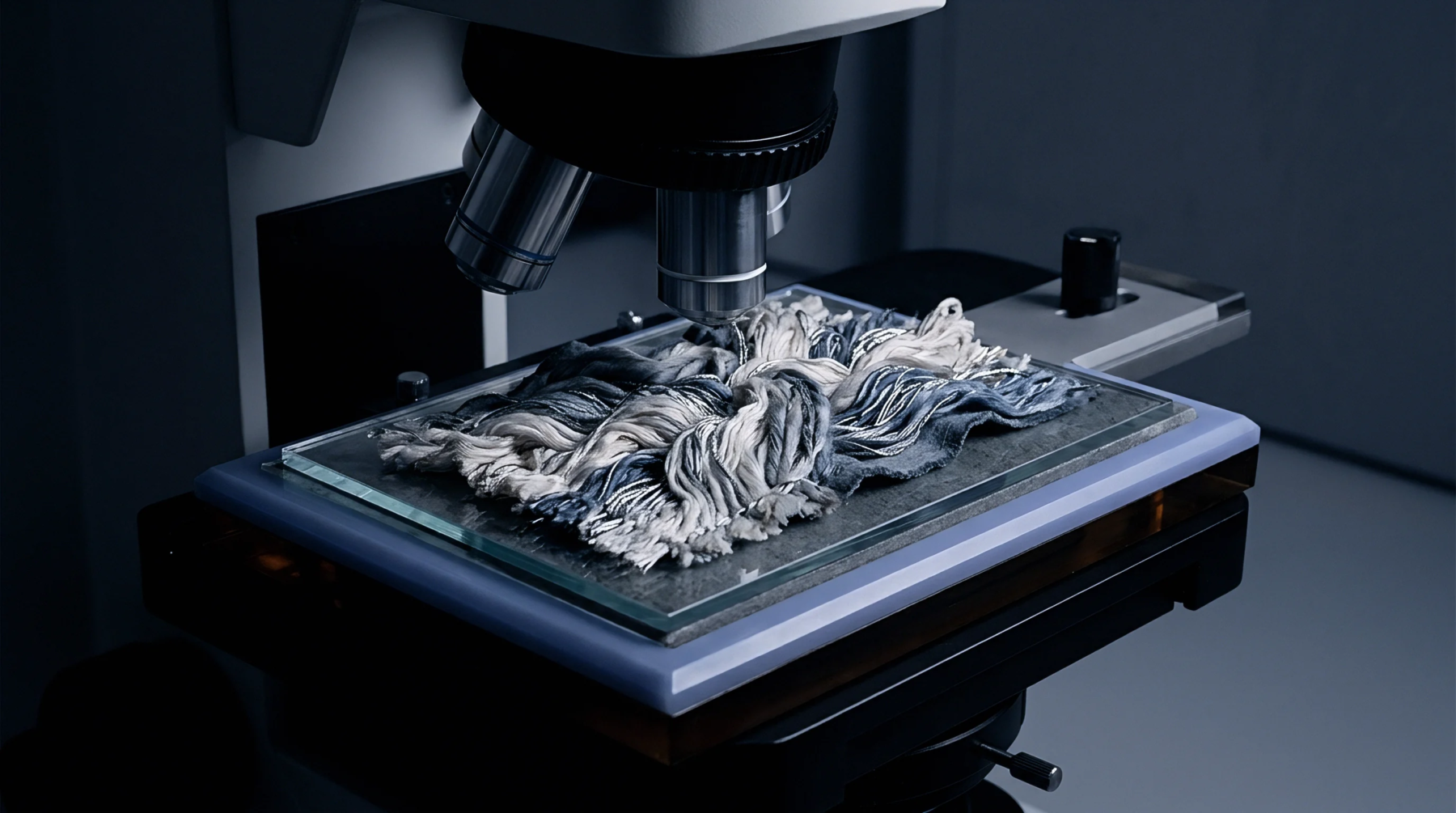
Hydrodynamic and optical fiber diameter variances stem from ellipticity and medullation, resolved by calibrating image systems against certified standard tops.
Expertise is a utility, not a secret. sentiention™ publishes its working knowledge as open reference: intelligence layer covering the materials it sources, the markets it enters, and the reference that serves both.