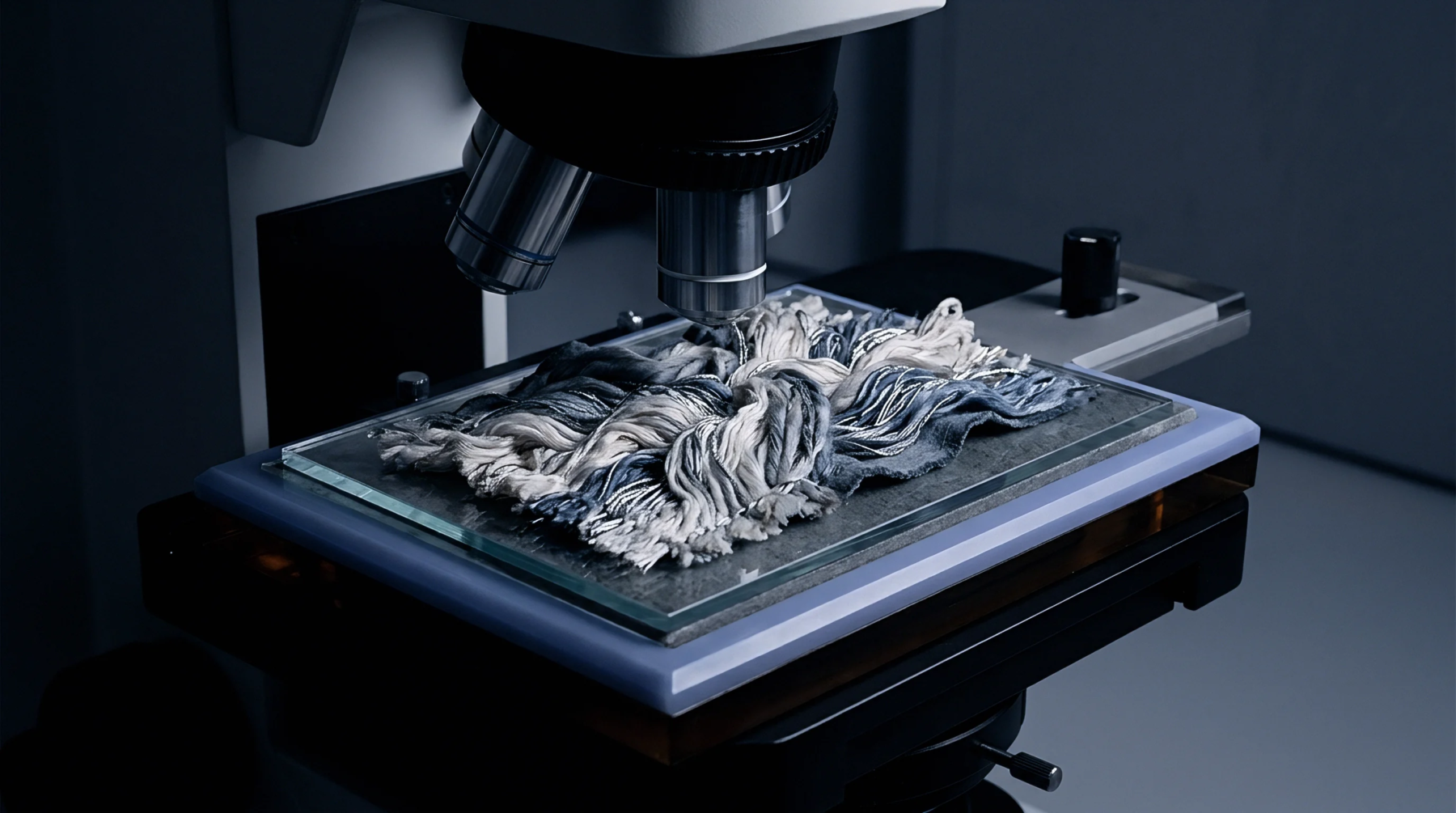
D-Factor Correction Mechanics in Concentrated Acid Dissolution of Polyester Blends
A two percent d-factor error shifts borderline dual-fibre yarns across chief-weight tariff boundaries, converting compliance into thousands in unpaid duties.
A two percent d-factor error shifts borderline dual-fibre yarns across chief-weight tariff boundaries, converting compliance into thousands in unpaid duties.
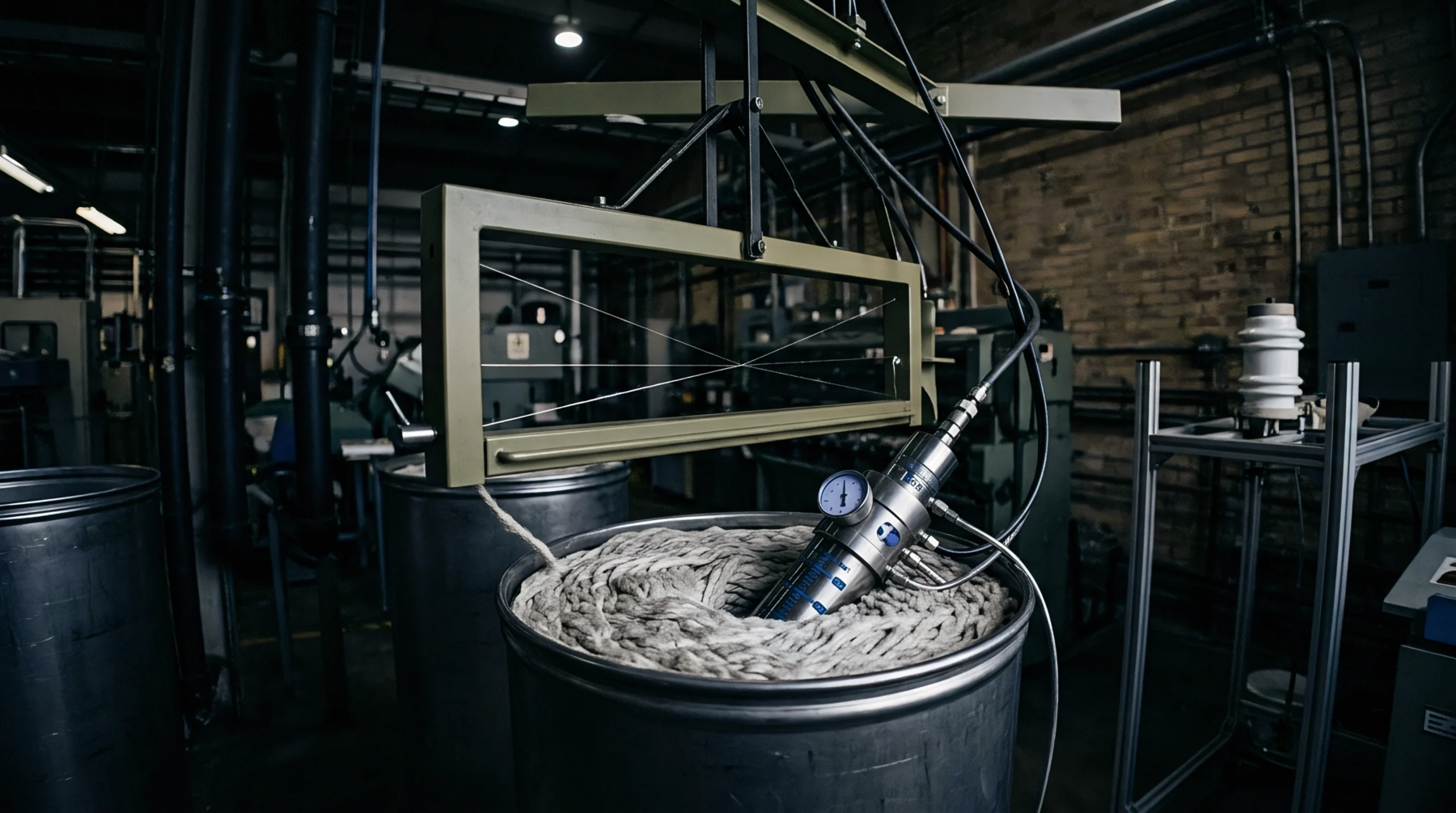
Aerodynamic slip velocity differences sort binary fiber stocks in pneumatic lines, causing card-to-card blend drift that triggers costly customs reclassification.
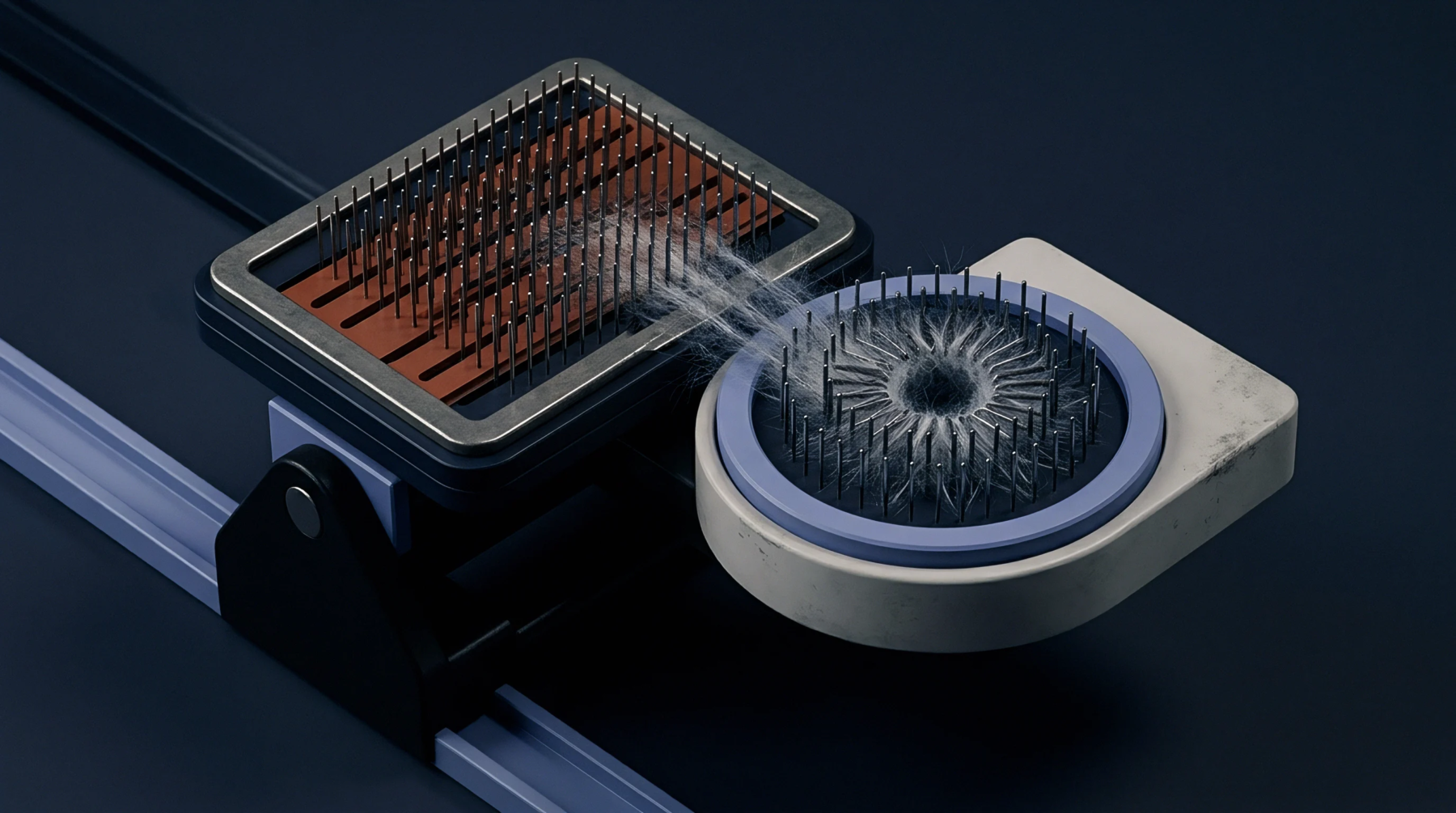
Customs chief-weight classification for multi-fibre textiles depends on whether laboratories calculate percentages on oven-dry mass or statutory regain values.

Disparity resolution requires calibrating ISO 1833 d-factors for degraded recycled polymers and enforcing P40 filter split-sample arbitration protocols.
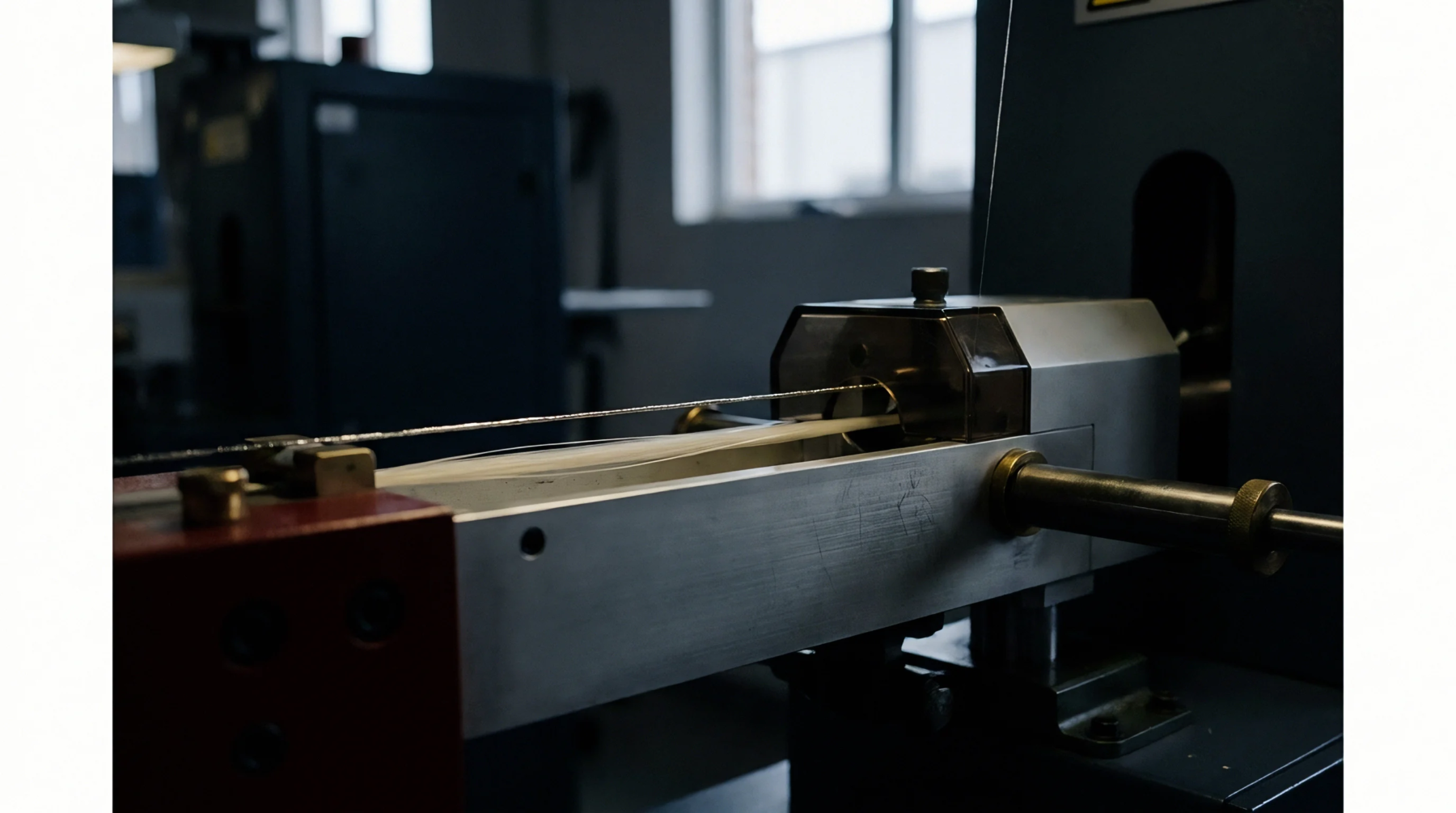
Customs classification relies on oven-dry chemical gravimetry adjusted by statutory moisture regain rates rather than raw commercial invoice declarations.

Proteomic LC-MS/MS quantifies animal hair blend percentages by measuring species-specific keratin peptide markers against isotope-labeled internal standards.

Verify high volume raw fibre shipments using ISO 3951 variable sampling to enforce statistical bundle strength and micronaire limits before mill laydown.

Transit desorption permanently collapses polymer matrix pores in regenerated cellulosics, reducing moisture regain and altering yarn count to distort landed cost.

Quantitative solvent extraction defines yarn blend ratios by dry mass, determining tariff headings where a 1 percent shift alters landed duty costs.

Adjusting dry test mass using official moisture regain values shifts binary fiber ratios, changing chief weight tariffs and altering landed customs duties.
Expertise is a utility, not a secret. sentiention™ publishes its working knowledge as open reference: intelligence layer covering the materials it sources, the markets it enters, and the reference that serves both.