
Dynamic Fluid Penetration Kinetics in Finishing Induced Pore Geometry Shift Models
Calendering and resin crosslinking shrink effective capillary radii by forty percent, requiring adjusted dynamic wetting models for hydrophobic barrier fabrics.

Calendering and resin crosslinking shrink effective capillary radii by forty percent, requiring adjusted dynamic wetting models for hydrophobic barrier fabrics.
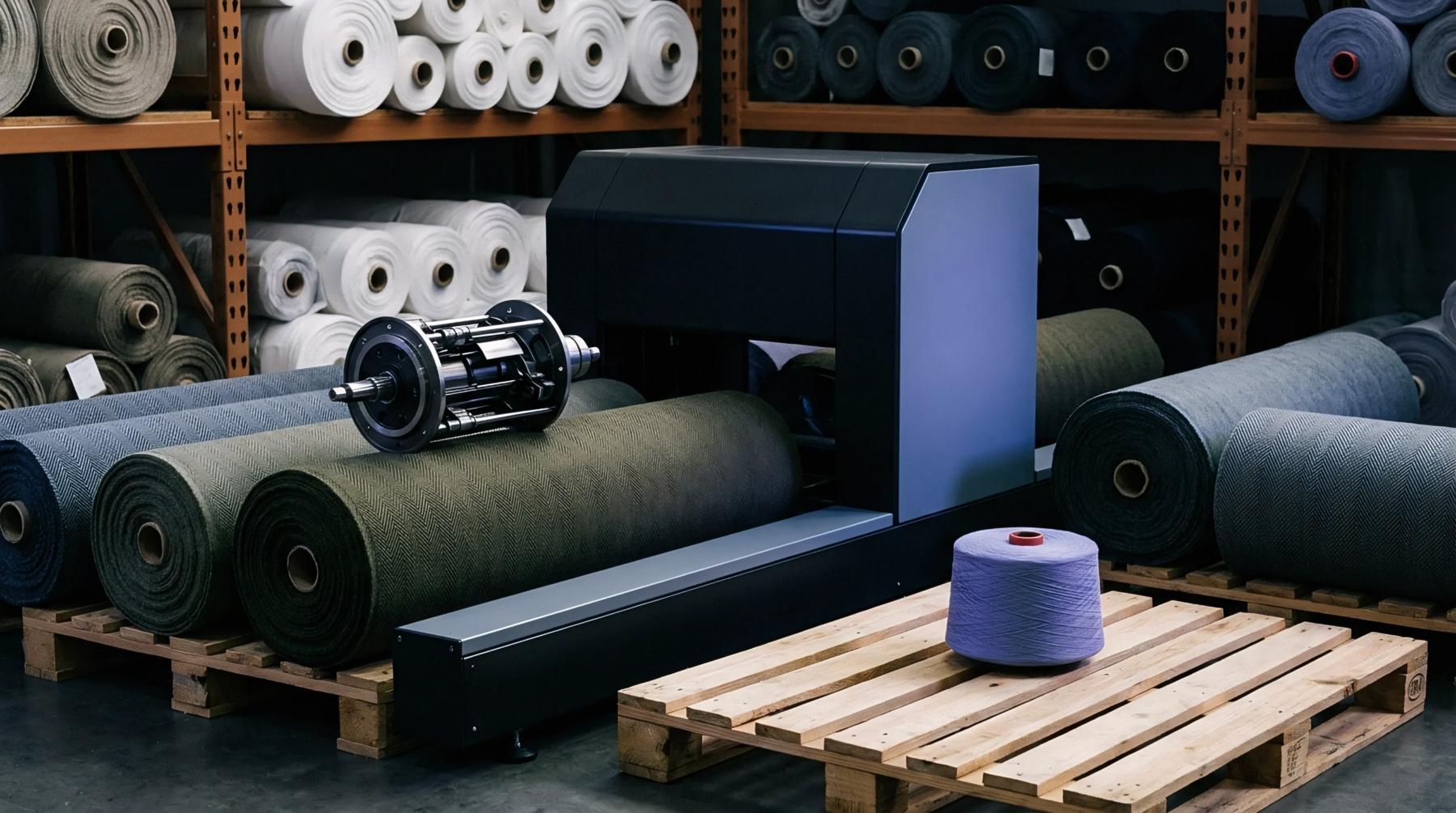
High cover weave hydrostatic barrier performance depends on controlling inter-yarn pore throat size below 3.5 micrometres through calendering and DWR finish.

Standard alkali titration limits enforce ±5% to ±10% active alkalinity tolerances in reactive dye baths to prevent hydrolysis and secure batch color yields.
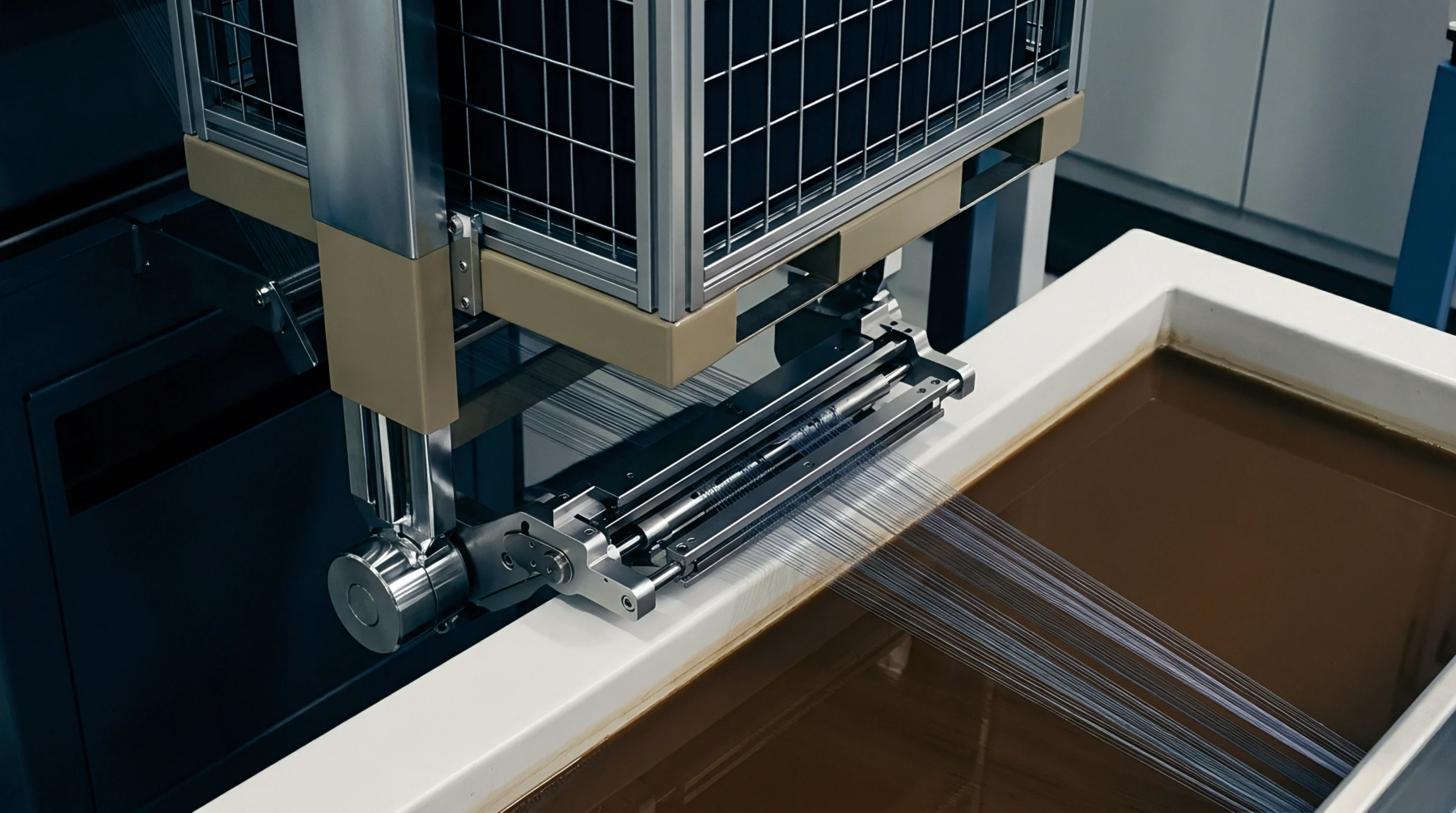
Liquid junction potential drift in alkaline dye liquors requires pressurized flowing junctions and ionic strength matched calibration standards.
Maintain positive pressure above 40 kPa on 3M KCl reference bridges to suppress sodium back-diffusion and prevent liquid junction voltage drift in 4M Na background testing.

Standardized cover factor equations predict air permeability by converting yarn linear density and thread counts into fractional pore geometry.
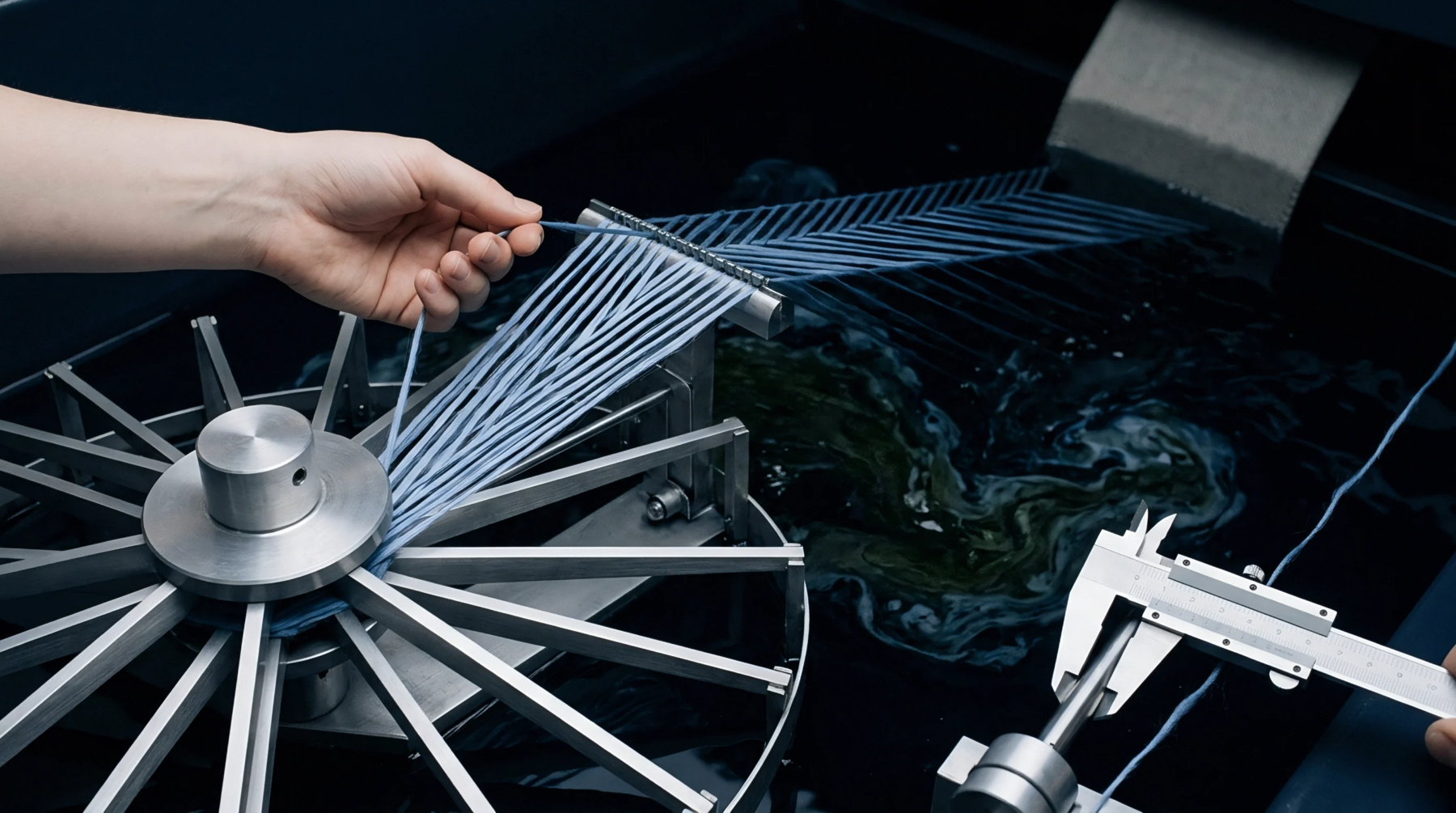
Calibrating optical analysers with certified wool tops requires strict moisture equilibrium to prevent baseline diameter errors that trigger major contract penalties.
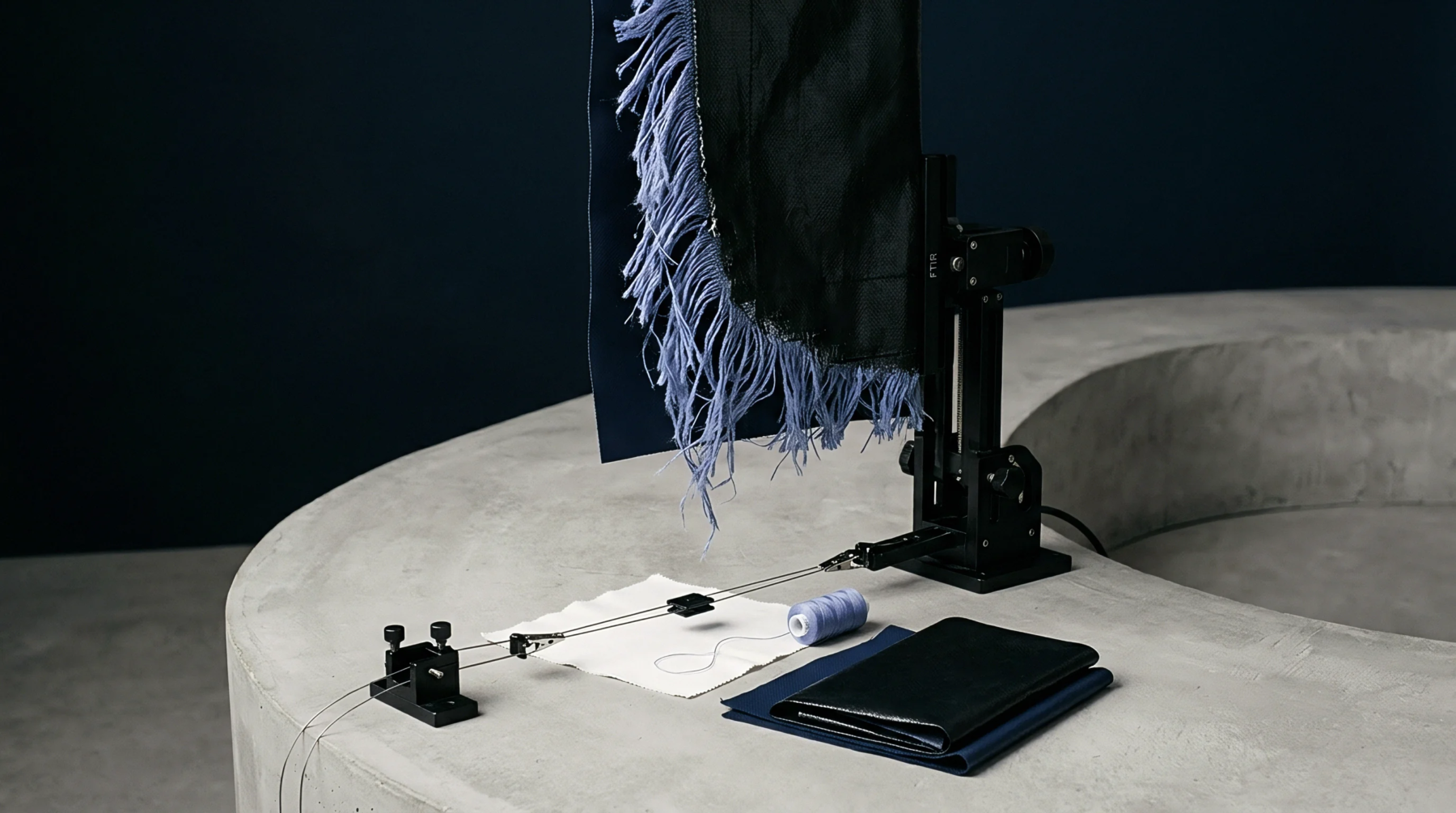
High ionic strength titrations demand salt bridge electrolytes matched to sample ionic mobility and matrix chemistry to prevent liquid junction potential errors.
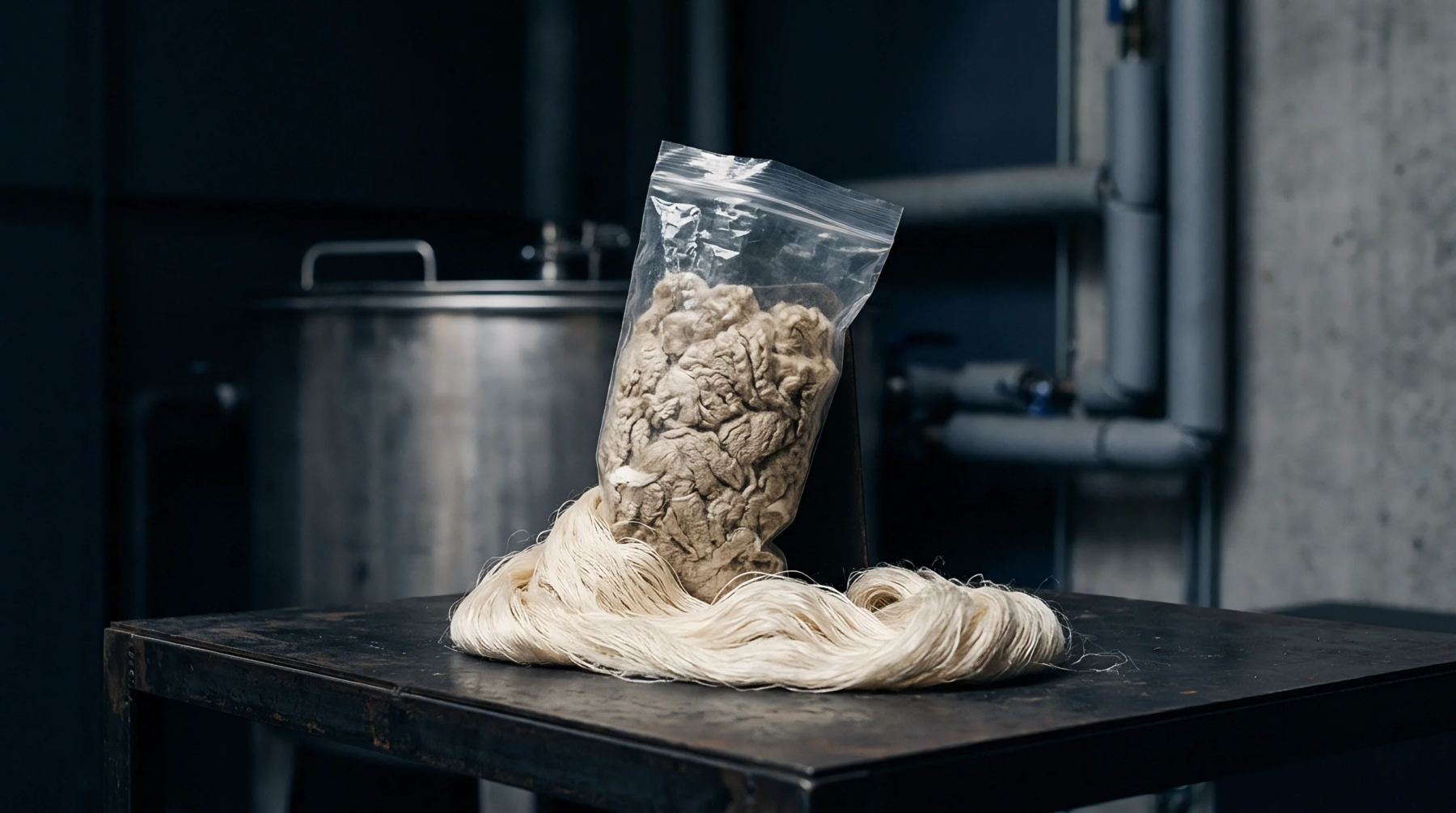
Thermodynamic drying models balance stenter jet velocity and thermal profiles to eliminate core saturation and dye migration in hybrid fibre matrices.
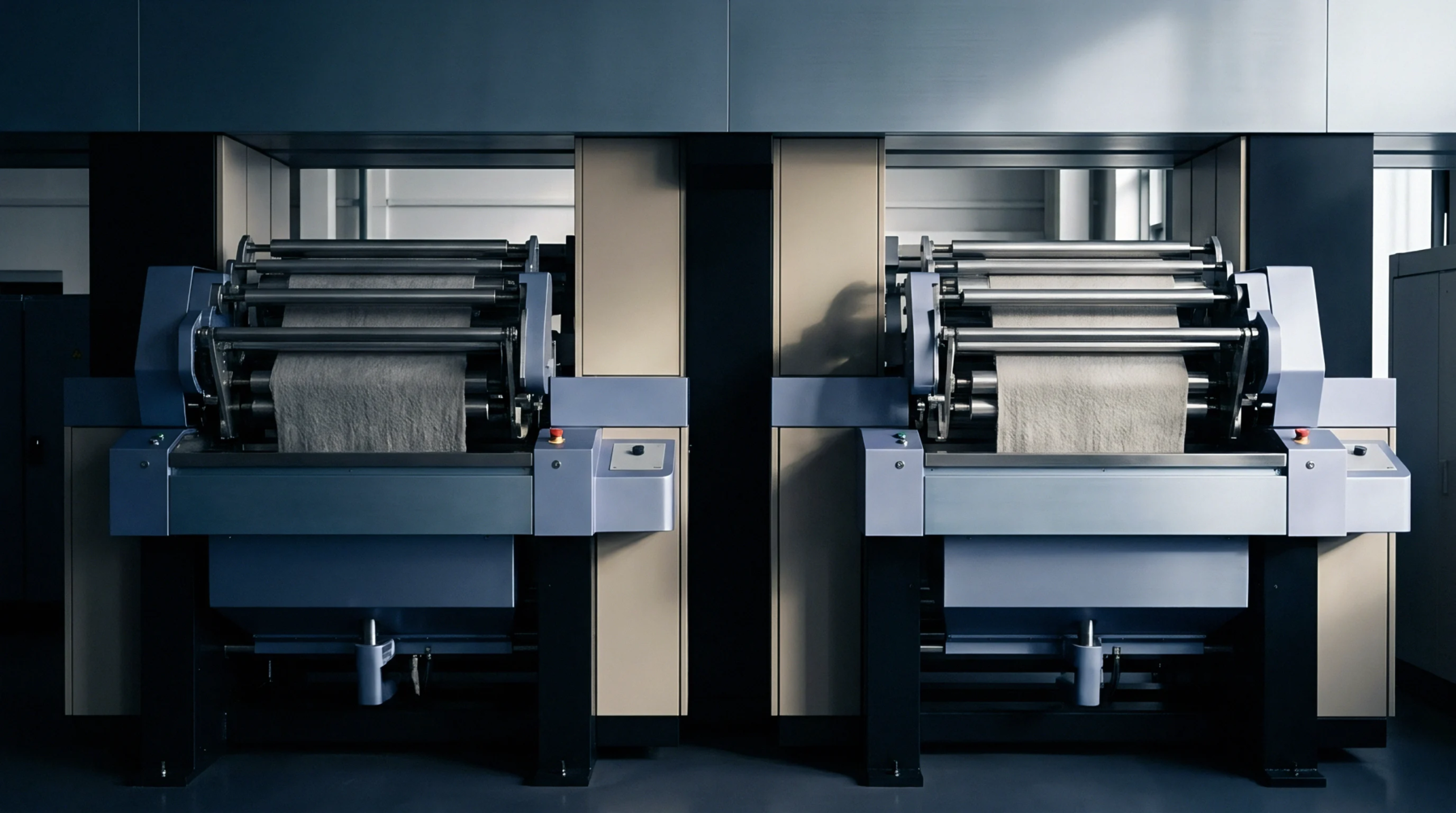
Dye migration control in poly-cotton continuous processing requires controlled pad pickup, balanced infrared pre-drying, and pseudoplastic anti-migrant dosing.

Core sampling raw cashmere bales under IWTO-38 provides objective scoured yield and micron data that prevents commercial overpayment before scouring.

Uncompensated liquid junction potentials in low-conductivity textile extracts create inter-laboratory pH variances exceeding half a unit, risking false rejections.

Optical calibration offsets in fine cashmere diameter testing are resolved by aligning instrument focus, accounting for lumen scattering, and enforcing binding IWTO referee re-tests.

Standardized potassium chloride addition eliminates diffusion potential artifacts in ISO 3071 textile extracts to yield true thermodynamic pH values.
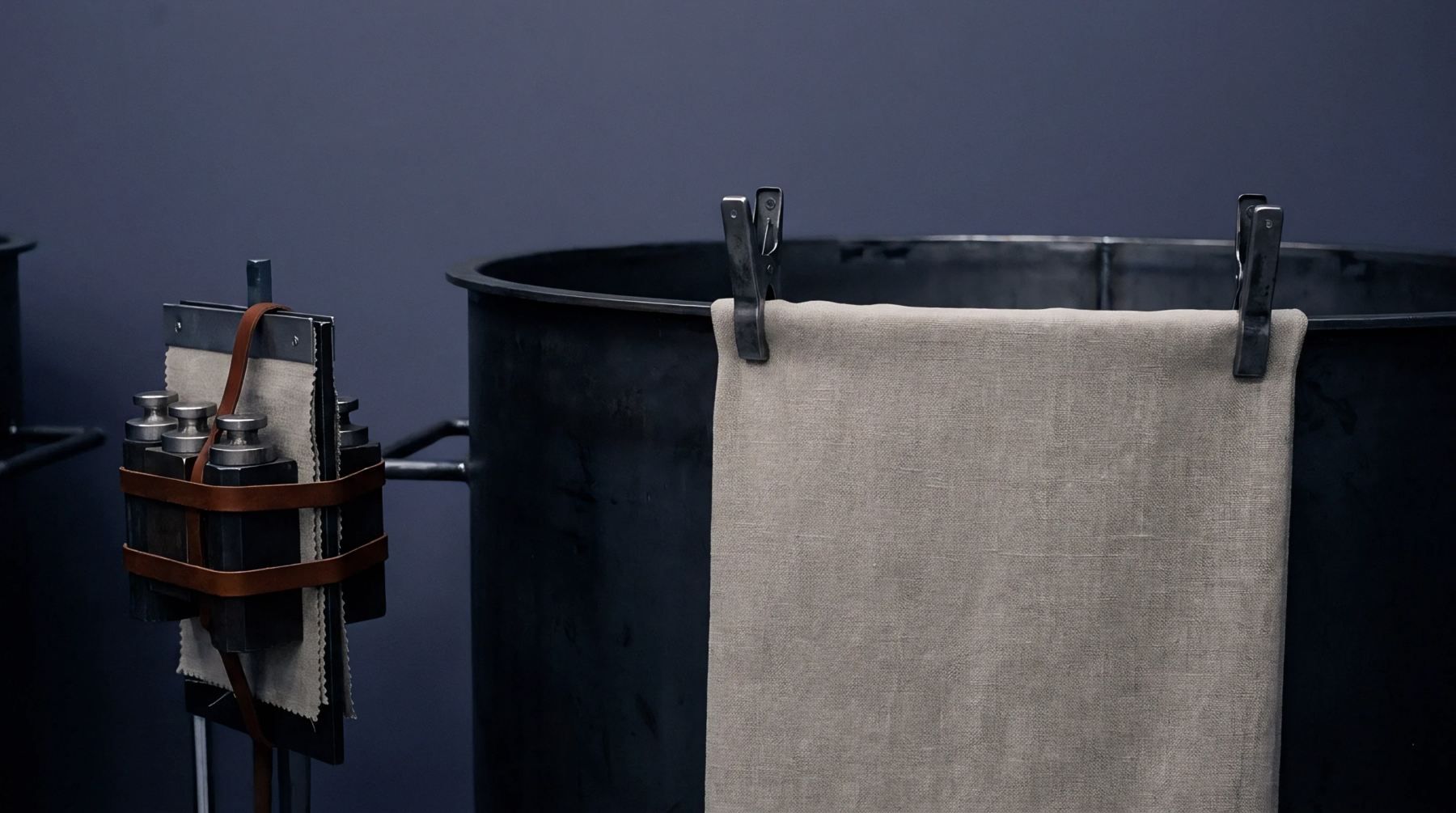
Inter-laboratory laser scan standardization requires matched snippet preparation, dual IWTO IH top calibration, and carrier fluid temperature control.
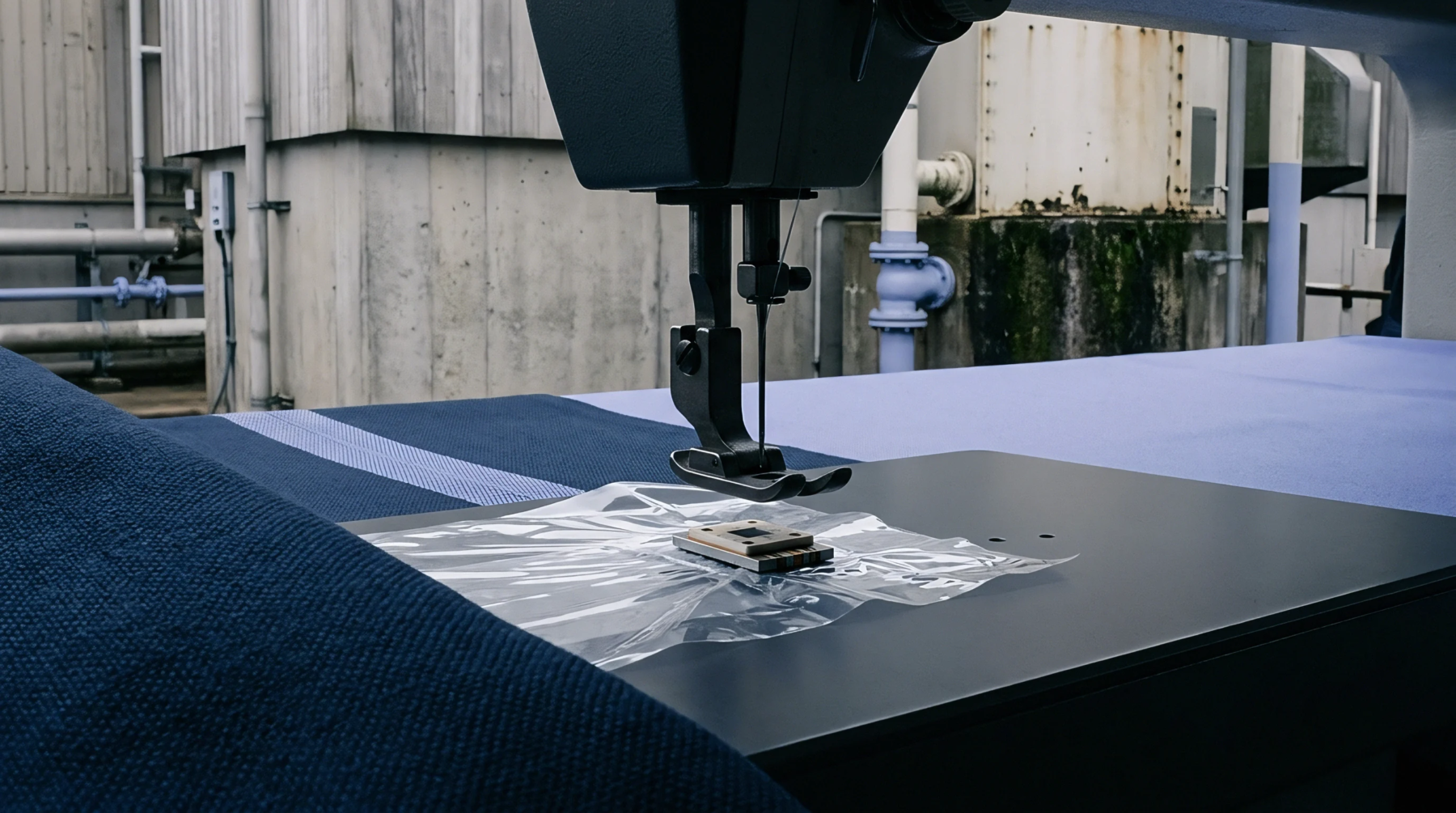
Boundary layer shearing via calibrated air jet velocity optimizes convective heat flux and prevents vapor insulation in continuous woven fabric drying.

Optical laser instrument calibration for cashmere requires matrix-adjusted reference standards and strict snippet length controls to prevent costly micron drift.

Asymmetric particulate migration in heavy mercerized twill drops below CMC 0.4 Delta E when IR pre-drying reduces moisture content to 32 percent before air impingement.

Optimizing thermosol infrared pre drying profiles requires target exit moisture of thirty percent to halt dye migration before heat fixation.

High wet modulus filaments require dynamic creep limits under wet tension and strict desorption regain verification to prevent irreversible fabric shrinkage.
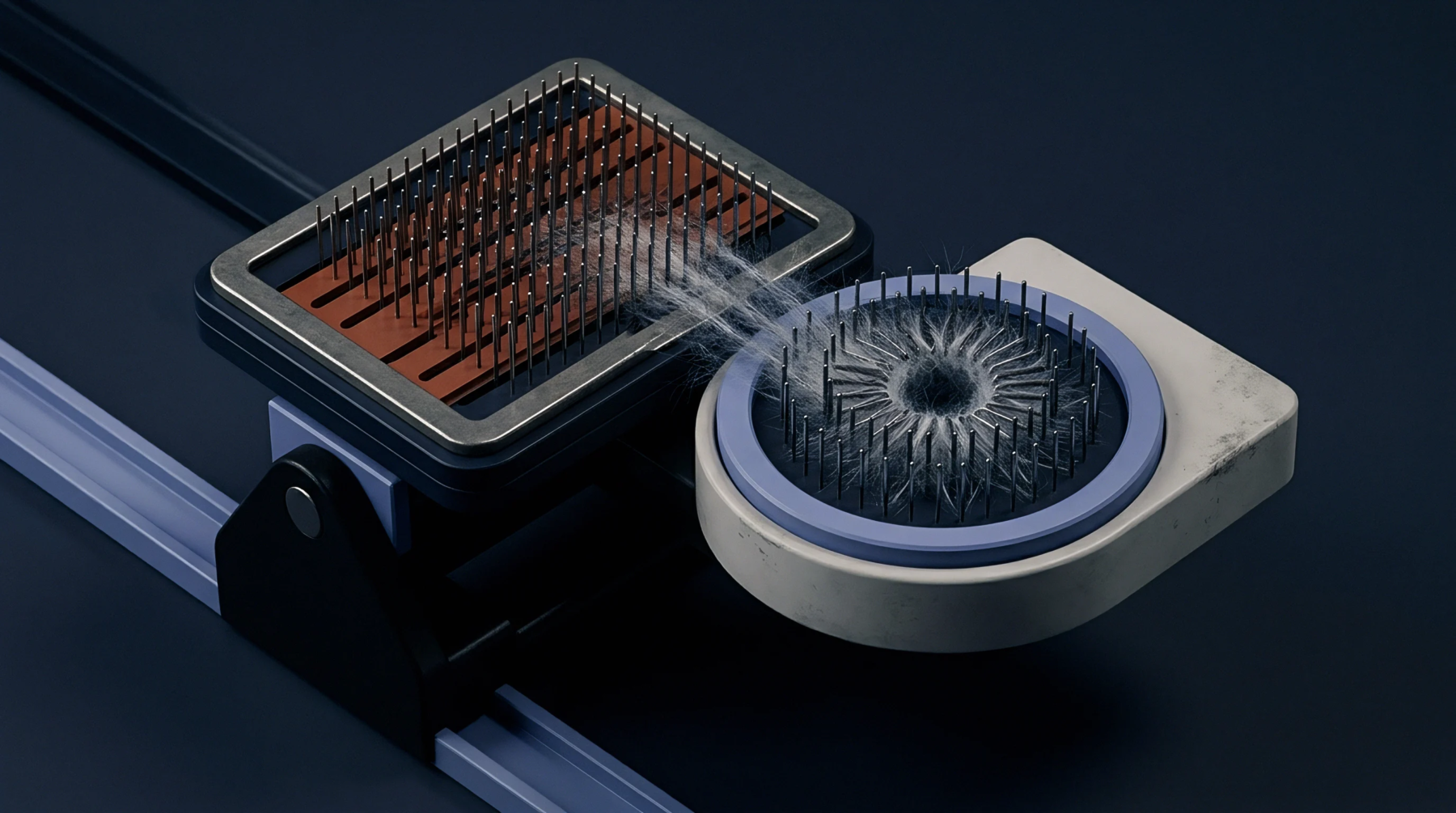
Microstructural pore collapse during rayon filament drying permanently lowers moisture regain, increases yarn density, and shifts color yield in dyed continuous filaments.
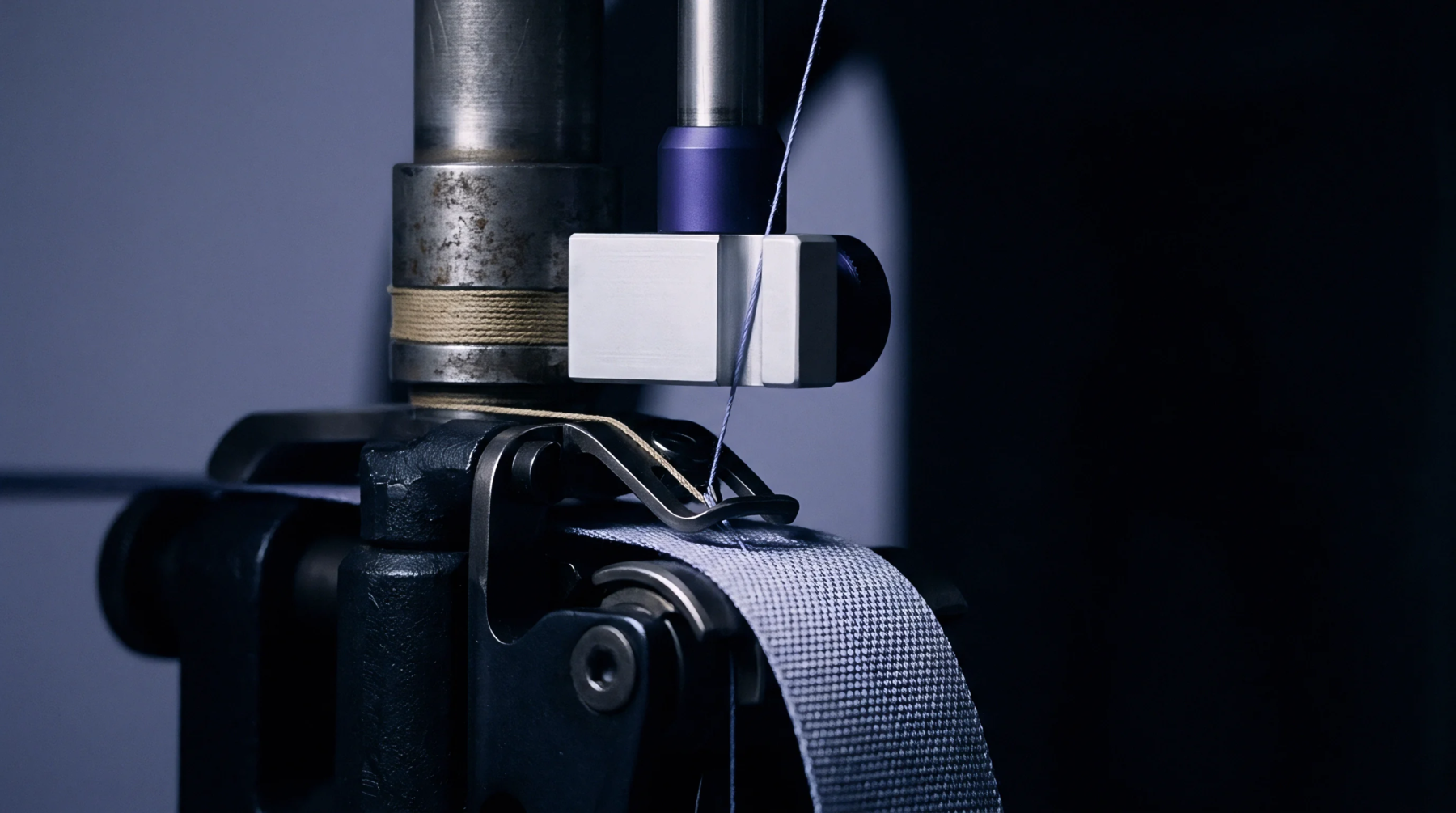
Potassium chloride additions compress electrical double layers on fibers, driving surface carboxyl dissociation and lowering aqueous extract pH by up to 1.2 units.
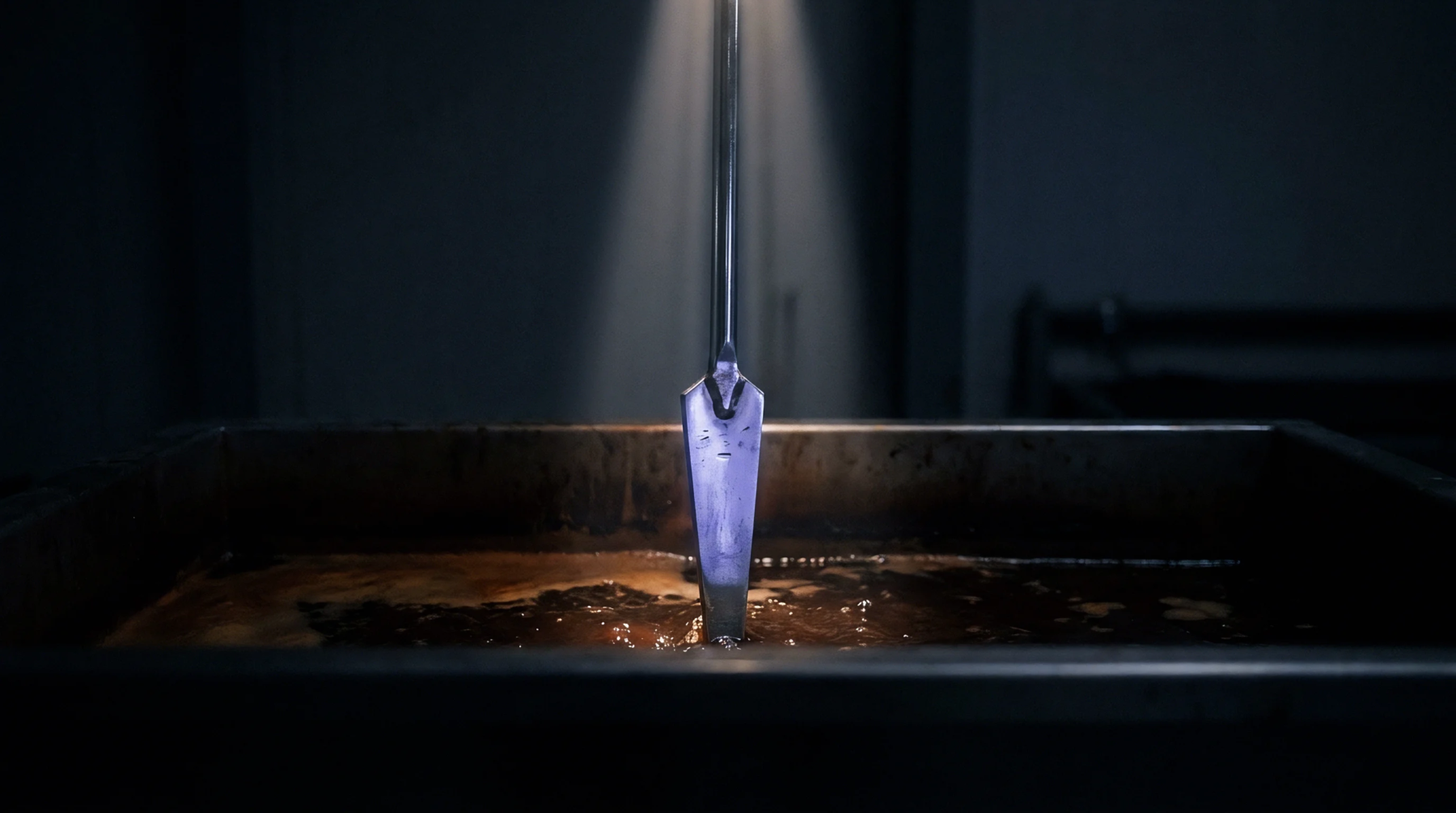
Potassium chloride addition stabilizes pH electrode response but distorts electrical conductivity and heavy metal detection limits in textile extract testing.
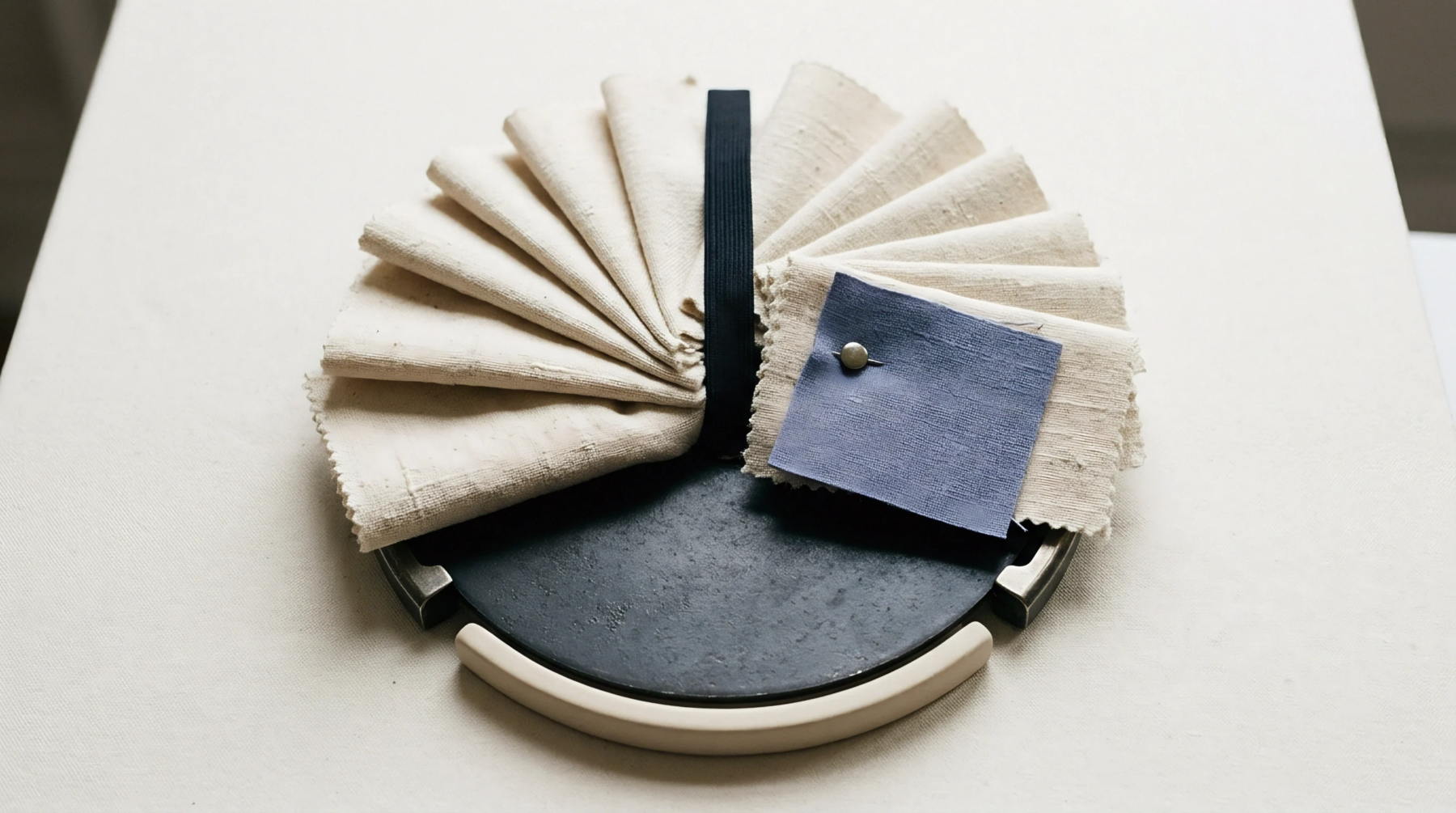
Textile extract pH testing requires precise solvent media selection, 3-point calibration, and spatial roll sampling to satisfy global market standards.
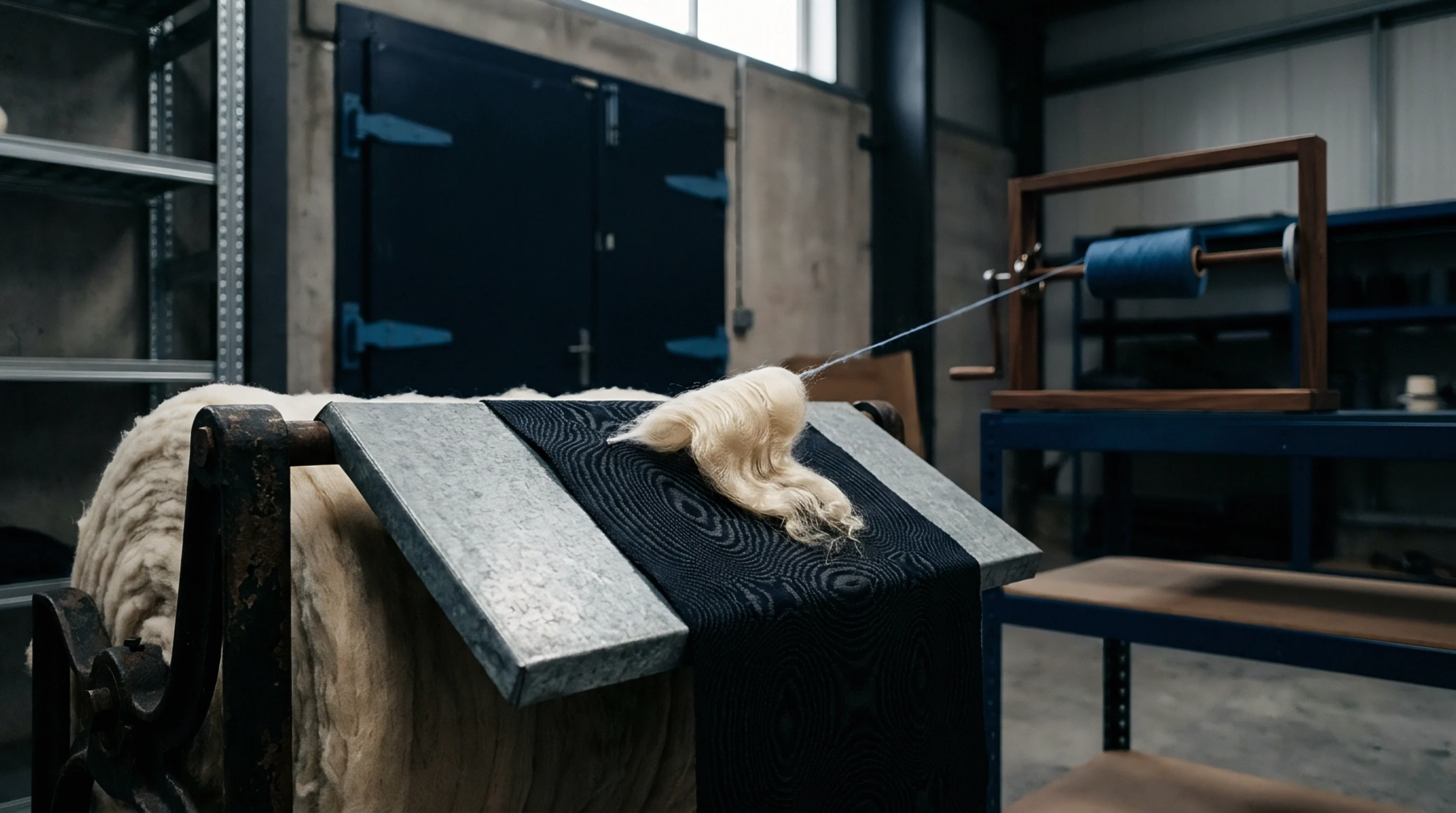
Parameterizing non-ideal electrolyte activity with Pitzer equations accurately predicts osmotic pressure in high molality caustic nanofiltration streams.
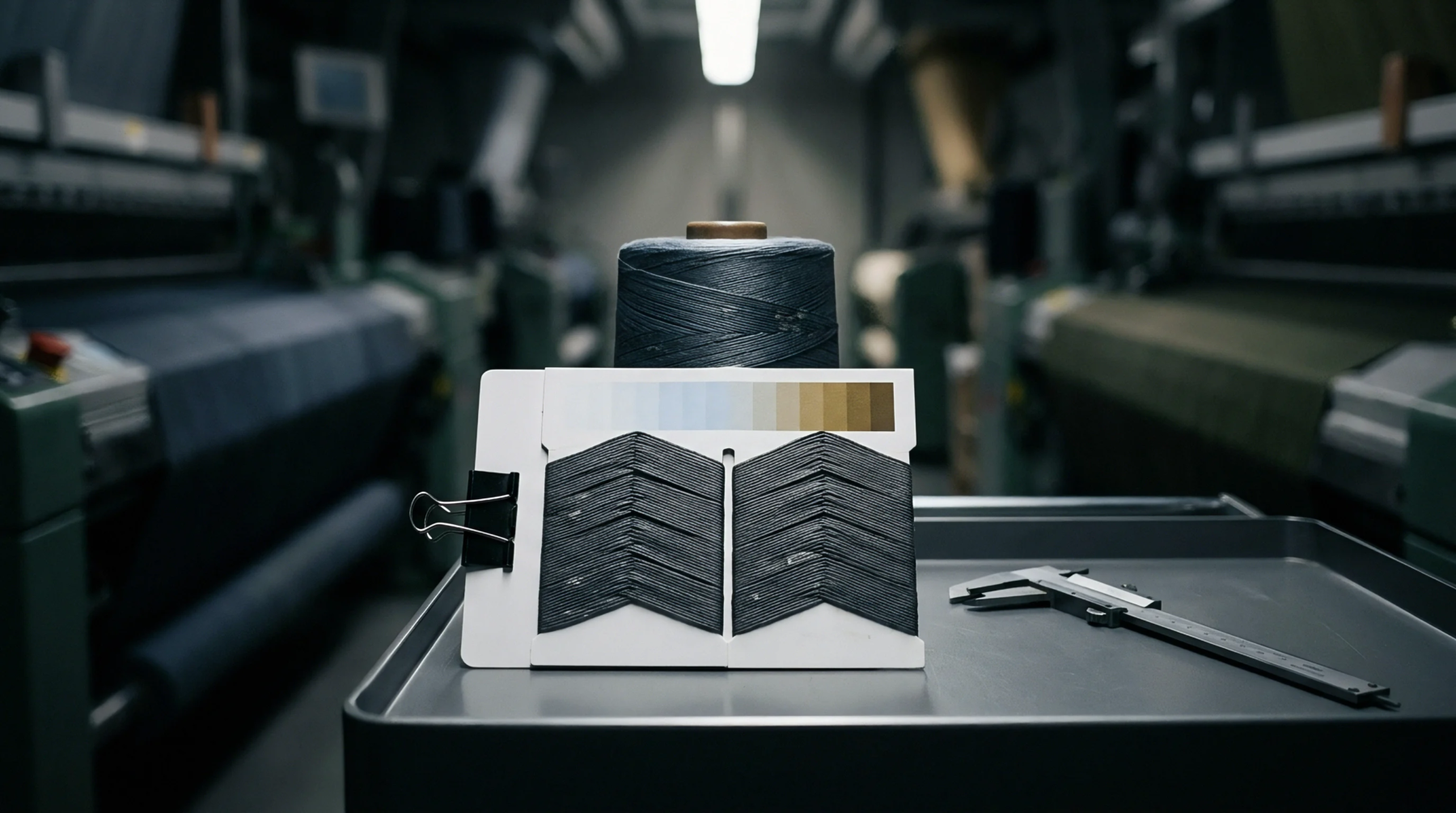
Thermodynamic sorption isotherms control regenerated cellulosic yarn shrinkage by plasticizing amorphous domains, triggering anisotropic radial swelling and entropic stress relaxation.
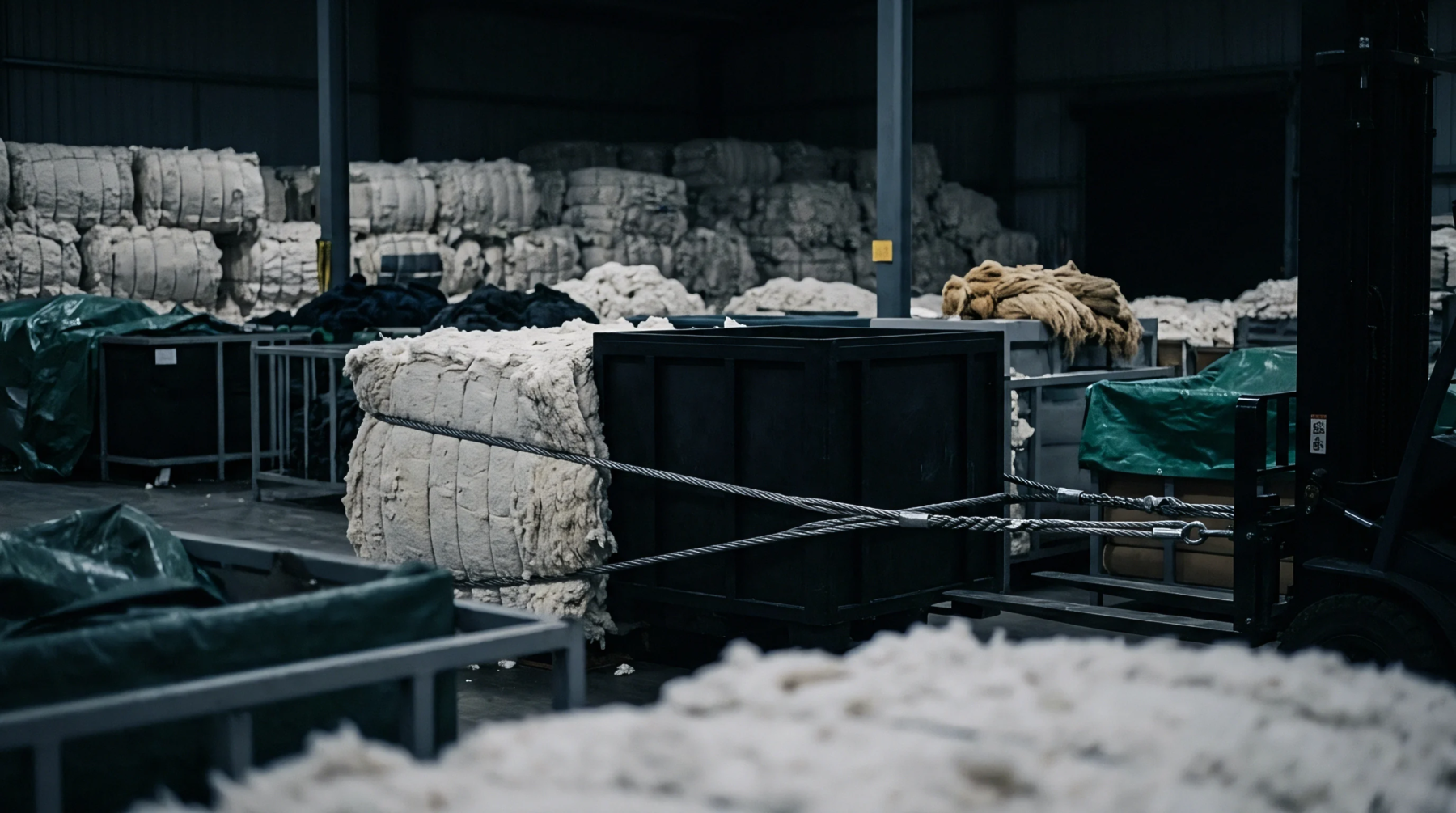
Predictive sorption modeling prevents container microclimate cargo damage by calculating multi-fibre regain limits, desiccant needs, and landed mass adjustments.

Size calcium chloride desiccants to absorb static container vapor, door seal infiltration, and cargo desorption mass to keep relative humidity below 65%.

Controlling wet pick-up in continuous dyeing requires balancing pad squeeze hydrodynamics, vacuum extraction, and web absorbency to stabilize shade uniformity.

Dissolved hemicellulose raises refractive index independently of sodium hydroxide concentration, forcing titrimetric validation for accurate lye recovery control.
Expertise is a utility, not a secret. sentiention™ publishes its working knowledge as open reference: intelligence layer covering the materials it sources, the markets it enters, and the reference that serves both.